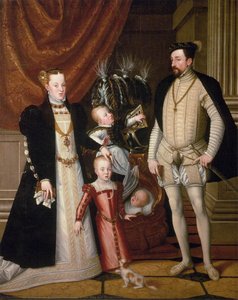
Podgląd w skali 1:1
 Wyślij jako kartkę
 Udostępnij
 Szczegóły dzieła
 Przewodnik

 Pobierz obraz
 Podobne obiekty
 RTG
RTG Pokaz slajdów
 Statystyki
Nature studies


 Rozwiń treść
Giclée / Wydruk artystyczny
Wydruki giclée lub płótna o jakości muzealnej, szybka realizacja i szeroki wybór opcji wykończenia. ( Zamów ręcznie malowaną reprodukcję Przejdź do wersji cyfrowej)




P118B zł10

P118H zł10

P118W zł10

P438Z zł10

P508JH zł12

P508YH zł12

P805H zł10

P805Z zł10

P919BZ zł10

P919G zł10

P919XJ zł10

P959ZH zł10

P968JZ zł12

W106C zł8

W218G zł10

W218JH zł8

W218Y zł10

W307PJ zł10

W316G zł10

W316PJ zł8

W316Y zł10

W398PJ zł8

W4111J zł10

W500HY zł15

W500JH zł15

W692G zł12

W849H zł8

W940BG zł15

W953PJ zł8




Wybierz spośród naszych standardowych rozmiarów, które zachowują oryginalne proporcje dzieła sztuki.

Wpisz wymaganą szerokość i wysokość, aby dopasować grafikę do ramy lub ściany. Wydruk można jedynie przyciąć, nigdy nie powiększając go poza oryginalny obraz, dlatego format o innych proporcjach spowoduje utratę części kompozycji. Przed rozpoczęciem druku prześlemy Ci cyfrowy podgląd do zatwierdzenia. Obraz wyświetlany na tej stronie nie pokazuje rzeczywistego przycięcia — jedynie podgląd oddaje ten efekt.
Dostawa na cały świat () w ciągu 2 tygodni zamiast standardowych 4/5 tygodni. (26 Październik)

Bezpłatna ekspresowa wysyłka na cały świat

Wysokiej jakości płótno lniane

Pełne ubezpieczenie przesyłki

Gwarancja zwrotu należności celnych i podatków importowych

Gwarancja wiernego odwzorowania kolorów

100-dniowa polityka zwrotów (tylko w przypadku wad)

Gwarancja 100% zwrotu pieniędzy

Zniżka przy zakupie wielu sztuk
 Opcja ze szkłem jest dostępna wyłącznie w rozmiarach poniżej 110 cm

Nature studies
Giclée / Wydruk artystyczny
Wymiary reprodukcji
-


Cena całkowita
zł 307
Giuseppe Arcimboldo: A Renaissance Visionary Reimagined
Giuseppe Arcimboldo (1527 – 1593), an Italian Mannerist painter, stands apart from his contemporaries not merely for stylistic innovation but for a profound engagement with the intellectual currents of his time—specifically, Neo-Platonism and the burgeoning fascination with natural science. Born in Milan during a period marked by papal ambition and artistic experimentation, Arcimboldo’s career unfolded against a backdrop of transformative change, propelling him to prominence as court painter for three Holy Roman Emperors: Maximilian I, Philip II, and Rudolf II—a testament to his ability to capture the zeitgeist and translate complex ideas into visually arresting imagery. While initially recognized for traditional portraits adhering to established conventions, Arcimboldo swiftly distinguished himself through a revolutionary approach – crafting composite heads entirely from meticulously arranged objects: fruits, vegetables, flowers, fish, musical instruments, and even books—a technique that continues to fascinate scholars and artists alike.- The Composite Head Technique: Arcimboldo’s method wasn't simply about clever visual illusion; it represented a deliberate challenge to conventional artistic representation. Rather than depicting the human face in its idealized form, he disassembled it into constituent parts—symbols of nature—creating an image that simultaneously honored classical ideals and reflected the scientific curiosity of the Renaissance.
- Symbolism Rooted in Neo-Platonism: Arcimboldo’s works resonate deeply with Neo-Platonic philosophy, which sought to reconcile pagan mythology with Christian theology by interpreting symbols as reflections of divine truths. Each element within a portrait—the fruits representing fertility and abundance, the flowers symbolizing beauty and virtue—carried specific allegorical meanings intended to convey profound spiritual concepts.
- Court Patronage & Rudolf II’s Vision: Arcimboldo's success stemmed largely from his patronage by Rudolf II, Holy Roman Emperor, who championed a humanist worldview characterized by intellectual exploration and artistic splendor. Rudolf II’s fascination with alchemy, astrology, and natural history mirrored Arcimboldo’s own stylistic ambition—to transcend mere imitation of nature and to express its underlying harmony and order.
Vertumnus: A Masterpiece of Illusion and Allegory
Among Arcimboldo's most celebrated achievements is Vertumnus (1591), an oil painting commissioned by Rudolf II that exemplifies the artist’s mastery of illusionistic technique and symbolic representation. The portrait depicts Rudolf II as a human face constructed from meticulously arranged fruits, vegetables, flowers, and musical instruments—a deliberate homage to the Roman god Vertumnus, whose name translates to “turning” or “changing,” reflecting the cyclical rhythms of nature and mirroring Rudolf II’s belief in the interconnectedness of all things. The composition is remarkably balanced, with each element carefully positioned to contribute to the overall impression of serenity and intellectual contemplation.- Illusionistic Detail: Arcimboldo achieved his breathtaking effect through painstaking layering of paint—a technique known as glazing—creating a shimmering surface that captures the subtle nuances of light and color. The artist’s meticulous attention to detail ensured that each fruit, vegetable, and instrument appeared convincingly integrated into the portrait's form.
- The God Vertumnus & Rudolf II’s Ideal: Arcimboldo’s choice of imagery—specifically Vertumnus—was not arbitrary but deliberately symbolic. The god Vertumnus represented transformation and renewal, mirroring Rudolf II’s aspiration to embody the virtues of wisdom, justice, and compassion—qualities he believed essential for governing his realm effectively.
- A Reflection of Renaissance Thought: Vertumnus stands as a powerful emblem of the Renaissance humanist spirit—a conviction that human reason could illuminate the mysteries of the cosmos and that art could serve as a conduit for conveying profound philosophical ideas.
Beyond Illusion: Arcimboldo’s Artistic Legacy
Giuseppe Arcimboldo's influence extends far beyond his own lifetime, shaping subsequent artistic trends and inspiring generations of artists to explore innovative visual strategies. His pioneering use of composite portraits established a precedent for manipulating perspective and creating imaginative representations that defied conventional conventions—a legacy that continues to resonate in contemporary art practice. Furthermore, Arcimboldo’s unwavering commitment to capturing the essence of his subject matter through symbolic imagery solidified his position as one of the foremost artists of the Mannerist movement—a period characterized by stylistic experimentation and a preoccupation with psychological depth.- Influence on Later Artists: Arcimboldo's technique served as an inspiration for artists like Rembrandt and Diego Velázquez, who similarly employed illusionistic techniques to convey emotion and psychological complexity in their portraits.
- The Mannerist Aesthetic: Arcimboldo’s work embodies the core tenets of Mannerism—a stylistic movement that prioritized expressive distortion over naturalistic representation—marking a decisive break from the idealized beauty of High Renaissance art.
- Enduring Relevance: Today, Arcimboldo's portraits continue to captivate audiences with their arresting visual impact and their profound intellectual depth—testaments to his enduring artistic genius and his ability to transcend temporal boundaries.
Discovering Arcimboldo’s Art Today
Reproductions of Arcimboldo’s masterpieces can be found in prestigious museums worldwide, including the Kunsthistorisches Museum in Vienna and the Louvre in Paris—a testament to their enduring artistic merit. Explore stunning prints and canvases that capture the vibrancy of color and the meticulous detail characteristic of his original paintings—bringing the visionary spirit of Giuseppe Arcimboldo into your home or gallery space.Pytania i odpowiedzi
Co przedstawia „Nature studies” – Giuseppe Arcimboldo i jaki ma nastrój?
„Nature studies” – Giuseppe Arcimboldo przedstawia composite head, fruits, animals, renaissance, symbolism, decorative art, habsburg court, wprowadzając Calm nastrój. Tematyka i atmosfera wspólnie definiują to dzieło.
Któremu artyście przypisuje się "Nature studies"?
Autorstwo dzieła "Nature studies" przypisuje się Giuseppe Arcimboldo.
Do którego pomieszczenia w domu najlepiej pasuje reprodukcja "Nature studies"?
Dzieło „Nature studies” – Giuseppe Arcimboldo jest rekomendowane do Living Room. Sugestia ta opiera się na tematyce, kolorystyce oraz nastroju pracy.
Biografia artysty
Giuseppe Arcimboldo: A Master of Illusion and Symbol
Giuseppe Arcimboldo, a name synonymous with captivating visual puzzles and surreal portraits, remains one of the most singular figures in Renaissance art. Born in Milan in 1527, his life unfolded against the backdrop of a Europe brimming with intellectual curiosity, religious upheaval, and an insatiable desire to understand the natural world. Initially recognized for his skill in creating frescoes for churches and designing stained glass windows, Arcimboldo’s enduring legacy rests upon a series of extraordinary composite heads—elaborate portraits constructed entirely from meticulously arranged objects: fruits, vegetables, flowers, books, musical instruments, and even entire landscapes. These weren't mere tricks of the eye; they were complex allegories, imbued with layers of symbolism that resonated deeply within the Renaissance worldview and continue to intrigue viewers today. His father, Biagio Arcimboldo, a painter himself, provided young Giuseppe with an early artistic foundation, likely influencing his initial explorations in design and decorative arts. This foundational experience honed his technical skills and developed his keen eye for detail—qualities that would become central to the distinctive style he would later cultivate.Courtly Patronage and Artistic Evolution
Arcimboldo’s career trajectory took a dramatic turn in 1562 when he was appointed court portraitist to Ferdinand I, the Archduke of Austria, at the Habsburg court in Vienna. This appointment marked a pivotal moment, transforming him from a regional artist into a sought-after figure within the most powerful family in Europe. Over the next two decades, he served as an artistic polymath for three successive Habsburg rulers: Maximilian II and his son, Rudolf II—both known for their intellectual pursuits and extravagant tastes. This courtly environment provided Arcimboldo with unprecedented opportunities to expand his creative horizons beyond traditional portraiture. He was tasked not only with painting portraits of the emperors but also with designing elaborate costumes for festivals, decorating imperial halls, organizing vast collections of art and curiosities, and even overseeing theatrical productions. It was within this atmosphere of refined taste and intellectual stimulation that Arcimboldo’s signature style began to fully develop—a unique blend of technical mastery, symbolic complexity, and playful visual wit. The Habsburg court's demand for novelty and spectacle fueled his experimentation, pushing him beyond conventional artistic boundaries and towards the creation of his iconic composite heads.Decoding the Language of Objects: Symbolism and Allegory
Arcimboldo’s portraits are far more than simple visual illusions; they are intricate allegories laden with symbolic meaning. Each object meticulously arranged within a head—whether it's a cluster of fruits, a stack of books, or a collection of musical instruments—represents something deeper, reflecting the sitter’s character, profession, social status, or even broader philosophical concepts. For example, his portrait of Rudolf II as *Vertumnus*, the Roman god of gardens and seasons, is not merely a depiction of the emperor; it's a complex meditation on transformation, abundance, and the cyclical nature of life. The carefully chosen fruits and vegetables—pears, plums, melons, hazelnuts—each carry specific symbolic associations within Renaissance iconography, contributing to the overall message of the portrait. Similarly, his *The Librarian* is not simply a face constructed from books; it’s a subtle critique of scholarly pretension—a commentary on those who amass knowledge without truly engaging with its content. The animal tails forming the beard represent dusters, hinting at neglected volumes gathering dust on shelves. Arcimboldo's work was deeply rooted in Renaissance Neoplatonism, which emphasized the interconnectedness of all things and sought to reveal hidden harmonies within the natural world. His portraits were designed to provoke contemplation, inviting viewers to unravel layers of meaning concealed beneath the seemingly playful arrangement of objects.The Rise of Surrealism: A Precursor to a New Vision
Despite his considerable success during his lifetime, Arcimboldo’s work largely faded from public awareness in the centuries following his death in 1593. His paintings were often dismissed as curiosities—appreciated for their technical skill but lacking serious artistic merit. It wasn't until the early 20th century that a renewed appreciation for his art emerged, fueled by the rise of Surrealism. Artists like Salvador Dalí recognized in Arcimboldo a kindred spirit—a visionary who dared to challenge conventional perceptions and explore the subconscious through unexpected juxtapositions of imagery. Dalí’s own dreamlike compositions and fascination with metamorphosis and illusion owe a significant debt to Arcimboldo's pioneering work. The influence of Arcimboldo can be seen in the way both artists manipulated reality, blurring the boundaries between representation and abstraction, and creating images that defy easy interpretation. Today, Giuseppe Arcimboldo is celebrated as a pivotal figure in art history—a precursor to Surrealism whose innovative use of symbolism, playful distortion, and masterful manipulation of visual illusion continues to inspire artists and captivate audiences worldwide.Legacy and Artistic Influence
Arcimboldo’s legacy extends far beyond his individual works; he fundamentally altered the way artists approached portraiture and representation. His composite heads challenged traditional notions of identity and appearance, forcing viewers to engage with a more complex and layered understanding of the subject. His paintings are housed in prestigious museums around the world—including the Kunsthistorisches Museum in Vienna, the Louvre in Paris, and numerous galleries across Europe—ensuring that his unique vision will continue to resonate for generations to come. His influence can be seen in contemporary artists who explore themes of identity, symbolism, and the relationship between art and reality. Arcimboldo’s work serves as a powerful reminder of the enduring capacity of art to surprise, delight, and provoke profound reflection. His legacy is a testament to the boundless possibilities of artistic imagination.
Giuseppe Arcimboldo
1527 - 1593 , Włochy
Krótka nota
- Artistic Movement Or Style: Mannernismo, Surrealizm
- Artists Or Movements Influenced By This Artist: ['Salvador Dalí']
- Artists Who Influenced This Artist: ['Leonardo da Vinci']
- Date Of Birth: 5 kwietnia 1527
- Date Of Death: 11 lipca 1593
- Full Name: Giuseppe Arcimboldo
- Nationality: Włoski
- Notable Artworks:
- Portrety z owoców
- Cztery pory roku
- Place Of Birth: Mediolan, Włochy
Powiązane artykuły

Wiktoriańska Sztuka Botaniczna: Nauka, Estetyka i Wrażliwość Artystyczna
Odkryj fascynujący świat wiktoriańskiej sztuki botanicznej! Poznaj połączenie nauki, estetyki i artystycznej precyzji. Chromolitografia, symbolizm roślin i historia kolekcjonerstwa – wszystko w jednym miejscu.
The Delicate Beauty of Botanical Realism: Capturing Nature's True Essence through the Lens of Art History
Explore the exquisite world of botanical realism. From scientific precision to Impressionist light, discover how master artists capture nature's true essence through timeless, hand-painted oil reproductions and historical insights for the discerning art lover.
Victorian Botanical Art: A Professional Guide to Sourcing Timeless Floral Reproductions for Luxury Hotel Interiors
Elevate hospitality interiors with premium Victorian botanical art reproductions. A professional guide for hotel designers on sourcing hand-painted oils and large-scale murals, featuring expert procurement advice, bulk ordering, and reliable global logistics for luxury spaces.
The Flourishing Canvas: A Historical Journey Through Botanical Illustration
Explore the captivating history of botanical illustration! Discover renowned artists like Robert Havell & Mary Walcott, learn about techniques, and find museum-quality art at OriginalUniqueArt.com.
The Timeless Elegance of Victorian Botanical Painting: A Journey Through Nature's Intricate Detail and Scientific Artistry
Discover the exquisite world of Victorian botanical painting, where scientific precision meets profound aesthetic grace. Explore a journey through nature's intricate details, from legendary illustrators to the untamed beauty of Marianne North’s vibrant floral masterpieces.