Romanesque · 1130
Eve (Gislebertus, 1130)
Gislebertus (1120–1135) stworzył Eve. Dzieło pochodzi z 1130. Należy do nurtu Romanesque. Wykonano w technice Stone. Przechowywane jest w Musée Rolin w Autun, Francja.
- 1130
- Stone
- Musée Rolin, Autun

 Ręcznie malowany obraz olejny
 Wyślij jako kartkę
 Udostępnij
 Karta informacyjna


 Pobierz obraz
 Podobne obiekty
 Pokaz slajdów
 Pytania i odpowiedzi

 Statystyki
Eve w skrócie
- Tytuł
- Eve
- Artysta
- Gislebertus (1120–1135)
- Miejsce urodzenia artysty
- Francja
- Data powstania
- 1130
- Technika wykonania
- Stone
- Gdzie można je zobaczyć
- Musée Rolin, Autun, Francja
- Ruch
- Romanesque
- Epoka
- High Medieval
- Temat
- woman, sculpture, stone, humanoid, profile, carving
Co przedstawia Eve?
The Sinuous Grace of Stone
The stone breathes with a quiet, unsettling life. In the dim light of the North Portal at Autun Cathedral, a figure emerges from the rock, caught in a moment of profound, detached grace. This is Eve, a form carved with a fluidity that defies the heavy, unyielding nature of the medium. Her body is elongated, her limbs stretching with a rhythmic elegance that suggests a movement frozen in mid-breath. There is a certain seductive quality to her posture, a sinuous curve that flows from her neck down through her torso, making the hard granite appear as soft as skin. She exists in a state of quiet contemplation, her profile turned away, her gaze lost in a space beyond the viewer's reach. The intricate carvings of foliage and leaves that wrap around her limbs seem to grow directly from her very being, blurring the line between the human form and the natural world.
The craftsmanship reveals a deep understanding of how light and shadow can transform a surface. As the light strikes the high relief of her body, it creates deep, dark pockets in the recesses of the carving, emphasizing the dramatic contours of her slender frame. This interplay of light and shadow gives the sculpture a psychological weight, a sense of presence that reaches out from the cathedral walls. It is a moment of stillness that feels heavy with the weight of what is to come.
A Fragment of the Fall
This sculpture is a rare survivor of a much larger narrative, a piece of a story that once spanned the lintels of the cathedral. It represents a significant shift in how the human form is expressed in European art, marking a departure from the rigid, static figures of earlier eras. The details of her existence are etched into the stone with a precision that speaks to a high level of technical mastery:
The history of this figure is as dramatic as the scene it depicts. For centuries, she remained hidden, having been used as mere building material for a house in 1769. She lay forgotten at the foot of a hill, a discarded fragment of a sacred story, until she was rediscovered. Now, she remains as a singular, powerful presence, a piece of the 12th-century vision that survived the passage of time and the changing tastes of men. She is a window into a period where the sculptor sought to capture not just the shape of a person, but the very essence of a soul caught in a moment of cosmic significance.
W którym muzeum znajduje się Eve?
Musée Rolin
Autun, Francja
Perła burgundzkiego dziedzictwa: Dusza Autun W samym sercu Burgundii, gdzie echa rzymskiej antyczności spotykają się ze duchowym żarem średniowiecza, leży Musée Rolin. Położone w historycznym mieście Autun, muzeum to jest czymś znacznie więcej niż tylko repozytorium artefaktów; to immersyjna podróż w głąb samej esencji francuskiej historii regionalnej. Ukryte w okazałej, dawnej rezydencji Nicolasa Rolina, kanclerza Filipa Dobrego, mury muzeum oddychają wielkością XV-wiecznego dworu burgundzkiego.


Zdjęcia w wysokiej rozdzielczości dzieła Eve

Domena publiczna: artysta zmarł w 1135.
Inne rozmiary, kadrowanie i cytowanie →Gislebertus, Eve (1130), Musée Rolin. Domena publiczna
Odpowiedzi na pytania dotyczące Eve
W którym muzeum znajduje się oryginał "Eve"?
„Eve” – Gislebertus znajduje się w zbiorach Musée Rolin, Autun, Francja. Informacja o muzeum dotyczy oryginału, a nie reprodukcji.
W którym roku powstało dzieło "Eve"?
Powstanie „Eve” – Gislebertus datuje się na 1130.
W jakiej technice wykonano „Eve” – Gislebertus?
„Eve” wykonano w technice Stone.
Co przedstawia „Eve” – Gislebertus?
Tematyka obecna w „Eve” – Gislebertus obejmuje woman, sculpture, stone, humanoid, profile, carving, foliage. Razem stanowią one podsumowanie tematyki dzieła.
Czy dzieło "Eve" znajduje się w domenie publicznej?
Jeśli chodzi o prawa autorskie, "Eve" znajduje się w należy do domeny publicznej – autorskie prawa majątkowe wygasły.
Kto jest autorem dzieła "Eve"?
Autorem dzieła „Eve” jest Gislebertus. Praca ta figuruje w katalogu pod nazwiskiem Gislebertus.
Do jakiego nurtu w sztuce należy „Eve” – Gislebertus?
Nurt związany z „Eve” – Gislebertus to Romanesque. Ta klasyfikacja sytuuje dzieło wśród pokrewnych artystów i dzieł sztuki.
Ile lat miał Gislebertus, gdy powstało dzieło „Eve”?
Gislebertus stworzył/a "Eve" w wieku 10 lat. Artysta urodził/a się w 1120, a datowanie dzieła to 1130.
Co wyjaśnia sytuację prawną dotyczącą praw autorskich do „Eve” – Gislebertus?
Status praw autorskich do dzieła „Eve” – należy do domeny publicznej – autorskie prawa majątkowe wygasły – wynika z faktu, że artysta zmarł w 1135.
O artyście: Gislebertus

1120–1135, Francja
Gislebertus
Gislebertus: Rzeźbiarz Boskiej Wizji Katedry w Autun Gislebertus, imię wykute w kamieniu i szeptane przez stulecia, jawi się jako jedna z najbardziej niezwykłych postaci rzeźby romańskiej. Sławiony przede wszystkim za swój głęboki wkład w budowę katedry Saint Lazare w Autun we Francji, wyłonił się z żyznego krajobrazu artystycznego Burgundii w okresie głęboko ukształtowanym przez żarliwość religijną i rodzące się ambicje architektoniczne. Urodzony około 1120 roku, Gislebertus żył w czasach, gdy sztuka służyła jako główny język wiernych. Choć szczegóły biograficzne pozostają skąpe, uczeni wierzą, że kształcił się w opactwie Cluny, będącym prawdopodobnie epicentrum europejskiego życia intelektualnego i monastycznej sztuki tamtej epoki.
Inne prace Gislebertus
 Tympanum of the main portal (detail)1130
 Pilgrims1120
 Last Judgment (detail)1130
 Dream of the Magi1120
Eseje o Eve
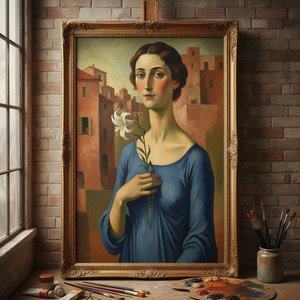 Capturing Elegance: The Soulful Essence and Timeless Grace of Modigliani-Style ArtworksDiscover the profound beauty of Modigliani-style art. Explore the elegance of elongated forms and soulful portraits through our expert cura…
 From Ancient Marble to Modern Bronze: Sculptural Forms That Shaped Art HistoryTrace the evolution of sculpture from Paleolithic totems to modern abstraction with expert insight. Explore the masters of form today.
 Romanesque vs. Gothic: How to Distinguish These Two Medieval StylesMaster the differences between Romanesque and Gothic art through expert analysis. Learn to identify these medieval styles today.