Rozmiar tekstu

() ·

Obraz stworzony dla Ciebie, własnoręcznie

Camera obscura

Ręcznie malowana reprodukcja olejowa

Ręcznie malowany obraz olejny na płótnie, wykonany na zamówienie przez naszych artystów w wybranym przez Ciebie wymiarze i oprawie. ( Przełącz na wydania drukowane Przejdź do wersji cyfrowej)

Opis obiektu

Giovanni Antonio Canal (1697-1768), known as Canaletto, was born in Venice and became a celebrated topographical painter. His Camera Obscura, a wooden box with a glass front, exemplifies his innovative approach to capturing light and perspective—a pivotal step toward modern photography.

Biografia artysty

"Meta Description": "Giovanni Antonio Canal, znany jako Canaletto, malował oszałamiające widoki Wenecji i Londynu w stylu weduty. Jego precyzyjne rysunki i technika camera obscura uczyniły go jednym z najważniejszych przedstawicieli sztuki barokowej."

od ·

Rozdział 1

Jak duży powinien być ten format?

Przesuń suwak, aby zmienić rozmiar; obraz po lewej stronie przedstawia ramę w jej rzeczywistej szerokości. Zachowano proporcje oryginału.

Standardowy format
personalizowane
CM
INCH

Wybierz spośród naszych standardowych rozmiarów, które zachowują oryginalne proporcje dzieła sztuki.

szerokość
wysokość

Wpisz wymaganą szerokość i wysokość, aby obraz pasował do Twojej ramy lub ściany. Ponieważ jest to dzieło malowane ręcznie, w przypadku rozmiaru o innych proporcjach artysta może domalować nieco więcej wokół obrazu lub przyciąć jego fragmenty — wybór należy do Ciebie. Przed rozpoczęciem pracy prześlemy Ci cyfrową wizualizację do zatwierdzenia. Obraz widoczny na tej stronie nie przedstawia rzeczywistego efektu — jedynie wizualizacja oddaje realny rezultat.

Rozdział 2

W jaki sposób ma zostać dostarczone?

Wybierz krawędzie płótna naciągniętego na ramę

Wybierz ramę

Corner sample of the WhiteWrap canvas edge finish, stretched on lite drewno bars
Białe krawędzie zł1
Corner sample of the BlurSideWrap canvas edge finish, stretched on lite drewno bars
rozmyte krawędzie zł1
Corner sample of the ExtendedWrap canvas edge finish, stretched on lite drewno bars
Przedłużony zł1
Corner sample of the P118B picture frame: polistyren formowany, 5 cm wide and 3 cm thick
P118B zł10
Corner sample of the P118H picture frame: polistyren formowany, 5 cm wide and 3 cm thick
P118H zł10
Corner sample of the P118W picture frame: polistyren formowany, 5 cm wide and 3 cm thick
P118W zł10
Corner sample of the P438Z picture frame: polistyren formowany, 5.5 cm wide and 3.5 cm thick
P438Z zł10
Corner sample of the P508JH picture frame: polistyren formowany, 7 cm wide and 3.5 cm thick
P508JH zł12
Corner sample of the P508YH picture frame: polistyren formowany, 7 cm wide and 3.5 cm thick
P508YH zł12
Corner sample of the P805H picture frame: polistyren formowany, 5 cm wide and 3.5 cm thick
P805H zł10
Corner sample of the P805Z picture frame: polistyren formowany, 5 cm wide and 3.5 cm thick
P805Z zł10
Corner sample of the P919BZ picture frame: polistyren formowany, 7 cm wide and 3.5 cm thick
P919BZ zł10
Corner sample of the P919G picture frame: polistyren formowany, 7 cm wide and 3.5 cm thick
P919G zł10
Corner sample of the P919XJ picture frame: polistyren formowany, 7 cm wide and 3.5 cm thick
P919XJ zł10
Corner sample of the P959ZH picture frame: polistyren formowany, 5 cm wide and 3 cm thick
P959ZH zł10
Corner sample of the P968JZ picture frame: polistyren formowany, 6 cm wide and 4 cm thick
P968JZ zł12
Corner sample of the W106C picture frame: lite drewno, 5 cm wide and 3 cm thick
W106C zł8
Corner sample of the W218G picture frame: lite drewno, 5 cm wide and 3 cm thick
W218G zł10
Corner sample of the W218JH picture frame: lite drewno, 5 cm wide and 3 cm thick
W218JH zł8
Corner sample of the W218Y picture frame: lite drewno, 5 cm wide and 3 cm thick
W218Y zł10
Corner sample of the W307PJ picture frame: lite drewno, 6 cm wide and 3 cm thick
W307PJ zł10
Corner sample of the W316G picture frame: lite drewno, 6 cm wide and 3 cm thick
W316G zł10
Corner sample of the W316PJ picture frame: lite drewno, 6 cm wide and 3 cm thick
W316PJ zł8
Corner sample of the W316Y picture frame: lite drewno, 6 cm wide and 3 cm thick
W316Y zł10
Corner sample of the W398PJ picture frame: lite drewno, 5 cm wide and 3 cm thick
W398PJ zł8
Corner sample of the W4111J picture frame: lite drewno, 6.5 cm wide and 3.5 cm thick
W4111J zł10
Corner sample of the W500HY picture frame: lite drewno, 7 cm wide and 5 cm thick
W500HY zł15
Corner sample of the W500JH picture frame: lite drewno, 7 cm wide and 5 cm thick
W500JH zł15
Corner sample of the W692G picture frame: lite drewno, 8 cm wide and 4 cm thick
W692G zł12
Corner sample of the W849H picture frame: lite drewno, 5 cm wide and 3 cm thick
W849H zł8
Corner sample of the W940BG picture frame: lite drewno, 7.5 cm wide and 4.5 cm thick
W940BG zł15
Corner sample of the W953PJ picture frame: lite drewno, 6 cm wide and 3.5 cm thick
W953PJ zł8
Corner sample of the H24-GOLD picture frame: rzeźbione drewno pokryte gipsem, 10 cm wide and 6 cm thick
H24-GOLD zł30
Corner sample of the H24-SILVER picture frame: rzeźbione drewno pokryte gipsem, 10 cm wide and 6 cm thick
H24-SILVER zł30
Corner sample of the H36-GOLD picture frame: rzeźbione drewno pokryte gipsem, 15 cm wide and 6.5 cm thick
H36-GOLD zł45
Corner sample of the H36-SILVER picture frame: rzeźbione drewno pokryte gipsem, 15 cm wide and 6.5 cm thick
H36-SILVER zł45

Profil: . Wymiar całkowity w ramie: .

Rozdział 3

Kto go maluje i czy coś powinno ulec zmianie?

Przykłady możliwych zmian: Zastąpienie twarzy zdjęciem klienta; Dodanie zwierzęcia (np. zamiana kota na psa); Ukrycie wiadomości w tle; Zmiana krajobrazu lub elementów tła.
Po złożeniu zamówienia zespół OriginalUniqueArt.com skontaktuje się z klientem drogą mailową w celu uzyskania instrukcji i prześle podgląd projektu

Dostawa na całym świecie () w ciągu 3–4 tygodni zamiast standardowych 5 tygodni. (3 Listopad). Bez kompromisów w kwestii jakości.

Rozdział 4

Ostatnie szlify

Tabliczka informacyjna, jak w muzeum?

Szczegóły grawerowanej brązowej tabliczki

This elegant plaque features the artist's name and the title of the artwork, finely engraved for a timeless presentation.

It is made from bronze with a refined, elegant finish. The text is precisely laser-engraved for a sharp and permanent result. Measuring 9x2 cm, the plaque is compact yet easy to read. It's built to be durable and scratch-resistant, offering a professional, museum-quality look. Mounting is simple thanks to the included adhesive backing.

Szczegóły przezroczystej tabliczki akrylowej

The plaque includes essential engraved details such as the artist's name, the title of the artwork, the date it was created, the type of media used-like oil on canvas or watercolor-a brief description of the piece, and a QR code that links to the complete artwork information.

It is crafted from clear acrylic, offering a sleek, modern appearance. The text is UV-engraved in black to ensure strong visual contrast. With a size of 10x15 cm, it ensures optimal readability. It comes equipped with two metal hooks for secure wall mounting. The plaque is designed to be weather-resistant, making it suitable for various environments, and it includes interactive features that work seamlessly with smartphone scanning.

Szczegóły czarnej tabliczki akrylowej

This elegant plaque includes engraved information such as the artist's name, the title of the artwork, the date it was created, the type of media used (like oil on canvas or watercolor), a short description of the artwork, and a QR code for quick access to more information.

The plaque itself is made from refined black acrylic with a premium finish. The text is laser-engraved in white for high contrast and readability. Its size is 10x15 cm, designed to be easy to read. It comes with two metal hooks for professional mounting. The design is sleek and fits any interior style. It is also weather-resistant and durable, with built-in digital integration for mobile compatibility.

Werniks ochronny?

Kiedy potrzebujesz dostawy?

Rozdział 5

Twoje dzieło, dokładnie tak, jak zamówiłeś

Camera obscura

Technika reprodukcji

Wymiary reprodukcji

-

Wybitny mistrz artystyczny

Większa szczegółowość, finezja i dodatkowy czas na realizację

-

Opcje oprawy reprodukcji

-

-

W przypadku dzieł sztuki lub reprodukcji, których którykolwiek z boków przekracza 105 cm (około 41 cali), rama zostanie wysłana w formie zestawu do samodzielnego montażu. Metoda ta zapewnia bezpieczną dostawę i zapobiega uszkodzeniom podczas transportu.

Wymagany profesjonalny montaż – nie jest to produkt typu DIY.
Zestaw musi zostać złożony, a płótno naciągnięte przez doświadczonego profesjonalnego ramiarza, przy użyciu kleju do drewna (brak w zestawie), kleszczy do naciągania płótna oraz ścisków, które utrzymają krosna w równej pozycji podczas schnięcia kleju. Nieprawidłowy montaż lub nierównomierne napięcie płótna może trwale uszkodzić dzieło sztuki i nie podlega naszej gwarancji.

  • W zestawie znajdują się wszystkie listwy z litego drewna, precyzyjnie docięte do wymiarów.

  • Montaż odbywa się przy użyciu dołączonych wkrętów oraz kleju do drewna do łączenia narożników, którego zestaw nie zawiera i który musi zostać dostarczony przez ramiarza.

  • Wymagane są profesjonalne narzędzia, których nie ma w zestawie: kleszcze do naciągania płótna (napinacz) oraz zaciski, które pozwolą utrzymać listwy w równej pozycji podczas schnięcia kleju.

Ważne:
Do połączenia narożników niezbędny jest klej do drewna, listwy należy unieruchomić za pomocą ścisków do momentu całkowitego wyschnięcia kleju, a naciągnięcie płótna na złożoną ramę wymaga użycia kleszczy do naciągania płótna. Żaden z tych elementów nie jest dołączony do zestawu. Przed zamówieniem tego rozmiaru zalecamy konsultację z doświadczonym ramiarzem.

Etykieta obiektu

-

-

Lakier ochronny

Lakier z połyskiem (pogłębia kolory, chroni przed światłem i wilgocią)

-

Personalizacja dzieła

Przykłady możliwości personalizacji: zastąp twarz zdjęciem klienta; dodaj zwierzę domowe (np. zamień kota na psa); umieść ukrytą wiadomość w tle; zmień krajobraz lub elementy tła.

-

Ekspresowa

Dostawa na cały świat () w ciągu 3–4 tygodni zamiast standardowych 5 tygodni. (3 Listopad). Bez kompromisów w kwestii jakości.

-

Przesyłka ekspresowa

Dostawa na cały świat () w ciągu 5 tygodni. (10 Listopad).

W cenie

Cena całkowita

zł 1173

Suma całkowita zł 1173

Opcja ze szkłem jest dostępna wyłącznie w rozmiarach poniżej 110 cm

W każdym zamówieniu

  • Bezpłatna ekspresowa wysyłka na cały świat
  • Wysokiej jakości płótno lniane
  • Pełne ubezpieczenie przesyłki
  • Gwarancja zwrotu należności celnych i podatków importowych
  • Gwarancja wiernego odwzorowania kolorów
  • 100-dniowa polityka zwrotów (tylko w przypadku wad)
  • Gwarancja 100% zwrotu pieniędzy
  • Zniżka przy zakupie wielu sztuk

Canaletto's Intimate Glimpse: The Camera Obscura

Giovanni Antonio Canal, better known as Canaletto, was a master of observation, a chronicler of Venice and its surrounding landscapes with an unparalleled eye for detail. This remarkable painting, depicting a camera obscura – a device he himself possessed and meticulously documented – offers a rare and intimate window into the artist’s creative process and the burgeoning science of optics in the early 18th century. The image, currently housed within the Museo Correr in Venice, isn't merely a representation of a scientific instrument; it’s a testament to Canaletto’s intellectual curiosity and his pioneering approach to landscape painting.

  • The Mechanics of Vision: The camera obscura, essentially a darkened room with a pinhole lens, projected an inverted image of the outside world onto its walls. Canaletto's depiction captures this phenomenon precisely – a wooden box constructed with a glass front, meticulously arranged to capture and display this ethereal projection.
  • A Tool for Observation: Canaletto utilized the camera obscura not just as a scientific curiosity but as an invaluable tool for his artistic practice. It allowed him to study light, shadow, perspective, and composition before committing them to canvas, resulting in the remarkably accurate and detailed renderings that define his style.
  • Historical Context: Created around 1700, this painting reflects a period of intense scientific inquiry into optics and visual perception. The camera obscura was gaining popularity among artists and scientists alike, offering a new method for understanding and replicating the natural world.

Canaletto’s Topographical Style & Artistic Technique

Canaletto's artistic style is immediately recognizable – characterized by its meticulous detail, precise perspective, and atmospheric clarity. This particular depiction of the camera obscura exemplifies his mastery of topographical painting, a genre he essentially invented. The artist employed a technique of layering thin glazes of oil paint, building up color gradually to achieve remarkable luminosity and depth. Note the subtle gradations in tone, particularly within the wooden construction of the device itself, demonstrating Canaletto’s painstaking attention to texture and form. The inverted projection is rendered with astonishing accuracy, showcasing his keen observational skills and his ability to translate three-dimensional reality onto a two-dimensional surface.

  • Oil on Panel: The artwork is executed in oil paint on a wooden panel, a common medium for Canaletto’s work during this period.
  • Layered Glazes: The use of numerous thin layers of translucent paint creates a rich and luminous effect, characteristic of Canaletto's style.
  • Precise Perspective: The meticulous rendering of perspective demonstrates Canaletto’s mastery of linear perspective, a key element in creating the illusion of depth and realism.

Symbolism & Emotional Resonance

Beyond its technical brilliance, the painting carries symbolic weight. It represents not just a scientific instrument but also the artist's relentless pursuit of knowledge and his desire to capture the beauty and complexity of the world around him. The camera obscura itself can be interpreted as a metaphor for artistic creation – a device that transforms an external reality into an internal representation. The image evokes a sense of quiet contemplation, inviting viewers to consider the fundamental principles of vision and the creative process. Canaletto’s work consistently conveys a feeling of serene order and intellectual curiosity, reflecting his deep connection to Venice and its rich cultural heritage.

A Legacy of Observation

This reproduction offers an exceptional opportunity to own a piece of art history – a tangible link to one of the most celebrated topographical painters of all time. Whether you are an art collector seeking to expand your collection, an interior designer looking for a unique and historically significant artwork to adorn your space, or simply someone captivated by Canaletto’s genius, this painting provides a profound connection to the artist's world and his remarkable ability to capture the essence of Venice.

Pytania i odpowiedzi

Do czego sugerowane jest wykorzystanie „Camera obscura” – Canaletto?

Sugerowanym zastosowaniem dla „Camera obscura” – Canaletto jest Accent, choć może on służyć również do innych celów.

Czy prawa autorskie do „Camera obscura” – Canaletto pozwalają na tworzenie reprodukcji?

Oryginał dzieła „Camera obscura” znajduje się w Museo Correr, a utwór jest należy do domeny publicznej – autorskie prawa majątkowe wygasły.

Kto stworzył "Camera obscura" i w jakim stylu jest to dzieło?

Za dziełem "Camera obscura" stoi Canaletto oraz nurt Baroque topographical painting.

Więcej o tym obrazie

Przełącz na wydania drukowane Przejdź do wersji cyfrowej Wyślij jako kartkę
Szczegóły dzieła Przewodnik Dodaj do ulubionych Pobierz obraz Podobne obiekty Pokaz slajdów Pytania i odpowiedzi Statystyki

W liczbach

  • 1700rok powstania dzieła
  • 29dostępne ramy do wyboru
  • standardowe formaty, w ich własnych proporcjach
  • 5tygodni na namalowanie i dostarczenie dzieła
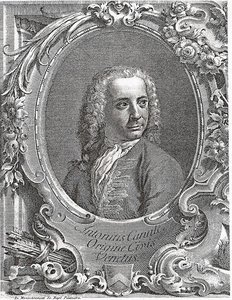
Canaletto

Canaletto

1697 - 1768, Włochy

Krótkie informacje o Canaletto

  • Artistic Movement Or Style: Vedute Wenecji
  • Artists Or Movements Influenced By This Artist: ['Giovanni Paolo Pannini']
  • Artists Who Influenced This Artist: ['Tintoretto']
  • Date Of Birth: 18 paź 1697
  • Date Of Death: 19 kwie 1768
  • Full Name: Giovanni Antonio Canal
  • Nationality: Włoski
  • Notable Artworks:
    • Dom kamieniarskiej
    • Regata na Canale Grande
    • Eton College
  • Place Of Birth: Wenecja, Włochy

Biografia artysty

early life and training

Giovanni Antonio Canal, better known as Canaletto, was born on October 18, 1697, in the heart of Venice – a city he would dedicate his entire artistic career to capturing. His early years were steeped in the world of theatrical scenery; his father, Bernardo Canal, was a skilled painter specializing in creating backdrops for Venetian opera productions. This formative environment instilled in young Giovanni an appreciation for composition, perspective, and the dramatic use of light – skills that would later become hallmarks of his distinctive style. Artemisia Barbieri, his mother, further nurtured his artistic sensibilities, providing him with a foundation in drawing and observation. Canaletto’s initial training wasn't solely focused on grand landscapes; he learned the fundamentals of painting through his father’s work, absorbing techniques for creating convincing illusions of depth and space within theatrical settings. This early exposure to stagecraft undoubtedly shaped his later approach to depicting urban environments – a meticulous attention to detail and an understanding of how to guide the viewer's eye through a complex scene.

the making of a master: Rome and the Opera

In 1718, at the age of twenty-one, Canaletto embarked on a significant chapter in his artistic development by traveling to Rome. This journey marked a pivotal shift from theatrical scenery to more independent painting. He found work assisting Alessandro Scarlatti, a renowned composer, creating elaborate sets for two operas – an experience that profoundly influenced his artistic vision. Working within the demanding world of opera production honed his skills in drafting precise perspective drawings and understanding how to create convincing illusions of space on stage. The vibrant colors, dynamic compositions, and theatrical lighting he witnessed during this period undoubtedly left a lasting impression, contributing to the richness and dramatic quality characteristic of his later Venetian views. It was here that Canaletto began to develop his signature topographical style – a method of representing cities and landscapes with remarkable accuracy and detail.

a venetian perspective: topographical mastery

Upon returning to Venice in 1720, Canaletto quickly established himself as one of the leading veduta painters of his time. Vedute, meaning “views” in Italian, were meticulously rendered depictions of urban landscapes – a genre that had gained popularity throughout Europe during the 18th century. Canaletto’s approach was revolutionary; he didn't simply paint what he saw but rather created detailed records of Venice, capturing its intricate network of canals, bridges, and buildings with astonishing precision. He employed a systematic method, making numerous preparatory sketches – often using a camera obscura (though the extent to which he utilized this device remains debated by art historians) – before committing his observations to canvas. His paintings weren’t merely accurate reproductions; they were carefully composed works of art, designed to evoke a sense of atmosphere and place. He skillfully used light and shadow to create depth and perspective, transforming ordinary cityscapes into captivating scenes that reveal the beauty and complexity of Venetian life.

notable works and collaborations

Canaletto’s artistic output was prolific, encompassing a vast range of subjects – from grand public buildings like the Rialto Bridge and St. Mark's Square to bustling market scenes and intimate interiors. Some of his most celebrated works include “The Stonemason’s Yard” (circa 1725), a vibrant depiction of a busy workshop that showcases his early skill in capturing detail and atmosphere; “Regatta on the Grand Canal” (1730), a lively portrayal of a Venetian boat race, brimming with color and movement; and "Eton College" (1746-1756), a testament to his influence in England, where he painted several views of Cambridge. Crucially, Canaletto’s artistic journey was inextricably linked to the work of his nephew, Bernardo Bellotto. They collaborated closely for many years, sharing techniques and influencing each other's style – though it is often difficult to discern precisely who executed which elements of a shared composition. This partnership significantly expanded their collective output and cemented their place as leading veduta painters.

legacy and influence

Canaletto’s work exerted a profound and lasting impact on 18th-century art, particularly in the development of the veduta genre. His meticulous attention to detail, his skillful use of perspective, and his ability to capture the atmosphere of Venice inspired countless artists – including his nephew Bernardo Bellotto and later generations of landscape painters. His paintings are now housed in prestigious museums around the world, including the National Gallery in London, where they serve as a powerful reminder of Venice’s beauty and Canaletto's extraordinary artistic legacy. His influence can still be felt today, as artists continue to draw inspiration from his masterful depictions of urban landscapes. The Palumbo-Fossati Collection in Venice offers a particularly comprehensive view of his oeuvre, allowing visitors to immerse themselves in the world of this remarkable Venetian artist. Remember to explore more about Canaletto at https://OriginalUniqueArt.com/@/giovanni-antonio-canal

Najważniejsze informacje

  • Title: Camera Obscura
  • Location: Museo Correr, Venice
  • Artist: Canaletto
  • Artistic style: Topographical
  • Influences: Canaletto's father