Northern Renaissance · 1505
Forest scenes (Gerard David, 1505)
Gerard David (1460–1523) stworzył Forest scenes. Dzieło pochodzi z 1505. Należy do nurtu Northern Renaissance. Wykonano w technice Oil On Panel. Przechowywane jest w Rijksmuseum w Amsterdam, Holandia. Wymiary to 90 × 31 cm.
- 1505
- Oil On Panel
- 90 × 31 cm
- Rijksmuseum, Amsterdam

 Podgląd w skali 1:1

 Ręcznie malowany obraz olejny
 Wyślij jako kartkę
 Udostępnij
 Karta informacyjna


 Pobierz obraz
 Podobne obiekty
 RTG
 Pokaz slajdów
 Pytania i odpowiedzi

 Statystyki
Forest scenes w skrócie
- Tytuł
- Forest scenes
- Artysta
- Gerard David (1460–1523)
- Miejsce urodzenia artysty
- Oudewater, Holandia
- Data powstania
- 1505
- Technika wykonania
- Oil On Panel
- Wymiary
- 90 × 31 cm
- Gdzie można je zobaczyć
- Rijksmuseum, Amsterdam, Holandia
- Temat
- forest landscape, northern europe, detailed nature, woodland scene, religious symbolism, oil painting style
Co przedstawia Forest scenes?
A Woodland Reverie: Gerard David’s “Forest Scenes”
Gerard David's "Forest Scenes," painted in 1505, isn’t merely a depiction of trees and streams; it’s an immersion into the heart of Northern Renaissance contemplation. This diptych, a masterful exploration of light, shadow, and perspective, offers a profound glimpse into the artistic sensibilities of a pivotal figure often overshadowed by his more flamboyant contemporaries. David, working in the burgeoning art centers of Bruges and Antwerp, crafted a work that speaks to both the earthly beauty of nature and the spiritual yearning characteristic of the era.
The painting immediately draws the eye with its dramatic lighting – a strong directional light illuminates the foreground, casting long, evocative shadows that deepen the sense of enclosure within the woodland. This technique, reminiscent of the Flemish masters, isn’t simply about realism; it's a deliberate orchestration of atmosphere. The composition is carefully balanced between two distinct panels. To the left, a small stone building with a thatched roof nestles amongst the trees, hinting at human presence and suggesting a connection between the natural world and domestic life. The right panel flows with a stream, its movement subtly guiding the viewer’s eye through the landscape. The overall effect is one of serene depth – a space that feels both familiar and profoundly mysterious.
Northern Renaissance Realism and Artistic Innovation
“Forest Scenes” exemplifies the Northern Renaissance style in its meticulous attention to detail and its commitment to realistic representation. David’s brushwork is remarkably fine, particularly evident in the rendering of the foliage – each leaf, branch, and texture painstakingly rendered with a level of precision rarely seen in Southern European art at the time. However, it's not merely imitation; David subtly departs from purely observational painting. He employs a flattened perspective, characteristic of the Northern style, creating a sense of depth without resorting to the complex aerial perspective favored by Italian artists. This choice contributes to the painting’s slightly dreamlike quality, as if peering into an idealized version of the forest.
Furthermore, David's use of color is particularly noteworthy. He masterfully employs a palette dominated by warm browns, deep greens, and touches of gold – colors that evoke the richness and warmth of autumn light filtering through the trees. The layering of thin glazes of oil paint builds up luminosity and depth, creating a sense of tactile realism. This technique, combined with his skillful manipulation of light and shadow, elevates the painting beyond a simple landscape depiction into a powerful expression of mood and atmosphere.
Symbolism and Emotional Resonance
Beyond its technical brilliance, “Forest Scenes” is rich in symbolic meaning. The small building suggests human resilience and connection to the land – a reminder of humanity’s place within the natural world. The stream, flowing steadily onward, can be interpreted as a symbol of time, life, or perhaps even the soul's journey. The overall mood is one of tranquility and solitude, inviting contemplation and introspection. It’s a scene that speaks to the human desire for escape from the pressures of daily life and offers a glimpse into a world of peace and beauty.
David’s choice to present this scene as a diptych adds another layer of complexity. The division between the two panels suggests a duality – perhaps representing opposing forces, or different aspects of the same experience. The forest itself can be seen as a metaphor for the human psyche, with its hidden depths and potential for both beauty and darkness. “Forest Scenes” is not just a landscape; it’s an invitation to explore the mysteries within ourselves and in the world around us.
A Timeless Masterpiece – Reproduction Options
Reproductions of Gerard David's "Forest Scenes" offer a remarkable opportunity to bring this iconic work into your home or office. Available in a range of sizes, from smaller prints suitable for adorning a wall to larger canvases that command attention, these reproductions faithfully capture the painting’s rich colors, intricate details, and evocative atmosphere. Crafted on high-quality materials – canvas, metal, or acrylic glass – each reproduction is designed to last for generations, ensuring that you can enjoy this timeless masterpiece for years to come.
W którym muzeum znajduje się Forest scenes?
Rijksmuseum
Amsterdam, Holandia
Historia i początki Rijksmuseum Rijksmuseum to narodowe muzeum Holandii, którego korzenie nierozerwalnie splatają się z burzliwymi latami następującymi po Rewolucji Francuskiej. Instytucja ta została założona w Hadze 19 listopada 1798 roku, a ten okres gwałtownych przemian politycznych ukształtował wczesny etap rozwoju jej kolekcji. Z czasem, w 1808 roku, muzeum przeniosło się do Amsterdamu, stając się sercem holenderskiej kultury.


Zdjęcia w wysokiej rozdzielczości dzieła Forest scenes

Domena publiczna: artysta zmarł w 1523.
Inne rozmiary, kadrowanie i cytowanie →Gerard David, Forest scenes (1505), Rijksmuseum. Domena publiczna
Odpowiedzi na pytania dotyczące Forest scenes
Gdzie można zobaczyć oryginał „Forest scenes” – Gerard David?
„Forest scenes” – Gerard David znajduje się w zbiorach Rijksmuseum, Amsterdam, Holandia. Informacja o muzeum dotyczy oryginału, a nie reprodukcji.
W którym roku powstało dzieło „Forest scenes” – Gerard David?
"Forest scenes" powstało w 1505 roku. Data ta pozwala umiejscowić dzieło w kontekście twórczości Gerard David oraz epoki, w której powstało.
Z jakiej techniki wykorzystano "Forest scenes"?
Gerard David wykorzystał/a technikę Oil On Panel w pracy „Forest scenes”. Technika ta definiuje materię oryginalnego dzieła.
Jakie są rzeczywiste wymiary dzieła „Forest scenes” – Gerard David?
Wymiary dzieła „Forest scenes” – Gerard David to 90 x 31 cm. Reprodukcje można zamówić w innych rozmiarach, zachowując te same proporcje.
Co przedstawia „Forest scenes” – Gerard David?
Tematyka obecna w „Forest scenes” – Gerard David obejmuje forest landscape, northern europe, detailed nature, woodland scene, religious symbolism, oil painting style, diptych artwork. Razem stanowią one podsumowanie tematyki dzieła.
Czy dzieło "Forest scenes" znajduje się w domenie publicznej?
Jeśli chodzi o prawa autorskie, "Forest scenes" znajduje się w należy do domeny publicznej – autorskie prawa majątkowe wygasły.
Któremu artyście przypisuje się "Forest scenes"?
„Forest scenes” zostało stworzone przez Gerard David. Informacje na tej stronie dotyczą oryginalnego dzieła autorstwa Gerard David.
Do jakiego nurtu artystycznego należy „Forest scenes” – Gerard David?
„Forest scenes” – Gerard David należy do nurtu Northern Renaissance. Nurt ten stanowi stylistyczny kontekst dzieła.
Do którego okresu twórczości Gerard David należy dzieło „Forest scenes”?
"Forest scenes" reprezentuje Mature Period twórczości Gerard David.
O artyście: Gerard David

1460–1523, Holandia
Gerard David
Gerard David (c. 1460-1523) – Mistrz Światła Flandrii i Enigmatyczny Wszechświat Gerard David, imię które rezonuje z blaskiem wczesnorenesansowego malarstwa niderlandzkiego, pozostaje artystą otoczonym fascynującą tajemnicą. Urodzony około 1460 roku w Oudewater, w Holandii, jego życiorys jest układany z fragmentów archiwalnych zapisów ielożnością jego dzieł, które mówią same za siebie. W przeciwieństwie do niektórych współczesników, których życie jest bogato udokumentowane, historia Davida jest skromna, pozwalając jego obrazom wyrażać głębię, gdzie szczegóły biograficzne są rzadkie.
Inne prace Gerard David
 Sąd Cambysesa1498
 Małżeństwo w Kanie1500
 The Judgment of Cambyses (detail)1498
 Triptych with the Nativity1505
Eseje o Forest scenes
 From Pixels to Paint: Transforming Digital Memories into Timeless Oil MasterpiecesDiscover the art of transforming digital photos into bespoke oil masterpieces. From custom portraits to historical 'period shifts,' our aca…
 The Northern Renaissance: A Masterclass in Hyper-Realism, Oil Innovation, and Symbolic DepthExplore the profound mastery of Northern Renaissance art. Discover the technical brilliance of Flemish oil painting, the intricate symbolis…
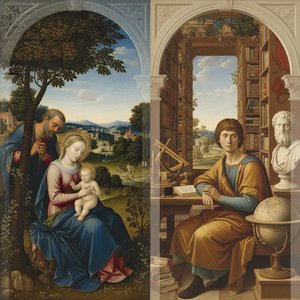 Gerard David: Bridging Late Medieval Tradition with Early Renaissance HumanismExplore the captivating world of Gerard David, a pivotal figure bridging late medieval artistry with the Early Renaissance. Discover his in…