Cubist Spatial Representation
Tithonos (Georges Braque)
Georges Braque (1882–1963) stworzył Tithonos. Należy do nurtu Cubist Spatial Representation. Wykonano w technice Oil On Canvas.
- Oil On Canvas

 Podgląd w skali 1:1

 Ręcznie malowany obraz olejny
 Wyślij jako kartkę
 Udostępnij
 Karta informacyjna


 Pobierz obraz
 Podobne obiekty
 RTG
 Pokaz slajdów
 Pytania i odpowiedzi

 Statystyki
Tithonos w skrócie
- Tytuł
- Tithonos
- Artysta
- Georges Braque (1882–1963)
- Miejsce urodzenia artysty
- Argenteuil, Francja
- Technika wykonania
- Oil On Canvas
- Epoka
- Modern
- Temat
- bird imagery, geometric forms, spatial depth, painting technique, human figure, time concept
Co przedstawia Tithonos?
A Symphony of Fragmented Form: Rediscovering Braque’s Tithonos
In the quiet evolution of modernism, few moments are as profound as the emergence of Analytical Cubism, and few works capture this seismic shift with such poetic restraint as Georges Braque’s "Tithonos." To gaze upon this masterpiece is to witness the deliberate dismantling of the visible world. The painting does not merely present a subject; it deconstructs reality itself, inviting the viewer into a space where perspective is no longer a fixed window, but a multifaceted experience. Through a masterful use of monochrome tones and geometric intersections, Braque invites us to look beyond the surface, finding beauty in the fractured planes and the subtle interplay of light and shadow that define this seminal era of art history.
At the heart of the composition lies a striking, abstracted figure—a bird with wings outstretched, caught in a moment of suspended animation. This central motif serves as more than just a subject; it is a vessel for Braque’s exploration of movement and stillness. While the wings suggest flight, the fragmented technique anchors the creature within a complex web of overlapping shapes, creating a tension between motion and stasis. The artist’s background in the decorative arts—rooted in his father's trade as a house painter—is subtly evident here, seen in the meticulous attention to texture and the structural integrity of each plane. Every stroke feels intentional, contributing to a composition that feels both architecturally sound and ethereally light.
Symbolism and the Passage of Time
Beyond its formal brilliance, "Tithonos" resonates with deep symbolic undertones, touching upon themes of metamorphosis and the inevitable decay of time. The inclusion of a subtle clock in the background acts as a memento mori, a quiet reminder of the temporal world that exists even within the abstract realm of the canvas. This element anchors the painting's more avant-garde elements to the human experience, suggesting that even as we deconstruct our perception of reality, we remain bound by the ticking clock of existence. The bird itself, in its state of fragmentation, can be seen as a metaphor for the disintegration of traditional artistic conventions, mirroring the way Braque and Picasso sought to break apart the old world to build something entirely new.
For the discerning collector or interior designer, "Tithonos" offers an unparalleled opportunity to introduce a piece of intellectual depth into a curated space. As a high-quality reproduction, this work brings the sophisticated atmosphere of early 20th-century Paris into the modern home. Its muted palette and monochromatic elegance make it a versatile cornerstone for contemporary decor, capable of anchoring a minimalist gallery wall or providing a thoughtful point of contemplation in a study. It is not merely a decoration; it is an invitation to engage with the history of innovation, offering a timeless aesthetic that celebrates the profound beauty found within the broken and the rebuilt.
Zdjęcia w wysokiej rozdzielczości dzieła Tithonos
Chronione prawem autorskim: pliki te służą wyłącznie do osobistego wglądu i nie stanowią licencji na ich powielanie.
Georges Braque, Tithonos.
Odpowiedzi na pytania dotyczące Tithonos
W jakiej technice wykonano „Tithonos” – Georges Braque?
Technika wykonania dzieła „Tithonos” – Georges Braque to Oil On Canvas. Reprodukcje mają na celu wierne oddanie wyglądu tej techniki.
Co przedstawia „Tithonos” – Georges Braque?
Tematyka obecna w „Tithonos” – Georges Braque obejmuje bird imagery, geometric forms, spatial depth, painting technique, human figure, time concept, artistic composition. Razem stanowią one podsumowanie tematyki dzieła.
Czy „Tithonos” – Georges Braque znajduje się w domenie publicznej?
„Tithonos” – Georges Braque znajduje się w domenie publicznej (nadal objęte ochroną prawa autorskiego). Status ten określa zasady reprodukcji obrazu tego dzieła.
Kto jest autorem dzieła "Tithonos"?
Autorstwo dzieła "Tithonos" przypisuje się Georges Braque.
Do jakiego nurtu należy "Tithonos"?
Nurt związany z „Tithonos” – Georges Braque to Cubist Spatial Representation. Ta klasyfikacja sytuuje dzieło wśród pokrewnych artystów i dzieł sztuki.
Do którego okresu twórczości Georges Braque należy dzieło „Tithonos”?
"Tithonos" reprezentuje Analytical Cubism twórczości Georges Braque.
Co wyjaśnia sytuację prawną dotyczącą praw autorskich do „Tithonos” – Georges Braque?
„Tithonos” – Georges Braque jest nadal objęte ochroną prawa autorskiego. Okres ochrony praw autorskich liczony jest od śmierci artysty, która nastąpiła w 1963.
Co łączy "Tithonos" z resztą twórczości Georges Braque?
"Tithonos" wpisuje się w nurt Cubist Spatial Representation w twórczości Georges Braque, której charakterystyczne motywy obejmują picasso influence, formal experimentation, spatial illusion, cubist legacy, artistic innovation.
W jaki sposób tematyka dzieła "Tithonos" odnosi się do typowych motywów twórczości Georges Braque?
Wśród motywów charakterystycznych dla twórczości Georges Braque – takich jak picasso influence, formal experimentation, spatial illusion, cubist legacy, artistic innovation – dzieło „Tithonos” wprowadza własne skupienie na bird imagery, geometric forms, spatial depth, painting technique, human figure, time concept, artistic composition.
O artyście: Georges Braque
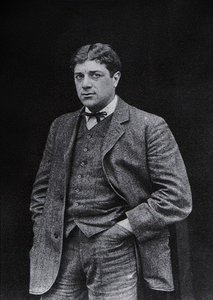
1882–1963, Francja
Georges Braque
Wczesne lata, rodzina i wykształcenie Georges Braque urodził się w 1882 roku w Argenteuil we Francji. Jego wczesne lata upłynęły w Le Havre, w domu, którego codzienność definiowały praktyczne aspekty dekoracji i koloru. Dorastając w rodzinie malarzy i dekoratorów domów, od najmłodszych lat był zanurzony w namacalnej rzeczywistości swojego rzemiosła. To wychowanie zapewniło mu fundament technicznego warsztatu, który w późniejszych latach nadał głębi jego podejściu do płótna.
Inne prace Georges Braque
 Mandolina1910
 Mężczyzna z gitarą1914
 Domki Przy Estace
 Harbor w Normandii1909
Eseje o Tithonos
 The Measured Moment: Decoding Clock Symbolism, Time, and Mortality in Baroque ArtExplore the profound symbolism of clocks and decay in Baroque Vanitas art. Decode the secrets of mortality with our expert guide.
 Georges Braque: 25 Arcydzieł Kubizmu i Nowoczesnej Sztuki | OriginalUniqueArt.comOdkryj 25 arcydzieł Georges'a Braque – pioniera kubizmu i malarstwa nowoczesnego. Poznaj historię, techniki i inspiracje za jego najsłynnie…
 Beyond the Fragment: The Bold Vision of Georges Braque & the Cubist RevolutionExplore the radical world of Georges Braque. Discover how Cubism shattered perspective through bold, geometric mastery. From museum-grade o…