
 Podgląd w skali 1:1
 Wyślij jako kartkę
 Udostępnij
 Szczegóły dzieła
 Przewodnik

 Pobierz obraz
 Podobne obiekty
 RTG
RTG Pokaz slajdów
 Statystyki
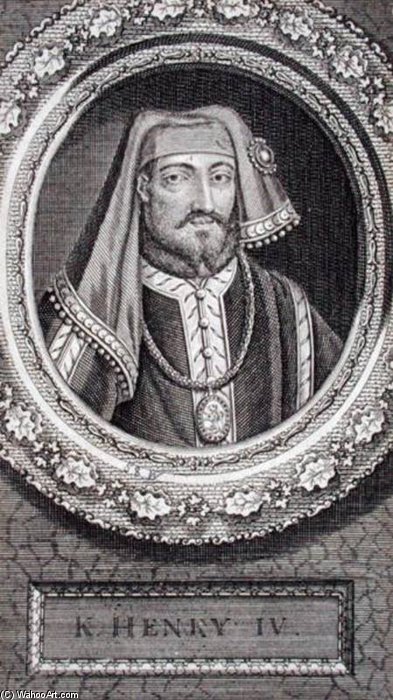
Henry Iv )

 Rozwiń treść
Ręcznie malowana reprodukcja olejowa
Ręcznie malowany obraz olejny na płótnie, wykonany na zamówienie przez naszych artystów w wybranym przez Ciebie wymiarze i oprawie. ( Przełącz na wydania drukowane Przejdź do wersji cyfrowej)




































Wybierz spośród naszych standardowych rozmiarów, które zachowują oryginalne proporcje dzieła sztuki.

Wpisz wymaganą szerokość i wysokość, aby obraz pasował do Twojej ramy lub ściany. Ponieważ jest to dzieło malowane ręcznie, w przypadku rozmiaru o innych proporcjach artysta może domalować nieco więcej wokół obrazu lub przyciąć jego fragmenty — wybór należy do Ciebie. Przed rozpoczęciem pracy prześlemy Ci cyfrową wizualizację do zatwierdzenia. Obraz widoczny na tej stronie nie przedstawia rzeczywistego efektu — jedynie wizualizacja oddaje realny rezultat.
Po złożeniu zamówienia zespół OriginalUniqueArt.com skontaktuje się z klientem drogą mailową w celu uzyskania instrukcji i prześle wizualizację projektu
Dostawa na całym świecie () w ciągu 3–4 tygodni zamiast standardowych 5 tygodni. (25 Październik). Bez kompromisów w kwestii jakości.

Bezpłatna ekspresowa wysyłka na cały świat

Wysokiej jakości płótno lniane

Pełne ubezpieczenie przesyłki

Gwarancja zwrotu należności celnych i podatków importowych

Gwarancja wiernego odwzorowania kolorów

100-dniowa polityka zwrotów (tylko w przypadku wad)

Gwarancja 100% zwrotu pieniędzy

Zniżka przy zakupie wielu sztuk
 Opcja ze szkłem jest dostępna wyłącznie w rozmiarach poniżej 110 cm

Henry Iv )
Technika reprodukcji
Wymiary reprodukcji
-


Cena całkowita
zł 1151
Biografia artysty
George Vertue: The Chronicler of British Art
George Vertue (1684 – 1756) stands as a singular figure in the annals of English engraving and antiquarian scholarship, an artist whose meticulous observations and painstaking reproductions cemented his place as a pivotal contributor to the burgeoning aesthetic sensibilities of the Enlightenment. More than merely a craftsman adept at transferring images from canvas to plate, Vertue was a historian, a collector, and a fervent advocate for preserving Britain’s artistic heritage—a role that profoundly shaped our understanding of the era's visual culture. Born in London amidst the Catholic fervor of his family, Vertue’s early life instilled within him a deep appreciation for detail and accuracy – qualities that would become hallmarks of his artistic practice and intellectual pursuits. His apprenticeship under Michael Vandergucht, a German engraver whose fortunes swiftly declined, provided invaluable experience in mastering the technical skills required to produce exceptional prints. However, it was his association with Godfrey Kneller’s Academy of Painting—where he collaborated closely with Thomas Gibson—that truly nurtured his artistic vision and fostered connections within London's intellectual elite. Gibson’s influence extended beyond mere instruction; Vertue absorbed Gibson’s stylistic sensibilities, particularly his masterful handling of chiaroscuro and his ability to convey psychological depth in portraiture. This careful attention to tonal gradation became a defining characteristic of Vertue’s engravings, mirroring Gibson’s commitment to capturing the essence of human emotion through visual representation. Vertue’s passion for antiquarian research transcended his professional duties as an engraver. Driven by a desire to document the artistic achievements of Britain's past—particularly those predating the Elizabethan Renaissance—he embarked on a systematic endeavor to compile comprehensive notebooks filled with sketches, drawings, and detailed descriptions of artworks. These notebooks constitute an unparalleled resource for historians studying British art during Vertue’s lifetime, offering invaluable insights into stylistic trends, patronage networks, and artistic tastes. His membership in the Rose and Crown Club alongside luminaries like William Hogarth and Peter Tillmans underscores his position at the forefront of London's artistic discourse. Furthermore, expeditions undertaken with figures such as Edward Harley and Lord Coleraine yielded remarkable visual records of sites across England—a testament to Vertue’s dedication to firsthand observation and scholarly investigation. He meticulously documented Roman sculptures in Pompeii and Herculaneum, capturing their grandeur and preserving them for future generations. Vertue’s contribution to British art history reached its zenith through his involvement in *Vetusta Monumenta*, a monumental project aimed at reconstructing Britain's artistic past. He undertook the daunting task of engraving numerous illustrations from classical texts and medieval manuscripts, ensuring their faithful reproduction for posterity. Following the death of Earl Harley, Vertue benefited from the patronage of Duchess Portland and Frederick, Prince of Wales—the latter commissioning portraits after Van Dyck and recognizing Vertue’s exceptional talent as an engraver. Notably, a portrait of Vertue himself was painted by Gibson in 1715, and his widow generously donated it to the Society of Antiquaries – demonstrating Vertue's enduring legacy within the artistic community. His engraving of Gibson’s portrait stands as a poignant reminder of their collaborative relationship and Gibson’s admiration for Vertue’s artistic prowess. George Vertue’s legacy extends far beyond his technical achievements; he is remembered primarily as a champion of British art history, whose meticulous notebooks continue to inspire scholars today. He played an instrumental role in shaping the aesthetic sensibilities of his time—particularly through his association with Horace Walpole and *Anecdotes of Painting*, establishing himself as one of the foremost figures in documenting and disseminating knowledge about Britain’s artistic heritage. His work remains a cornerstone of understanding the visual culture of the eighteenth century, securing his place among the most influential artists and historians of the era. He was particularly celebrated for his contribution to Walpole's *Anecdotes of Painting*, where he meticulously recorded details about artworks and their provenance—a project that profoundly impacted the development of art historical scholarship.
George Vertue
1684 - 1756 , Wielka Brytania
Krótka nota
- Artistic Movement Or Style: Grafika portretowa
- Artists Or Movements Influenced By This Artist: ['Horace Walpole']
- Artists Who Influenced This Artist:
- Michael Vandergucht
- Thomas Gibson
- Date Of Birth: 1684
- Date Of Death: 1756
- Full Name: George Vertue
- Nationality: Angielski
- Notable Artworks:
- William Croft Engraving
- Ben Jonson Engraving
- Portrét Fryderyka
- Place Of Birth: Londyn, Wielka Brytania