

 Zobacz w skali 1:1
 Wyślij
 Udostępnij
 Szczegóły
 Przewodnik

 Pobierz plik obrazu
 Podobne obiekty
 RTG
RTG Pokaz slajdów
 Statystyki
Winter - High Bridge Park


 Czytaj więcej
Giclée / Wydruk artystyczny
Wydruki giclée lub płótna o jakości muzealnej, szybka realizacja i szeroki wybór opcji wykończenia. ( Kup ręcznie malowany obraz Przełącz na wersję cyfrową)




P118B zł10

P118H zł10

P118W zł10

P438Z zł10

P508JH zł12

P508YH zł12

P805H zł10

P805Z zł10

P919BZ zł10

P919G zł10

P919XJ zł10

P959ZH zł10

P968JZ zł12

W106C zł8

W218G zł10

W218JH zł8

W218Y zł10

W307PJ zł10

W316G zł10

W316PJ zł8

W316Y zł10

W398PJ zł8

W4111J zł10

W500HY zł15

W500JH zł15

W692G zł12

W849H zł8

W940BG zł15

W953PJ zł8




Wybierz spośród naszych standardowych rozmiarów, które zachowują oryginalne proporcje dzieła sztuki.

Wpisz wymaganą szerokość i wysokość, aby dopasować grafikę do ramy lub ściany. Wydruk można jedynie przyciąć, nigdy nie powiększając go poza oryginalny obraz, dlatego format o innym proporcji spowoduje utratę części kompozycji. Przed rozpoczęciem druku prześlemy Ci cyfrowy podgląd do zatwierdzenia. Obraz wyświetlany na tej stronie nie pokazuje rzeczywistego przycięcia — jedynie podgląd oddaje ten efekt.
Dostawa na cały świat () w ciągu 2 tygodni zamiast standardowych 4/5 tygodni. (24 Październik)

Bezpłatna ekspresowa wysyłka na cały świat

Wysokiej jakości płótno lniane

Pełne ubezpieczenie transportowe

Gwarancja zwrotu należności celnych i podatków importowych

Gwarancja idealnego odwzorowania barw

100-dniowy okres na zwrot dzieła w przypadku wykrycia wad produkcyjnych

Gwarancja 100% zwrotu pieniędzy

Oferta przy zakupie wielu sztuk
 Opcja ze szkłem jest dostępna wyłącznie w rozmiarach poniżej 110 cm

Winter - High Bridge Park
Giclée / Wydruk artystyczny
Rozmiar reprodukcji
-


Suma do zapłaty
zł 308
A Winter’s Embrace: George Benjamin Luks' “Winter - High Bridge Park”
George Benjamin Luks’ “Winter – High Bridge Park,” painted in 1912, stands as a cornerstone of American Impressionism and a poignant snapshot of urban life at the dawn of the century. Currently residing within the esteemed halls of The High Museum of Art in Atlanta, Georgia, this canvas transcends mere depiction; it embodies a spirit of joyous resilience against the backdrop of a snowy New York City winter. Its enduring appeal lies not only in its visual beauty but also in Luks’s masterful ability to distill complex emotions into a deceptively simple composition.The Canvas Speaks Volumes: Style and Technique
Luks' approach to painting is distinctly Impressionistic, prioritizing fleeting moments of light and color over meticulous detail. Unlike the academic traditions prevalent at the time, he eschewed polished surfaces for bold brushstrokes—a technique that lends the scene an immediacy and dynamism rarely found in art history. Thick impasto creates textural richness, capturing the crispness of freshly fallen snow and conveying a palpable sense of movement. The artist’s palette is vibrant yet restrained, favoring hues of blues, whites, and yellows to illuminate the winter landscape and imbue it with warmth despite the frigid temperatures. Careful observation informs every mark on the canvas; Luks meticulously captures the interplay of light reflecting off buildings and snowdrifts—a testament to his dedication to capturing the essence of a particular moment in time.A Moment Frozen in Time: Historical Context
Painted during a period of significant social change, “Winter – High Bridge Park” reflects the burgeoning optimism of the early 20th century amidst anxieties surrounding industrialization and urbanization. The painting captures a scene from Central Park—a deliberate choice by Luks to portray an everyday aspect of American life, elevating it to artistic significance. It’s important to note that Luks was deeply invested in portraying the lives of ordinary people – laborers, immigrants, and families – often depicting them with unflinching honesty and compassion. This commitment to realism aligns perfectly with the broader movement toward capturing authentic experiences rather than idealized narratives. The High Museum's acquisition underscores the importance of preserving artworks that document pivotal moments in cultural history.Symbolism Beneath the Surface
Beyond its aesthetic qualities, “Winter – High Bridge Park” carries symbolic weight. The snow itself represents purity and renewal—a visual metaphor for overcoming hardship and embracing new beginnings. The children sledding symbolize youthful exuberance and carefree joy, contrasting sharply with the darker realities of industrial society. Even the horse pulling a sleigh contributes to this duality, representing tradition alongside progress. Luks’s deliberate inclusion of these elements invites contemplation on themes of resilience, community spirit, and the beauty found in simple pleasures—themes that resonate powerfully even today.Emotional Resonance: Capturing the Soul of Winter
Ultimately, “Winter – High Bridge Park” succeeds in conveying a profound emotional impact. The painting evokes feelings of warmth, nostalgia, and wonder—drawing viewers into a scene brimming with life and vitality. Luks’s masterful brushwork captures not just what is seen but also how it feels—creating an immersive experience that transcends mere visual representation. It's this ability to communicate emotion effectively that secures its place as a beloved masterpiece of American Impressionism, continuing to inspire admiration and contemplation generations after its creation.Pytania i odpowiedzi
Jak mogę odkryć dzieła zbliżone do „Winter - High Bridge Park” autorstwa George Luks?
Dzieła podobne do „Winter - High Bridge Park” znajdują się na stronie Podobne dzieła danego dzieła.
Czy „Winter - High Bridge Park” autorstwa George Luks to obraz, rysunek czy grafika?
W katalogu dzieło „Winter - High Bridge Park” autorstwa George Luks zostało sklasyfikowane jako WallArt. Kategoria ta ułatwia odnajdywanie podobnych prac.
Czy prawa autorskie do „Winter - High Bridge Park” autorstwa George Luks pozwalają na tworzenie reprodukcji?
Status praw autorskich do dzieła „Winter - High Bridge Park” autorstwa George Luks jest jasny: utwór znajduje się w stanowi domenę publiczną – autorskie prawa majątkowe wygasły. Jego obecność w High Museum of Art nie zmienia tego stanu rzeczy.
Biografia artysty
A Life Forged in the Crucible of American Realism
George Benjamin Luks, a name now inextricably linked to the vibrant and often gritty reality of early 20th-century America, was far more than just a painter; he was a keen observer, a chronicler of his time, and a powerful voice for those frequently overlooked. Born in Williamsport, Pennsylvania, in 1867, into a family steeped in both Polish and German heritage – his father a physician and apothecary, his mother an amateur musician – Luks’s formative years were shaped by the stark contrasts of rural life alongside the burgeoning industrial landscape of the coal-mining region. This early exposure to hardship and resilience would profoundly influence his artistic vision, driving him to capture the essence of everyday people and their struggles with unflinching honesty. His childhood was punctuated by a surprising detour into the world of vaudeville, where he and his brother honed their performance skills, developing an acute awareness of human behavior and the art of captivating an audience – skills that would later translate seamlessly into his paintings.Early Influences and European Studies
Luks’s formal artistic education began at the Pennsylvania Academy of the Fine Arts in Philadelphia, but it was his subsequent travels to Europe that truly ignited his creative spirit. He immersed himself deeply within the works of the Old Masters – particularly Velázquez and Hals – absorbing their mastery of light, shadow, and the ability to convey profound emotion through seemingly simple compositions. These encounters weren’t merely acts of imitation; they were a process of synthesis, as Luks began to develop his own unique style, informed by both classical tradition and a burgeoning desire to capture the dynamism of modern life. He spent time in Düsseldorf, Germany, studying at the prestigious Düsseldorf School of Art, where he was exposed to a different approach to painting – one emphasizing bold brushwork and a direct engagement with the subject matter. This period solidified his commitment to realism and fueled his ambition to depict the world as he saw it, without embellishment or romanticization. Manet’s influence also played a significant role in shaping Luks's artistic sensibilities, particularly his interest in capturing fleeting moments of urban life.The Rise of the Ashcan School and New York City
Upon returning to America, Luks found work as an illustrator for various newspapers and magazines, including *Puck*, *Truth*, and *The Verdict*. This experience proved invaluable, exposing him to the bustling streets, diverse populations, and often-overlooked realities of urban life in Philadelphia. Crucially, it connected him with a group of like-minded artists – Robert Henri, John Sloan, William Glackens, and others – who shared a rejection of the conservative values of the National Academy of Design and a desire to create art that reflected the experiences of ordinary Americans. This collective spirit gave rise to what became known as the Ashcan School, a movement characterized by its gritty realism, focus on urban subjects, and willingness to depict the less glamorous aspects of city life. Luks quickly embraced this new artistic direction, finding his voice within the group’s shared commitment to portraying the truth, however uncomfortable it might be.Capturing the Soul of New York: Paintings and Illustrations
Luks's paintings are instantly recognizable for their energetic brushwork, bold compositions, and unflinching portrayal of urban life in New York City. He didn’t shy away from depicting poverty, hardship, and social inequalities – subjects that were often ignored by mainstream artists. His subjects ranged from cab drivers and street performers to laborers and ordinary people going about their daily routines. Works like *The Cabby* are not simply depictions of individuals; they're imbued with a sense of dignity and resilience in the face of adversity. Similarly, *Sulky Boy* captures the vulnerability and introspection of youth with remarkable sensitivity. His technique was as distinctive as his subject matter – he employed a thick impasto style, applying paint liberally to the canvas, creating a textured surface that seemed to vibrate with energy. Luks’s use of color was often muted, reflecting the grimy realities of urban life, but punctuated by flashes of brilliance that drew the viewer's eye and added depth to his compositions. He also worked as a cartoonist for *The New York World*, continuing the popular comic strip “Hogan’s Alley” after its creator, Richard F. Outcault, had moved on.A Legacy of Realism and Social Commentary
George Benjamin Luks died in 1933, leaving behind a remarkable body of work that continues to resonate with viewers today. He wasn't simply documenting reality; he sought to convey its emotional weight, its inherent drama. His paintings are not merely historical documents; they are powerful testaments to the human condition, reminders of the struggles and triumphs of those whose stories might otherwise have been forgotten. Luks’s legacy extends beyond his individual artistic achievements – he was a passionate advocate for American art and artists, teaching at the Art Students League and inspiring generations of young painters to embrace their own unique voices and perspectives. His influence can be seen in the work of countless subsequent artists who sought to capture the spirit of the urban experience, solidifying his place as a pivotal figure in American art history.
George Luks
1867 - 1933 , Stany Zjednoczone
Najważniejsze informacje
- Artistic Movement Or Style: Ashcan School, Realizm
- Artists Or Movements Influenced By This Artist: ['American Modernism']
- Artists Who Influenced This Artist:
- Velázquez
- Hals
- Manet
- Date Of Birth: 1867
- Date Of Death: 1933
- Full Name: George Benjamin Luks
- Nationality: Amerykański
- Notable Artworks:
- The Cabby
- Sulky Boy
- Place Of Birth: Williamsport, USA
Zobacz także powiązane artykuły

Paul Cézanne: 25 Arcydzieł, które Zrewolucjonizowały Świat Sztuki | OriginalUniqueArt
Odkryj 25 arcydzieł Paula Cézanne'a – od impresjonizmu po postimpresjonizm. Poznaj historie, techniki i inspiracje malarza, który zrewolucjonizował sztukę. Reprodukcje obrazów najwyższej jakości na OriginalUniqueArt.com!

Georges Braque: 25 Arcydzieł Kubizmu i Nowoczesnej Sztuki | OriginalUniqueArt.com
Odkryj 25 arcydzieł Georges'a Braque – pioniera kubizmu i malarstwa nowoczesnego. Poznaj historię, techniki i inspiracje za jego najsłynniejszymi obrazami. Reprodukcje najwyższej jakości na OriginalUniqueArt.com! Eksploruj pełną kolekcję online.
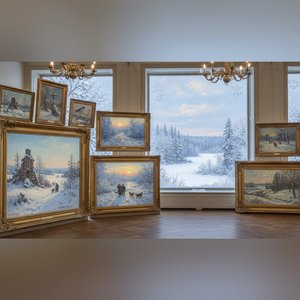
Śnieżne arcydzieła: Top 10 słynnych obrazów w bieli – inspiracje do wnętrz | OriginalUniqueArt.pl
Odkryj 10 najsłynniejszych obrazów w śnieżnej tonacji! Claude Monet, Van Gogh i Munch – historie arcydzieł, techniki malarskie i inspiracje do wnętrz. Reprodukcje najwyższej jakości na OriginalUniqueArt.com. Eksploruj kolekcję online!

Georges Seurat: 25 Arcydzieł Punktalizmu dla Twojego Domu | OriginalUniqueArt.com
Odkryj 25 arcydzieł Georges'a Seurata! Poznaj historię punktalizmu, impresjonistyczne pejzaże i fascynującą technikę malarską. Reprodukcje obrazów najwyższej jakości na OriginalUniqueArt.com – inspiracje do Twojego wnętrza. Eksploruj pełną kolekcję online!

Impressionizm w Obrazach: 10 Arcydzieł Pełnych Światła i Koloru | OriginalUniqueArt
Odkryj 10 arcydzieł impresjonizmu! Poznaj historie Claude Moneta, Degasa i Van Gogha. Reprodukcje obrazów najwyższej jakości – pejzaże pełne światła i koloru do Twojego wnętrza. OriginalUniqueArt.
