
 Podgląd w skali
 Wyślij jako kartkę
 Udostępnij
 Szczegóły dzieła

 Pobierz
 Podobne obiekty
 RTG
RTG Pokaz slajdów
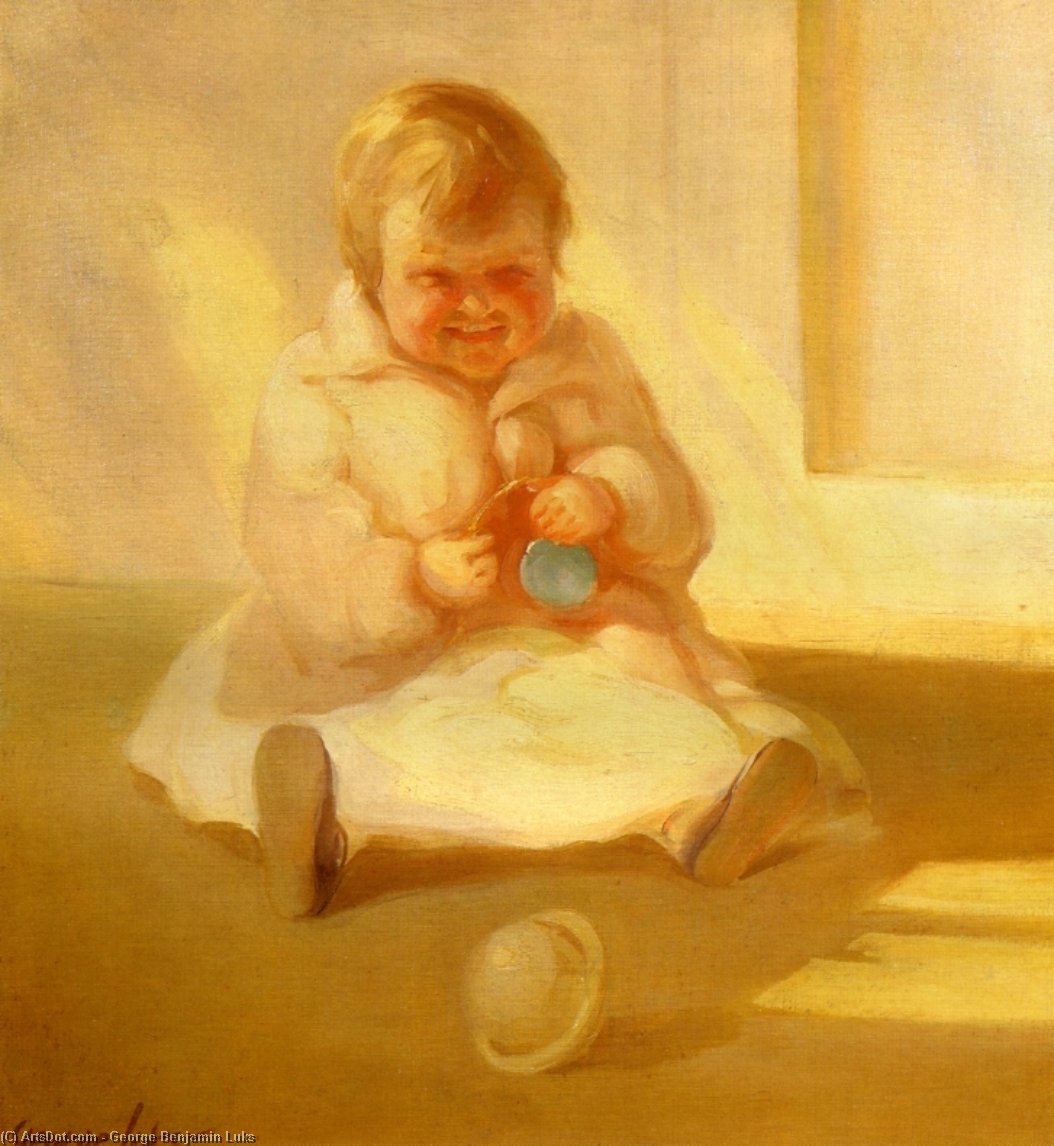
Child with a Toy


 Rozwiń treść
Ręcznie malowana reprodukcja olejowa
Ręcznie malowany obraz olejny na płótnie, wykonany na zamówienie przez naszych artystów w wybranym przez Ciebie wymiarze i oprawie. ( Zamów wydruk Kup obraz wysokiej rozdzielczości)




P118B $10

P118H $10

P118W $10

P438Z $10

P508JH $12

P508YH $12

P805H $10

P805Z $10

P919BZ $10

P919G $10

P919XJ $10

P959ZH $10

P968JZ $12

W106C $8

W218G $10

W218JH $8

W218Y $10

W307PJ $10

W316G $10

W316PJ $8

W316Y $10

W398PJ $8

W4111J $10

W500HY $15

W500JH $15

W692G $12

W849H $8

W940BG $15

W953PJ $8




Wybierz spośród naszych standardowych rozmiarów, które zachowują oryginalne proporcje dzieła sztuki.

Możesz wprowadzić własne wymiary, aby dopasować obraz do konkretnej ramy lub przestrzeni. Jeśli wybrany rozmiar nie będzie odpowiadał proporcjom oryginału, przytniecie dzieło sztuki lub rozszerzymy je o dodatkowe elementy, ręcznie domalowane przez artystę. Przed rozpoczęciem produkcji wyślemy projekt cyfrowy do Twojej akceptacji.
Należy pamiętać, że podgląd na ekranie nie odzwierciedla rzeczywistego przycinania ani rozszerzania obrazu. Tylko projekt dokładnie pokaże ostateczną kompozycję.
Choć oferujemy możliwość zamówienia niestandardowych rozmiarów, zalecamy wybór wymiaru z gotowej listy, aby zachować oryginalne proporcje dzieła.
Po złożeniu zamówienia zespół OriginalUniqueArt.com skontaktuje się z klientem drogą mailową w celu uzyskania instrukcji i prześle wizualizację projektu
Dostawa na całym świecie () w ciągu 3–4 tygodni zamiast standardowych 5 tygodni. (16 Sierpień). Bez kompromisów w kwestii jakości.

Bezpłatna ekspresowa wysyłka na cały świat

Wysokiej jakości płótno lniane

Pełne ubezpieczenie przesyłki

Gwarancja zwrotu należności celnych i podatków importowych

Gwarancja wiernego odwzorowania kolorów

Polityka 60-dniowego zwrotu (tylko w przypadku wad)

Gwarancja 100% zwrotu kosztów

Zniżka przy zamówieniu wielu produktów
 Opcja ze szkłem jest dostępna wyłącznie w rozmiarach poniżej 110 cm

Child with a Toy
Technika reprodukcji
Wymiary reprodukcji
-


Cena całkowita
$ 300
Opis dzieła
The Unscripted Joy of Childhood in Luks' Vision
George Benjamin Luks’s Child with a Toy, painted in 1919, transports the viewer into a moment suspended between pure play and quiet contemplation. It is more than just a depiction of a child; it is an eloquent meditation on innocence itself. The composition centers around a young figure seated upon the floor, their attention wholly captured by a simple toy held close. This immediate focus draws the eye deep into the heart of the scene, inviting us to share in the child's private world of make-believe. Luks masterfully captures that fleeting, luminous quality of childhood joy—a vibrancy that seems almost palpable through the canvas.
A Study in Light and Expressive Brushwork
Technically, the painting is a vibrant testament to early 20th-century American realism infused with an expressive energy. Luks employs natural light, seemingly streaming in from an unseen window, which bathes the scene in a warm, inviting glow. This use of illumination does not merely brighten the canvas; it sculpts the atmosphere, adding depth and a golden patina to every surface. Observe the brushstrokes: they are confident, visible, and wonderfully alive. They speak of Luks’ background—an artist whose hand was trained by the immediacy of vaudeville and the grit of everyday life. This expressive handling prevents the scene from feeling static; instead, it pulses with the quiet energy of a moment just lived.
Context and Character: The American Spirit
To understand Child with a Toy is to appreciate its historical grounding in America at the turn of the century. Luks was deeply attuned to the lives of ordinary people, chronicling both their struggles and their moments of profound grace. While his earlier works often captured rural scenes, here he focuses on an intimate domestic tableau. The presence of other figures subtly positioned on either side suggests a community observing this private rite of play—a gentle reminder that even in solitude, we are observed by the warmth of human connection. It speaks to a resilient American spirit finding joy amidst the everyday.
Emotional Resonance for the Modern Collector
For the art lover or interior designer seeking a piece that breathes life into a space, this reproduction offers profound emotional resonance. The bold yet harmonious color palette—rich with warm tones and vibrant accents—makes it an immediate focal point. Owning a hand-painted reproduction of Child with a Toy is acquiring not just paint on canvas, but a tangible piece of American artistic history. It serves as a perpetual reminder to pause, to notice the small wonders, and to celebrate the enduring magic found in simple play.
O artyście
A Life Forged in the Crucible of American Realism
George Benjamin Luks, a name now inextricably linked to the vibrant and often gritty reality of early 20th-century America, was far more than just a painter; he was a keen observer, a chronicler of his time, and a powerful voice for those frequently overlooked. Born in Williamsport, Pennsylvania, in 1867, into a family steeped in both Polish and German heritage – his father a physician and apothecary, his mother an amateur musician – Luks’s formative years were shaped by the stark contrasts of rural life alongside the burgeoning industrial landscape of the coal-mining region. This early exposure to hardship and resilience would profoundly influence his artistic vision, driving him to capture the essence of everyday people and their struggles with unflinching honesty. His childhood was punctuated by a surprising detour into the world of vaudeville, where he and his brother honed their performance skills, developing an acute awareness of human behavior and the art of captivating an audience – skills that would later translate seamlessly into his paintings.Early Influences and European Studies
Luks’s formal artistic education began at the Pennsylvania Academy of the Fine Arts in Philadelphia, but it was his subsequent travels to Europe that truly ignited his creative spirit. He immersed himself deeply within the works of the Old Masters – particularly Velázquez and Hals – absorbing their mastery of light, shadow, and the ability to convey profound emotion through seemingly simple compositions. These encounters weren’t merely acts of imitation; they were a process of synthesis, as Luks began to develop his own unique style, informed by both classical tradition and a burgeoning desire to capture the dynamism of modern life. He spent time in Düsseldorf, Germany, studying at the prestigious Düsseldorf School of Art, where he was exposed to a different approach to painting – one emphasizing bold brushwork and a direct engagement with the subject matter. This period solidified his commitment to realism and fueled his ambition to depict the world as he saw it, without embellishment or romanticization. Manet’s influence also played a significant role in shaping Luks's artistic sensibilities, particularly his interest in capturing fleeting moments of urban life.The Rise of the Ashcan School and New York City
Upon returning to America, Luks found work as an illustrator for various newspapers and magazines, including *Puck*, *Truth*, and *The Verdict*. This experience proved invaluable, exposing him to the bustling streets, diverse populations, and often-overlooked realities of urban life in Philadelphia. Crucially, it connected him with a group of like-minded artists – Robert Henri, John Sloan, William Glackens, and others – who shared a rejection of the conservative values of the National Academy of Design and a desire to create art that reflected the experiences of ordinary Americans. This collective spirit gave rise to what became known as the Ashcan School, a movement characterized by its gritty realism, focus on urban subjects, and willingness to depict the less glamorous aspects of city life. Luks quickly embraced this new artistic direction, finding his voice within the group’s shared commitment to portraying the truth, however uncomfortable it might be.Capturing the Soul of New York: Paintings and Illustrations
Luks's paintings are instantly recognizable for their energetic brushwork, bold compositions, and unflinching portrayal of urban life in New York City. He didn’t shy away from depicting poverty, hardship, and social inequalities – subjects that were often ignored by mainstream artists. His subjects ranged from cab drivers and street performers to laborers and ordinary people going about their daily routines. Works like *The Cabby* are not simply depictions of individuals; they're imbued with a sense of dignity and resilience in the face of adversity. Similarly, *Sulky Boy* captures the vulnerability and introspection of youth with remarkable sensitivity. His technique was as distinctive as his subject matter – he employed a thick impasto style, applying paint liberally to the canvas, creating a textured surface that seemed to vibrate with energy. Luks’s use of color was often muted, reflecting the grimy realities of urban life, but punctuated by flashes of brilliance that drew the viewer's eye and added depth to his compositions. He also worked as a cartoonist for *The New York World*, continuing the popular comic strip “Hogan’s Alley” after its creator, Richard F. Outcault, had moved on.A Legacy of Realism and Social Commentary
George Benjamin Luks died in 1933, leaving behind a remarkable body of work that continues to resonate with viewers today. He wasn't simply documenting reality; he sought to convey its emotional weight, its inherent drama. His paintings are not merely historical documents; they are powerful testaments to the human condition, reminders of the struggles and triumphs of those whose stories might otherwise have been forgotten. Luks’s legacy extends beyond his individual artistic achievements – he was a passionate advocate for American art and artists, teaching at the Art Students League and inspiring generations of young painters to embrace their own unique voices and perspectives. His influence can be seen in the work of countless subsequent artists who sought to capture the spirit of the urban experience, solidifying his place as a pivotal figure in American art history.
George Luks
1867 - 1933 , Stany Zjednoczone
Krótka nota
- Artistic Movement Or Style: Ashcan School, Realizm
- Artists Or Movements Influenced By This Artist: ['American Modernism']
- Artists Who Influenced This Artist:
- Velázquez
- Hals
- Manet
- Date Of Birth: 1867
- Date Of Death: 1933
- Full Name: George Benjamin Luks
- Nationality: Amerykański
- Notable Artworks:
- The Cabby
- Sulky Boy
- Place Of Birth: Williamsport, USA
Powiązane artykuły

Amerykański Realizm: 10 Arcydzieł, Które Zdefiniowały Epokę | OriginalUniqueArt
Poznaj 10 arcydzieł amerykańskiego realizmu! Odkryj historie Winslowa Homera, Edwarda Hoppera i innych mistrzów. Reprodukcje obrazów najwyższej jakości – inspiracje do Twojego wnętrza na OriginalUniqueArt.com
Amerykański Realizm: Społeczny Komentarz i Artystyczna Reprezentacja Początku XX Wieku
Odkryj amerykański realizm! Poznaj historie mistrzów i ich arcydzieła odzwierciedlające życie codzienne, pracę i zmieniającą się Amerykę. Inspiracje do Twojego wnętrza na OriginalUniqueArt.com.

The Unvarnished Truth: A Cultural Journey Through the Soul of American Realism
Explore the profound beauty of American Realism. From the Ashcan School's urban grit to intimate portraits, discover how artists captured the authentic soul of a nation through unvarnished truth and masterful observation.
American Realism: Capturing the Raw Soul of a Nation Through the Lens of Art History
Explore the profound depth of American Realism. From the gritty Ashcan School to poignant social landscapes, discover how masters captured the raw soul of a nation through evocative oil paintings and timeless art history.
Szkoła Ashcan: Realizm miejski i demokratyzacja sztuki amerykańskiej
Poznaj Szkołę Ashcan – rewolucyjny ruch artystyczny, który zdemokratyzował amerykańską sztukę na początku XX wieku. Analiza twórczości Henriego i jego uczniów, wpływ na realizm społeczny oraz dziedzictwo tego wyjątkowego nurtu.


