Zobacz w skali 1:1
 Wyślij
 Udostępnij
 Szczegóły
 Przewodnik

 Pobierz plik obrazu
 Podobne obiekty
 RTG
RTG Pokaz slajdów
 Statystyki
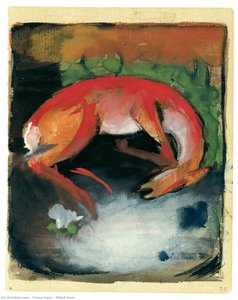
Zabity Jeleń
 Akryl na płótnie
- Sztuka ścienna
- Ekspresjonizm
 Nowoczesność
 13.0 x 16.0 cm
 Franz Marc Museum
 Czytaj więcej
Giclée / Wydruk artystyczny
Wydruki giclée lub płótna o jakości muzealnej, szybka realizacja i szeroki wybór opcji wykończenia. ( Kup ręcznie malowany obraz Przełącz na wersję cyfrową)




P118B zł10

P118H zł10

P118W zł10

P438Z zł10

P508JH zł12

P508YH zł12

P805H zł10

P805Z zł10

P919BZ zł10

P919G zł10

P919XJ zł10

P959ZH zł10

P968JZ zł12

W106C zł8

W218G zł10

W218JH zł8

W218Y zł10

W307PJ zł10

W316G zł10

W316PJ zł8

W316Y zł10

W398PJ zł8

W4111J zł10

W500HY zł15

W500JH zł15

W692G zł12

W849H zł8

W940BG zł15

W953PJ zł8




Wybierz spośród naszych standardowych rozmiarów, które zachowują oryginalne proporcje dzieła sztuki.

Wpisz wymaganą szerokość i wysokość, aby dopasować grafikę do ramy lub ściany. Wydruk można jedynie przyciąć, nigdy nie powiększając go poza oryginalny obraz, dlatego format o innym proporcji spowoduje utratę części kompozycji. Przed rozpoczęciem druku prześlemy Ci cyfrowy podgląd do zatwierdzenia. Obraz wyświetlany na tej stronie nie pokazuje rzeczywistego przycięcia — jedynie podgląd oddaje ten efekt.
Dostawa na cały świat () w ciągu 2 tygodni zamiast standardowych 4/5 tygodni. (21 Październik)

Bezpłatna ekspresowa wysyłka na cały świat

Wysokiej jakości płótno lniane

Pełne ubezpieczenie transportowe

Gwarancja zwrotu należności celnych i podatków importowych

Gwarancja idealnego odwzorowania barw

100-dniowy okres na zwrot dzieła w przypadku wykrycia wad produkcyjnych

Gwarancja 100% zwrotu pieniędzy

Oferta przy zakupie wielu sztuk
 Opcja ze szkłem jest dostępna wyłącznie w rozmiarach poniżej 110 cm

Zabity Jeleń
Giclée / Wydruk artystyczny
Rozmiar reprodukcji
-


Suma do zapłaty
zł 304
Nastrojone piękno „Zabity Jeleń”: Okno do duszy Francza Marca
„Zabity Jeleń” Francza Marca, namalowany w 1913 roku, to nie tylko przedstawienie martwego zwierzęcia; to głęboka medytacja nad życiem, śmiercią i duchową więzią łączącą ludzkość z naturą. Choć płótno ma zaledwie 13 x 16 centymetrów, kryje w sobie ogromny ciężar emocjonalny, odzwierciedlając fundamenty filozofii artystycznej Marca – dążenie do uchwycenia istoty egzystencji poprzez kolor i formę, często czerpiąc inspirację ze świata zwierząt jako symbolu niewinności i pierwotnej prawdy. Obraz natychmiły przyciąga wzrok uderzającym kontrastem: żywa, czerwona lis leży bezwładnie na stonowanym, niemal onirycznym krajobrazie, z głową pochyloną w geście, który można odczytać jako cierpienie lub ostateczną akceptację.
Styl Marca jest niezaprzeczalnie ekspresjonistyczny, lecz wykracza poza zwykły emocjonalizm. Artysta posługuje się odważnymi, spłaszczonymi formami i intensywnie nasyconymi barwami – ognistą czerwienią lisa zestawioną z chłodnymi błękitami i zielenie tła – nie dla samego efektu wizualnego, lecz by przekazać głębszy sens symboliczny. Pociągnięcia pędzla są swobodne i gesturalne, co buduje atmosferę kruchości i bezpośredniości. Technika ta została silnie ukształtowana przez czas spędzony w Paryżu, gdzie artysta zetknął się z dziełami Vincenta van Gogha, którego ekspresyjne użycie koloru i emocjonalna intensywność głęboko rezonowały z własną wizją twórczą Marca.
Dekodowanie symboliki: Lis i krajobraz
Sam lis stanowi centralny element interpretacji symbolicznej. W twórczości Marca zwierzęta często reprezentują ludzkość – jej bezbronność, instynkt oraz więź z ziemią. Tutaj lis ucieleśnia istotę zawieszoną między życiem a śmiercią, odzwierciedlając być może lęki i niepewności epoki. Jeleń, tradycyjnie kojarzony z łagodnością i gracją, leży pod nim bez życia, co sugeruje utratę niewinności lub naruszenie naturalnego porządku. Stonowany krajobraz, pozbawiony detali, sprawia wrażenie niemal nadprzyrodzonego, potęgując poczucie melancholii i ponadczasowości obrazu.
Co więcej, użycie koloru przez Marca jest celowo nasycone znaczeniem. Dominująca czerwień – często utożsamiana z pasją, przemocą i krwią – natychmiast wprowadza dramatyczne napięcie. Zostaje ona jednak zestawiona z chłodniejszymi tonami, co sugeruje istnienie duchowej sfery wykraczającej poza bezpośrednią scenę. Niektórzy historycy sztuki wierzą, że błękity reprezentują tęsknotę za transcendencją lub więź z boskością, podczas gdy zielenie przywołują witalność natury. Gra tych barw tworzy złożony krajobraz emocjonalny w obrębie tego niewielkiego płótna.
Odzwierciedlenie epoki: Ekspresjonizm i duchowe poszukiwania
„Zabity Jeleń” powstał w okresie ogromnych przemian społecznych i politycznych w Niemczech – u progu I wojny światowej. Marc, podobnie jak wielu artystów swoich czasów, zmagał się z pytaniami o wiarę, śmiertelność i rolę człowieka w świecie przyrody. Jego duchowe poszukiwania, zakorzenione w kalwińskich wpływach jego wychowania, są wyczuwalne w całym jego dorobku. Obraz ten można postrzegać jako przejmujący wyraz tego wewnętrznego niepokoju – wizualną reprezentację kruchości życia i nieuchronności śmierci.
Miejsce tego dzieła w kontekście „Der Blaue Reiter” (Błękitnego Jeźdźca) – czasopisma, które Marc współzałożył z Wassilym Kandinskim – jeszcze bardziej podkreśla jego znaczenie. Grupa ta dążyła do zerwania z tradycyjną sztuką akademicką i poszukiwała nowych sposobów wyrażania doświadczeń duchowych poprzez kolor i formę. „Zabity Jeleń” jest doskonałym przykładem tego radykalnego podejścia, stawiającego rezonans emocjonalny ponad realistyczną reprezentację.
Zaproszenie „Zabitego Jelenia” do domu: Reprodukcja dla duszy
OriginalUniqueArt oferuje pieczołowicie wykonane ręcznie reprodukcje „Zabitego Jelenia” autorstwa Francza Marca, pozwalając Państwu doświadczyć głębokiego piękna i emocjonalnej głębi tego ikonicznego dzieła we własnej przestrzeni. Nasi utalentowani artyści odtwarzają charakterystyczny styl Marca, z niezwykłą dokładnością oddając wibrację jego kolorów oraz ekspresyjną jakość pociągnięć pędzla. Bez względu na to, czy zostanie on wyeksponowany jako centralny punkt dekoracyjny, czy jako kontemplacyjny dodatek do wnętrza, ta reprodukcja służy jako potężne przypomnienie o trwałych tajemnicach życia i śmierci – ponadczasowe świadectwo artystycznego geniuszu Francza Marca.
Pytania i odpowiedzi
Który kolor najbardziej wyróżnia się w "Zabity Jeleń"?
Kolorem, który najbardziej wyróżnia się w "Zabity Jeleń", jest Gliniany brąz (#915f3f). Dominujący kolor jest pomocny przy dopasowywaniu dzieła sztuki do wnętrza.
Czy „Zabity Jeleń” autorstwa Franz Marc to dzieło o jasnej czy ciemnej kolorystyce?
„Zabity Jeleń” charakteryzuje się ogólną jasnością na poziomie jasny, a jej luminancja wynosi Delikatna luminancja.
Jak popularne jest dzieło "Zabity Jeleń" w obrębie nurtu Ekspresjonizm?
W ramach nurtu Ekspresjonizm, dzieło „Zabity Jeleń” cechuje się poziomem popularności Ikoniczne.
Biografia artysty
A Life Immersed in Color and Spirit
Franz Moritz Wilhelm Marc, born in Munich in 1880, was a painter whose brief but intensely focused career irrevocably altered the course of German Expressionism. His story is one of profound spiritual seeking translated into a vibrant visual language, a quest to understand the essence of life through the purity he found in the natural world—particularly within the animal kingdom. Initially influenced by his father, Wilhelm Marc, a landscape painter, young Franz’s artistic path wasn't immediately certain. He briefly considered theology, grappling with questions of faith and existence before ultimately dedicating himself to art at the Academy of Fine Arts in Munich. These early explorations into religious thought would remain deeply embedded within his work, shaping his belief that art could be a conduit for spiritual experience. His academic training provided him with technical foundations, but it was encounters with the works of Vincent van Gogh during visits to Paris that truly ignited his artistic vision. Van Gogh’s emotive use of color and raw expression resonated profoundly with Marc, liberating him from conventional techniques and setting him on a path toward a more subjective and emotionally charged style.The Blue Rider and a New Artistic Vision
Marc's artistic development wasn’t solitary; it flourished within the dynamic context of early 20th-century Munich. He experimented with various artist groups, including the Neue Künstlervereinigung München, before co-founding *Der Blaue Reiter* (The Blue Rider) in 1911 alongside Wassily Kandinsky. This wasn’t merely a group or an exhibition series; it was a philosophical and artistic revolution. *Der Blaue Reiter* sought to move beyond mere representation, aiming instead to express inner spiritual truths through abstraction and symbolic color. The journal of the same name became a platform for disseminating these ideas, showcasing not only their own work but also that of other forward-thinking artists and exploring diverse cultural influences from folk art to primitive sculpture. Marc’s contributions during this period were pivotal. He moved away from depicting landscapes as static scenes, instead focusing on animals—horses, deer, foxes—as vessels of spiritual energy. These weren’t simply animal portraits; they were symbolic representations of innocence, harmony, and a connection to the natural world that he believed humanity had lost. The influence of Robert Delaunay’s exploration of abstract forms and vibrant colors further propelled Marc toward simplification and heightened emotional expression in his work. Paintings like *The Tiger* (1912) and *Red Deer* (1912) exemplify this shift, showcasing bold color choices and a growing focus on the inherent qualities of his subjects rather than realistic depiction.Symbolism, Color, and the Essence of Being
Marc’s artistic style is immediately recognizable for its distinctive use of color and form. He didn't employ color descriptively; instead, he imbued it with symbolic meaning. Blue represented spirituality and masculinity, yellow signified joy and femininity, and red embodied violence and materiality. These weren’t arbitrary choices but a carefully constructed system designed to convey specific emotional and philosophical ideas. His animals aren’t merely subjects; they are embodiments of these concepts. The simplification of forms—reducing figures to their essential shapes—further emphasized the underlying spiritual essence he sought to capture. *The Tower of Blue Horses* (1913), sadly lost during World War II, is perhaps the most iconic example of this approach, a powerful and evocative composition that encapsulates his artistic vision. He believed animals possessed an inherent purity and connection to nature that humans had forfeited through societal constraints and intellectualization. By portraying them with such reverence and symbolic weight, Marc sought to remind viewers of this lost harmony and inspire a deeper appreciation for the natural world. His work wasn’t about depicting *what* he saw but rather *how* he felt—a deeply personal and spiritual response to his surroundings.Influences and Development
Marc's artistic journey was shaped by a confluence of influences. Initially, his father’s landscape paintings instilled in him an appreciation for the beauty of nature. However, it was his exposure to Impressionism during his time in Paris that fundamentally altered his approach. The vibrant colors and fleeting moments captured by artists like Monet ignited within him a desire to express emotion through color rather than simply replicating reality. Van Gogh’s raw emotionality and expressive brushstrokes proved particularly transformative, liberating Marc from the constraints of academic tradition. He also drew inspiration from Symbolist art, which emphasized subjective experience and spiritual symbolism. The writings of Nietzsche and Schopenhauer, exploring themes of spirituality and existentialism, further informed his artistic vision. The encounter with Kandinsky within *Der Blaue Reiter* was crucial; their shared interest in abstraction and the exploration of inner states led to a collaborative dialogue that pushed both artists toward new creative horizons. Marc’s early works, characterized by meticulous detail and realistic depictions, gradually gave way to a more expressive style marked by simplified forms, bold colors, and symbolic imagery.A Tragic End and Lasting Legacy
The outbreak of World War I in 1914 dramatically altered Marc's life and artistic trajectory. Despite seeking exemption due to his status as an artist, he was drafted into the German army, serving as a cavalryman. The horrors of war deeply affected him, yet even amidst the chaos, he continued to paint, finding solace and meaning in his art. Tragically, Franz Marc died on March 4, 1916, at the Battle of Verdun, a devastating loss for the art world. His untimely death cut short a career brimming with potential, but it also cemented his place as a pivotal figure in modern art history. His work continues to resonate today, influencing generations of artists and captivating audiences with its emotional depth and spiritual resonance. Marc’s paintings are exhibited in major museums worldwide, including the Lenbachhaus in Munich, which holds an extensive collection of his work. He is remembered not only as a pioneer of German Expressionism but also as a visionary artist who dared to explore the profound connection between art, spirituality, and the natural world—a legacy that continues to inspire awe and contemplation. His artistic vision remains a testament to the power of art to transcend the material realm and touch upon something deeper within the human spirit.
Franz Marc
1880 - 1916 , Niemcy
Najważniejsze informacje
- Artistic Movement Or Style: Ekspresjonizm
- Artists Or Movements Influenced By This Artist: ['Der Blaue Reiter']
- Artists Who Influenced This Artist:
- Van Gogh
- Delaunay
- Date Of Birth: 8 lutego 1880
- Date Of Death: 4 marca 1916
- Full Name: Franz Moritz Wilhelm Marc
- Nationality: Niemiec
- Notable Artworks:
- Kruk
- Jeździec
- Koń
- Place Of Birth: Monachium, Niemcy
Zobacz także powiązane artykuły

10 Legendarnych Akwareli, Które Zmieniły Sztukę. Inspiracje do Dekoracji Domu.
Odkryj 10 legendarnych akwareli Turner'a, Monet'a i innych mistrzów! Poznaj historie, techniki i inspiracje tych ponadczasowych dzieł. Reprodukcje obrazów najwyższej jakości na OriginalUniqueArt.com – idealne do dekoracji wnętrz.

Franz Marc: Expressionism, Spirituality & the Animal Symbolism of a Modern Master
Explore the profound world of Franz Marc's Expressionist paintings. Discover his spiritual connection to animals, innovative use of color, and lasting impact on modern art history. Learn more at OriginalUniqueArt.

Top 10 Sławnych Obrazów w Odcieniach Szaroniebieskiego – Inspiracje dla Wnętrz | OriginalUniqueArt.com
Odkryj 10 najsłynniejszych obrazów w odcieniach szaroniebieskiego! Poznaj historie Claude Moneta, Degasa i Van Gogha. Inspiracje wnętrzarskie i reprodukcje najwyższej jakości na OriginalUniqueArt.com – sztuka dla Twojego domu.

Efemeryczne Wizje: Historia i Współczesna Praktyka Malarstwa Akwarelowego
Poznaj historię i techniki malarstwa akwarelowego! Odkryj inspiracje mistrzów, współczesne trendy oraz praktyczne porady dotyczące materiałów. Rozwiń swoją pasję z naszym przewodnikiem.

10 Arcydzieł Ekspresjonizmu Niemieckiego, Które Zdefiniowały Epokę | OriginalUniqueArt
Poznaj 10 arcydzieł ekspresjonizmu niemieckiego – od Kirchnera po Muncha. Odkryj historię, emocje i techniki tych ikonicznych dzieł sztuki. Reprodukcje najwyższej jakości na OriginalUniqueArt.com. Eksploruj kolekcję online!