Podgląd w skali
 Wyślij jako kartkę
 Udostępnij
 Szczegóły dzieła

 Pobierz
 Podobne obiekty
 RTG
RTG Pokaz slajdów
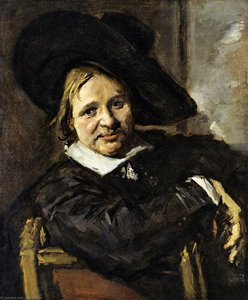
The Merry Drinker
 Acrylic On Canvas
- WallArt
- Dutch Golden Age Portraiture
 1628
1628 81.0 x 66.0 cm
 Rijksmuseum
 Rozwiń treść
Ręcznie malowana reprodukcja olejowa
Ręcznie malowany obraz olejny na płótnie, wykonany na zamówienie przez naszych artystów w wybranym przez Ciebie wymiarze i oprawie. ( Zamów wydruk Kup obraz wysokiej rozdzielczości)




P118B $10

P118H $10

P118W $10

P438Z $10

P508JH $12

P508YH $12

P805H $10

P805Z $10

P919BZ $10

P919G $10

P919XJ $10

P959ZH $10

P968JZ $12

W106C $8

W218G $10

W218JH $8

W218Y $10

W307PJ $10

W316G $10

W316PJ $8

W316Y $10

W398PJ $8

W4111J $10

W500HY $15

W500JH $15

W692G $12

W849H $8

W940BG $15

W953PJ $8




Wybierz spośród naszych standardowych rozmiarów, które zachowują oryginalne proporcje dzieła sztuki.

Możesz wprowadzić własne wymiary, aby dopasować obraz do konkretnej ramy lub przestrzeni. Jeśli wybrany rozmiar nie będzie odpowiadał proporcjom oryginału, przytniecie dzieło sztuki lub rozszerzymy je o dodatkowe elementy, ręcznie domalowane przez artystę. Przed rozpoczęciem produkcji wyślemy projekt cyfrowy do Twojej akceptacji.
Należy pamiętać, że podgląd na ekranie nie odzwierciedla rzeczywistego przycinania ani rozszerzania obrazu. Tylko projekt dokładnie pokaże ostateczną kompozycję.
Choć oferujemy możliwość zamówienia niestandardowych rozmiarów, zalecamy wybór wymiaru z gotowej listy, aby zachować oryginalne proporcje dzieła.
Po złożeniu zamówienia zespół OriginalUniqueArt.com skontaktuje się z klientem drogą mailową w celu uzyskania instrukcji i prześle wizualizację projektu
Dostawa na całym świecie () w ciągu 3–4 tygodni zamiast standardowych 5 tygodni. (17 Sierpień). Bez kompromisów w kwestii jakości.

Bezpłatna ekspresowa wysyłka na cały świat

Wysokiej jakości płótno lniane

Pełne ubezpieczenie przesyłki

Gwarancja zwrotu należności celnych i podatków importowych

Gwarancja wiernego odwzorowania kolorów

Polityka 60-dniowego zwrotu (tylko w przypadku wad)

Gwarancja 100% zwrotu kosztów

Zniżka przy zamówieniu wielu produktów
 Opcja ze szkłem jest dostępna wyłącznie w rozmiarach poniżej 110 cm

The Merry Drinker
Technika reprodukcji
Wymiary reprodukcji
-


Cena całkowita
$ 300
Opis dzieła
A Snapshot of Dutch Brilliance: Frans Hals’ “The Merry Drinker”
Frans Hals I's "The Merry Drinker," painted in 1628, stands as a quintessential emblem of the Dutch Golden Age – an era defined by artistic innovation and humanist ideals. More than just a portrait, it’s a masterful distillation of character and atmosphere, capturing a moment of convivial merriment with unparalleled immediacy. Executed in oil on canvas, this artwork transcends mere representation; it embodies the spirit of Haarlem society during its zenith.Style and Technique: Pioneering Loose Brushwork
What distinguishes Hals's approach from many of his contemporaries is his revolutionary technique – a method he termed “alla prima,” meaning "at first sight." Rather than painstakingly layering paint to achieve meticulous detail, Hals applied thick impasto strokes directly onto the canvas, creating textured surfaces that shimmer with vitality. This bold decision wasn’t merely stylistic; it reflected Hals's belief in capturing fleeting expressions and conveying psychological depth. The loose brushwork lends an unparalleled sense of spontaneity, as if freezing time itself within the frame. Notice how the artist skillfully blends colors to create subtle gradations and highlights, enhancing the illusion of light and shadow – a hallmark of Baroque painting but executed with remarkable freshness.Historical Context: Haarlem’s Vibrant Social Life
“The Merry Drinker” depicts Pieter van Ruijven, a wealthy Haarlem merchant known for his patronage of the arts. The scene unfolds within a dimly lit tavern, populated by several men engaged in lively conversation and drinking wine – an activity central to Haarlem's social life during Hals’s time. This wasn’t simply a depiction of leisure; it served as a celebration of success and camaraderie. Hals skillfully portrays Ruijven’s confident gaze and relaxed posture, conveying his status as a respected figure within the community. The inclusion of two other men in the background adds to the sense of realism and reinforces the social context of the painting.Symbolism: Gesture and Expression – Keys to Understanding
Beyond its visual splendor, “The Merry Drinker” is laden with symbolic significance. Hals’s masterful use of gesture—particularly Ruijven's outstretched hand holding the wine glass—is crucial to conveying emotion. This gesture isn’t merely functional; it embodies confidence and openness, reflecting Ruijven’s personality and aspirations. The presence of a clock on the wall serves as a subtle reminder of time passing – a theme prevalent in Baroque art, emphasizing the ephemeral nature of human experience. Hals's ability to capture such nuanced psychological detail elevates “The Merry Drinker” beyond a simple portrait into a profound meditation on human character and social interaction.Emotional Impact: Capturing Transient Joy
Ultimately, Hals succeeds in conveying an unforgettable moment of joy and conviviality. The painting’s luminous colors and dynamic brushstrokes evoke a palpable sense of warmth and energy. Viewers are drawn into the scene, experiencing Ruijven's carefree demeanor alongside his companions. “The Merry Drinker” remains a testament to Hals’s genius – a captivating portrayal that continues to inspire admiration for its artistic innovation and emotional resonance. It exemplifies the Dutch Golden Age’s fascination with capturing human emotion and celebrating the pleasures of life.O artyście
Frans Hals I: A Life in Paint
Frans Hals I was a Dutch painter born in Antwerp, Belgium, around 1580. Though his early life remains somewhat shrouded in mystery, he rose to become one of the most important figures of the Dutch Golden Age, celebrated for his innovative portraiture and genre scenes.Early Life and Training
Details surrounding Hals’s formative years are scarce. It is believed he received initial artistic training in Antwerp, a prominent center for painting at the time. However, due to religious and political turmoil, his family relocated to Haarlem in the Netherlands. He became a member of the Haarlem Guild of St. Luke in 1610, marking the formal beginning of his professional career.Artistic Style and Development
Hals distinguished himself through a remarkably fresh and spontaneous style. Unlike many of his contemporaries who favored meticulous detail, Hals employed a loose and expressive brushstroke. This technique imbued his paintings with a sense of immediacy and vitality, capturing the personality and character of his subjects in a way that was revolutionary for its time. He wasn’t merely attempting to reproduce appearances; he sought to convey emotion and psychological insight. His portraits weren't simply likenesses; they were psychological studies. He excelled at depicting fleeting moments – laughter, conversation, or contemplation. Hals's use of light and shadow added depth and drama to his compositions. This approach departed significantly from the prevailing artistic conventions of the period, establishing him as a pioneer of realism and emotional intensity.Notable Works
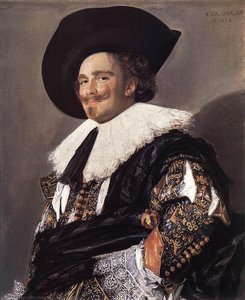
While Hals produced a wide range of works, he is best known for his portraits. Some of his most celebrated paintings include:- The Laughing Cavalier (1624) – A quintessential example of his ability to capture character and movement. The painting’s dynamic pose and radiant smile exemplify Hals's masterful technique in portraying human emotion with remarkable accuracy.
- Malle Babbe (c. 1633-1635) – A striking portrayal of an elderly woman, showcasing Hals’s skill in depicting age and personality. The painting captures the sitter’s wrinkled face and gaze with astonishing realism, conveying a profound sense of wisdom and experience.
- Portraits of the Regents of the Old Men's Home in Haarlem (1664) - Demonstrating his mastery of group portraiture. Hals skillfully captured the individual expressions and postures of each regent, creating a cohesive image that reflects the dignity and serenity of the institution.
Influences and Legacy
Determining Hals’s direct influences is challenging, as he developed a highly individual style. However, it's likely he was aware of the work of earlier Flemish painters like Pieter Bruegel the Elder. His innovative approach to portraiture profoundly impacted subsequent generations of artists. He influenced artists such as Adriaen Brouwer and Johannes Vermeer. His emphasis on capturing personality paved the way for more intimate and psychological portraits. Later artists, including the Impressionists, admired his loose brushwork and focus on light. Hals’s legacy extends beyond his artistic achievements; he embodies the spirit of the Dutch Golden Age—a period characterized by intellectual curiosity, artistic experimentation, and a celebration of human individuality. Today, his paintings are highly sought after and can be found in major museums worldwide, including the Frans Hals Museum in Haarlem, which houses the largest collection of his work. His contributions continue to inspire artists and captivate audiences centuries later.
Frans Hals I
1580 - 1585 , Belgia
Krótka nota
- Artistic Movement Or Style: Dutch Golden Age
- Artists Or Movements Influenced By This Artist:
- Adriaen Brouwer
- Johannes Vermeer
- Artists Who Influenced This Artist: ['Pieter Bruegel the Elder']
- Date Of Birth: c. 1582
- Date Of Death: 1666
- Full Name: Frans Hals I
- Nationality: Dutch
- Notable Artworks:
- Śmiejący się Rycerz
- Portret młodego mężczyzny
- Portret kobiety wiekowej
- Place Of Birth: Antwerp, Belgium
Powiązane artykuły

Frans Hals I: Innovation, Intimacy & the Dutch Golden Age Portrait
Explore the revolutionary portraiture of Frans Hals I, a master of the Dutch Golden Age. Discover his innovative techniques, captivating character studies & lasting impact on art history. Learn more at OriginalUniqueArt.

Złoty Wiek Holandii: 10 arcydzieł, które zmieniły historię sztuki | OriginalUniqueArt.com
Odkryj 10 arcydzieł Złotego Wieku Holandii! Poznaj historię Rembrandta, Vermeera i innych mistrzów. Reprodukcje obrazów najwyższej jakości do Twojego wnętrza – OriginalUniqueArt.com.

Złoty Wiek Niderlandów: Światło, Realizm i Kulturowe Innowacje w Malarstwie Barokowym
Odkryj fascynujący świat malarstwa holenderskiego Złotego Wieku! Poznaj arcydzieła Rembrandta, Vermeera i innych mistrzów. Analiza technik, gatunków i wpływu na sztukę europejską.

Holenderski Barok: 10 Arcydzieł, Które Zdefiniowały Epokę | OriginalUniqueArt
Poznaj 10 arcydzieł holenderskiego baroku! Odkryj historie Rembrandta, Vermeera i innych mistrzów XVII wieku. Reprodukcje obrazów najwyższej jakości – idealne do Twojego wnętrza. OriginalUniqueArt.com

Golden Light & Dutch Skies: The Timeless Magic of Dutch Golden Age Landscapes
Discover the breathtaking beauty of Dutch Golden Age landscapes. Explore the mastery of light, chiaroscuro, and 17th-century realism through an expert art history lens, celebrating the enduring legacy of the Dutch Masters for discerning collectors and art lovers.