Symbolism · 1901
Spring (Ferdinand Hodler, 1901)
Ferdinand Hodler (1853–1918) stworzył Spring. Dzieło pochodzi z 1901. Należy do nurtu Symbolism. Wykonano w technice Oil On Canvas. Wymiary to 102 × 129 cm.
- 1901
- Oil On Canvas
- 102 × 129 cm

 Podgląd w skali 1:1

 Ręcznie malowany obraz olejny
 Wyślij jako kartkę
 Udostępnij
 Karta informacyjna


 Pobierz obraz
 Podobne obiekty
 RTG
 Pokaz slajdów
 Pytania i odpowiedzi

 Statystyki
Spring w skrócie
- Tytuł
- Spring
- Artysta
- Ferdinand Hodler (1853–1918)
- Miejsce urodzenia artysty
- Berno, Szwajcaria
- Data powstania
- 1901
- Technika wykonania
- Oil On Canvas
- Wymiary
- 102 × 129 cm
- Ruch
- Symbolism
- Epoka
- 19th Century
- Temat
- nude figures, flower field, nature scene, symbolism, romanticism, outdoor setting
Co przedstawia Spring?
A Vision of Ephemeral Beauty: Exploring Ferdinand Hodler's "Spring"
To gaze upon Ferdinand Hodler’s Spring is to step directly into a moment suspended between dreams and reality. This painting, executed in 1901, is not merely a depiction of nature reviving; it is an eloquent meditation on cyclical life, renewal, and the delicate interplay between humanity and the burgeoning world. The scene unfolds in a sun-drenched field, carpeted with vibrant yellow blossoms that seem to hum with captured sunlight. At its heart are two figures—one seated in quiet contemplation upon the earth, the other standing watchfulness behind them. Their near-nudity strips away artifice, presenting the human form in a state of elemental grace, making the viewer feel an immediate, intimate connection to their vulnerability and repose.
Symbolism and the Cycle of Life
Hodler, deeply influenced by Symbolist currents, imbued his work with profound meaning. The very title, Spring, speaks volumes about rebirth. In art history, spring is rarely just a season; it represents potentiality, the overcoming of winter’s dormancy, and the promise of life renewed. The flowers are not simply decorative accents; they are emblems of fleeting joy and natural abundance. Furthermore, the pairing of the two figures suggests themes of companionship, transition, or perhaps even the soul's journey through time. Hodler often explored mortality in his work, making this depiction of vibrant, almost breathless vitality feel both utterly alive and profoundly transient—a beautiful reminder that all perfect moments must eventually yield to change.
Technique and Luminous Atmosphere
The technical mastery evident in this piece is breathtaking. While the subject matter feels spontaneous and pastoral, the execution speaks to a highly controlled hand. Hodler utilized color with an almost luminous quality; the yellows of the flowers pop against the deeper tones of the earth and the expansive sky, creating a palpable sense of depth. The handling of light seems integral to the composition itself, suggesting that the illumination is not just from the sun, but perhaps from the very spirit of renewal captured on canvas. For those considering a reproduction, one must appreciate how this technique translates—the goal being to capture that ethereal glow and the soft blending of tones that give the scene its dreamlike quality.
An Emotional Resonance for Modern Spaces
For the collector or designer seeking an anchor piece imbued with narrative depth, Spring offers unparalleled emotional resonance. It possesses a serene power—a quiet majesty that can transform any room from mundane to muse-filled. It speaks to the human desire for beauty, connection, and the enduring promise of hope after hardship. Imagine this painting gracing a gallery wall or serving as the focal point in a sunlit drawing-room; it invites pause, contemplation, and a deep breath. It is an artwork that does not shout its message but whispers it gently across centuries, inviting the viewer to reconnect with nature's most enduring magic.
Zdjęcia w wysokiej rozdzielczości dzieła Spring

Domena publiczna: artysta zmarł w 1918.
Inne rozmiary, kadrowanie i cytowanie →Ferdinand Hodler, Spring (1901). Domena publiczna
Odpowiedzi na pytania dotyczące Spring
W którym roku powstało dzieło „Spring” – Ferdinand Hodler?
Powstanie „Spring” – Ferdinand Hodler datuje się na 1901.
Z jakiej techniki wykorzystano "Spring"?
„Spring” wykonano w technice Oil On Canvas.
Jakie są wymiary oryginału "Spring"?
Oryginalne wymiary dzieła „Spring” to 102 x 129 cm. Znajomość pierwotnej skali może być pomocna przy wyborze odpowiedniego rozmiaru reprodukcji.
Co przedstawia „Spring” – Ferdinand Hodler?
Tematyka obecna w „Spring” – Ferdinand Hodler obejmuje nude figures, flower field, nature scene, symbolism, romanticism, outdoor setting. Razem stanowią one podsumowanie tematyki dzieła.
Czy dzieło "Spring" znajduje się w domenie publicznej?
„Spring” – Ferdinand Hodler znajduje się w domenie publicznej (należy do domeny publicznej – autorskie prawa majątkowe wygasły). Status ten określa zasady reprodukcji obrazu tego dzieła.
Kto stworzył "Spring"?
Autorstwo dzieła "Spring" przypisuje się Ferdinand Hodler.
Do jakiego nurtu artystycznego należy „Spring” – Ferdinand Hodler?
„Spring” – Ferdinand Hodler należy do nurtu Symbolism. Nurt ten stanowi stylistyczny kontekst dzieła.
Do którego okresu twórczości Ferdinand Hodler należy dzieło „Spring”?
W dorobku artystycznym Ferdinand Hodler dzieło „Spring” przypada na Symbolist period. Ten etap pozwala zestawić je z innymi pracami twórcy.
Ile lat miał Ferdinand Hodler, gdy powstało dzieło „Spring”?
Ferdinand Hodler miał 48 lat w momencie powstania „Spring” w 1901. Wiek ten obliczono na podstawie roku urodzenia artysty, 1853.
O artyście: Ferdinand Hodler
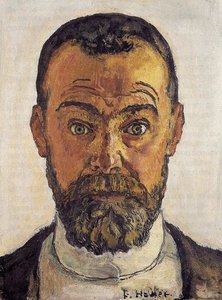
1853–1918, Szwajcaria
Ferdinand Hodler
Architektura śmiertelności Urodzony w 1853 roku w Bernie, w Szwajcarii, Ferdinand Hodler spędził wczesne lata w cieniu cichej, nieustającej żałoby. Zanim osiągnął wiek dojrzewania, gruźlica, która zabrała jego ojca i dwóch młodszych braci, pozostawiła pustkę w jego domu. To wczesne spotkanie ze stratą stało się powracającym motywem w jego twórczości, cieniem, który towarzyszył mu od skromnych początków praktyki rzemieślniczej aż po szczyty kariery zawodowej. Rozpoczął naukę jako malarz dekorator, pomagając ojczymowi w pracach przy komercyjnych szyldach, co dało mu praktyczne wykształcenie i wykształciło w nim precyzyjną kontrolę nad linią i formą.
Inne prace Ferdinand Hodler
 Eiger, Monch and Jungfrau in Moonlight1908
 Woman in Ecstasy1911
 Sunset on Lake Geneva1915
 Study of two figures1897

Eseje o Spring
 The Language of Mortality: Decoding the Symbols of Life and Decay in Classical ArtDecode the profound symbolism of mortality in Baroque Vanitas art through expert analysis. Explore the secrets of classical masterpieces no…
 Luminous Renewal: How Impressionist Masters Captured the Fleeting Light of SpringExplore how Impressionist masters captured spring's fleeting light through expert analysis. Discover the beauty of seasonal renewal now.
 Mastering Parallelism: The 25 Most Iconic Artworks by Ferdinand HodlerImmerse yourself in the rhythmic beauty of Ferdinand Hodler. Explore 25 iconic masterpieces of Swiss Symbolism and Parallelism. From soulfu…