Academic Realism · 1887
Composition study (Ferdinand Hodler, 1887)
Ferdinand Hodler (1853–1918) stworzył Composition study. Dzieło pochodzi z 1887. Należy do nurtu Academic Realism. Wykonano w technice Oil On Canvas. Przechowywane jest w Muzeum Narodowe Bośni i Hercegowiny w Sarajewo, Bośnia i Hercegowina. Wymiary to 26 × 22 cm.
- 1887
- Oil On Canvas
- 26 × 22 cm
- Muzeum Narodowe Bośni i Hercegowiny, Sarajewo

 Podgląd w skali 1:1

 Ręcznie malowany obraz olejny
 Wyślij jako kartkę
 Udostępnij
 Karta informacyjna


 Pobierz obraz
 Podobne obiekty
 RTG
 Pokaz slajdów
 Pytania i odpowiedzi

 Statystyki
Composition study w skrócie
- Tytuł
- Composition study
- Artysta
- Ferdinand Hodler (1853–1918)
- Miejsce urodzenia artysty
- Berno, Szwajcaria
- Data powstania
- 1887
- Technika wykonania
- Oil On Canvas
- Wymiary
- 26 × 22 cm
- Gdzie można je zobaczyć
- Muzeum Narodowe Bośni i Hercegowiny, Sarajewo, Bośnia i Hercegowina
- Ruch
- Academic Realism
- Temat
- weightlifting, human form, anatomy, study, sketch, exercise
Co przedstawia Composition study?
Composition Study – A Window into Hodler’s Soul
Ferdinand Hodler's "Composition Study," created in 1887, isn’t merely a sketch of three figures engaged in strenuous activity; it’s a profound meditation on the human condition, rendered with an arresting blend of anatomical precision and evocative symbolism. This work, now housed within the Tretyakov Gallery in Moscow, offers a rare glimpse into the artist's deeply personal vision – a world shaped by loss, contemplation, and a fascination with the ephemeral beauty of existence. The piece immediately draws the eye with its stark contrasts: the dark, almost brooding grey-brown tones of the pencil lines against the aged, neutral surface of the paper create an immediate sense of weight and seriousness. Hodler’s technique is deceptively simple yet remarkably powerful; he eschews elaborate shading or detailed rendering in favor of a confident, linear approach that emphasizes form and movement with remarkable economy.
The Anatomy of Effort – A Study in Human Form
At first glance, the composition depicts three men locked in what appears to be a grueling weightlifting exercise. However, Hodler doesn’t offer a realistic portrayal of physical exertion. Instead, he strips away extraneous detail, focusing instead on the essential lines and angles that define the figures' postures. The musculature is suggested with sharp, decisive strokes, conveying strength and strain without resorting to photographic accuracy. Notice how the diagonal lines of their bodies create a dynamic tension, mirroring the implied struggle within each individual. The arrangement isn’t haphazard; it’s carefully constructed to draw the viewer’s eye across the page, creating a sense of movement and narrative – a silent drama unfolding before our eyes.
Symbolism and the Weight of Mortality
Beyond its anatomical interest, “Composition Study” is rich in symbolic meaning. The figures themselves are often interpreted as representations of mortality and the inevitability of fate. Hodler’s early life was marked by profound loss – the deaths of his father and two brothers at a young age instilled within him a deep awareness of human vulnerability. This personal experience undoubtedly informs the work's somber mood and its exploration of themes related to death, remembrance, and the passage of time. The grid lines overlaid on the drawing—a technique frequently employed by Hodler—further emphasize this sense of structure and order imposed upon chaos, perhaps reflecting a desire to impose meaning onto an inherently unpredictable existence.
A Bridge Between Eras – Hodler’s Legacy
“Composition Study” stands as a pivotal work in the career of Ferdinand Hodler, bridging the gap between academic realism and the burgeoning Symbolist movement. Influenced by Renaissance anatomical studies—particularly those focused on depicting the human form with scientific accuracy—Hodler nevertheless departs from traditional representation, prioritizing emotional resonance over literal depiction. The piece’s stark simplicity and evocative power have resonated with viewers for over a century, cementing Hodler's place as one of Switzerland’s most important artists. Reproductions of this compelling work offer an accessible way to experience the depth and complexity of Hodler’s artistic vision, bringing his poignant reflections on life, death, and the human spirit into any space.
- Artist: Ferdinand Hodler
- Year: 1887
- Medium: Graphite pencil on paper
- Size: 26 x 22 cm
- Location: Tretyakov Gallery, Moscow
Consider commissioning a hand-painted reproduction to bring the intensity and emotional depth of “Composition Study” into your home or office. Each reproduction is meticulously crafted by skilled artisans, ensuring an authentic representation of Hodler’s original masterpiece.
W którym muzeum znajduje się Composition study?
Muzeum Narodowe Bośni i Hercegowiny
Sarajewo, Bośnia i Hercegowina
Przystań Odporności: Dusza Sarajewa W samym sercu Sarajewa, miasta, które przetrwało najgłębsze burze XX wieku, wznosi się Narodowa Galeria Bośni i Hercegowiny jako świetlisty testament nieprzemijającej potęgi ludzkiej kreatywności. Przekroczenie jej progów to wejście do przestrzeni, w której blizny historii spotykają się z triumfem artystycznego ducha, oferując głęboki dialog między burzliwą przeszłością a pełną nadziei przyszłością. Galeria służy jako sanktuarium, w którym zbiorowa pamięć narodu zostaje utrwalona w delikatnych pociągnięciach pędzla i ciężkich teksturach kamienia.


Zdjęcia w wysokiej rozdzielczości dzieła Composition study

Domena publiczna: artysta zmarł w 1918.
Inne rozmiary, kadrowanie i cytowanie →Ferdinand Hodler, Composition study (1887), Muzeum Narodowe Bośni i Hercegowiny. Domena publiczna
Odpowiedzi na pytania dotyczące Composition study
Gdzie można zobaczyć oryginał „Composition study” – Ferdinand Hodler?
Oryginał dzieła „Composition study” można zobaczyć w Muzeum Narodowe Bośni i Hercegowiny, Sarajewo, Bośnia i Hercegowina.
W którym roku powstało „Composition study” – Ferdinand Hodler?
„Composition study” – Ferdinand Hodler powstało w 1887.
W jakiej technice wykonano „Composition study” – Ferdinand Hodler?
„Composition study” wykonano w technice Oil On Canvas.
Jakie są wymiary oryginału "Composition study"?
Wymiary dzieła „Composition study” – Ferdinand Hodler to 26 x 22 cm. Reprodukcje można zamówić w innych rozmiarach, zachowując te same proporcje.
Co przedstawia „Composition study” – Ferdinand Hodler?
„Composition study” – Ferdinand Hodler przedstawia: weightlifting, human form, anatomy, study, sketch, exercise, strength, graphite.
Czy „Composition study” – Ferdinand Hodler znajduje się w domenie publicznej?
„Composition study” – Ferdinand Hodler znajduje się w domenie publicznej (należy do domeny publicznej – autorskie prawa majątkowe wygasły). Status ten określa zasady reprodukcji obrazu tego dzieła.
Kto stworzył "Composition study"?
Autorstwo dzieła "Composition study" przypisuje się Ferdinand Hodler.
Do jakiego nurtu należy "Composition study"?
Nurt związany z „Composition study” – Ferdinand Hodler to Academic Realism. Ta klasyfikacja sytuuje dzieło wśród pokrewnych artystów i dzieł sztuki.
Do którego okresu twórczości Ferdinand Hodler należy dzieło „Composition study”?
"Composition study" reprezentuje Mature Period twórczości Ferdinand Hodler.
O artyście: Ferdinand Hodler
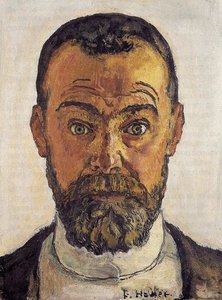
1853–1918, Szwajcaria
Ferdinand Hodler
Architektura śmiertelności Urodzony w 1853 roku w Bernie, w Szwajcarii, Ferdinand Hodler spędził wczesne lata w cieniu cichej, nieustającej żałoby. Zanim osiągnął wiek dojrzewania, gruźlica, która zabrała jego ojca i dwóch młodszych braci, pozostawiła pustkę w jego domu. To wczesne spotkanie ze stratą stało się powracającym motywem w jego twórczości, cieniem, który towarzyszył mu od skromnych początków praktyki rzemieślniczej aż po szczyty kariery zawodowej. Rozpoczął naukę jako malarz dekorator, pomagając ojczymowi w pracach przy komercyjnych szyldach, co dało mu praktyczne wykształcenie i wykształciło w nim precyzyjną kontrolę nad linią i formą.
Inne prace Ferdinand Hodler
 Eiger, Monch and Jungfrau in Moonlight1908
 Woman in Ecstasy1911
 Sunset on Lake Geneva1915
 Study of two figures1897

Eseje o Composition study
 Visualizing Sorrow: How Historical Art Captures the Universal Experience of LossExplore how masters like David and Munch visually capture grief through art history. Discover the profound language of loss today.
 Mastering Parallelism: The 25 Greatest Artworks by Ferdinand HodlerImmerse yourself in the rhythmic beauty of Ferdinand Hodler. Explore 25 iconic masterpieces of Swiss Symbolism and Parallelism, from emotiv…
 Mastering Composition: The Secrets of the Rule of Thirds, Golden Ratio, and Diagonals in Impressionist ArtDiscover the invisible architecture of Impressionism. Explore how the Rule of Thirds, Golden Ratio, and dynamic diagonals create the lumino…