
 Podgląd w skali 1:1
 Wyślij jako kartkę
 Udostępnij
 Szczegóły dzieła
 Przewodnik

 Pobierz obraz
 Podobne obiekty
 RTG
RTG Pokaz slajdów
 Statystyki
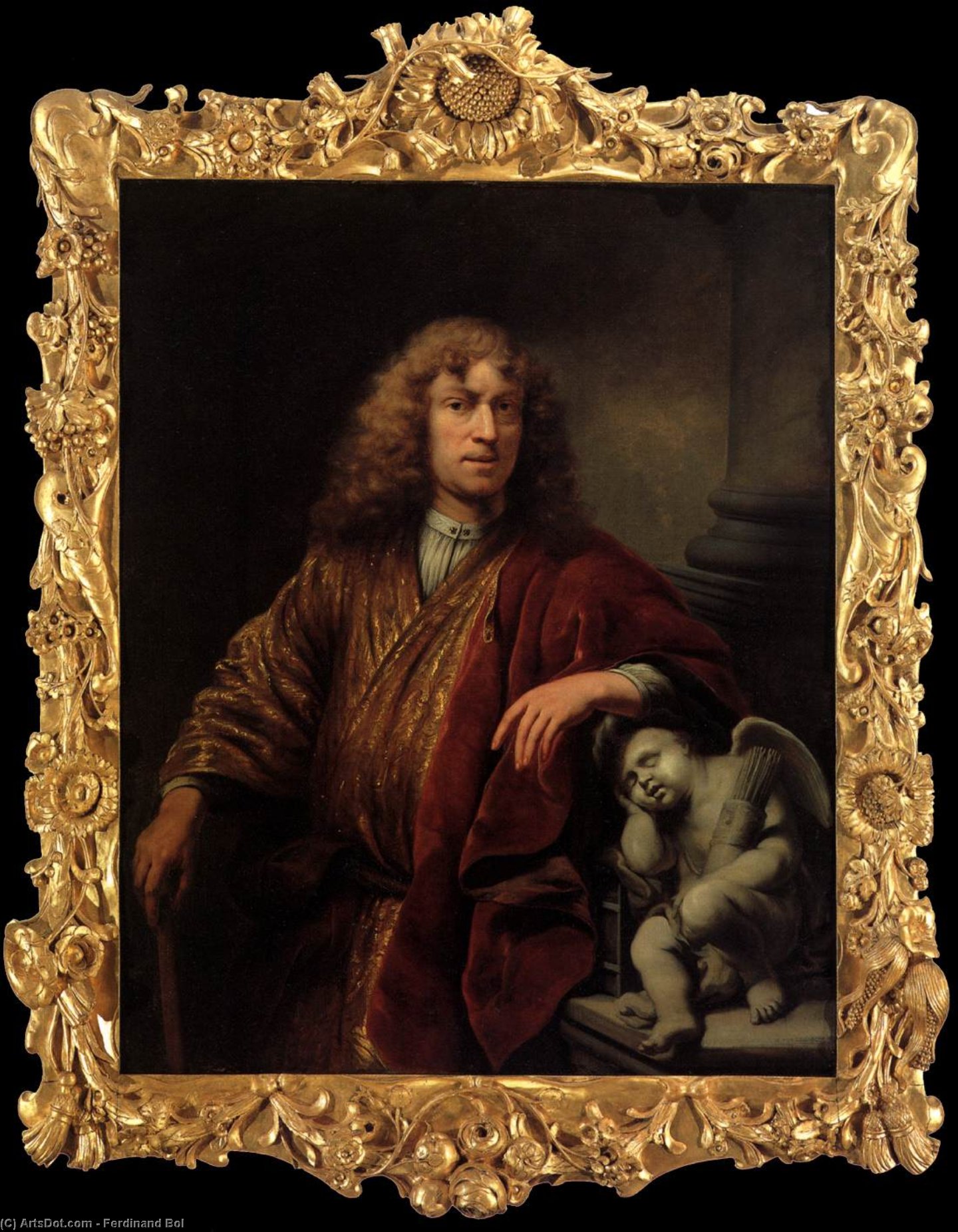
Self-Portrait
 Oil On Canvas
- WallArt
- Baroque
 1669
1669- Early Modern
 128.0 x 104.0 cm
 Rijksmuseum
 Rozwiń treść
Ręcznie malowana reprodukcja olejowa
Ręcznie malowany obraz olejny na płótnie, wykonany na zamówienie przez naszych artystów w wybranym przez Ciebie wymiarze i oprawie. ( Przełącz na wydania drukowane Przejdź do wersji cyfrowej)




P118B zł10

P118H zł10

P118W zł10

P438Z zł10

P508JH zł12

P508YH zł12

P805H zł10

P805Z zł10

P919BZ zł10

P919G zł10

P919XJ zł10

P959ZH zł10

P968JZ zł12

W106C zł8

W218G zł10

W218JH zł8

W218Y zł10

W307PJ zł10

W316G zł10

W316PJ zł8

W316Y zł10

W398PJ zł8

W4111J zł10

W500HY zł15

W500JH zł15

W692G zł12

W849H zł8

W940BG zł15

W953PJ zł8




Wybierz spośród naszych standardowych rozmiarów, które zachowują oryginalne proporcje dzieła sztuki.

Wpisz wymaganą szerokość i wysokość, aby obraz pasował do Twojej ramy lub ściany. Ponieważ jest to dzieło malowane ręcznie, w przypadku rozmiaru o innych proporcjach artysta może domalować nieco więcej wokół obrazu lub przyciąć jego fragmenty — wybór należy do Ciebie. Przed rozpoczęciem pracy prześlemy Ci cyfrową wizualizację do zatwierdzenia. Obraz widoczny na tej stronie nie przedstawia rzeczywistego efektu — jedynie wizualizacja oddaje realny rezultat.
Po złożeniu zamówienia zespół OriginalUniqueArt.com skontaktuje się z klientem drogą mailową w celu uzyskania instrukcji i prześle wizualizację projektu
Dostawa na całym świecie () w ciągu 3–4 tygodni zamiast standardowych 5 tygodni. (28 Październik). Bez kompromisów w kwestii jakości.

Bezpłatna ekspresowa wysyłka na cały świat

Wysokiej jakości płótno lniane

Pełne ubezpieczenie przesyłki

Gwarancja zwrotu należności celnych i podatków importowych

Gwarancja wiernego odwzorowania kolorów

100-dniowa polityka zwrotów (tylko w przypadku wad)

Gwarancja 100% zwrotu pieniędzy

Zniżka przy zakupie wielu sztuk
 Opcja ze szkłem jest dostępna wyłącznie w rozmiarach poniżej 110 cm

Self-Portrait
Technika reprodukcji
Wymiary reprodukcji
-


Cena całkowita
zł 1156
The Grandeur of Self-Reflection: A Baroque Masterpiece
To stand before this self-portrait is to encounter not merely a likeness, but a carefully constructed statement of status, intellect, and enduring confidence. Rendered in the opulent style of the Baroque period, this work captures the sitter at a moment of profound self-possession. The composition immediately draws the eye into the central figure, whose very bearing speaks of wealth and established dignity. Notice how the artist has utilized dramatic lighting—the hallmark of chiaroscuro—allowing deep shadows to cradle rich folds of fabric while brilliant highlights catch the sheen of luxurious garments and the thoughtful planes of the face. It is a visual symphony built upon contrast, demanding that the viewer pause and absorb the weight of its artistry.
Technique and Material Mastery
The technical execution here is nothing short of masterful. The artist employed oil paints on canvas, allowing for an incredible depth of texture that seems almost palpable. One can trace the meticulous brushwork in the sitter's richly draped clothing, where visible strokes build up volume and suggest the weight of velvet and silk. The handling of skin tones contrasts beautifully with the solidity of the architectural elements—the column and the subtle backdrop. These lines are not merely outlines; they flow, guiding the viewer’s gaze through the carefully orchestrated space. The perspective is expertly managed, employing a one-point focus that anchors all visual energy directly onto the self-portraitist, making the viewing experience intensely personal.
Historical Echoes and Symbolism
Dating to 1669, this piece emerges from the vibrant, ambitious heart of the Dutch Golden Age. While the sitter presents himself as a man of considerable means, the inclusion of the small statue in the background adds a layer of intellectual depth. Such symbolic elements often alluded to classical virtues—perhaps wisdom, or divine favor—suggesting that the subject’s self-regard was rooted not just in earthly success, but in cultivated virtue. The entire presentation speaks to an era where portraiture served as both commemoration and carefully curated public identity.
Bringing Baroque Grandeur Home
For those seeking to infuse a space with the gravitas and romance of historical European art, this reproduction offers unparalleled depth. Imagine this piece gracing a formal drawing-room or a library; its rich palette of deep reds, burnished golds, and warm browns will anchor any sophisticated interior design scheme. The layered textures and dramatic interplay of light make it an instant focal point. Owning a high-quality rendition allows one to connect intimately with the technical brilliance of Ferdinand Bol’s era, bringing home not just a painting, but a tangible piece of Baroque narrative drama.
Pytania i odpowiedzi
Do czego zaleca się wykorzystanie wydruku "Self-Portrait"?
Reprodukcja dzieła „Self-Portrait” – Ferdinand Bol jest polecana do Accent. Sugestia ta wynika z tematyki, nastroju oraz kolorystyki pracy.
Jaki poziom kontrastu prezentuje „Self-Portrait” – Ferdinand Bol?
Kontrast jasności w dziele "Self-Portrait" wynosi Bold. Kontrast określa stopień zróżnicowania między obszarami jasnymi a ciemnymi.
Jakie są wymiary oryginału "Self-Portrait"?
Oryginalne wymiary dzieła „Self-Portrait” to 128 x 104 cm. Znajomość pierwotnej skali może być pomocna przy wyborze odpowiedniego rozmiaru reprodukcji.
Biografia artysty
Ferdinand Bol (1616-1680) – A Forgotten Master of the Dutch Golden Age
Ferdinand Bol, a name perhaps less familiar than those of his illustrious contemporaries Rembrandt van Rijn and Johannes Vermeer, nevertheless occupies a significant, if often overlooked, position within the pantheon of 17th-century Dutch Masters. Born in Dordrecht in 1616, Bol’s artistic journey was deeply intertwined with that of Rembrandt, serving as a pupil in the master's Amsterdam studio during a formative period. This apprenticeship profoundly shaped his style, initially leading to works so convincingly reminiscent of Rembrandt that attribution could prove challenging even for seasoned experts. However, to simply categorize Bol as a mere imitator would be a disservice to his own unique artistic voice and considerable talent. His early life laid the groundwork for a career marked by both technical brilliance and an evolving stylistic independence. While details regarding his initial training remain somewhat scarce – possibilities include tutelage under Jacob Cuyp in Dordrecht or Abraham Bloemaert in Utrecht – it was undoubtedly his time with Rembrandt that proved pivotal, immersing him in the dramatic lighting, psychological depth, and masterful brushwork characteristic of the Baroque period.Early Influences and Artistic Formation
Bol’s formative years were marked by exposure to the artistic currents circulating in Dordrecht and Utrecht. Although precise biographical information about Bol's early life is limited, evidence suggests he received instruction from Jacob Gerritsz Cuyp, a celebrated landscape painter known for his atmospheric depictions of Dutch countryside, and possibly Abraham Bloemaert, a prominent Utrecht artist specializing in genre scenes and portraits. These influences undoubtedly instilled in him an appreciation for observation and realism—qualities that would become central to his artistic practice throughout his career. The Amsterdam studio of Rembrandt van Rijn served as Bol’s crucible for stylistic development, providing him with unparalleled access to the techniques and sensibilities of the Baroque era. This association was particularly crucial in shaping Bol's understanding of chiaroscuro – the dramatic interplay of light and shadow—a hallmark of Rembrandt’s oeuvre that would permeate his own paintings. Furthermore, Bol absorbed Rembrandt’s psychological insight, striving to convey not only physical likeness but also emotional nuance within his portraits.The Rembrandt School: Imitation and Innovation
Bol's initial works undeniably bear the unmistakable stamp of Rembrandt’s style. Composições often echo those of his teacher, employing similar chiaroscuro effects and a penchant for portraying figures in moments of intense emotional or psychological drama. The meticulous attention to detail—particularly in rendering fabrics and facial expressions—reflects Rembrandt’s unwavering commitment to realism and expressive portrayal. However, Bol swiftly moved beyond mere imitation, refining his technique and developing a distinctive personal style that distinguished him from his mentor. He achieved this stylistic independence through careful experimentation with color palettes and brushwork, gradually distancing himself from Rembrandt's more austere aesthetic. This shift is particularly evident in portraits commissioned by wealthy patrons—works characterized by elegance, refinement, and subtle psychological nuances. Bol’s palette lightened considerably compared to Rembrandt’s darker hues, creating a sense of luminosity and atmosphere that conveyed both beauty and sophistication.Major Achievements: Historical Narratives and Portraiture
Bol's artistic output spanned across diverse genres, encompassing monumental historical paintings alongside intimate portraits—a testament to his versatility as an artist. Among his most celebrated achievements is *Peace Negotiations Between Claudius Civilis and Quintus Petillius Cerealis on the Demolished Bridge*, a dramatic depiction of Roman history imbued with palpable tension and emotional intensity. Bol skillfully employed perspective and chiaroscuro to convey the grandeur of the scene and capture the psychological states of its principal figures—a feat that cemented his reputation as one of the foremost painters of his time. Equally impressive is *Pyrrhus Shows His Spoils*, a portrait commemorating Pyrrhus, King of Epirus, who had decisively defeated Hannibal at Asculum in 279 BC. Bol’s masterful rendering of Pyrrhus's regal attire and commanding gaze exemplifies his ability to convey both physical likeness and psychological character—a hallmark of his artistic style. Bol’s prolific portraiture produced a remarkable array of portraits capturing the faces of prominent figures from Amsterdam society, including diplomats, merchants, and artists. His portraits are distinguished by their elegance, subtlety, and psychological depth, offering glimpses into the lives and aspirations of his subjects.Legacy and Rediscovery: A Painter's Reputation Afterlife
Despite Bol’s considerable success during his lifetime—particularly in securing commissions from influential patrons—his artistic reputation suffered a significant decline following his death in 1680. For decades, scholars attributed many of Bol’s paintings to Rembrandt, obscuring his individual contributions to Dutch Baroque art and hindering the recognition of his stylistic originality. However, renewed interest in Bol's oeuvre emerged in the 20th century as researchers painstakingly scrutinized evidence—including signatures on canvases and correspondence between Bol and Rembrandt—to establish him as a distinct artist with a unique artistic vision. Today, Ferdinand Bol is increasingly appreciated for his technical brilliance, his stylistic independence, and his profound understanding of human psychology—qualities that continue to inspire admiration and scholarly debate. His legacy resides not only in the surviving paintings themselves but also in their contribution to our knowledge of Rembrandt’s workshop and the broader cultural landscape of 17th-century Amsterdam. The Museum Van Loon and the Rembrandt House Museum offer invaluable opportunities for visitors to engage with Bol's art within the context of his era—a testament to the enduring fascination surrounding this once-forgotten master.
Ferdinand Bol
1616 - 1680 , Holandia
Krótka nota
- Artistic Movement Or Style: Barok
- Artists Or Movements Influenced By This Artist: ['Cornelis Bisschop']
- Artists Who Influenced This Artist: ['Rembrandt']
- Date Of Birth: 24 czerwca 1616
- Date Of Death: 24 sierpnia 1680
- Full Name: Ferdinand Bol
- Nationality: Holender
- Notable Artworks:
- Negocjacje pokoju...
- Pyrrhus pokazuje...
- Człowiek w złotym hełmie
- Place Of Birth: Dordrecht, Holandia
Powiązane artykuły

Mastering Light & Shadow: A Journey Through the Dutch Golden Age's Luminous Legacy
Embark on a cultural journey through the Dutch Golden Age. Explore the masterful interplay of light and shadow in 17th-century masterpieces, from Rembrandt to Vermeer, and discover how this era of profound realism continues to inspire fine art collectors today.

Holenderski Barok: 10 Arcydzieł, Które Zdefiniowały Epokę | OriginalUniqueArt
Poznaj 10 arcydzieł holenderskiego baroku! Odkryj historie Rembrandta, Vermeera i innych mistrzów XVII wieku. Reprodukcje obrazów najwyższej jakości – idealne do Twojego wnętrza. OriginalUniqueArt.com

Złoty Wiek Holandii: 10 arcydzieł, które zmieniły historię sztuki | OriginalUniqueArt.com
Odkryj 10 arcydzieł Złotego Wieku Holandii! Poznaj historię Rembrandta, Vermeera i innych mistrzów. Reprodukcje obrazów najwyższej jakości do Twojego wnętrza – OriginalUniqueArt.com.

Złoty Wiek Niderlandów: Światło, Realizm i Kulturowe Innowacje w Malarstwie Barokowym
Odkryj fascynujący świat malarstwa holenderskiego Złotego Wieku! Poznaj arcydzieła Rembrandta, Vermeera i innych mistrzów. Analiza technik, gatunków i wpływu na sztukę europejską.

Golden Light & Dutch Skies: The Timeless Magic of Dutch Golden Age Landscapes
Discover the breathtaking beauty of Dutch Golden Age landscapes. Explore the mastery of light, chiaroscuro, and 17th-century realism through an expert art history lens, celebrating the enduring legacy of the Dutch Masters for discerning collectors and art lovers.
