

 Podgląd w skali 1:1
 Wyślij jako kartkę
 Udostępnij
 Szczegóły dzieła
 Przewodnik

 Pobierz obraz
 Podobne obiekty
 RTG
RTG Pokaz slajdów
 Statystyki
Bijbelse Voorstelling


 Rozwiń treść
Giclée / Wydruk artystyczny
Wydruki giclée lub płótna o jakości muzealnej, szybka realizacja i szeroki wybór opcji wykończenia. ( Zamów ręcznie malowaną reprodukcję Przejdź do wersji cyfrowej)




P118B zł10

P118H zł10

P118W zł10

P438Z zł10

P508JH zł12

P508YH zł12

P805H zł10

P805Z zł10

P919BZ zł10

P919G zł10

P919XJ zł10

P959ZH zł10

P968JZ zł12

W106C zł8

W218G zł10

W218JH zł8

W218Y zł10

W307PJ zł10

W316G zł10

W316PJ zł8

W316Y zł10

W398PJ zł8

W4111J zł10

W500HY zł15

W500JH zł15

W692G zł12

W849H zł8

W940BG zł15

W953PJ zł8




Wybierz spośród naszych standardowych rozmiarów, które zachowują oryginalne proporcje dzieła sztuki.

Wpisz wymaganą szerokość i wysokość, aby dopasować grafikę do ramy lub ściany. Wydruk można jedynie przyciąć, nigdy nie powiększając go poza oryginalny obraz, dlatego format o innych proporcjach spowoduje utratę części kompozycji. Przed rozpoczęciem druku prześlemy Ci cyfrowy podgląd do zatwierdzenia. Obraz wyświetlany na tej stronie nie pokazuje rzeczywistego przycięcia — jedynie podgląd oddaje ten efekt.
Dostawa na cały świat () w ciągu 2 tygodni zamiast standardowych 4/5 tygodni. (27 Październik)

Bezpłatna ekspresowa wysyłka na cały świat

Wysokiej jakości płótno lniane

Pełne ubezpieczenie przesyłki

Gwarancja zwrotu należności celnych i podatków importowych

Gwarancja wiernego odwzorowania kolorów

100-dniowa polityka zwrotów (tylko w przypadku wad)

Gwarancja 100% zwrotu pieniędzy

Zniżka przy zakupie wielu sztuk
 Opcja ze szkłem jest dostępna wyłącznie w rozmiarach poniżej 110 cm

Bijbelse Voorstelling
Giclée / Wydruk artystyczny
Wymiary reprodukcji
-


Cena całkowita
zł 307
A Window into Baroque Faith: Exploring Ferdinand Bol’s Bijbelse Voorstelling
Ferdinand Bol (1616-1680), a figure largely eclipsed by Rembrandt and Vermeer during his lifetime, nevertheless stands as a cornerstone of the Dutch Golden Age—a period defined by artistic innovation and intellectual fervor. His legacy resides not merely in quantity but in quality: Bol produced remarkably accomplished works that continue to resonate with audiences today, offering glimpses into the spiritual landscape of seventeenth-century Holland. This painting, “Bijbelse Voorstelling” (Biblical Scene), exemplifies Bol’s mastery of Baroque aesthetics and his profound engagement with religious iconography. Created around 1669, it transcends a simple depiction of biblical narrative; instead, it presents a complex interplay of light, gesture, and psychological nuance that speaks to the enduring power of faith and artistic expression.The Scene: A Moment of Reverence
The artwork portrays an intimate tableau centered on two men kneeling before an angelic presence. One figure dominates the foreground, positioned with his head bowed in prayer—a posture indicative of solemn contemplation and devotion. Above him stands another man, extending a hand towards the kneeling individual’s shoulder; this gesture conveys compassion, guidance, or perhaps even divine intervention. The setting is subtly rendered as a forest interior, bathed in diffused light that contributes to an atmosphere of tranquility and spiritual significance. Two birds soar gracefully overhead, reinforcing the painting's connection to nature—a recurring motif within Baroque art symbolizing purity and ascension.Bol’s Baroque Technique: Mastering Light and Shadow
Ferdinand Bol’s artistic prowess is immediately apparent in his masterful manipulation of chiaroscuro – the dramatic contrast between light and dark – a hallmark technique of the Baroque period. Bol meticulously renders textures with remarkable precision, capturing the folds of drapery and the contours of faces with astonishing realism. The artist skillfully employs glazing techniques—thin layers of translucent paint applied over previous coats—to achieve luminous effects that imbue the scene with depth and vibrancy. This meticulous attention to detail underscores Bol’s commitment to conveying not just what he saw but also how he felt, channeling the emotional intensity characteristic of Baroque painting.Symbolism: Angels and Divine Grace
The angelic figures adorning the canvas serve as potent symbols of divine grace and spiritual authority. Their placement on either side of the kneeling man underscores the universality of faith—the belief in a higher power that transcends earthly concerns. The gesture of the standing man reaching out to offer support embodies compassion and reassurance, reflecting the humanist values prevalent during Bol’s era. Furthermore, the forest setting itself carries symbolic weight, representing Edenic innocence and spiritual renewal – themes frequently explored by Baroque artists as they sought to communicate profound theological ideas.Emotional Resonance: Capturing Inner Reflection
“Bijbelse Voorstelling” transcends mere visual representation; it invites contemplation on matters of faith and human experience. Bol’s depiction captures the palpable emotion of prayer—the vulnerability and earnestness inherent in seeking divine guidance. The painting's serene atmosphere encourages viewers to consider questions of morality, compassion, and spiritual aspiration. Like Rembrandt before him, Bol understood that art could serve as a conduit for conveying profound psychological truths – a legacy that continues to inspire artists and collectors alike.Pytania i odpowiedzi
Gdzie i w jakim celu zaleca się użycie "Bijbelse Voorstelling"?
Zalecane zastosowanie (Statement) oraz przestrzeń (Living Room) to dwie rekomendacje dla dzieła „Bijbelse Voorstelling” – Ferdinand Bol.
Jaki nastrój oddaje „Bijbelse Voorstelling” – Ferdinand Bol w ramach nurtu Baroque?
"Bijbelse Voorstelling" emanuje Dramatic emocjonalnym ładunkiem, wpisując się w nurt Baroque.
W którym muzeum znajduje się oryginał "Bijbelse Voorstelling"?
Oryginał dzieła „Bijbelse Voorstelling” – Ferdinand Bol znajduje się w Rijksmuseum, Amsterdam, Netherlands. Reprodukcja pozwala na eksponowanie pracy w domu.
Biografia artysty
Ferdinand Bol (1616-1680) – A Forgotten Master of the Dutch Golden Age
Ferdinand Bol, a name perhaps less familiar than those of his illustrious contemporaries Rembrandt van Rijn and Johannes Vermeer, nevertheless occupies a significant, if often overlooked, position within the pantheon of 17th-century Dutch Masters. Born in Dordrecht in 1616, Bol’s artistic journey was deeply intertwined with that of Rembrandt, serving as a pupil in the master's Amsterdam studio during a formative period. This apprenticeship profoundly shaped his style, initially leading to works so convincingly reminiscent of Rembrandt that attribution could prove challenging even for seasoned experts. However, to simply categorize Bol as a mere imitator would be a disservice to his own unique artistic voice and considerable talent. His early life laid the groundwork for a career marked by both technical brilliance and an evolving stylistic independence. While details regarding his initial training remain somewhat scarce – possibilities include tutelage under Jacob Cuyp in Dordrecht or Abraham Bloemaert in Utrecht – it was undoubtedly his time with Rembrandt that proved pivotal, immersing him in the dramatic lighting, psychological depth, and masterful brushwork characteristic of the Baroque period.Early Influences and Artistic Formation
Bol’s formative years were marked by exposure to the artistic currents circulating in Dordrecht and Utrecht. Although precise biographical information about Bol's early life is limited, evidence suggests he received instruction from Jacob Gerritsz Cuyp, a celebrated landscape painter known for his atmospheric depictions of Dutch countryside, and possibly Abraham Bloemaert, a prominent Utrecht artist specializing in genre scenes and portraits. These influences undoubtedly instilled in him an appreciation for observation and realism—qualities that would become central to his artistic practice throughout his career. The Amsterdam studio of Rembrandt van Rijn served as Bol’s crucible for stylistic development, providing him with unparalleled access to the techniques and sensibilities of the Baroque era. This association was particularly crucial in shaping Bol's understanding of chiaroscuro – the dramatic interplay of light and shadow—a hallmark of Rembrandt’s oeuvre that would permeate his own paintings. Furthermore, Bol absorbed Rembrandt’s psychological insight, striving to convey not only physical likeness but also emotional nuance within his portraits.The Rembrandt School: Imitation and Innovation
Bol's initial works undeniably bear the unmistakable stamp of Rembrandt’s style. Composições often echo those of his teacher, employing similar chiaroscuro effects and a penchant for portraying figures in moments of intense emotional or psychological drama. The meticulous attention to detail—particularly in rendering fabrics and facial expressions—reflects Rembrandt’s unwavering commitment to realism and expressive portrayal. However, Bol swiftly moved beyond mere imitation, refining his technique and developing a distinctive personal style that distinguished him from his mentor. He achieved this stylistic independence through careful experimentation with color palettes and brushwork, gradually distancing himself from Rembrandt's more austere aesthetic. This shift is particularly evident in portraits commissioned by wealthy patrons—works characterized by elegance, refinement, and subtle psychological nuances. Bol’s palette lightened considerably compared to Rembrandt’s darker hues, creating a sense of luminosity and atmosphere that conveyed both beauty and sophistication.Major Achievements: Historical Narratives and Portraiture
Bol's artistic output spanned across diverse genres, encompassing monumental historical paintings alongside intimate portraits—a testament to his versatility as an artist. Among his most celebrated achievements is *Peace Negotiations Between Claudius Civilis and Quintus Petillius Cerealis on the Demolished Bridge*, a dramatic depiction of Roman history imbued with palpable tension and emotional intensity. Bol skillfully employed perspective and chiaroscuro to convey the grandeur of the scene and capture the psychological states of its principal figures—a feat that cemented his reputation as one of the foremost painters of his time. Equally impressive is *Pyrrhus Shows His Spoils*, a portrait commemorating Pyrrhus, King of Epirus, who had decisively defeated Hannibal at Asculum in 279 BC. Bol’s masterful rendering of Pyrrhus's regal attire and commanding gaze exemplifies his ability to convey both physical likeness and psychological character—a hallmark of his artistic style. Bol’s prolific portraiture produced a remarkable array of portraits capturing the faces of prominent figures from Amsterdam society, including diplomats, merchants, and artists. His portraits are distinguished by their elegance, subtlety, and psychological depth, offering glimpses into the lives and aspirations of his subjects.Legacy and Rediscovery: A Painter's Reputation Afterlife
Despite Bol’s considerable success during his lifetime—particularly in securing commissions from influential patrons—his artistic reputation suffered a significant decline following his death in 1680. For decades, scholars attributed many of Bol’s paintings to Rembrandt, obscuring his individual contributions to Dutch Baroque art and hindering the recognition of his stylistic originality. However, renewed interest in Bol's oeuvre emerged in the 20th century as researchers painstakingly scrutinized evidence—including signatures on canvases and correspondence between Bol and Rembrandt—to establish him as a distinct artist with a unique artistic vision. Today, Ferdinand Bol is increasingly appreciated for his technical brilliance, his stylistic independence, and his profound understanding of human psychology—qualities that continue to inspire admiration and scholarly debate. His legacy resides not only in the surviving paintings themselves but also in their contribution to our knowledge of Rembrandt’s workshop and the broader cultural landscape of 17th-century Amsterdam. The Museum Van Loon and the Rembrandt House Museum offer invaluable opportunities for visitors to engage with Bol's art within the context of his era—a testament to the enduring fascination surrounding this once-forgotten master.
Ferdinand Bol
1616 - 1680 , Holandia
Krótka nota
- Artistic Movement Or Style: Barok
- Artists Or Movements Influenced By This Artist: ['Cornelis Bisschop']
- Artists Who Influenced This Artist: ['Rembrandt']
- Date Of Birth: 24 czerwca 1616
- Date Of Death: 24 sierpnia 1680
- Full Name: Ferdinand Bol
- Nationality: Holender
- Notable Artworks:
- Negocjacje pokoju...
- Pyrrhus pokazuje...
- Człowiek w złotym hełmie
- Place Of Birth: Dordrecht, Holandia
Powiązane artykuły

Ferdinand Bol (1616-1680): A Dutch Master of Portraiture & Dramatic Light
Explore the captivating world of Ferdinand Bol (1616-1680), a master Dutch portraitist deeply influenced by Rembrandt. Discover his life, style, and enduring legacy with OriginalUniqueArt.

Rembrandt van Rijn: 25 Najwybitniejszych Dzieł Sztuki – Reprodukcje i Inspiracje do Wnętrz
Poznaj 25 arcydzieł Rembrandta van Rijn! Odkryj fascynujące historie, techniki i wpływ holenderskiego mistrza baroku na świat sztuki. Reprodukcje obrazów najwyższej jakości – inspiracje do wnętrz na OriginalUniqueArt.com

Rembrandt van Rijn: A Life Illuminated – Innovation, Emotion, and the Dutch Golden Age
Explore the life & art of Rembrandt van Rijn, a Dutch Golden Age master. Discover his innovative techniques, iconic paintings like 'The Night Watch', and enduring legacy. Expert insights for collectors & enthusiasts.
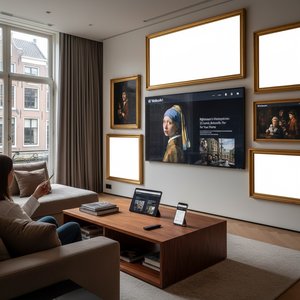
25 Arcydzieł Rijksmuseum: Historia Sztuki w Twoim Domu | OriginalUniqueArt.com
Odkryj 25 arcydzieł Rijksmuseum Amsterdam! Poznaj historie Rembrandta, Vermeera i innych holenderskich mistrzów. Reprodukcje obrazów najwyższej jakości do Twojego wnętrza. Inspiracje dekoracyjne na OriginalUniqueArt.com.

Holenderski Barok: 10 Arcydzieł, Które Zdefiniowały Epokę | OriginalUniqueArt
Poznaj 10 arcydzieł holenderskiego baroku! Odkryj historie Rembrandta, Vermeera i innych mistrzów XVII wieku. Reprodukcje obrazów najwyższej jakości – idealne do Twojego wnętrza. OriginalUniqueArt.com
