

 Zobacz w skali 1:1
 Wyślij
 Udostępnij
 Szczegóły
 Przewodnik

 Pobierz plik obrazu
 Podobne obiekty
 RTG
RTG Pokaz slajdów
 Statystyki
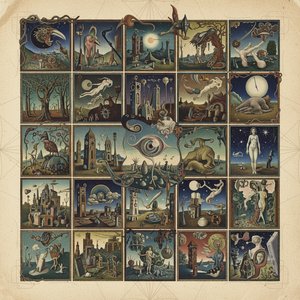
untitled (3545)

 Czytaj więcej
Dzieło sztuki prezentowane na tej stronie podlega ochronie prawem autorskim, co oznacza, że nie mamy prawa do tworzenia ani sprzedaży jego identycznej reprodukcji. Ochrona ta jest egzekwowana na mocy umów międzynarodowych, takich jak Konwencja berneńska oraz przez przepisy prawa krajowego, w tym te określone w Prawo autorskie USA – Tytuł 17.
Jako pełną szacunku i legalną alternatywę oferujemy personalizowane, malowane ręcznie dzieła sztuki inspirowane oryginałem. Nasi wykwalifikowani i profesjonalni artyści starannie analizują styl, nastrój oraz artystyczną esencję pierwowzoru, aby stworzyć nowe, unikalne dzieło, które przywołuje te same emocje – pozostając jednocześnie w pełni oryginalną kreacją.
Metoda ta jest w pełni zgodna z przepisami prawa autorskiego, ponieważ nie polega na kopiowaniu ani powielaniu chronionego dzieła. Stanowi ona kreatywną reinterpretację – nowy obraz, który czerpie inspirację z oryginału, ale nie jest z nim tożsamy.
Ręcznie malowana reprodukcja olejowa
Ręcznie malowany obraz olejny na płótnie, wykonany na zamówienie przez naszych artystów w wybranym przez Ciebie wymiarze i oprawie. ( Przełącz na wersję drukowaną Przełącz na wersję cyfrową)




































Wybierz spośród naszych standardowych rozmiarów, które zachowują oryginalne proporcje dzieła sztuki.

Wpisz wymaganą szerokość i wysokość, aby obraz pasował do Twojej ramy lub ściany. Ponieważ jest to dzieło malowane ręcznie, w przypadku rozmiaru o innym proporcji artysta może domalować nieco więcej wokół obrazu lub przyciąć fragmenty — wybór należy do Ciebie. Przed rozpoczęciem pracy prześlemy Ci cyfrową wizualizację do zatwierdzenia. Obraz widoczny na tej stronie nie przedstawia rzeczywistego efektu — jedynie wizualizacja oddaje realny rezultat.
Po złożeniu zamówienia zespół OriginalUniqueArt.com skontaktuje się z klientem drogą mailową w celu uzyskania instrukcji i prześle wizualizację projektu
Dostawa na całym świecie () w ciągu 3–4 tygodni zamiast standardowych 5 tygodni. (21 Październik). Bez kompromisów w kwestii jakości.

Bezpłatna ekspresowa wysyłka na cały świat

Wysokiej jakości płótno lniane

Pełne ubezpieczenie transportowe

Gwarancja zwrotu należności celnych i podatków importowych

Gwarancja idealnego odwzorowania barw

100-dniowy okres na zwrot dzieła w przypadku wykrycia wad produkcyjnych

Gwarancja 100% zwrotu pieniędzy

Oferta przy zakupie wielu sztuk
 Opcja ze szkłem jest dostępna wyłącznie w rozmiarach poniżej 110 cm

untitled (3545)
Technika wykonania
Rozmiar reprodukcji
-


Suma do zapłaty
zł 1709
Biografia artysty
Architekt Marzeń: Życie i Wizja Ernsta Fuchsa
Ernst Fuchs (1930–2015) był kimś znacznie więcej niż tylko malarzem; był multidyscyplinarnym wizjonerem, który splatał ze sobą nici rzeźby, architektury, muzyki i poezji, by stworzyć unikalny, halucynacyjny wszechśwtał. Urodzony w Wiedniu w okresie głębokich przemian historycznych, Fuchs wyłonił się z ruin powojennej ery nie z poczuciem rozpaczy, lecz z niegasnącym pragnieniem tego, co wzniosłe. Jego podróż rozpoczęła się w haptycznym świecie rzeźby – dyscyplinie, która zaszczepiła w nim trwały szacunek do formy i materii. To wczesne fundamenty pozwoliły mu traktować płótno nie jako płaską powierzchnię, lecz jako przestrzeń o architektonicznej głębi i fizycznej obecności, gdzie postaci mogły oddychać wewnątrz pieczołowicie skonstruowanych krain snów.
Serce dziedzictwa Fuchsa tkwi w jego roli jako filaru założycielskiego Wiedeńskiej Szkoły Realizmu Fantastycznego. Powstały w 1946 roku wraz z takimi luminarzami jak Friedensreich Hundertwasser i Arnulf Rainer, ruch ten dążył do wyjścia poza surowość czystej abstrakcji poprzez przyjęcie hiperdetalicznej, symbolicznej rzeczywistości. Silnie zainspirowany psychologiczną głębią archetypów jungowskich oraz transformującymi tajemnicami alchemii, Fuchs wykorzystywał swoją sztukę do konfrontacji z egzystencjalnymi lękami przez pryzmat głębokiego piękna. Jego dzieła często sprawiają wrażenie okna do zbiorowej nieświadomości, w której granice między światem fizycznym a sferą duchową są nieustannie zatarte.
Mischtechnik i Mistrzostwo Światła
Tym, co prawdziwie wyróżnia arcydzieło Fuchsa, jest techniczna maestria jego mischtechnik—rewolucyjne wskrzeszenie technik laserunku z epoki renesansu. Poprzez nakładanie półprzezroczystych warstw na pieczołowicie przygotowane powierzchnie, osiągał on świetlisty, wewnętrzny blask, który zdaje się emanować z samego wnętrza farby. Metoda ta pozwoliła mu uchwycić subtelną grę światła i cienia, nadając jego tematom niemal nadprzyrodzoną witalność. Bez względu na to, czy przedstawiał cielesne, niepokojące figury swoich ekspresjonistycznych prac, czy wystawne, senne motywy bardziej fantastycznych kompozycji, techniczna precyzja jego ręki sprawiała, że każdy ruch pędzla przyczyniał się do poczucia przytłaczającego realizmu.
To mistrzostwo techniki służyło jako idealny nośnik dla jego złożonego języka symbolicznego. W jego malarstwie można napotkać:
- Aluzje klasyczne: Integrację rzymskich ruin i renesansowej estetyki, aby przywołać poczucie ponadczasowości.
- Biologiczną metamorfozę: Postacie zdające się znajdować w stanie ciągłej zmiany, odzwierciedlające tematy wzrostu, rozkładu i odrodzenia.
- Symbolizm duchowy: Głębokie zaangażowanie w ikonografię religijną, na nowo wyobrażoną przez surrealistyczną i często mistyczną perspektywę.
Dziedzictwo Zapisane w Kamieniu i Duchu
Twórczy impuls Fuchsa nigdy nie ograniczał się jedynie do pracowni. Jego przedsięwzięcia architektoniczne, a w szczególności renowacja Willi Otto Wagnera w Hütteldorfie, zademonstrowały jego zdolność do manifestowania wewnętrznych wizji w świecie fizycznym. Przekształcając tę zniszczoną strukturę w Muzeum Ernsta Fuchsa, stworzył trwałe sanktuarium dla samej magii, którą spędził życie na dokumentowania. Akt ten był lustrzanym odbiciem jego filozofii artystycznej: brania pofragmentowanych kawałków rzeczywistości i składania ich w coś transcendentnego i całościowego.
Patrząc wstecz na jego płodną karierę, historyczne znaczenie Ernsta Fuchsa pozostaje niezachwiane. Stał on jako most między klasycznymi tradycjami Dawnych Mistrzów a psychologicznymi złożonościami nowoczesnej ery. Poprzez swoje niezłomne oddanie realizmowi fantastycznemu, przypominał światu, że nawet w najmroczniejszych epokach ludzka wyobraźnia posiada moc konstruowania niebios pełnych światła, koloru i nieskończonego zachwytu. Jego twórczość nadal nawiedza i inspiruje, będąc świadectwem życia przeżytego na styku tego, co widzialne i niewidzialne.

Ernst Fuchs
1930 - 2015 , Austria
Najważniejsze informacje
- Artistic Movement Or Style: Szkoła fantastycznego realizmu
- Artists Or Movements Influenced By This Artist: ['Fantastyczny realizm']
- Artists Who Influenced This Artist:
- Gustaw Klimt
- Egon Schiele
- Date Of Birth: 13 lutego 1930
- Date Of Death: 9 listopada 2015
- Full Name: Ernst Fuchs
- Nationality: Austriak
- Notable Artworks:
- Żywot Chrystusa
- Święta Rodzina
- Place Of Birth: Wiedeń, Austria
Zobacz także powiązane artykuły

Romantic Realism's Finest: 10 Masterpieces for Your Home | OriginalUniqueArt
Explore 10 defining masterpieces of Romantic Realism! Discover Courbet, Millet & Daumier's powerful paintings—capturing emotion and social realities. Find museum-quality reproductions for your home at OriginalUniqueArt.com.

Ernst Fuchs: A Visionary of Fantastic Realism & His Enduring Legacy
Explore the captivating world of Ernst Fuchs & the Vienna School of Fantastic Realism. Discover his unique 'mischtechnik', iconic symbolism, and lasting influence on visionary art. Expert insights for collectors.

Urok Nagiego Ciała w Sztuce: Historyczna i Artystyczna Eksploracja Aktu
Poznaj fascynującą historię aktu w sztuce – od starożytnych korzeni po współczesne interpretacje. Analiza technik, wybitnych artystów i wpływu anatomii na przedstawianie ludzkiego ciała. Ekskluzywne artykuły dla miłośników sztuki.
Max Ernst: 25 Arcydzieł Surrealizmu dla Kolekcjonerów i Miłośników Sztuki | OriginalUniqueArt
Odkryj 25 najbardziej fascynujących dzieł Maxa Ernsta – pioniera surrealizmu. Poznaj historię, techniki i inspiracje tego niemieckiego artysty. Reprodukcje obrazów najwyższej jakości na OriginalUniqueArt.com. Eksploruj pełną kolekcję online!
10 Arcydzieł Surrealizmu, które Zdefiniowały Sztukę XX Wieku | OriginalUniqueArt
Odkryj 10 arcydzieł surrealizmu, które zrewolucjonizowały sztukę! Poznaj historie Dalíego, Magritte'a i innych mistrzów. Reprodukcje obrazów najwyższej jakości na OriginalUniqueArt.com – inspiracje dla Twojego wnętrza.