Wersja olejowa
 Wszystko o Dancing Sunlight







































 W przypadku dzieł sztuki lub reprodukcji, których którykolwiek z boków przekracza 105 cm (około 41 cali), rama zostanie wysłana w formie zestawu do samodzielnego montażu. Metoda ta zapewnia bezpieczną dostawę i zapobiega uszkodzeniom podczas transportu.


Emily Carr's "Dancing Sunlight": A Nocturne of Spirit and Timber
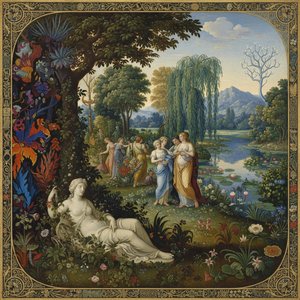
“Dancing Sunlight,” painted in 1937 by Emily Carr, offers an intimate glimpse into the heart of British Columbia’s wilderness – a scene rendered with a profound understanding of light, texture, and the enduring spirit of the land. This evocative work captures a forest at night, not as darkness, but as a vibrant tapestry woven from the last vestiges of sunset and the emerging shadows. The artist's meticulous attention to detail, particularly in the depiction of the trees – some sharply defined, others softened by atmospheric haze – creates a sense of depth that draws the viewer into this tranquil space. It’s a painting that speaks not just of visual beauty but of a deep connection to nature, a hallmark of Carr’s artistic legacy.
Style and Technique: Impressionistic Brushwork
- Impressionistic Approach: Carr employs an impressionistic technique, prioritizing the immediate sensation of light and color over precise representation. The brushstrokes are visible, contributing to a dynamic surface that seems to shimmer with reflected light.
- Layered Application: Notice the layering of paint – thin washes build up atmospheric perspective, while thicker impasto creates texture in the tree trunks and foliage. This technique enhances the three-dimensionality of the scene.
- Color Palette: The dominant hues are warm oranges, reds, and yellows, indicative of the setting sun, contrasted with cooler blues and greens that suggest the deepening shadows. Carr’s masterful use of color evokes a sense of warmth and tranquility.
Historical Context and Emily Carr's Vision
Painted in 1937, “Dancing Sunlight” reflects a pivotal moment in Emily Carr’s career. Following years spent documenting the coastal forests and First Nations communities of British Columbia, she was increasingly drawn to the interior landscapes. This work exemplifies her evolving style – a move towards greater abstraction while retaining a deep respect for the natural world. The painting also speaks to the broader cultural context of the time, when there was growing interest in preserving Canada’s wilderness areas. Carr's art became an important voice advocating for the protection of these unique environments.
Symbolism and Emotional Impact
More than a simple landscape painting, “Dancing Sunlight” is imbued with symbolic meaning. The ‘dancing sunlight’ itself suggests movement, energy, and perhaps even spirituality – a connection between the earthly realm and something beyond. Carr's work frequently explored themes of solitude, resilience, and the power of nature to inspire awe and reverence. The composition invites contemplation, prompting viewers to consider their own relationship with the natural world. The painting’s quiet intensity evokes a sense of peace and wonder, capturing the essence of a timeless moment in the forest.
Dimensions & Reproduction Details
Size: 83 x 60 cm (approximately 32.7 x 23.6 inches)
Date: 1937
OriginalUniqueArt offers a meticulously crafted hand-painted reproduction of Emily Carr’s “Dancing Sunlight,” ensuring the highest quality and authenticity. Each reproduction is created using archival materials, guaranteeing lasting beauty and preserving the original artwork's vibrant colors for generations to come.
Pytania i odpowiedzi
Czy Dancing Sunlight jest dziełem namalowanym ręcznie, czy wydrukiem?
Malowane ręcznie: wykwalifikowany artysta wykonuje olejną kopię Dancing Sunlight na płótnie lnianym.
Jaki rozmiar wybrać dla Dancing Sunlight?
Wymiary oryginału to 83 x 60 cm. Dostępne rozmiary obejmują zakres od 37.3 x 26.8 cm (zł873) do 248.3 x 178.6 cm (zł7173); tabela na tej stronie przedstawia główne warianty oraz ich ceny.
Ile trwa dostawa?
Czas dostawy wynosi od 4 do 5 tygodni, przy czym oferujemy bezpłatną ekspresową wysyłkę na cały świat; na tej stronie dostępna jest również opcja pilnej produkcji. Możesz dokonać zwrotu w ciągu 100 dni z pełnym zwrotem kosztów, bez żadnych dodatkowych warunków.
Gdzie znajduje się oryginał Dancing Sunlight?
Oryginał znajduje się w zbiorach McMichael Canadian Art Collection w Vaughan.
Jakiej techniki użył/a Emily Carr w pracy Dancing Sunlight?
Acrylic On Canvas
 Podgląd w skali 1:1

 Wyślij jako kartkę
 Udostępnij
 Szczegóły dzieła
 Karta informacyjna


 Pobierz obraz
 Podobne obiekty
 RTG
 Pokaz slajdów
 Pytania i odpowiedzi

 Statystyki