Rozmiar tekstu

() ·

Obraz stworzony dla Ciebie, własnoręcznie

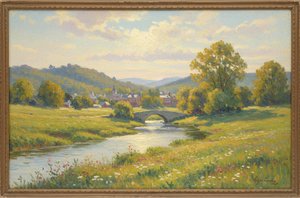
Krajobraz leśny

Ręcznie malowana reprodukcja olejowa

Ręcznie malowany obraz olejny na płótnie, wykonany na zamówienie przez naszych artystów w wybranym przez Ciebie wymiarze i oprawie. ( Przełącz na wydania drukowane Przejdź do wersji cyfrowej)

Opis obiektu

Krajobraz leśny Emilii Carr – piękna reprodukcja obrazu przedstawiającego bujną roślinność i ludzi spacerujących po lesie. Odkryj wyjątkową sztukę Kanadyjskiego Ekspresjonizmu!

Biografia artysty

Emily Carr (1871-1945) – kanadyjska malarka, pionierka sztuki nowoczesnej. Jej mocne obrazy BC i kultury rdzennych Amerykanów łączą postimpresjonizm z unikalną wizją. Ikona Kanady!

od ·

Rozdział 1

Jak duży powinien być ten format?

Przesuń suwak, aby zmienić rozmiar; obraz po lewej stronie przedstawia ramę w jej rzeczywistej szerokości. Zachowano proporcje oryginału.

Standardowy format
personalizowane
CM
INCH

Wybierz spośród naszych standardowych rozmiarów, które zachowują oryginalne proporcje dzieła sztuki.

szerokość
wysokość

Wpisz wymaganą szerokość i wysokość, aby obraz pasował do Twojej ramy lub ściany. Ponieważ jest to dzieło malowane ręcznie, w przypadku rozmiaru o innych proporcjach artysta może domalować nieco więcej wokół obrazu lub przyciąć jego fragmenty — wybór należy do Ciebie. Przed rozpoczęciem pracy prześlemy Ci cyfrową wizualizację do zatwierdzenia. Obraz widoczny na tej stronie nie przedstawia rzeczywistego efektu — jedynie wizualizacja oddaje realny rezultat.

Rozdział 2

W jaki sposób ma zostać dostarczone?

Wybierz krawędzie płótna naciągniętego na ramę

Wybierz ramę

Corner sample of the WhiteWrap canvas edge finish, stretched on lite drewno bars
Białe krawędzie zł1
Corner sample of the BlurSideWrap canvas edge finish, stretched on lite drewno bars
rozmyte krawędzie zł1
Corner sample of the ExtendedWrap canvas edge finish, stretched on lite drewno bars
Przedłużony zł1
Corner sample of the P118B picture frame: polistyren formowany, 5 cm wide and 3 cm thick
P118B zł10
Corner sample of the P118H picture frame: polistyren formowany, 5 cm wide and 3 cm thick
P118H zł10
Corner sample of the P118W picture frame: polistyren formowany, 5 cm wide and 3 cm thick
P118W zł10
Corner sample of the P438Z picture frame: polistyren formowany, 5.5 cm wide and 3.5 cm thick
P438Z zł10
Corner sample of the P508JH picture frame: polistyren formowany, 7 cm wide and 3.5 cm thick
P508JH zł12
Corner sample of the P508YH picture frame: polistyren formowany, 7 cm wide and 3.5 cm thick
P508YH zł12
Corner sample of the P805H picture frame: polistyren formowany, 5 cm wide and 3.5 cm thick
P805H zł10
Corner sample of the P805Z picture frame: polistyren formowany, 5 cm wide and 3.5 cm thick
P805Z zł10
Corner sample of the P919BZ picture frame: polistyren formowany, 7 cm wide and 3.5 cm thick
P919BZ zł10
Corner sample of the P919G picture frame: polistyren formowany, 7 cm wide and 3.5 cm thick
P919G zł10
Corner sample of the P919XJ picture frame: polistyren formowany, 7 cm wide and 3.5 cm thick
P919XJ zł10
Corner sample of the P959ZH picture frame: polistyren formowany, 5 cm wide and 3 cm thick
P959ZH zł10
Corner sample of the P968JZ picture frame: polistyren formowany, 6 cm wide and 4 cm thick
P968JZ zł12
Corner sample of the W106C picture frame: lite drewno, 5 cm wide and 3 cm thick
W106C zł8
Corner sample of the W218G picture frame: lite drewno, 5 cm wide and 3 cm thick
W218G zł10
Corner sample of the W218JH picture frame: lite drewno, 5 cm wide and 3 cm thick
W218JH zł8
Corner sample of the W218Y picture frame: lite drewno, 5 cm wide and 3 cm thick
W218Y zł10
Corner sample of the W307PJ picture frame: lite drewno, 6 cm wide and 3 cm thick
W307PJ zł10
Corner sample of the W316G picture frame: lite drewno, 6 cm wide and 3 cm thick
W316G zł10
Corner sample of the W316PJ picture frame: lite drewno, 6 cm wide and 3 cm thick
W316PJ zł8
Corner sample of the W316Y picture frame: lite drewno, 6 cm wide and 3 cm thick
W316Y zł10
Corner sample of the W398PJ picture frame: lite drewno, 5 cm wide and 3 cm thick
W398PJ zł8
Corner sample of the W4111J picture frame: lite drewno, 6.5 cm wide and 3.5 cm thick
W4111J zł10
Corner sample of the W500HY picture frame: lite drewno, 7 cm wide and 5 cm thick
W500HY zł15
Corner sample of the W500JH picture frame: lite drewno, 7 cm wide and 5 cm thick
W500JH zł15
Corner sample of the W692G picture frame: lite drewno, 8 cm wide and 4 cm thick
W692G zł12
Corner sample of the W849H picture frame: lite drewno, 5 cm wide and 3 cm thick
W849H zł8
Corner sample of the W940BG picture frame: lite drewno, 7.5 cm wide and 4.5 cm thick
W940BG zł15
Corner sample of the W953PJ picture frame: lite drewno, 6 cm wide and 3.5 cm thick
W953PJ zł8
Corner sample of the H24-GOLD picture frame: rzeźbione drewno pokryte gipsem, 10 cm wide and 6 cm thick
H24-GOLD zł30
Corner sample of the H24-SILVER picture frame: rzeźbione drewno pokryte gipsem, 10 cm wide and 6 cm thick
H24-SILVER zł30
Corner sample of the H36-GOLD picture frame: rzeźbione drewno pokryte gipsem, 15 cm wide and 6.5 cm thick
H36-GOLD zł45
Corner sample of the H36-SILVER picture frame: rzeźbione drewno pokryte gipsem, 15 cm wide and 6.5 cm thick
H36-SILVER zł45

Profil: . Wymiar całkowity w ramie: .

Rozdział 3

Kto go maluje i czy coś powinno ulec zmianie?

Przykłady możliwych zmian: Zastąpienie twarzy zdjęciem klienta; Dodanie zwierzęcia (np. zamiana kota na psa); Ukrycie wiadomości w tle; Zmiana krajobrazu lub elementów tła.
Po złożeniu zamówienia zespół OriginalUniqueArt.com skontaktuje się z klientem drogą mailową w celu uzyskania instrukcji i prześle podgląd projektu

Dostawa na całym świecie () w ciągu 3–4 tygodni zamiast standardowych 5 tygodni. (4 Listopad). Bez kompromisów w kwestii jakości.

Rozdział 4

Ostatnie szlify

Tabliczka informacyjna, jak w muzeum?

Szczegóły grawerowanej brązowej tabliczki

This elegant plaque features the artist's name and the title of the artwork, finely engraved for a timeless presentation.

It is made from bronze with a refined, elegant finish. The text is precisely laser-engraved for a sharp and permanent result. Measuring 9x2 cm, the plaque is compact yet easy to read. It's built to be durable and scratch-resistant, offering a professional, museum-quality look. Mounting is simple thanks to the included adhesive backing.

Szczegóły przezroczystej tabliczki akrylowej

The plaque includes essential engraved details such as the artist's name, the title of the artwork, the date it was created, the type of media used-like oil on canvas or watercolor-a brief description of the piece, and a QR code that links to the complete artwork information.

It is crafted from clear acrylic, offering a sleek, modern appearance. The text is UV-engraved in black to ensure strong visual contrast. With a size of 10x15 cm, it ensures optimal readability. It comes equipped with two metal hooks for secure wall mounting. The plaque is designed to be weather-resistant, making it suitable for various environments, and it includes interactive features that work seamlessly with smartphone scanning.

Szczegóły czarnej tabliczki akrylowej

This elegant plaque includes engraved information such as the artist's name, the title of the artwork, the date it was created, the type of media used (like oil on canvas or watercolor), a short description of the artwork, and a QR code for quick access to more information.

The plaque itself is made from refined black acrylic with a premium finish. The text is laser-engraved in white for high contrast and readability. Its size is 10x15 cm, designed to be easy to read. It comes with two metal hooks for professional mounting. The design is sleek and fits any interior style. It is also weather-resistant and durable, with built-in digital integration for mobile compatibility.

Werniks ochronny?

Kiedy potrzebujesz dostawy?

Rozdział 5

Twoje dzieło, dokładnie tak, jak zamówiłeś

Krajobraz leśny

Technika reprodukcji

Wymiary reprodukcji

-

Wybitny mistrz artystyczny

Większa szczegółowość, finezja i dodatkowy czas na realizację

-

Opcje oprawy reprodukcji

-

-

W przypadku dzieł sztuki lub reprodukcji, których którykolwiek z boków przekracza 105 cm (około 41 cali), rama zostanie wysłana w formie zestawu do samodzielnego montażu. Metoda ta zapewnia bezpieczną dostawę i zapobiega uszkodzeniom podczas transportu.

Wymagany profesjonalny montaż – nie jest to produkt typu DIY.
Zestaw musi zostać złożony, a płótno naciągnięte przez doświadczonego profesjonalnego ramiarza, przy użyciu kleju do drewna (brak w zestawie), kleszczy do naciągania płótna oraz ścisków, które utrzymają krosna w równej pozycji podczas schnięcia kleju. Nieprawidłowy montaż lub nierównomierne napięcie płótna może trwale uszkodzić dzieło sztuki i nie podlega naszej gwarancji.

  • W zestawie znajdują się wszystkie listwy z litego drewna, precyzyjnie docięte do wymiarów.

  • Montaż odbywa się przy użyciu dołączonych wkrętów oraz kleju do drewna do łączenia narożników, którego zestaw nie zawiera i który musi zostać dostarczony przez ramiarza.

  • Wymagane są profesjonalne narzędzia, których nie ma w zestawie: kleszcze do naciągania płótna (napinacz) oraz zaciski, które pozwolą utrzymać listwy w równej pozycji podczas schnięcia kleju.

Ważne:
Do połączenia narożników niezbędny jest klej do drewna, listwy należy unieruchomić za pomocą ścisków do momentu całkowitego wyschnięcia kleju, a naciągnięcie płótna na złożoną ramę wymaga użycia kleszczy do naciągania płótna. Żaden z tych elementów nie jest dołączony do zestawu. Przed zamówieniem tego rozmiaru zalecamy konsultację z doświadczonym ramiarzem.

Etykieta obiektu

-

-

Lakier ochronny

Lakier z połyskiem (pogłębia kolory, chroni przed światłem i wilgocią)

-

Personalizacja dzieła

Przykłady możliwości personalizacji: zastąp twarz zdjęciem klienta; dodaj zwierzę domowe (np. zamień kota na psa); umieść ukrytą wiadomość w tle; zmień krajobraz lub elementy tła.

-

Ekspresowa

Dostawa na cały świat () w ciągu 3–4 tygodni zamiast standardowych 5 tygodni. (4 Listopad). Bez kompromisów w kwestii jakości.

-

Przesyłka ekspresowa

Dostawa na cały świat () w ciągu 5 tygodni. (11 Listopad).

W cenie

Cena całkowita

zł 1165

Suma całkowita zł 1165

Opcja ze szkłem jest dostępna wyłącznie w rozmiarach poniżej 110 cm

W każdym zamówieniu

  • Bezpłatna ekspresowa wysyłka na cały świat
  • Wysokiej jakości płótno lniane
  • Pełne ubezpieczenie przesyłki
  • Gwarancja zwrotu należności celnych i podatków importowych
  • Gwarancja wiernego odwzorowania kolorów
  • 100-dniowa polityka zwrotów (tylko w przypadku wad)
  • Gwarancja 100% zwrotu pieniędzy
  • Zniżka przy zakupie wielu sztuk

Emily Carr i Szczęśliwy Świr Drzewnych Liści

Emily Carr, urodzona 13 grudnia 1871 roku w Victorialii, prowincji British Columbia, była czym więcej niż tylko malarką; była kronikarzem zmieniającego się świata, gorącym obserwatorem zarówno majestatu przyrody Zachodniego Wybrania Królestwa Wielkiego Brytanii, jak i bogatej kultury ludności rdzennej jego mieszkańców. Jej życie rozłożyło się na tle szybko przemieniającej się Kanady – kraju mierzącego się z własną tożsamością i relacją z ludami pochodzącymi z Australii Zachodniej – gdzie córka Richarda i Emily Carr, angielskich emigrantów szukających możliwości w rozwijającym się kolonii, dorastała w gospodarstwie domowym, które ceniło zarówno tradycję jak i postęp. Ta dwójność głęboko wpłynęła na jej wizję artystyczną. Już od najmłodszych lat, wspierana przez ojca, Emily wykazała niezwykłą zdolność do sztuki – talent pielęgnowany przez edukację formalną oraz głęboką więź z otaczającym krajobrazem. Imponujące lasy Wyspy Vancouver, szorstkie wybrzeże i żywy świat jego mieszkańców stały się nie tylko źródłem inspiracji dla Carr, ale także fundamentem jej twórczości.
  • Styl: Ekspresjonizm
  • Technika: Olej na płótnie z wykorzystaniem impasto – techniką uzyskiwania głębi i tekstury poprzez aplikację grubszego warstwa farb. Carr często stosowała tę metodę, aby oddać dynamikę ruchu drzew i emocje związane z obserwacją przyrody.
  • Kolorystyka: Dominują ciepłe odcienie pomarańczowego i czerwonego, które podkreślają energię oraz ciepło krajobrazu. Szczególnie istotną rolę odgrywają kolorystyczne refleksy liści drzew, tworzące atmosferę spokoju i piękna.
Historia powstania obrazu „(forest landscape)” jest ściśle związana z kontekstem kulturowym Kanady końca XIX wieku. Emily Carr była jedną z pionierów dokumentowania krajobrazów Zachodniego Wybrania Królestwa Wielkiego Brytanii oraz kultury ludności rdzennej, która wówczas stanowiła istotną część społeczeństwa kolonii. Jej prace często przedstawiają sceny związane z codziennym życiem ludności lokalnej i ukazują piękno natury w sposób pełen emocji i wrażliwości. Carr była szczególnie zainteresowana twórczością ludów północnych Ameryki Północnej, takich jak lud Kwakiutl i lud Haida Gwaii, którzy wykorzystywali symbole i rytuały związane z naturą do wyrażania wierzeń i wartości kulturowych. Obraz „(forest landscape)” odzwierciedla tę fascynację kulturą rdzennych oraz stanowi doskonałe przykład ekspresjonistycznej sztuki, która stara się przekazać uczucia i emocje obserwatora.
  • Symbolizm: Kolor pomarańczowego liścia drzew nawiązuje do energii życia i ciepła słońca – elementów istotnych dla kultury ludności rdzennej, którzy wieryli w moc natury oraz jej zdolność do uzdrawiania i inspirowania.
  • Emocjonalny wpływ: Obraz Carr wywołuje uczucie spokoju, zadumy oraz podziwu dla piękna przyrody. Jego ekspresyjna technika impasto oraz ciepła kolorystyka mają na celu przeniesienie widza w atmosferę lasu i pobudzenie jego emocji.
Znajomość twórczości Emily Carr oraz jej obraz „(forest landscape)” może zainspirować zarówno osoby zainteresowane sztuką dekoracyjną, jak i projektantów wnętrz. Jego ciepła kolorystyka oraz teksturalna powierzchnia impasto doskonale wpisują się w nowoczesne rozwiązania aranżacyjne, dodając pomieszczeniu charakteru oraz podkreślając jego związek z naturą. Reprodukcję obrazu „(forest landscape)” można wykorzystać jako element dekoracyjny ścian lub jako inspirację dla stworzenia harmonijnego krajobrazu wnętrza – prezentując piękno i energię Zachodniego Wybrania Królestwa Wielkiego Brytanii w sposób wyjątkowo subtelny i elegancki. Źródła dodatkowe: Algernon Talmage (1871-1939): Brytyjski impresjonista malarz krajobrazów i zwierząt, wpływowy mentor Emily Carr. Poznaj jego sztukę i dziedzictwo! National Gallery of Canada: Eksploruj Kanadyjską Narodową Galerię Sztuki! Odkryj imponujące kolekcje sztuki rdzennej i europejskiej, innowacyjne wystawy oraz architektoniczną maestrię Ottawy.

Pytania i odpowiedzi

Czy mogę zobaczyć „Krajobraz leśny” – Emily Carr w różnym oświetleniu?

Widok rentgenowski dzieła „Krajobraz leśny” – Emily Carr jest dostępny na stronie Analiza rentgenowska: to interaktywna analiza obrazu obejmująca jedenaście warstw optycznych.

Czy kolory dzieła "Krajobraz leśny" są intensywne czy stonowane?

Kolory dzieła „Krajobraz leśny” – Emily Carr charakteryzują się Przygaszone nasyceniem oraz Monochromatyczność intensywnością.

W jaki sposób Expressionistic Landscape dzieła „Krajobraz leśny” nawiązuje do kraju pochodzenia artysty?

"Krajobraz leśny" łączy nurt Expressionistic Landscape z Kanada poprzez miejsce urodzenia jego twórcy.

Więcej o tym obrazie

Podgląd w skali 1:1 Podgląd AR Przełącz na wydania drukowane Przejdź do wersji cyfrowej Wyślij jako kartkę
Szczegóły dzieła Przewodnik Dodaj do ulubionych Pobierz obraz Podobne obiekty RTG Pokaz slajdów Pytania i odpowiedzi Statystyki

W liczbach

  • 29dostępne ramy do wyboru
  • standardowe formaty, w ich własnych proporcjach
  • 5tygodni na namalowanie i dostarczenie dzieła
Emily Carr

Emily Carr

1871 - 1945, Kanada

Krótkie informacje o Emily Carr

  • Artistic Movement Or Style: Modernism, Post-Impressionism
  • Artists Or Movements Influenced By This Artist: ['Pegi Nicol Macleod']
  • Date Of Birth: Dec 13, 1871
  • Date Of Death: Mar 2, 1945
  • Full Name: Emily Carr
  • Nationality: Canadian
  • Notable Artworks:
    • Tanoo
    • A Haida Village
    • The Indian Church
  • Place Of Birth: Victoria, Canada

Biografia artysty

Emily Carr – A Life Rooted in the Landscape and Spirit of British Columbia

Emily Carr, born December 13, 1871, in Victoria, British Columbia, was more than just a painter; she was a chronicler of a changing world, a passionate observer of both the natural majesty of the Pacific Northwest and the rich cultural heritage of its First Nations peoples. Her life unfolded against the backdrop of a rapidly evolving Canada, a nation grappling with its identity and relationship to its Indigenous populations. The daughter of Richard Carr, an English immigrant who sought opportunity in the burgeoning colony, and Emily Saunders, she grew up in a household that valued both tradition and progress. This duality would profoundly shape her artistic vision. From an early age, encouraged by her father, Emily displayed a remarkable aptitude for art, a talent nurtured through formal instruction and a deep connection to the surrounding landscape. The imposing forests of Vancouver Island, the rugged coastline, and the vibrant life within them became enduring sources of inspiration. However, it was not merely the visual beauty that captivated Carr; she sought to capture the *spirit* of this land, its inherent power and mystery.

Early Years and Artistic Foundations

Emily Carr’s formative years instilled in her a profound appreciation for both English heritage and Canadian identity—a duality that would permeate her artistic worldview throughout her life. Her father, Richard Carr, was born in Crayford, Kent, England, and embarked on extensive travels across Europe, the Americas, and the Caribbean in pursuit of entrepreneurial ventures. He returned to England briefly with Emily’s mother, Emily Saunders, to savor the wealth he had amassed as a merchant in California, before establishing his family home permanently in Victoria in 1863. The Carr household was situated on Birdcage Walk (now Government Street), in the James Bay district of Victoria—a short distance from the legislative buildings (“lsquo;Birdcages’) and the town itself—and embodied the grandeur of Victorian England amidst the burgeoning frontier spirit of British Columbia. Her father’s insistence on a “Canadian education” for his daughters contrasted sharply with the prevailing social norms, shaping Emily's early understanding of cultural identity. She attended local primary and secondary schools in Victoria, prioritizing academic rigor alongside artistic exploration—a commitment that would define her lifelong pursuit of knowledge and creative expression. Carr received early art instruction at home from her father, who recognized her innate talent and fostered her passion for painting. He gifted her *The Boy’s Own Book of Natural History*, demonstrating his belief in the importance of scientific observation alongside artistic appreciation—a conviction that would inform Carr's meticulous approach to depicting landscapes and capturing the essence of Indigenous cultures. This early exposure to art instilled in her a lifelong fascination with visual representation, preparing her for the transformative experiences she would encounter during her subsequent studies abroad. Her mother’s untimely death from tuberculosis at age fourteen profoundly impacted Emily’s life trajectory—leaving her orphaned and necessitating a shift towards independent living under the guardianship of Edith Carr—a circumstance that further solidified her determination to forge her own path in pursuit of artistic fulfillment.

Formal Training and European Influences

Emily Carr pursued formal art training initially at the San Francisco Art Institute (1890-1892), immersing herself in American Impressionist aesthetics before relocating to London in 1899—where she enrolled at Westminster School of Art, seeking guidance from prominent instructors and honing her artistic technique. Her time in London coincided with a burgeoning interest in European artistic currents, particularly Post-Impressionism—influences that would profoundly shape Carr’s distinctive style. She traveled extensively throughout Europe during this period, absorbing inspiration from artists such as Vincent van Gogh, Claude Monet, and Camille Pissarro—whose bold colors and expressive brushstrokes resonated deeply with Carr's own artistic sensibilities. Furthermore, she attended Meadows Studio at Bushey Hertfordshire, where she studied under John Whiteley—a pivotal encounter that solidified her commitment to mastering traditional painting methods while simultaneously experimenting with innovative techniques. These formative experiences instilled in her a disciplined approach to artmaking—one that would serve as the bedrock of her enduring legacy.

The Spirit of British Columbia and Indigenous Inspiration

Carr’s artistic vision was irrevocably shaped by her unwavering connection to the landscapes and cultures of British Columbia—a region she regarded as possessing an unparalleled spiritual vitality. She returned to Victoria after completing her studies in London, establishing a studio and dedicating herself to capturing the majesty of the Pacific Northwest forests with uncompromising honesty and passion. Her paintings are characterized by bold colors, dynamic brushstrokes, and an almost visceral energy—reflecting her profound engagement with the natural world and her desire to convey its inherent power and beauty. However, Carr’s artistic exploration extended far beyond mere landscape depiction; she sought to capture the *spirit* of British Columbia—its intangible essence—through meticulous observation and expressive technique. This quest for authenticity led her to embark on numerous expeditions into remote Indigenous villages along the coast—where she documented totem poles, ceremonial rituals, and daily life with reverence and respect. These encounters profoundly impacted Carr’s artistic worldview—inspiring her to infuse her paintings with a spiritual depth that distinguished them from conventional representations of nature. Carr's exploration of First Nations culture was not merely an aesthetic endeavor; it represented a genuine commitment to preserving Indigenous traditions and documenting their unique worldview—a conviction that fueled her tireless efforts to capture the essence of Northwest Coast art and spirituality. Her paintings stand as powerful testimonies to this cultural engagement—reflecting her profound understanding of symbolism, mythology, and the interconnectedness between humans and nature. As she matured, Carr’s artistic style evolved—embracing abstraction while retaining a steadfast connection to her formative experiences—solidifying her position as one of Canada's most innovative and influential modernist painters. Her legacy continues to inspire artists today—serving as a reminder of the transformative power of observation, experimentation, and unwavering devotion to artistic vision. ## Major Works
  • Tanoo (watercolor): A delicate yet powerful depiction of First Nations life, showcasing Carr’s mastery of watercolor techniques.
  • A Haida Village (oil): A striking oil painting that captures the architectural grandeur and spiritual significance of a Haida village.
  • The Indian Church (oil): A poignant representation of the intersection between Indigenous culture and Christian missionary influence, reflecting Carr’s complex engagement with colonial history.
  • Kispiox Village (oil): An iconic painting that embodies Carr's unique style and her deep connection to the landscapes and communities of British Columbia.
Emily Carr remains a beacon of Canadian artistic achievement—a testament to unwavering dedication, profound observation, and an enduring passion for capturing the spirit of both landscape and culture.

Najważniejsze informacje

  • Title: (forest landscape)
  • Influences: Algernon Talmage
  • Movement: Impressionizm
  • Subject or theme: Krajobraz leśny
  • Artistic style: Ekspresjonizm
  • Artist: Emily Carr
Odkryj dzieła sztuki uporządkowane według tematów, stylów i cech charakterystycznych.