Wyślij jako kartkę
 Udostępnij
 Szczegóły dzieła
 Przewodnik

 Pobierz obraz
 Podobne obiekty
 Pokaz slajdów
 Q&A
Q&A Statystyki
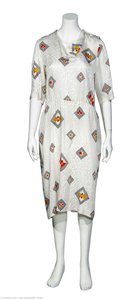
The Tears Dress


 Rozwiń treść
Dzieło sztuki prezentowane na tej stronie podlega ochronie prawem autorskim, co oznacza, że nie mamy prawa do tworzenia ani sprzedaży jego identycznej reprodukcji. Ochrona ta jest egzekwowana na mocy umów międzynarodowych, takich jak Konwencja berneńska oraz przez przepisy prawa krajowego, w tym te określone w Prawo autorskie USA – Tytuł 17.
Metoda ta jest w pełni zgodna z przepisami prawa autorskiego, ponieważ nie polega na kopiowaniu ani powielaniu chronionego dzieła. Stanowi ona kreatywną reinterpretację – nowy obraz, który czerpie inspirację z oryginału, ale nie jest z nim tożsamy.
Giclée / Wydruk artystyczny
Wydruki giclée lub płótna o jakości muzealnej, szybka realizacja i szeroki wybór opcji wykończenia. ( Zamów ręcznie malowaną reprodukcję Przejdź do wersji cyfrowej)




































Wybierz spośród naszych standardowych rozmiarów, które zachowują oryginalne proporcje dzieła sztuki.

Wpisz wymaganą szerokość i wysokość, aby dopasować grafikę do ramy lub ściany. Wydruk można jedynie przyciąć, nigdy nie powiększając go poza oryginalny obraz, dlatego format o innych proporcjach spowoduje utratę części kompozycji. Przed rozpoczęciem druku prześlemy Ci cyfrowy podgląd do zatwierdzenia. Obraz wyświetlany na tej stronie nie pokazuje rzeczywistego przycięcia — jedynie podgląd oddaje ten efekt.
Dostawa na cały świat () w ciągu 2 tygodni zamiast standardowych 4/5 tygodni. (2 Listopad)

Bezpłatna ekspresowa wysyłka na cały świat

Wysokiej jakości płótno lniane

Pełne ubezpieczenie przesyłki

Gwarancja zwrotu należności celnych i podatków importowych

Gwarancja wiernego odwzorowania kolorów

100-dniowa polityka zwrotów (tylko w przypadku wad)

Gwarancja 100% zwrotu pieniędzy

Zniżka przy zakupie wielu sztuk
 Opcja ze szkłem jest dostępna wyłącznie w rozmiarach poniżej 110 cm

The Tears Dress
Giclée / Wydruk artystyczny
Wymiary reprodukcji
-


Cena całkowita
zł 312
A Fracture in Silk
The gown hangs with a heavy, quiet grace. It is a sheath of viscose rayon and silk marocain, pale and smooth before the disruption begins. Across this surface, jagged lines cascade like sudden wounds. These irregular shapes mimic the appearance of shredded flesh, a trompe-l'œil trick that blurs the boundary between fabric and skin. The print creates an illusion of something torn, a visual echo of the psychological fractures felt in 1938. A matching veil rests upon the head, its edges lined with pink and magenta fabric to suggest the raw interior of a tear.
The silhouette remains simple, yet the texture is violent. The jagged edges interrupt the fluid drape of the crepe material. It is a garment that wears its own destruction.
Shadows of 1938
The air of the late 1930s carried a specific weight, a tension felt in the escalating movements toward war. This dress, born from the Circus collection, captures that encroaching darkness. The design draws from unsettling imagery, specifically the way flesh and fabric can appear indistinguishable when wounded. It reflects a period where the stability of the world seemed to be fraying at the seams.
The woman in the photograph rests her hand against her face. Her pose is inward, caught in a moment of private sorrow. The monochrome tones of the image deepen the sense of melancholy, stripping away color to focus on the stark contrast between light and shadow. There is no movement here, only the stillness of a grief that has already arrived.
The fabric holds its shape even as it appears to fall apart.
Pytania i odpowiedzi
Czy mogę przyjrzeć się bliżej dziełu "The Tears Dress"?
Widok rentgenowski dzieła „The Tears Dress” – Elsa Schiaparelli jest dostępny na stronie Analiza rentgenowska: to interaktywna analiza obrazu obejmująca jedenaście warstw optycznych.
Jaki klimat wprowadziłaby do wnętrza reprodukcja „The Tears Dress” – Elsa Schiaparelli?
Dramatic atmosfera dzieła „The Tears Dress” – Elsa Schiaparelli idealnie współgra z polecaną przestrzenią: jest nią Living Room.
Jak opisany jest nastrój dzieła „The Tears Dress” – Elsa Schiaparelli?
"The Tears Dress" ma Dramatic atmosferę.
Biografia artysty
A Rebel Spirit in Haute Couture: The World of Elsa Schiaparelli
Elsa Luisa Maria Schiaparelli, a name that echoes through the annals of 20th-century fashion and art, was an undeniable force of innovation and rebellion. Born into a world of privilege in Rome in 1890 – her father, Celestino Schiaparelli, a distinguished scholar specializing in Islamic studies and Sanskrit, and her uncle, Giovanni Schiaparelli, the astronomer famed for his observations of Mars – she inherited not only a legacy of intellectual curiosity but also an innate sense of challenging convention. Unlike many women of her era who embraced traditional roles, Elsa possessed a fiercely independent spirit, fueled by a deep love for art, mythology, and a fascination with the unconventional—a cosmos reflected in her family’s scientific pursuits. Her early life was marked by a certain turbulence, including a marriage to Wilhelm de Kerlor, a self-proclaimed psychic whose influence introduced her to a world of spiritualism and occult practices – themes that subtly informed her later designs, adding layers of intrigue and mystery to her creations.From Knitwear to Surrealist Statements: The Rise of a Fashion House
Schiaparelli’s initial foray into the fashion world was surprisingly pragmatic, born from a dissatisfaction with the prevailing styles of the late 1920s. Recognizing a gap in the market for comfortable yet sophisticated clothing, she began experimenting with knitwear, quickly establishing herself as a skilled artisan. In 1927, she boldly established her own fashion house in Paris, a move that immediately expanded beyond simple knitwear to encompass a full range of haute couture designs. However, it was during the 1930s that Schiaparelli truly blossomed, forging groundbreaking collaborations with the leading artists of the Surrealist movement – a period that irrevocably transformed her aesthetic vision and cemented her place in fashion history. This wasn’t merely about creating beautiful garments; it was about challenging the very definition of what clothing could be, embracing the absurd, and provoking thought through visual spectacle. Her partnerships with figures like Salvador Dalí, Jean Cocteau, and Man Ray were not just artistic collaborations but a deliberate rejection of the established norms of Parisian fashion, which at the time favored elegance and restraint.Shocking Pink and Trompe-l'œil: Defining a Unique Aesthetic
Schiaparelli’s designs were instantly recognizable for their audacious use of color, most notably her signature “shocking pink” – a vibrant, almost aggressive hue that defied the muted palettes favored by many of her contemporaries. This bold choice wasn’t simply a stylistic preference; it was a deliberate statement of rebellion and a rejection of conventional beauty standards. Beyond color, Schiaparelli masterfully employed *trompe-l'œil* effects—creating illusions that blurred the boundaries between art and fashion. She incorporated unexpected materials into her designs – leather, metal, even newspaper print – pushing the limits of textile innovation and challenging traditional notions of what fabrics could achieve. Her collections often drew inspiration from mythology, nature, and everyday objects, transforming them into wearable works of art. The Circus Collection of 1938 stands as a particularly striking example, featuring theatrical costumes adorned with whimsical motifs and exaggerated silhouettes—a testament to her playful approach and her ability to create immersive experiences through fashion. The Evening Coat (1936), showcasing the daring use of leather in high fashion, demonstrated her willingness to experiment with unconventional materials and push creative boundaries.Key Works and Collaborations
- Lobster Dress (1937): A collaboration with Salvador Dalí, featuring a vibrant lobster image printed on silk – an iconic symbol of Schiaparelli’s surrealist aesthetic.
- Shoe Hat (1938): Another unforgettable creation by Schiaparelli and Dalí, a hat shaped like a high-heeled shoe, further blurring the lines between fashion and art.
- Circus Collection (1938): A dazzling display of innovative design featuring theatrical costumes and whimsical motifs, showcasing her ability to create immersive experiences through fashion.
- Evening Coat (1936): An example of her use of unconventional materials like leather in high fashion, demonstrating her daring experimentation with textile innovation.
Legacy and Revival: An Enduring Influence
Despite facing financial difficulties and a decline in popularity after World War II, Elsa Schiaparelli’s influence on fashion remains profoundly significant. She didn't simply create beautiful clothes; she redefined fashion as an art form—a bold statement that continues to resonate today. Her innovative use of materials, her playful approach to design, and her fearless experimentation paved the way for future generations of designers to embrace artistic collaborations and push creative boundaries. Her work is now celebrated in prominent museums worldwide, including the Kyoto Costume Institute and the Victoria and Albert Museum, solidifying her place as a true visionary in the history of fashion. The Maison Schiaparelli was re-established in 2014, demonstrating the enduring appeal of her unique aesthetic and ensuring that her legacy continues to inspire and captivate audiences for years to come. Elsa Schiaparelli’s story is one of rebellion, innovation, and a profound understanding of the power of art—a testament to the transformative potential of fashion as a means of self-expression and artistic exploration.
Elsa Schiaparelli
1890 - 1973 , Włochy
Krótka nota
- Artistic Movement Or Style: Surrealistyczna moda
- Artists Or Movements Influenced By This Artist: ['Projektanci współcześni']
- Date Of Birth: 1890
- Date Of Death: 1973
- Full Name: Elsa Luisa Maria Schiaparelli
- Nationality: Włoska
- Notable Artworks:
- Suknia Krabowa
- Kapelusz-But
- Płaszcz Wieczorny
- Place Of Birth: Rzym, Włochy
Powiązane artykuły
Draped Narratives: Fashion as Symbol & Subject in Historical Art
Explore the fascinating history of fashion as a symbol of power & status in art! Discover masterpieces from Gainsborough to Tissot and learn how clothing shaped societal narratives. Find museum-quality reproductions at OriginalUniqueArt.

Mikhail Larionov: Rayonism, Primitivism & the Dawn of Russian Avant-Garde Painting
Explore the revolutionary art of Mikhail Larionov & the Russian Avant-Garde. Discover Rayonism, Primitivism's influence, and his lasting impact on modern painting. Expert insights for collectors.
Gianfranco Ferré: Deconstructing Haute Couture – A Legacy of Architectural Form
Explore the revolutionary world of Gianfranco Ferré, 'the architect of fashion.' Discover his architectural approach to haute couture, iconic Dior designs, and lasting influence on luxury style. A deep dive for collectors & enthusiasts.

Breaking Tradition: A Definitive Guide to the Evolution of Early Modernism and the Avant-Garde
Explore the transformative era of Early Modernism. From Cézanne's Post-Impressionism to the radical Russian Avant-Garde and Cubism, discover how masters broke tradition to redefine art history through our expert-led guide for collectors and enthusiasts.
The Lens of Luxury: A Visual Journey Through the Evolution and Artistry of Fashion Photography
Embark on a visual journey through the evolution of fashion photography. Discover how masters like Gianfranco Ferré blended geometry, surrealism, and texture to redefine high-fashion art for collectors and connoisseurs of luxury imagery.