

 Podgląd w skali 1:1
 Wyślij jako kartkę
 Udostępnij
 Szczegóły dzieła
 Przewodnik

 Pobierz obraz
 Podobne obiekty
 RTG
RTG Pokaz slajdów
 Q&A
Q&A Statystyki
Christ among the Doctors
 Oil On Canvas
- WallArt
- Baroque
 1618
1618- Early Modern
 135.0 x 202.0 cm
 Alte Pinakothek
 Rozwiń treść
Giclée / Wydruk artystyczny
Wydruki giclée lub płótna o jakości muzealnej, szybka realizacja i szeroki wybór opcji wykończenia. ( Zamów ręcznie malowaną reprodukcję Przejdź do wersji cyfrowej)




P118B zł10

P118H zł10

P118W zł10

P438Z zł10

P508JH zł12

P508YH zł12

P805H zł10

P805Z zł10

P919BZ zł10

P919G zł10

P919XJ zł10

P959ZH zł10

P968JZ zł12

W106C zł8

W218G zł10

W218JH zł8

W218Y zł10

W307PJ zł10

W316G zł10

W316PJ zł8

W316Y zł10

W398PJ zł8

W4111J zł10

W500HY zł15

W500JH zł15

W692G zł12

W849H zł8

W940BG zł15

W953PJ zł8




Wybierz spośród naszych standardowych rozmiarów, które zachowują oryginalne proporcje dzieła sztuki.

Wpisz wymaganą szerokość i wysokość, aby dopasować grafikę do ramy lub ściany. Wydruk można jedynie przyciąć, nigdy nie powiększając go poza oryginalny obraz, dlatego format o innych proporcjach spowoduje utratę części kompozycji. Przed rozpoczęciem druku prześlemy Ci cyfrowy podgląd do zatwierdzenia. Obraz wyświetlany na tej stronie nie pokazuje rzeczywistego przycięcia — jedynie podgląd oddaje ten efekt.
Dostawa na cały świat () w ciągu 2 tygodni zamiast standardowych 4/5 tygodni. (29 Październik)

Bezpłatna ekspresowa wysyłka na cały świat

Wysokiej jakości płótno lniane

Pełne ubezpieczenie przesyłki

Gwarancja zwrotu należności celnych i podatków importowych

Gwarancja wiernego odwzorowania kolorów

100-dniowa polityka zwrotów (tylko w przypadku wad)

Gwarancja 100% zwrotu pieniędzy

Zniżka przy zakupie wielu sztuk
 Opcja ze szkłem jest dostępna wyłącznie w rozmiarach poniżej 110 cm

Christ among the Doctors
Giclée / Wydruk artystyczny
Wymiary reprodukcji
-


Cena całkowita
zł 308
A Divine Encounter in Shadow and Light
In the profound stillness of 1618, Dirck van Baburen captured a moment of intellectual and spiritual electricity in his masterpiece, Christ among the Doctors. This painting is not merely a depiction of a biblical episode; it is a visceral theatrical performance rendered in oil. The scene brings to life the Finding in the Temple, where the young Jesus engages in a spirited theological debate with the learned elders of Jerusalem. As viewers, we are not mere observers standing at a distance, but participants drawn into the intimate circle of scholars and seekers. The composition vibrates with the tension of discovery, as the light of divine wisdom illuminates the faces of those gathered around the central figure.
The emotional weight of the piece lies in its ability to balance the gravity of religious discourse with the human curiosity of the onlookers. There is a palpable sense of movement—the leaning bodies, the furrowed brows, and the intense gazes that converge upon the young Christ. For the collector or the interior designer, this work offers more than just aesthetic beauty; it provides a focal point of profound contemplation, making it an ideal centerpiece for spaces dedicated to thought, study, or quiet reflection.
The Mastery of the Utrecht Caravaggisti
To understand the technical brilliance of this work, one must look to the artist's transformative journey through Rome. As a leading figure of the Utrecht School of Caravaggisti, van Baburen brought the revolutionary language of tenebrism back to the Netherlands. In Christ among the Doctors, he employs a dramatic use of chiaroscuro—the stark contrast between deep, swallowing shadows and sudden, piercing highlights. This technique does more than create depth; it sculpts the figures out of the darkness, giving them a three-dimensional presence that feels almost tactile.
The brushwork is deliberate yet fluid, capturing the varied textures of the era: the heavy folds of scholarly robes, the weathered skin of the doctors, and the crisp edges of the open book that serves as the anchor of the discussion. The palette is rich and earthy, grounded in tones that evoke antiquity and permanence. This mastery of light and shadow creates a cinematic atmosphere, where every flicker of illumination tells a story of revelation. For those seeking a high-quality reproduction, these nuances of texture and light are what elevate the piece from a simple image to a window into the seventeenth century.
A Timeless Symbolism for the Modern Collector
Beyond its technical prowess, the painting is steeped in layers of symbolism that resonate across centuries. The open book at the heart of the composition represents the intersection of human knowledge and divine truth. It serves as a bridge between the earthly intellect of the doctors and the celestial wisdom embodied by Christ. This theme of searching for meaning through study and dialogue remains deeply relevant in our contemporary world, making the painting an inspiring addition to any curated collection.
Integrating such a powerful work into a modern interior requires an eye for balance. Whether placed in a grand library or a sophisticated living space, the dramatic energy of van Baburen’s style commands attention without overwhelming the room. It invites conversation and serves as a testament to the enduring power of the Dutch Golden Age. Owning a reproduction of this caliber is an opportunity to surround oneself with the legacy of the masters, bringing a sense of historical depth and spiritual resonance to the most cherished corners of a home.
Pytania i odpowiedzi
Czy w „Christ among the Doctors” – Dirck Van Baburen zastosowano silne kontrasty czy raczej łagodne harmonie?
Analiza kolorystyczna dzieła „Christ among the Doctors” – Dirck Van Baburen ukazuje Gentle kontrast oraz Strong Color Unity harmonię.
Jak intensywne są kolory w „Christ among the Doctors” – Dirck Van Baburen?
Kolory w „Christ among the Doctors” – Dirck Van Baburen charakteryzują się Monochromatic intensywnością.
Jaką harmonię kolorów prezentuje „Christ among the Doctors” – Dirck Van Baburen?
„Christ among the Doctors” – Dirck Van Baburen prezentuje Strong Color Unity harmonię kolorystyczną.
Biografia artysty
Cień i Światło: Życie Dircka van Baburena
W annałach Złotego Wieku Holandii niewiele nazwisk przywołuje tak dojmujący dramat cienia i nagłego rozbłysku światła, jak Dirck van Baburen. Urodzony około 1595 roku w Wijk bij Duurstede, jego życie było krótkim, lecz olśniewającym uderzeniem meteoru na płótnie historii sztuki. Choć jego lata były tragicznie krótkie i zakończyły się w 1624 roku, zdołał on wywołać rewolucję stylistyczną, która przedefiniowała północnoeuropejską estetykę. Jako centralny filar Utrechckiej Szkoły Caravaggistów, van Baburen nie tylko malował sceny; on aranżował momenty głębokiego napięcia, wykorzystując surowy język tenebryzmu, aby wciągnąć widza w intymną, często szorstką rzeczywistość swoich bohaterów.
Fundamenty jego mistrzostwa zostały położone w pracowniach Utrechtu, pod okiem szanowanego Paulusa Moreelse. Jednak prawdziwa metamorfoza jego duszy i pędzla dokonała się podczas transformującej pielgrzymki do Rzymu między 1612 a 1615 rokiem. To właśnie na skąpanych w słońcu, a jednak usianych cieniami ulicach Wiecznego Miasta, van Baburen zetknął się z rewolucyjnym duchem Caravaggia. Dzięki bliskiej relacji z Bartolomeo Manfredim, oddanym zwolennikiem metod Caravaggia, młody Holender przyswoił sekrety chiaroscuro—sztuki wykorzystywania ekstremalnych kontrastów między światłem a mrokiem w celu nadania postaciom trójwymiarowości i psychologicznej głębi. Ta rzymska immersja nie miała charakteru wyłącznie akademickiego; był to awans społeczny i zawodowy, gdyż dzięki niej uzyskał zlecenia od prestiżowych patronów, takich jak kardynał Scipione Borghese, co postawiło go w samym sercu ruchu barokowego.
Geneza Utrechckich Caravaggistów
Po powrocie do Niderlandów van Baburen nie przybył jako zwykły uczeń, lecz jako awangardzista. Wraz z współczesnymi mu artystami, takimi jak Hendrick ter Brugghen i Gerard van Honthorst, stał na czele ruchu, który na zawsze odmienił trajektorię malarstwa holenderskiego. Ta grupa, znana jako Utrechccy Caravaggisci, dążyła do przeszczepienia dramatycznej intensywności włoskiego baroku na lokalny grunt. Ich twórczość charakteryzowała się odejściem od wygładzonych, spokojnych krajobrazów swoich poprzedników, wybierając zamiast tego:
- Sceny rodzajowe: Żywe, często gwarnie przedstawione fragmenty codziennego życia, obejmujące muzyków, pijaków i chłopów, oddane z uderzającym poczuciem obecności.
- Tenebryzm: Wykorzystanie głębokich, nieprzeniknionych cieni, które pochłaniają tło, zmuszając oko widza do skupienia się wyłącznie na oświetlonych postaciach.
- Emocjonalna bezpośredniość: Koncentrację na ludzkiej kondycji, uchwycenie ulotnych wyrazów radości, smutku czy kontemplacyjnego spokoju.
Jego techniczna biegłość pozwalała mu manipulować światłem tak, jakby było ono substancją fizyczną, rzeźbiąc postacie z ciemności z precyzją, która wydawała się niemal dotykowa. Bez względu na to, czy przedstawiał religijny żar, czy skromne czynności w karczmie, jego warsztat posiadał energię, która niwelowała dystans między monumentalną skalą sztuki włoskiej a intymnym, domowym skupieniem tradycji holenderskiej.
Dziedzictwo i znaczenie historyczne
Wpływ Dircka van Baburena wykracza daleko poza granice Utrechtu. Choć jego kariera została przerwana w wieku zaledwie trzydziestu kilku lat, fale jego innowacji rozchodziły się przez kolejne dekady, wpływając na rozwój holenderskiego baroku i stanowiąc stylistyczną zapowiedź dzieł Rembrandta van Rijn. Sposób, w jaki Rembrandt później operował światłem, by wywołać głębokie prawdy psychologiczne, winien jest znaczną część fundamentom położonym przez mistrzów z Utrechtu.
Dziś van Baburen jest wspominany nie tylko jako naśladowca włoskiego mistrza, ale jako architekt nowego języka wizualnego. Przekształcił płótno w scenę, na której światło i cień odgrywają nieustanny dramat, dbając o to, by jego nazwisko pozostało wyryte w historii sztuki jako imię mistrza tego, co głębokie, dramatyczne i głęboko ludzkie. Jego zdolność do odnajdywania niezwykłości w tym, co zwyczajne, nieustannie fascynuje badaczy i miłośników sztuki, służąc jako świadectwo trwałej mocy ducha caravaggizmu.

Dirck Van Baburen
1595 - 1624 , Holandia
Krótka nota
- Artistic Movement Or Style: Karafaggiści; Szkoła z Utrechtu
- Artists Or Movements Influenced By This Artist: ['Rembrandt van Riijn']
- Artists Who Influenced This Artist:
- Paulus Moreelse
- Bartolomeo Manfredi
- Date Of Birth: Utrecht, Holandia (1595)
- Date Of Death: 1624
- Full Name: Dirck Jaspersz. van Baburen
- Nationality: Holenderski
- Notable Artworks:
- Prokustka
- Filozof
- Św. Franciszek w medytacji
- Place Of Birth: Wijk bij Duurstede
Powiązane artykuły

25 Masterpieces by Francisco de Zurbarán: The King of Spanish Baroque
Immerse yourself in the dramatic world of Francisco de Zurbarán. Explore 25 iconic Spanish Baroque masterpieces defined by intense tenebrism and spiritual realism. Find inspiration for museum-quality art reproductions and decor. Discover all masterpieces on OriginalUniqueArt.com.

El Greco: 25 Arcydzieł Genialnego Malarza – Kolekcja dla Koneserów Sztuki i Wystroju Domu
Odkryj 25 arcydzieł El Greco – mistrza renesansu i manieryzmu. Poznaj historie, techniki i duchowość w jego obrazach. Reprodukcje najwyższej jakości na OriginalUniqueArt.com. Inspiracje do wnętrz i kolekcja sztuki online!

Master of Shadows: The 25 Most Powerful Artworks by Francisco de Zurbarán
Immerse yourself in the dramatic shadows of Spanish Baroque master Francisco de Zurbarán. Explore 25 iconic artworks defined by intense tenebrism and spiritual depth. Find museum-quality reproductions and decor inspiration. Discover all masterpieces on OriginalUniqueArt.com.
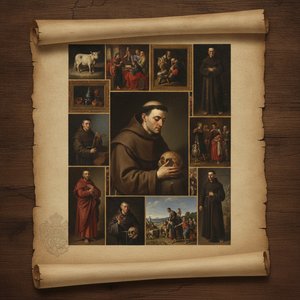
25 Masterpieces by Francisco de Zurbarán: The Soul of Spanish Baroque
Immerse yourself in the dramatic world of Francisco de Zurbarán. Explore 25 iconic Spanish Baroque masterpieces defined by intense tenebrism and spiritual realism. Find inspiration for museum-quality art reproductions and decor. Discover all masterpieces on OriginalUniqueArt.com.

25 Masterpieces by Francisco de Zurbarán: The King of Spanish Baroque Tenebrism
Immerse yourself in the dramatic world of Francisco de Zurbarán. Explore 25 iconic Spanish Baroque masterpieces defined by intense tenebrism and spiritual realism. Find inspiration for museum-quality art reproductions and decor. Discover all masterpieces on OriginalUniqueArt.com.