Zobacz w skali 1:1
 Wyślij
 Udostępnij
 Szczegóły
 Przewodnik

 Pobierz plik obrazu
 Podobne obiekty
 RTG
RTG Pokaz slajdów
 Statystyki
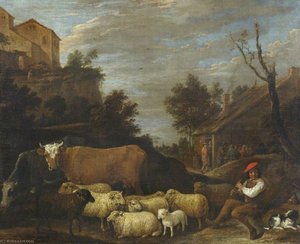
Country Kermis
 Oil On Canvas
- WallArt
- Baroque Genre Painting
 1650
1650 78.0 x 106.0 cm
 Rijksmuseum
 Czytaj więcej
Giclée / Wydruk artystyczny
Wydruki giclée lub płótna o jakości muzealnej, szybka realizacja i szeroki wybór opcji wykończenia. ( Kup ręcznie malowany obraz Przełącz na wersję cyfrową)




P118B $10

P118H $10

P118W $10

P438Z $10

P508JH $12

P508YH $12

P805H $10

P805Z $10

P919BZ $10

P919G $10

P919XJ $10

P959ZH $10

P968JZ $12

W106C $8

W218G $10

W218JH $8

W218Y $10

W307PJ $10

W316G $10

W316PJ $8

W316Y $10

W398PJ $8

W4111J $10

W500HY $15

W500JH $15

W692G $12

W849H $8

W940BG $15

W953PJ $8




Wybierz spośród naszych standardowych rozmiarów, które zachowują oryginalne proporcje dzieła sztuki.

Możesz wprowadzić własne wymiary, aby dopasować dzieło do konkretnej ramy lub przestrzeni. Jeśli wybrany rozmiar nie będzie odpowiadał proporcjom oryginalnego obrazu, przytniecie dzieło lub rozszerzymy obraz za pomocą odbicia lustrzanego lub jednolitego wypełnienia krawędzi. Przed rozpoczęciem produkcji prześlemy cyfrową wizualizację do Twojej akceptacji.
Prosimy pamiętać, że podgląd na ekranie nie odzwierciedla faktycznego przycinania ani rozszerzania. Tylko wizualizacja dokładnie pokaże końcową kompozycję.
Mimo dostępności niestandardowych rozmiarów, zalecamy wybór wymiaru z listy zdefiniowanej, aby zachować oryginalne proporcje.
Dostawa na cały świat () w ciągu 2 tygodni zamiast standardowych 4/5 tygodni. (25 Wrzesień)

Bezpłatna ekspresowa wysyłka na cały świat

Wysokiej jakości płótno lniane

Pełne ubezpieczenie transportowe

Gwarancja zwrotu należności celnych i podatków importowych

Gwarancja idealnego odwzorowania barw

100-dniowy okres na zwrot dzieła w przypadku wykrycia wad produkcyjnych

Gwarancja 100% zwrotu pieniędzy

Oferta przy zakupie wielu sztuk
 Opcja ze szkłem jest dostępna wyłącznie w rozmiarach poniżej 110 cm

Country Kermis
Giclée / Wydruk artystyczny
Rozmiar reprodukcji
-


Suma do zapłaty
$ 80
A Snapshot of Flemish Festivity: David Teniers the Younger’s “Country Kermis”
David Teniers the Younger's "Country Kermis" (c. 1650) isn’t merely a depiction of a village fair; it’s a vibrant distillation of 17th-century Flemish life, brimming with social commentary and painted with an almost palpable sense of joyous chaos. This oil on canvas offers a captivating glimpse into the heart of rural Belgium, capturing not just the event itself but also the intricate relationships and everyday rituals that defined community in a rapidly changing world. The painting’s immediate appeal lies in its sheer abundance – a teeming throng of figures engaged in a multitude of activities: dancing, eating, drinking, gossiping, and simply enjoying each other's company. Yet, beneath this surface exuberance, Teniers subtly layers observations about social hierarchy, local customs, and the fleeting nature of pleasure.
The Scene Unfolds: Composition and Detail
The composition is masterfully orchestrated, drawing the viewer into the bustling center of the kermis. A thatched-roof building anchors the scene, providing a sense of stability amidst the swirling activity. The artist employs a dynamic arrangement, utilizing diagonal lines created by the figures to guide the eye across the canvas. Notice the careful attention to detail – from the richly colored clothing and hairstyles to the scattered objects like bottles, bowls, and cups, each element contributes to the overall atmosphere. A dog playfully weaves through the crowd, adding an element of domesticity and perhaps even a touch of mischief. The horse on the left side acts as a visual anchor, grounding the scene in the rural landscape.
Technique and Style: Baroque Charm with a Local Touch
Painted in the vibrant style characteristic of the Baroque period, “Country Kermis” showcases Teniers’ skill in capturing light and shadow. He masterfully employs chiaroscuro – the dramatic contrast between light and dark – to create depth and volume within the scene. The colors are rich and saturated, reflecting the warmth of the sun and the festive mood. Teniers' training under his father, David Teniers the Elder, is evident in the detailed rendering of fabrics and objects, while influences from Pieter Bruegel the Elder can be seen in the artist’s ability to depict a large number of figures within a relatively small space. However, unlike Bruegel’s often satirical observations, Teniers presents a more idealized vision of rural life – a celebration of community and shared experience.
Symbolism and Social Commentary
Beyond the simple depiction of a village fair, “Country Kermis” offers subtle social commentary. The variety of activities suggests a microcosm of society – merchants, farmers, laborers, and women all mingling together. The presence of drinking and dancing hints at a loosening of social constraints, while the careful observation of clothing and possessions reveals insights into local wealth and status. The inclusion of the dog, a common companion in rural life, reinforces the connection between people and their environment. Ultimately, Teniers’ painting is not just a record of a specific event; it's a nuanced portrait of a community at play, capturing both its joys and its complexities. It invites us to contemplate the enduring appeal of communal gatherings and the timeless human desire for social connection.
For a high-quality hand-painted reproduction of “Country Kermis,” visit OriginalUniqueArt.com.
Biografia artysty
David Teniers the Younger: A Master of Flemish Life
David Teniers the Younger, born in Antwerp on December 15, 1610, wasn’t simply a painter; he was a chronicler of his time, a vibrant observer who captured the essence of Flemish society with an unparalleled eye for detail and a remarkable talent for portraying everyday life. His lineage – his father, David Teniers the Elder, was himself a respected artist – provided him with a solid foundation in artistic techniques, but it was through close association with giants like Peter Paul Rubens that Teniers truly blossomed, absorbing their dynamism and embracing a style uniquely his own. His story is one of family tradition intertwined with courtly patronage, ultimately culminating in a legacy as the foremost Flemish genre painter of the Baroque era.Early Influences and Artistic Training
Teniers’ early artistic development was profoundly shaped by his father's work, primarily smaller-scale cabinet paintings – intimate scenes of aristocratic life and portraits. However, a pivotal moment arrived through his marriage to Anna Brueghel, daughter of Jan Brueghel the Elder, and, crucially, Rubens himself acted as their wedding witness, forging a close connection with the master painter. This association wasn’t merely ceremonial; it provided Teniers with direct access to Rubens' studio and an invaluable understanding of his innovative approach to composition and color. Beyond his father and mentor, he also drew inspiration from other Flemish masters like Pieter Bruegel the Elder, whose landscapes instilled in him a deep appreciation for the beauty of the natural world. Despite facing periods of financial hardship within his family – necessitating the creation of copies of older works to supplement their income – Teniers’ artistic spirit remained undeterred, constantly seeking new ways to express himself and hone his craft.The Rise of Genre Painting and the "Kermess" Series
Teniers' career truly took flight as he began specializing in genre painting—a revolutionary approach at the time. Rather than focusing on grand historical narratives or religious subjects, he turned his attention to the lives of ordinary people: peasants celebrating festivals, bustling tavern interiors, lively village landscapes – scenes brimming with humor, merriment, and a keen observation of human behavior. His most celebrated works are undoubtedly his “Kermess” paintings—a series depicting elaborate peasant festivities known as *kermis*. These vibrant canvases explode with color, capturing the energy and chaos of these communal gatherings with astonishing detail. The figures are rendered with remarkable realism, their faces reflecting a wide range of emotions – joy, drunkenness, mischief, and even a touch of melancholy. The landscapes surrounding the festivals are equally captivating, showcasing the beauty of the Flemish countryside. These paintings weren’t merely depictions; they were social commentaries, offering a glimpse into the values, customs, and traditions of the time.Courtly Patronage and the Antwerp Academy
Teniers' artistic reputation quickly gained him recognition within the Habsburg court. He secured a position as court painter and curator for Archduke Leopold Wilhelm, the influential Governor General of the Spanish Netherlands, a role that afforded him considerable prestige and access to an extraordinary collection of art. As curator, he was tasked with cataloging and managing this vast collection, meticulously documenting each piece and contributing significantly to its organization. This position also led to his most ambitious undertaking: the establishment of the Antwerp Academy of Fine Arts in 1663. Driven by a desire to revive Flemish painting after a period of decline following the deaths of Rubens and Van Dyck, Teniers envisioned an institution where young artists could receive rigorous training in drawing and sculpting. Despite initial resistance, he ultimately secured royal recognition for the academy, solidifying his place as a pivotal figure in the artistic landscape of Antwerp.A Lasting Legacy
David Teniers the Younger died on April 25, 1690, leaving behind an astonishing body of work—estimated to be around two thousand paintings. His influence extended far beyond his own lifetime, inspiring numerous followers and shaping the course of Flemish painting for generations to come. Artists like Coryn Boel and Mattheus van Helmont directly emulated his style, while even figures as renowned as Antoine Watteau in France acknowledged his impact. Teniers’ legacy isn't simply one of artistic skill; it’s a testament to his ability to capture the spirit of an era, offering us a vibrant and enduring portrait of Flemish life during the Baroque period. His paintings remain treasured examples of genre painting, inviting viewers to step into a world of bustling festivals, convivial taverns, and the everyday lives of ordinary people—a world rendered with remarkable beauty, detail, and profound insight.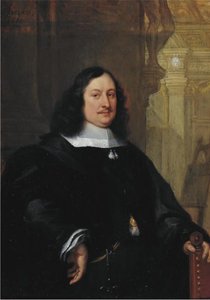
David Teniers Młodszy
1610 - 1690 , Belgia
Najważniejsze informacje
- Artistic Movement Or Style: Barok
- Artists Or Movements Influenced By This Artist: ['Watteau']
- Artists Who Influenced This Artist:
- Rubens
- Brueghel
- Date Of Birth: 1610
- Date Of Death: 1690
- Full Name: David Teniers II
- Nationality: Flamand
- Notable Artworks:
- Kermessy
- Taverny
- Krajobrazy
- Place Of Birth: Antwerp, Belgia
Zobacz także powiązane artykuły

Dramatyczny Rozkwit Baroku: Dziedzictwo Sztuki Kontrreformacji i Mistrzowie Chiaroscuro
Odkryj dramatyczny świat baroku! Poznaj historię sztuki kontrreformacji, mistrzów chiaroscuro i weneckich arcydzieł. Reprodukcje najwyższej jakości na OriginalUniqueArt.com.
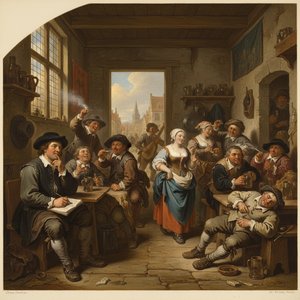
David Teniers the Younger: Genre Painting & Social Commentary in Baroque Flanders
Explore the captivating world of David Teniers the Younger, a leading Flemish Baroque painter. Discover his genre scenes, social commentary, and lasting influence on 17th-century art. Learn about his life, techniques & legacy.
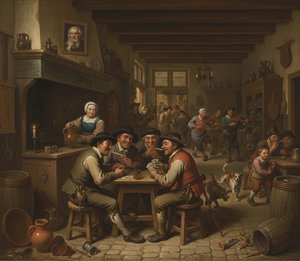
David Teniers II: Master of Flemish Genre & Social Commentary
Explore the captivating world of David Teniers II, a leading Flemish Baroque painter renowned for his lively genre scenes & insightful social commentary. Discover his masterpieces and legacy with OriginalUniqueArt.

Mastering Drama and Light: A Definitive Guide to the Flemish Baroque Art Movement
Explore the dramatic brilliance of the Flemish Baroque movement. Discover how masters like Peter Paul Rubens utilized chiaroscuro and dynamic composition to redefine art history through light, shadow, and unparalleled emotion.

Barokowy Dramat we Wnętrzach: Sztuka Przepychu i Elegancji w Twoim Domu
Odkryj świat barokowego przepychu! Porady ekspertów jak wprowadzić elegancję i dramat do Twojego wnętrza. Inspiracje, charakterystyka stylu i praktyczne wskazówki.