

 Zobacz w skali 1:1
 Wyślij
 Udostępnij
 Szczegóły
 Przewodnik

 Pobierz plik obrazu
 Podobne obiekty
 RTG
RTG Pokaz slajdów
 Statystyki
Study for Ghetto Theatre I


 Czytaj więcej
Dzieło sztuki prezentowane na tej stronie podlega ochronie prawem autorskim, co oznacza, że nie mamy prawa do tworzenia ani sprzedaży jego identycznej reprodukcji. Ochrona ta jest egzekwowana na mocy umów międzynarodowych, takich jak Konwencja berneńska oraz przez przepisy prawa krajowego, w tym te określone w Prawo autorskie USA – Tytuł 17.
Metoda ta jest w pełni zgodna z przepisami prawa autorskiego, ponieważ nie polega na kopiowaniu ani powielaniu chronionego dzieła. Stanowi ona kreatywną reinterpretację – nowy obraz, który czerpie inspirację z oryginału, ale nie jest z nim tożsamy.
Giclée / Wydruk artystyczny
Wydruki giclée lub płótna o jakości muzealnej, szybka realizacja i szeroki wybór opcji wykończenia. ( Kup ręcznie malowany obraz Przełącz na wersję cyfrową)




P118B zł10

P118H zł10

P118W zł10

P438Z zł10

P508JH zł12

P508YH zł12

P805H zł10

P805Z zł10

P919BZ zł10

P919G zł10

P919XJ zł10

P959ZH zł10

P968JZ zł12

W106C zł8

W218G zł10

W218JH zł8

W218Y zł10

W307PJ zł10

W316G zł10

W316PJ zł8

W316Y zł10

W398PJ zł8

W4111J zł10

W500HY zł15

W500JH zł15

W692G zł12

W849H zł8

W940BG zł15

W953PJ zł8




Wybierz spośród naszych standardowych rozmiarów, które zachowują oryginalne proporcje dzieła sztuki.

Wpisz wymaganą szerokość i wysokość, aby dopasować grafikę do ramy lub ściany. Wydruk można jedynie przyciąć, nigdy nie powiększając go poza oryginalny obraz, dlatego format o innym proporcji spowoduje utratę części kompozycji. Przed rozpoczęciem druku prześlemy Ci cyfrowy podgląd do zatwierdzenia. Obraz wyświetlany na tej stronie nie pokazuje rzeczywistego przycięcia — jedynie podgląd oddaje ten efekt.
Dostawa na cały świat () w ciągu 2 tygodni zamiast standardowych 4/5 tygodni. (24 Październik)

Bezpłatna ekspresowa wysyłka na cały świat

Wysokiej jakości płótno lniane

Pełne ubezpieczenie transportowe

Gwarancja zwrotu należności celnych i podatków importowych

Gwarancja idealnego odwzorowania barw

100-dniowy okres na zwrot dzieła w przypadku wykrycia wad produkcyjnych

Gwarancja 100% zwrotu pieniędzy

Oferta przy zakupie wielu sztuk
 Opcja ze szkłem jest dostępna wyłącznie w rozmiarach poniżej 110 cm

Study for Ghetto Theatre I
Giclée / Wydruk artystyczny
Rozmiar reprodukcji
-


Suma do zapłaty
zł 308
A Fragmented Vision: David Bomberg's "Study for Ghetto Theatre I"
David Bomberg’s “Study for Ghetto Theatre I,” created in 1921, isn't merely a sketch; it is an intensely felt exploration of urban space and the human condition. This work, born from a period of profound personal and artistic transformation for Bomberg, offers a glimpse into his evolving style and his engagement with the social realities of post-war London. The piece exists as a study related to his larger series on the "Ghetto Theatre," specifically referencing the Pavilion Theatre in Whitechapel – a vibrant, albeit often overlooked, hub of working-class entertainment.
The Language of Line and Shadow
What immediately strikes the viewer is the artwork’s stark simplicity. Bomberg eschews color almost entirely, relying instead on a monochromatic palette of greys, blacks, and whites to convey depth and emotion. This deliberate limitation amplifies the power of line – the dominant element in this composition. Bold, thick lines crisscross the canvas, not defining forms with precision but rather suggesting them through overlapping planes and angular shapes. These aren't neat, predictable lines; they are jagged, broken, almost frantic, conveying a sense of urgency and instability. The technique employed suggests rapid execution, likely charcoal or ink on paper, capturing a fleeting impression rather than meticulous detail. This gestural quality imbues the work with an immediacy, as if we’re witnessing the raw process of Bomberg's creative thought unfolding before our eyes. The varying density of these lines creates implied lighting and shadow, adding another layer of complexity to the fragmented space.
Echoes of Modernism and Social Commentary
“Study for Ghetto Theatre I” firmly resides within the currents of early 20th-century modern art. Influenced by Cubism and Futurism – movements that sought to break from traditional representational forms – Bomberg’s work shares their interest in geometric abstraction and dynamic composition. However, he transcends mere stylistic imitation. While echoes of Cézanne's exploration of form and Sickert's focus on urban life are evident, Bomberg infuses his work with a uniquely personal expression. The fragmented nature of the composition, the distorted perspective, and the overall sense of unease speak to a deeper social commentary. The "Ghetto Theatre" itself was a symbol of working-class culture, a place of escape and entertainment amidst poverty and hardship. Bomberg’s study doesn't depict a picturesque scene; it captures the raw energy, the confined space, and perhaps even the underlying tension inherent in such an environment.
A Legacy of Expression
Bomberg’s artistic journey was marked by periods of both recognition and obscurity. After experiencing the trauma of World War I, he moved away from abstraction towards a more figurative style, but this early work demonstrates his remarkable ability to convey complex emotions through seemingly simple means. “Study for Ghetto Theatre I” stands as a testament to Bomberg’s pioneering spirit – a bold exploration of form and expression that anticipates later developments in British art. The piece invites viewers not just to observe a scene, but to feel the weight of its atmosphere, to sense the pulse of urban life, and to contemplate the complexities of human experience within a rapidly changing world. It is a powerful reminder of Bomberg’s enduring legacy as one of Britain's most innovative and influential artists.
Pytania i odpowiedzi
Ile lat miał(a) David Bomberg, tworząc "Study for Ghetto Theatre I" w 1921 roku?
David Bomberg miał 31 lat, tworząc „Study for Ghetto Theatre I” w 1921. Wiek ten został obliczony na podstawie roku urodzenia artysty, 1890.
Czy „Study for Ghetto Theatre I” autorstwa David Bomberg to portret, pejzaż czy kompozycja kwadratowa?
Format dzieła „Study for Ghetto Theatre I” to Portrait. Jest to pomocna informacja podczas planowania miejsca, w którym zostanie umieszczona reprodukcja.
W stronę jakiej tonacji skłania się "Study for Ghetto Theatre I"?
Dominującym odcieniem dzieła „Study for Ghetto Theatre I” autorstwa David Bomberg jest Green to Violet Spectrum. Odcień ten stanowi bazową tonację palety barw.
Biografia artysty
Wczesne lata i edukacja artystyczna
- Urodzony: Birmingham, Wielka Brytania (5 grudnia 1890)
- Zmarł: Londyn, Wielka Brytania (19 sierpnia 1957)
- Jeden z „Whitechapel Boys” – grupy artystów z East Endu, która wyłoniła się na początku XX wieku.
Urodzony dla polskich żydowskich rodziców-imigrantów, Abrahama i Rebeki Bomberg, początkowo studiował w City and Guilds Technical Art School, zanim przeszedł szkolenie litograficzne w Birmingham.
Studiował pod okiem Waltera Sickerta w Westminster School of Art (1908-1als10), czerpiąc inspirację z koncentracji Sickerta na formie i życiu miejskim. Istotnym momentem było zetknięcie się z twórczością Paula Cézanne’a za sprawą wystawy Rogera Fry’a z 1910 roku pt. „Manet i postimpresjoniści”. Studiował również w Slade School of Art (1911), gdzie zdobył nagrodę Tonks Prize za rysunek przedstawiający jego kolegę ze studiów, Isaaca Rosenberga.
Lata awangardowe: Kubizm, futuryzm i kontrowersje
- W Slade Bomberg był częścią niezwykłego pokolenia, w skład którego wchodzili m.in. Mark Gertler, Stanley Spencer, C.R.W. Nevinson oraz Dora Carrington.
- Inspirację czerpał z londyńskich wystaw włoskich futurystów z 1912 roku oraz drugiej wystawy postimpresjonistycznej Fry’a (Picasso, Matisse, fowiści, Wyndham Lewis).
- Opracował charakterystyczny styl łączący kubizm i futuryzm – cechujący się geometrycznymi kompozycjami, ograniczoną paletą barw, kanciastymi postaciami i strukturami przypominającymi siatkę.
- Jego radykalne podejście doprowadziło do wydalenia ze Slade School of Art w 1913 roku, gdyż uznano je za zbyt śmiałe dla konwencjonalnych metod tej instytucji.
- Przez krótki czas był związany z Omega Workshops grupy Bloomsbury i wystawiał wraz z Camden Town Group. Wykazywał pokrewieństwo z ruchem wertycystów Wyndhama Lewisa, lecz pozostał niezależny, odmawiając pełnego zaangażowania.
Od wojny do pejzażu: Zmiana stylu
Doświadczenia żołnierza szeregowego podczas I wojny światowej głęboko wpłynęły na jego wizję artystyczną, prowadząc do odejścia od abstrakcji.
Lata 20. XX wieku przyniosły zmianę w stronę stylu bardziej figuralnego, skupionego na portretach i pejzażach malowanych bezpośrednio z natury. Rozwinął coraz bardziej ekspresjonistyczną technikę, charakteryzującą się bogatą fakturą impastu oraz emocjonalnym natężeniem.
Szerokie podróże przez Bliski Wschód (szczególnie Palestynę) oraz Europę znacząco wpłynęły na jego późniejszą twórczość. Jego przedstawienia Jerozolimy są szczególnie godne uwagi.
Późne lata i dziedzictwo
- W latach 1945–1953 wykładał w Borough Polytechnic (obecnie London South Bank University), kształtując pokolenie artystów, wśród których znaleźli się m.in. Frank Auerbach, Leon Kossoff, Philip Holmes, Cliff Holden, Edna Mann, Dorothy Mead, Gustav Metzger, Dennis Creffield, Cecil Bailey oraz Miles Richmond.
- Był żonaty z malarką pejzażową Lilian Holt.
- Mimo okresów względnego zapomnienia za życia, twórczość Bomberga w ostatnich dekadach zyskała coraz większe uznanie jako istotny wkład w brytyjską sztukę nowoczesną.
- Na jego cześć nazwano David Bomberg House na London South Bank University.
- Jego dziedzictwo tkwi w unikalnej syntezie europejskich ruchów awangardowych oraz późniejszym wypracowaniu potężnego, ekspresyjnego stylu pejzażowego, który oddawał istotę miejsca i ludzkiego doświadczenia.

David Bomberg
1890 - 1957 , Wielka Brytania
Najważniejsze informacje
- Artistic Movement Or Style:
- Kubizm
- Futuryzm
- Ekspresjonizm
- Artists Or Movements Influenced By This Artist:
- Frank Auerbach
- Leon Kossoff
- Artists Who Influenced This Artist:
- Paul Cézanne
- Walter Sickert
- Wyndham Lewis
- Date Of Birth: 5 grudnia 1890
- Date Of Death: 19 sierpnia 1957
- Full Name: David Garshen Bomberg
- Nationality: Brytyjska
- Notable Artworks:
- Autoportret (193ym)
- Kitty, siostra artysty (1929)
- Studium do obrazu
- Jerozolima
- Place Of Birth: Birmingham, Zjednoczone Królestwo
Zobacz także powiązane artykuły
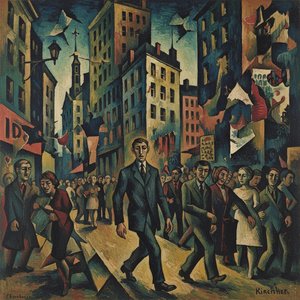
Ernst Ludwig Kirchner: Expressionism's Urban Anxiety & the Fragmentation of Modern Identity
Explore the powerful world of Ernst Ludwig Kirchner and German Expressionism. Discover his iconic paintings, Die Brücke group, and the movement's exploration of urban anxiety & modern identity. Expert analysis for collectors & enthusiasts.
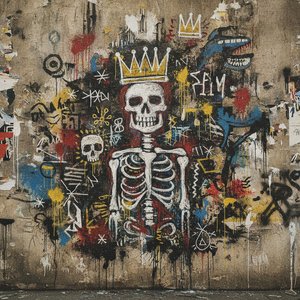
Basquiat and Raw Pop: The High-Energy Rebellion of Neo-Expressionism and the Legacy of Urban Street Art
Explore the raw energy of Jean-Michel Basquiat and the Neo-Expressionist movement. Discover how urban rebellion and SAMO© transformed 1980s New York art history through deep academic insight and visual analysis.
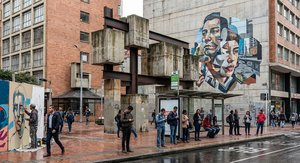
Betonowe Narracje: Miasto w Sztuce Nowoczesnej – Od Realizmu do Interpretacji Artystycznej
Odkryj ewolucję wizualnej reprezentacji miasta w sztuce nowoczesnej i współczesnej. Analiza kluczowych nurtów – od realizmu do surrealizmu – dla kolekcjonerów i pasjonatów.
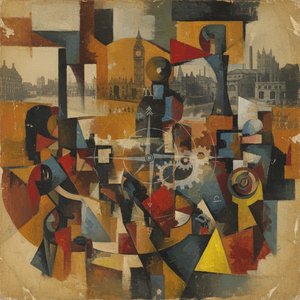
David Bomberg: Reassessing the Pioneering Spirit of Early British Abstraction
Explore the groundbreaking work of David Bomberg, a pivotal figure in British abstraction. Discover his artistic evolution, influences, and lasting legacy through insightful analysis & expert commentary.
Ekspresjonizm: Surowa Emocja i Trwały Wpływ na Sztukę XX Wieku
Odkryj fascynujący świat ekspresjonizmu! Analiza historii, charakterystyki i wpływu tego przełomowego ruchu artystycznego. Poznaj arcydzieła Muncha, van Gogha i Kirchnera na OriginalUniqueArt.com.


