

 Zobacz w skali 1:1
 Wyślij
 Udostępnij
 Szczegóły
 Przewodnik

 Pobierz plik obrazu
 Podobne obiekty
 RTG
RTG Pokaz slajdów
 Statystyki
The Repentant Magdalen (detail)


 Czytaj więcej
Giclée / Wydruk artystyczny
Wydruki giclée lub płótna o jakości muzealnej, szybka realizacja i szeroki wybór opcji wykończenia. ( Kup ręcznie malowany obraz Przełącz na wersję cyfrową)




P118B $10

P118H $10

P118W $10

P438Z $10

P508JH $12

P508YH $12

P805H $10

P805Z $10

P919BZ $10

P919G $10

P919XJ $10

P959ZH $10

P968JZ $12

W106C $8

W218G $10

W218JH $8

W218Y $10

W307PJ $10

W316G $10

W316PJ $8

W316Y $10

W398PJ $8

W4111J $10

W500HY $15

W500JH $15

W692G $12

W849H $8

W940BG $15

W953PJ $8




Wybierz spośród naszych standardowych rozmiarów, które zachowują oryginalne proporcje dzieła sztuki.

Możesz wprowadzić własne wymiary, aby dopasować dzieło do konkretnej ramy lub przestrzeni. Jeśli wybrany rozmiar nie będzie odpowiadał proporcjom oryginalnego obrazu, przytniecie dzieło lub rozszerzymy obraz za pomocą odbicia lustrzanego lub jednolitego wypełnienia krawędzi. Przed rozpoczęciem produkcji prześlemy cyfrową wizualizację do Twojej akceptacji.
Prosimy pamiętać, że podgląd na ekranie nie odzwierciedla faktycznego przycinania ani rozszerzania. Tylko wizualizacja dokładnie pokaże końcową kompozycję.
Mimo dostępności niestandardowych rozmiarów, zalecamy wybór wymiaru z listy zdefiniowanej, aby zachować oryginalne proporcje.
Dostawa na cały świat () w ciągu 2 tygodni zamiast standardowych 4/5 tygodni. (26 Wrzesień)

Bezpłatna ekspresowa wysyłka na cały świat

Wysokiej jakości płótno lniane

Pełne ubezpieczenie transportowe

Gwarancja zwrotu należności celnych i podatków importowych

Gwarancja idealnego odwzorowania barw

100-dniowy okres na zwrot dzieła w przypadku wykrycia wad produkcyjnych

Gwarancja 100% zwrotu pieniędzy

Oferta przy zakupie wielu sztuk
 Opcja ze szkłem jest dostępna wyłącznie w rozmiarach poniżej 110 cm

The Repentant Magdalen (detail)
Giclée / Wydruk artystyczny
Rozmiar reprodukcji
-


Suma do zapłaty
$ 80
The Repentant Magdalen: A Study in Baroque Grace and Spiritual Transformation
Charles Le Brun’s “The Repentant Magdalen,” painted in 1655, is not merely a depiction of biblical narrative; it's a profound exploration of redemption, piety, and the delicate balance between earthly sorrow and divine grace. Emerging from the heart of the French Baroque period, this work stands as a testament to Le Brun’s mastery of color, composition, and psychological insight – qualities that cemented his reputation as one of the most influential artists of his time.
The scene unfolds within a dimly lit chamber, rich with textures and a palpable sense of solemnity. The deep reds and blues of the drapery and background create an atmosphere of both luxury and introspection, while the strategically placed gold accents – a chain on the floor, a belt around the woman’s waist – subtly hint at the act of penance that lies at the heart of the story. Le Brun skillfully employs chiaroscuro, using dramatic contrasts between light and shadow to draw attention to the central figure and heighten the emotional intensity of the moment.
A Biblical Narrative Illuminated
The painting recounts a pivotal episode from the Gospel of John: Mary Magdalene’s confession of her past sins – specifically, her association with Jesus during his crucifixion. Traditionally, she was viewed as a repentant sinner, a symbol of humanity's capacity for redemption through faith and divine mercy. Le Brun doesn’t simply portray this narrative; he imbues it with an almost palpable sense of vulnerability and profound emotional depth.
The Magdalen herself is depicted in a pose that speaks volumes. Kneeling or seated on the floor, she exhibits a posture of humility and introspection. Her gaze is averted, suggesting a private moment of reflection – a willingness to confront her past without seeking judgment. The simple white robe, devoid of ornamentation, underscores her purity and spiritual awakening. The blue cloth draped over what appears to be a chair or bench adds another layer of texture and visual interest, grounding the scene in a tangible reality.
Technique and Artistic Influence
Le Brun’s technical skill is evident in every brushstroke. The meticulous rendering of fabrics—the velvet drape, the folds of the robe, the sheen of the gold—demonstrates his command of color and texture. He masterfully utilizes sfumato, a technique popularized by Leonardo da Vinci, to create soft transitions between light and shadow, lending an ethereal quality to the scene. Notably, Le Brun’s work reflects the influence of Nicolas Poussin, whose teachings on classical composition and idealized beauty shaped the artistic landscape of his time.
Furthermore, the painting draws upon a rich tradition of depicting Mary Magdalene in art. Earlier depictions often emphasized her past sins, portraying her as a figure of shame and degradation. However, Le Brun elevates the narrative by focusing on her repentance and spiritual transformation. He presents her not as a fallen woman, but as an individual seeking forgiveness and embracing a new life.
Symbolism and Emotional Resonance
Beyond its biblical subject matter, “The Repentant Magdalen” is laden with symbolism. The red velvet drape represents the richness of earthly pleasures, while the gold chain symbolizes the weight of past transgressions. The muted lighting and somber color palette contribute to a mood of quiet contemplation and spiritual yearning.
Ultimately, Le Brun’s masterpiece transcends its historical context, offering a timeless meditation on themes of sin, redemption, and the enduring power of faith. It is a work that continues to resonate with viewers today, inviting us to contemplate our own journeys of repentance and the possibility of spiritual renewal.
Biografia artysty
Early Life and Training
Charles Le Brun, a name synonymous with the grandeur of Louis XIV’s France, was born in Paris on February 24th, 1619. His artistic talent manifested early; at just eleven years old, he entered the studio of Simon Vouet, a prominent painter and influential figure in the burgeoning world of art. This apprenticeship was further enriched by the patronage of Chancellor Séguier, providing Le Brun with invaluable opportunities for development. He continued his studies under François Perrier, absorbing techniques and styles from another respected master, and quickly gained commissions from Cardinal Richelieu at a remarkably young age – a testament to his burgeoning skill. These early experiences laid the foundation for a career that would ultimately define an era.
Artistic Development and Style
A pivotal moment in Le Brun’s artistic journey occurred with his four-year sojourn in Rome between 1642 and 1646. Here, under the guidance of Nicolas Poussin, he immersed himself in the classical ideals of ancient Roman sculpture and meticulously copied works by Raphael. This period profoundly shaped his understanding of art theory and technique, moving him beyond mere imitation towards a deeper appreciation for composition, form, and color. Returning to Paris in 1646, Le Brun swiftly established himself as a leading artist, quickly surpassing the influence of his earlier mentors. His style began to evolve, distancing itself from the strict adherence to classical models favored by Poussin while retaining elements of both. He embraced the dynamism and emotional intensity characteristic of the Baroque period, developing a distinctive approach marked by dramatic compositions, rich palettes, and meticulous detail.
Le Brun’s artistic evolution culminated in his appointment as First Painter to the King in 1664 under Louis XIV. This prestigious position granted him unparalleled influence over French art, allowing him to shape the visual landscape of the court and nation. He became a central figure in the creation of monumental works that embodied the power and magnificence of the monarchy – grand historical paintings, elaborate portraits, and breathtaking decorative schemes.
Major Achievements and Royal Service
Le Brun’s career reached its zenith during Louis XIV's reign, a period of unprecedented artistic flourishing. He played an integral role in transforming the Palace of Versailles into a symbol of royal power and splendor. His designs were instrumental in shaping the Ambassadors’ Staircase, the iconic Hall of Mirrors – a dazzling display of light and reflection – and the serene Peace and War Rooms, each reflecting a distinct facet of the king's vision. These projects, alongside countless other commissions throughout the palace complex, cemented Le Brun’s reputation as one of France’s greatest architects and designers. Beyond Versailles, he contributed significantly to the decoration of numerous royal residences, including Sceaux and Marly-le-Roi, showcasing his versatility across various artistic disciplines.
Furthermore, in 1648, Le Brun founded the Académie Royale de Peinture et de Sculpture (Royal Academy of Painting and Sculpture), a pivotal institution that served as both a training ground for aspiring artists and a regulator of artistic standards. As its director for many years, he exerted considerable influence over the development of French art, shaping the education and practice of generations of painters.
Legacy and Historical Significance
Charles Le Brun’s legacy extends far beyond his individual works. He was not merely a painter; he was a theorist, a designer, and a key architect of the Baroque style in France. His emphasis on intellectual engagement alongside visual beauty profoundly influenced artistic education for decades to come. The scale and grandeur of his decorative schemes at Versailles set a new standard for royal palaces across Europe, inspiring countless imitators. Le Brun’s influence is inextricably linked to the rise of Louis XIV's power and the flourishing of French culture during the 17th century. His work remains a testament to the transformative potential of art and its ability to shape not only visual landscapes but also the very fabric of society.

Charles Le Brun
1619 - 1690 , Francja
Najważniejsze informacje
- Artistic Movement Or Style: Barok
- Artists Or Movements Influenced By This Artist: ['Styl Ludwika XIV']
- Artists Who Influenced This Artist:
- Simon Vouet
- Nicolas Poussin
- Date Of Birth: 24 lutego 1619
- Date Of Death: 12 lutego 1690
- Full Name: Charles Le Brun
- Nationality: Francuz
- Notable Artworks:
- Schody Ambasadorów
- Sala Lustrzana
- Historia Aleksandra Wielkiego
- Place Of Birth: Paryż, Francja
Zobacz także powiązane artykuły

Baroque Classicism: The Grandeur of Order and Drama in 17th-Century Art History
Explore the profound elegance of Baroque Classicism. Discover how 17th-century masters synthesized dramatic emotion with classical order through the lens of the Counter-Reformation and the works of legends like Carlo Maratta and Andrea Sacchi.

Dramatyczny Rozkwit Baroku: Dziedzictwo Sztuki Kontrreformacji i Mistrzowie Chiaroscuro
Odkryj dramatyczny świat baroku! Poznaj historię sztuki kontrreformacji, mistrzów chiaroscuro i weneckich arcydzieł. Reprodukcje najwyższej jakości na OriginalUniqueArt.com.
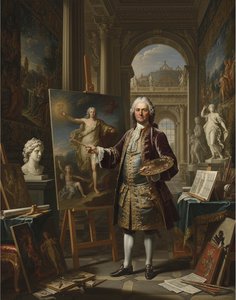
Charles Le Brun: Master of French Baroque Classicism & His Enduring Legacy
Explore the life & art of Charles Le Brun, master of French Baroque Classicism. Discover his royal commissions, influence on Versailles, and enduring legacy through detailed analysis & stunning artworks.
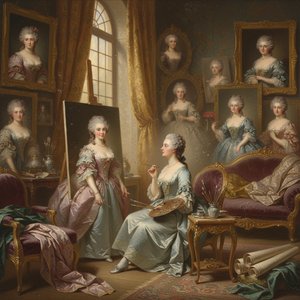
Vigée Le Brun: Portraiture, Patronage & Feminine Identity in 18th-Century France
Explore the life & art of Louise Élisabeth Vigée Le Brun, Marie Antoinette’s renowned portraitist. Discover her Rococo style, self-portraits, and influence on 18th-century French painting. A deep dive into patronage & feminine identity.

The Visceral Stage: Exploring Dramatic Narratives & Emotional Intensity in Baroque Art
Explore the dramatic world of Baroque art! Discover iconic masters like Caravaggio & Rembrandt, their techniques, and the movement's lasting impact. Expert insights for collectors & enthusiasts at OriginalUniqueArt.