Podgląd w skali 1:1
 Wyślij jako kartkę
 Udostępnij
 Szczegóły dzieła
 Przewodnik

 Pobierz obraz
 Podobne obiekty
 RTG
RTG Pokaz slajdów
 Statystyki
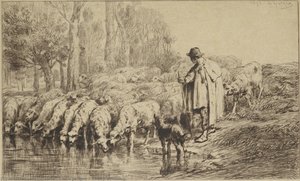
On the Pasture


 Rozwiń treść
Giclée / Wydruk artystyczny
Wydruki giclée lub płótna o jakości muzealnej, szybka realizacja i szeroki wybór opcji wykończenia. ( Zamów ręcznie malowaną reprodukcję Przejdź do wersji cyfrowej)




P118B zł10

P118H zł10

P118W zł10

P438Z zł10

P508JH zł12

P508YH zł12

P805H zł10

P805Z zł10

P919BZ zł10

P919G zł10

P919XJ zł10

P959ZH zł10

P968JZ zł12

W106C zł8

W218G zł10

W218JH zł8

W218Y zł10

W307PJ zł10

W316G zł10

W316PJ zł8

W316Y zł10

W398PJ zł8

W4111J zł10

W500HY zł15

W500JH zł15

W692G zł12

W849H zł8

W940BG zł15

W953PJ zł8




Wybierz spośród naszych standardowych rozmiarów, które zachowują oryginalne proporcje dzieła sztuki.

Wpisz wymaganą szerokość i wysokość, aby dopasować grafikę do ramy lub ściany. Wydruk można jedynie przyciąć, nigdy nie powiększając go poza oryginalny obraz, dlatego format o innych proporcjach spowoduje utratę części kompozycji. Przed rozpoczęciem druku prześlemy Ci cyfrowy podgląd do zatwierdzenia. Obraz wyświetlany na tej stronie nie pokazuje rzeczywistego przycięcia — jedynie podgląd oddaje ten efekt.
Dostawa na cały świat () w ciągu 2 tygodni zamiast standardowych 4/5 tygodni. (27 Październik)

Bezpłatna ekspresowa wysyłka na cały świat

Wysokiej jakości płótno lniane

Pełne ubezpieczenie przesyłki

Gwarancja zwrotu należności celnych i podatków importowych

Gwarancja wiernego odwzorowania kolorów

100-dniowa polityka zwrotów (tylko w przypadku wad)

Gwarancja 100% zwrotu pieniędzy

Zniżka przy zakupie wielu sztuk
 Opcja ze szkłem jest dostępna wyłącznie w rozmiarach poniżej 110 cm

On the Pasture
Giclée / Wydruk artystyczny
Wymiary reprodukcji
-


Cena całkowita
zł 307
A Pastoral Moment Frozen in Time: Charles-Émile Jacque’s “On the Pasture”
Charles-Émile Jacque's "On the Pasture" is more than just a depiction of a rural scene; it’s a poignant meditation on tranquility, connection to nature, and the quiet dignity of everyday life. Painted in 1860 during his time with the Barbizon School, this oil on canvas transports us to a sun-drenched field in France, where a solitary figure finds solace beneath the shade of an ancient tree while sheep graze peacefully around him. The painting immediately evokes a sense of serenity—a deliberate antidote to the burgeoning industrialization and urban sprawl that were rapidly reshaping 19th-century Europe.
Jacque’s artistic journey was surprisingly unconventional, beginning not with brushes and canvas but with the meticulous craft of map engraving for the French army. This early training instilled in him a remarkable attention to detail, a precision of observation, and an appreciation for capturing subtle nuances – qualities that would later become hallmarks of his pastoral paintings. He transitioned into painting after serving his military duty, initially exploring illustration before finding his true voice within the Barbizon School’s embrace of direct observation and rejection of academic conventions.
The Barbizon School: A Return to Nature
To understand “On the Pasture,” one must appreciate the context of the Barbizon School. Emerging in the 1850s, this movement represented a deliberate rebellion against the rigid formality of the French Salon system and the prevailing academic style. Artists like Jacque, Millet, and Corot sought to capture the essence of rural France—its landscapes, its people, and its rhythms—with an unprecedented level of realism and immediacy. They eschewed studio work in favor of *plein air* painting, directly observing nature and translating it onto canvas with bold brushstrokes and a focus on capturing light and atmosphere.
Unlike the idealized landscapes favored by earlier Romantic painters, the Barbizon School’s depictions were often rough-hewn and unpolished. Jacque's work is particularly notable for its earthy palette—a symphony of muted greens, browns, and ochres—that perfectly captures the weathered beauty of the French countryside. The composition itself is deceptively simple: a central tree acting as a visual anchor, framing the scene and drawing the viewer’s eye to the solitary figure and the grazing sheep.
Symbolism and Emotional Resonance
The lone man beneath the tree isn't merely an observer; he embodies a quiet contemplation, a connection to something larger than himself. He is not actively engaged in labor or social interaction—rather, he seems lost in thought, absorbing the peace of the natural world. The sheep, symbols of innocence and simplicity, further reinforce this theme of pastoral harmony. The painting’s emotional impact is profoundly calming; it invites us to slow down, breathe deeply, and appreciate the beauty of a moment suspended in time.
Furthermore, Jacque's work reflects a broader cultural shift—a growing awareness of the importance of rural life and a yearning for an escape from the pressures of modern society. The painting speaks to a desire for authenticity, for connection with the land, and for a simpler way of being.
Technical Details and Legacy
Jacque’s masterful technique is evident in his skillful rendering of texture—the rough bark of the tree, the soft wool of the sheep, the undulating grass of the field. He employs loose, expressive brushstrokes that convey both a sense of immediacy and a deep understanding of light and shadow. The painting's size – approximately 81 x 65 cm – allows for a remarkable level of detail while maintaining an overall feeling of spaciousness and tranquility.
“On the Pasture” remains a powerful example of Barbizon School art, showcasing Jacque’s unique ability to capture the essence of rural France. It's a timeless depiction of human connection with nature, offering a poignant reminder of the beauty and serenity that can be found in the simplest of moments. Reproductions of this evocative work continue to resonate with viewers today, transporting them to a world of quiet contemplation and pastoral charm.
Pytania i odpowiedzi
W którym roku powstało dzieło "On the Pasture"?
"On the Pasture" powstało w 1860 roku. Data ta pozwala umiejscowić dzieło w kontekście twórczości Charles-Émile Jacque oraz epoki, w której powstało.
Czy mogę obejrzeć "On the Pasture" w formie pełnoekranowej prezentacji slajdów?
Dzieło „On the Pasture” – Charles-Émile Jacque można obejrzeć w formie pokazu slajdów na stronie Prezentacja slajdów danego dzieła.
Jaka jest luminancja dzieła „On the Pasture” – Charles-Émile Jacque?
„On the Pasture” – Charles-Émile Jacque ma luminancję na poziomie Soft Shadow. Luminancja określa, jak dużą ilość światła zdają się odbijać kolory.
Biografia artysty
Życie zakorzenione we francuskiej wsi
Charles-Émile Jacque, urodzony w Paryżu w 1813 roku, nie był przeznaczony do konwencjonalnej ścieżki artystycznej. Jego wczesne lata przybrały niespodziewany obrót wraz z siedmioletnią służbą w armii francuskiej. Jednak nawet w rygorystycznych strukturach życia wojskowego jego wrodzony talent znalazł ujście – początkowo nie poprzez malarstwo, lecz dzięki skrupulatnej umiejętności grawerowania map. To fundamentalne szkolenie, wymagające precyz𝗼ji i uważnej obserwacji, okazało się zaskakująco kluczowe dla jego późniejszych dokonań artystycznych, zaszczepiając w nim oddanie detalom, które stały się znakiem rozpoznawczym jego twórczości. Był to nieprawdopodobny początek dla malarza, który miał stać się synonimem idyllicznego piękna wiejskiej Francji, lecz świadczy to o niezwykłej zdolności adaptacji i wewnętrznym artyzmie Jacque’a. Po opuszczeniu armii przez krótki czas zajmował się ilustracją i karykaturą, przyczyniając się do rozwoju paryskich czasopism, zanim odnalazł swoje prawdziwe powołanie w świecie akwaforty i malarstwa.Przyjęcie idei Barbizon i pasterskiej wizji
Połowa XIX wieku przyniosła Jacque’owi przyciąganie przez Barbizon – małą wioskę, która miała stać się epicentrum rewolucyjnego ruchu artystycznego. Uciekając przed epidemiami cholery trawiącymi Paryż, dołączył do Jean-François Millet i innych artystów o podobnych poglądach, szukających inspiracji bezpośrednio w naturze. Był to decydujący zwrot od konwencji akademickich w stronę bardziej szczerego, realistycznego przedstawiania życia. Jacque z całego serca przyjął to nowe podejście, poświęcając się chwytaniu esencji wiejskiej egzystencji – cichej godności pasterzy doglądających swoich stad, łagodnego rytmu pracy na roli oraz prostej piękna zwierząt hodowlanych na skąpanych w słońcu polach. Jego obrazy nie były jedynie przedstawieniami scen; były przesiąknięte głębokim poczuciem spokoju i harmonii, odzwierciedlającym głęboki podziw dla świata przyrody. Nie tyle malował owce czy stodoły, co przekazywał uczucie, atmosferę – czci dla pasterskiego życia, która głęboko rezonowała z odbiorcami.Mistrz wielu mediów: Malarstwo i grafika
Artystyczny kunszt Jacque’a wykraczał daleko poza malarstwo. Zyskał sławę jako mistrz akwaforty i grawer, przywracając techniki XVII wieku i przesuwając granice grafiki warsztatowej. Jego miedzioryty były wychwalane za śmiałość i przemyślaną tematykę, co przyniosło mu uznanie krytyków, takich jak Charles Baudelaire. Henri Béraldi wyróżnił dwa odrębne okresy w twórczości graficznej Jacque’a: wczesną fazę inspirowaną holenderskimi winietami, charakteryzującą się spontanicznością, oraz późniejszy okres naznaczony większymi, bardziej szczegółowymi płytami, demonstrującymi niezwykłą precyzję rzemieślniczą. Ta podwójna biegłość – zarówno pędzla, jak i rylca – pozwoliła mu dotrzeć do szerszej publiczności i ugruntować reputację znaczącej postaci w świecie sztuki. Nie postrzegał malarstwa i grafiki jako odrębnych dyscyplin, lecz jako komplementarne drogi wyrażania swojej wizji artystycznej. Jego ilustracje do klasyki literatury, w tym edycje Kustosza z Wakefield Goldsmitha oraz Malowniczej Grecji Wordswortha, dodatkowo ukazały jego wszechstronność i talent.Dziedzictwo i trwały wpływ
Charles-Émile Jacque zmarł w 1894 roku, pozostawiając po sobie bogate dziedzictwo artystyczne, które do dziś zachwyca widzów. Odegrał kluczową rolę w kształtowaniu rozwoju realizmu we francuskiej sztuce, torując drogę przyszłym pokolom artystów pragnących przedstawiać życie z uczciwością i wrażliwością. Jego oddanie w portretowaniu wiejskiego życia wyniosło malarstwo gatunkowe – sceny z codziennego bytowania – na pozycję dominującą w krajobrazie artystycznym.- Pionier odrodzenia akwaforty: Przywrócenie przez Jacque’a technik akwafortowych z XVII wieku znacząco wpłynęło na rozwój grafiki.
- Wpływ na Millet: Jego wczesna twórczość i miedzioryty wywarły głęboki wpływ na jego przyjaciela, artystę szkoły Barbizon, Jean-François Millet.
- Obrońca życia wiejskiego: Uwiecznił piękno i godność francuskiej wsi, tworząc trwały zapis wizualny zanikającego sposobu istnienia.

Charles-Émile Jacque
1813 - 1894 , Francja
Krótka nota
- Artistic Movement Or Style: Szkoła Barbizon
- Artists Or Movements Influenced By This Artist: ['Realizm']
- Artists Who Influenced This Artist: ['Adriaen van Ostade']
- Date Of Birth: 1813
- Date Of Death: 1894
- Full Name: Charles-Émile Jacque
- Nationality: Francuz
- Notable Artworks:
- Mały niebieski chłopiec
- Owczarnia
- Pasterka
- Place Of Birth: Paryż, Francja
Powiązane artykuły
Idylliczne Wizje: Arkadia w Sztuce – Od Pastoralnych Korzeni do Współczesnych Interpretacji
Odkryj fascynującą historię arkadii w sztuce – od renesansowych krajobrazów po współczesne interpretacje. Analiza kluczowych dzieł, artystów i wpływów kulturowych. Ekspercka wiedza dla miłośników historii sztuki.
Idyllic Visions: Exploring the Pastoral Tradition in Western Art – Themes, Techniques & Enduring Appeal
Explore the rich history of pastoral art from classical Arcadia to contemporary interpretations. Discover key artists, themes & collecting tips at OriginalUniqueArt.
Szkoła z Barbizon: Narodziny Realizmu i Pastoralna Wizja w Malarstwie Francuskim XIX Wieku
Poznaj historię Szkoły z Barbizon – przełomowego ruchu artystycznego XIX wieku, który zrewolucjonizował malarstwo krajobrazowe. Analiza twórczości barbizończyków, ich wpływ na realizm i impresjonizm. Ekspercka analiza OriginalUniqueArt.
The Barbizon School: A Professional Guide to Naturalism and Landscape Mastery for Interior Designers
Explore the Barbizon School's mastery of naturalism. An expert guide for hotel designers and procurement managers on sourcing high-quality landscape reproductions to elevate hospitality and corporate interiors with authentic, large-scale fine art solutions.
Charles-François Daubigny: Pioneering Atmospheric Light & Barbizon Realism
Explore the life & art of Charles-François Daubigny, a pivotal Barbizon School painter. Discover his innovative landscapes, mastery of light, and influence on Impressionism. High-quality reproductions available.