Zobacz w skali 1:1
 Wyślij
 Udostępnij
 Szczegóły

 Pobierz plik obrazu
 Podobne obiekty
 RTG
RTG Pokaz slajdów
 Statystyki
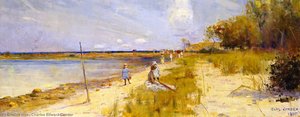
Szkic Plaży Littlehapton


 Czytaj więcej
Giclée / Wydruk artystyczny
Wydruki giclée lub płótna o jakości muzealnej, szybka realizacja i szeroki wybór opcji wykończenia. ( Kup ręcznie malowany obraz Przełącz na wersję cyfrową)




P118B $10

P118H $10

P118W $10

P438Z $10

P508JH $12

P508YH $12

P805H $10

P805Z $10

P919BZ $10

P919G $10

P919XJ $10

P959ZH $10

P968JZ $12

W106C $8

W218G $10

W218JH $8

W218Y $10

W307PJ $10

W316G $10

W316PJ $8

W316Y $10

W398PJ $8

W4111J $10

W500HY $15

W500JH $15

W692G $12

W849H $8

W940BG $15

W953PJ $8




Wybierz spośród naszych standardowych rozmiarów, które zachowują oryginalne proporcje dzieła sztuki.

Możesz wprowadzić własne wymiary, aby dopasować dzieło do konkretnej ramy lub przestrzeni. Jeśli wybrany rozmiar nie będzie odpowiadał proporcjom oryginalnego obrazu, przytniecie dzieło lub rozszerzymy obraz za pomocą odbicia lustrzanego lub jednolitego wypełnienia krawędzi. Przed rozpoczęciem produkcji prześlemy cyfrową wizualizację do Twojej akceptacji.
Prosimy pamiętać, że podgląd na ekranie nie odzwierciedla faktycznego przycinania ani rozszerzania. Tylko wizualizacja dokładnie pokaże końcową kompozycję.
Mimo dostępności niestandardowych rozmiarów, zalecamy wybór wymiaru z listy zdefiniowanej, aby zachować oryginalne proporcje.
Dostawa na cały świat () w ciągu 2 tygodni zamiast standardowych 4/5 tygodni. (17 Wrzesień)

Bezpłatna ekspresowa wysyłka na cały świat

Wysokiej jakości płótno lniane

Pełne ubezpieczenie transportowe

Gwarancja zwrotu należności celnych i podatków importowych

Gwarancja idealnego odwzorowania barw

100-dniowy okres na zwrot dzieła w przypadku wykrycia wad produkcyjnych

Gwarancja 100% zwrotu pieniędzy

Oferta przy zakupie wielu sztuk
 Opcja ze szkłem jest dostępna wyłącznie w rozmiarach poniżej 110 cm

Szkic Plaży Littlehapton
Giclée / Wydruk artystyczny
Rozmiar reprodukcji
-


Suma do zapłaty
$ 80
Sketch of Littlehapton Beach – A Moment Frozen in Heidelberg School Impressionism
Charles Edward Conder’s “Sketch of Littlehapton Beach” is more than just a depiction of a seaside scene; it's a testament to the burgeoning artistic spirit of Australia during its Heidelberg School era. Painted circa 1890, this artwork captures the essence of leisurely summer days along the shores of Littlehapton Beach near Sydney Cove. The photograph accompanying the painting reveals a vibrant tableau – individuals enjoying the sunlit sand, accompanied by playful dogs adding dynamism to the composition.Style and Technique: Embracing Light and Atmosphere
Conder’s masterful approach aligns perfectly with the Heidelberg School's distinctive style, prioritizing Impressionistic techniques. Unlike academic realism, Conder eschewed meticulous detail in favor of capturing fleeting impressions of light and color. Thick brushstrokes—characteristic of the Heidelberg School—are visible throughout the canvas, creating textured surfaces that convey a palpable sense of movement and airiness. The artist skillfully blended hues to achieve luminous effects, mirroring the shimmering quality of the ocean surface and the dappled sunlight filtering through the foliage. This deliberate disregard for precise representation elevates the painting beyond mere visual observation, inviting viewers into the emotional experience of the moment.Historical Context: Sydney’s Artistic Renaissance
The Heidelberg School emerged in Australia during a period of significant artistic innovation. Influenced by French Impressionism and championed by artists like Albert Henry Fullwood and Frank Mahony, it represented a radical departure from traditional art styles prevalent at the time. Conder's involvement with the Heidelberg School solidified his reputation as a pioneer of modern Australian painting. The painting’s creation coincided with Sydney’s growing cosmopolitan atmosphere—a city embracing new ideas and artistic trends—making “Sketch of Littlehapton Beach” an emblem of this transformative era.Symbolism: Tranquility and Connection to Nature
Beyond its aesthetic beauty, "Sketch of Littlehapton Beach" carries subtle symbolic resonance. The beach itself represents escape from urban life and a reconnection with the natural world – values deeply cherished by artists and intellectuals of the period. The dogs symbolize companionship and joy, mirroring the carefree spirit of the depicted individuals. Furthermore, Conder’s deliberate focus on capturing light—a central preoccupation of Impressionist painters—suggests an exploration of beauty and sensory experience as fundamental to human understanding.Emotional Impact: Capturing a Feeling
Ultimately, “Sketch of Littlehapton Beach” succeeds in conveying a profound emotional impact. The painting evokes feelings of serenity, warmth, and contentment – transporting the viewer back to a sun-kissed afternoon by the sea. It’s a piece that speaks to our innate desire for beauty and tranquility, reminding us of the simple pleasures found in observing nature's splendor. Reproductions of this artwork offer an opportunity to bring this evocative scene into any interior space, fostering a connection with Australian art history and capturing the spirit of Heidelberg School Impressionism.Biografia artysty
Early Life and Artistic Journey
Charles Edward Conder (1868 – 1909) was an English-born painter, lithographer and designer who emigrated to Australia and became a pivotal figure in the Heidelberg School*, arguably marking the genesis of a distinctive Australian tradition within Western art. Born in Tottenham, Middlesex, on October 24, 1868, Conder’s formative years were shaped by his mother's untimely passing in India when he was merely four; he subsequently returned to England and attended several schools including Eastbourne Preparatory School from 1877. Despite his father’s inclination towards a civil engineering career—a path antithetical to Conder’s innate artistic inclinations—he pursued this profession nonetheless, recognizing the practical necessities of securing financial stability.Artistic Career in Australia
In 1884, at the age of 16, Conder ventured to Sydney, Australia, where he commenced employment with his uncle, a surveyor for the New South Wales government. However, he quickly discerned that surveying was not his true calling and gravitated towards drawing landscapes—a passion that would define much of his artistic output. By 1886, he secured a position as an artist for *Illustrated Sydney News*, collaborating alongside prominent artists such as Albert Henry Fullwood and Frank Mahony. This association fostered connections with fellow creatives like Julian Ashton and Tom Roberts, establishing him within the burgeoning Heidelberg School movement. His engagement with G. P. Nerli—an itinerant Italian painter who championed European artistic currents—significantly impacted his artistic evolution.The Heidelberg School and Notable Works
Conder’s magnum opus, *Departure of the Orient – Circular Quay* (1888), stands as a testament to his newfound mastery of form and brushwork. This evocative depiction of Sydney Harbour at the moment of the *Orient*'s departure for England captured the essence of the Heidelberg School's aesthetic—characterized by luminous color palettes and expressive handling of light—and swiftly garnered acclaim from the Art Gallery of New South Wales, securing its place as Conder’s inaugural work within a public collection. Alongside Roberts and Ashton, he participated in the Heidelberg School’s seminal exhibition in Melbourne, cementing his position as one of Australia's foremost Impressionist painters. His artistic endeavors extended beyond landscape painting; he produced captivating portraits and executed lithographs that showcased his versatility and technical prowess.Legacy and Later Life
Conder’s later years were marred by debilitating illness—primarily paralysis resulting from syphilis—which nonetheless spurred him to continue creating art until his untimely demise in 1909. Despite facing considerable physical challenges, Conder persevered in his artistic pursuits, leaving behind a legacy as an indispensable contributor to Australian Impressionism and cementing his place within the annals of art history. His paintings are prominently displayed at Tate Britain and the Art Gallery of New South Wales, serving as enduring reminders of his remarkable talent and contribution to the visual arts.
Charles Edward Conder
1868 - 1909 , Anglia
Najważniejsze informacje
- Artistic Movement Or Style: Heidelberg School
- Artists Who Influenced This Artist:
- Alfred Daplyn
- Victor Mann
- Julian Ashton
- Date Of Birth: October 24, 1868
- Date Of Death: February 9, 1909
- Full Name: Charles Edward Conder
- Nationality: British
- Notable Artworks:
- Departure of the Orient – Circular Quay
- A holiday at Mentone
- Under The Southern Sun
- Place Of Birth: Tottenham, United Kingdom
Zobacz także powiązane artykuły

Romantyczny Krajobraz w Malarstwie: 10 Arcydzieł, Które Zdefiniowały Epokę | OriginalUniqueArt.com
Odkryj 10 arcydzieł romantyzmu w malarstwie! Poznaj historie Caspara Davida Friedricha, Turnera i innych mistrzów. Inspiracje wnętrzarskie & reprodukcje obrazów najwyższej jakości na OriginalUniqueArt.com. Eksploruj kolekcję online!

Evocations of Place: A Historical Journey Through Landscape Art
Explore the rich history of landscape art with OriginalUniqueArt. Discover renowned artists, movements like Impressionism & Romanticism, and expert guidance for collecting timeless pieces. Find your perfect serene escape today!

Sublime Krajobrazy: Narodziny Amerykańskiej Tożsamości Artystycznej i Rola Szkoły Hudson River
Odkryj fascynującą historię Szkoły Hudson River i narodziny amerykańskiej tożsamości artystycznej. Poznaj kluczowych artystów, techniki malarskie i inspiracje. Reprodukcje najwyższej jakości na OriginalUniqueArt.com!

Evoking Nature's Sublime: A Comprehensive Exploration of 19th-Century Landscape Painting
Explore the captivating world of 19th-century landscape painting! Discover renowned artists like Friedrich & Monet, key movements, and find the perfect artwork to bring nature's serenity into your home. Expert insights at OriginalUniqueArt.

Echa Miejsca: Historyczna Podróż przez Sztukę Krajobrazu
Odkryj historię sztuki krajobrazu – od romantycznych wizji Friedricha po surrealistyczne pejzaże Dalego. Analizy, inspiracje i reprodukcje obrazów najwyższej jakości na OriginalUniqueArt.com.