Wheat (Charles Angrand)
Charles Angrand (1854–1926) stworzył Wheat.

 Podgląd w skali 1:1

 Ręcznie malowany obraz olejny
 Wyślij jako kartkę
 Udostępnij
 Karta informacyjna


 Pobierz obraz
 Podobne obiekty
 RTG
 Pokaz slajdów
 Pytania i odpowiedzi

 Statystyki
Wheat w skrócie
- Tytuł
- Wheat
- Artysta
- Charles Angrand (1854–1926)
- Miejsce urodzenia artysty
- Criquetot-l'Orne, Francja
- Temat
- food
Zdjęcia w wysokiej rozdzielczości dzieła Wheat
Domena publiczna: artysta zmarł w 1926.
Charles Angrand, Wheat.
Charles Angrand (1854–1926), Wheat. Domena publiczna Źródło obrazu: OriginalUniqueArt.com.
Odpowiedzi na pytania dotyczące Wheat
Co przedstawia „Wheat” – Charles Angrand?
„Wheat” – Charles Angrand przedstawia: food.
Czy obraz „Wheat” – Charles Angrand można swobodnie reprodukować?
Status praw autorskich dla „Wheat” – Charles Angrand: dzieło znajduje się w należy do domeny publicznej – autorskie prawa majątkowe wygasły. Określa to, czy reprodukcje obrazu mogą być sporządzane swobodnie.
Któremu artyście przypisuje się "Wheat"?
„Wheat” zostało stworzone przez Charles Angrand. Informacje na tej stronie dotyczą oryginalnego dzieła autorstwa Charles Angrand.
Z czego wynika obecny status praw autorskich dzieła "Wheat"?
„Wheat” – Charles Angrand jest należy do domeny publicznej – autorskie prawa majątkowe wygasły. Okres ochrony praw autorskich liczony jest od śmierci artysty, która nastąpiła w 1926.
O artyście: Charles Angrand
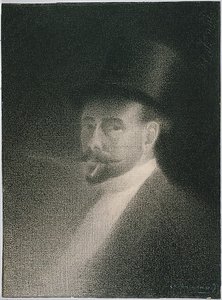
1854–1926, Francja
Charles Angrand
A Life Intertwined with Art and Ideals Charles Théophile Angrand, born in the tranquil Normandy village of Criquetot-l'Orne in 1854, was an artist whose life unfolded as a vibrant tapestry woven through the currents of late 19th and early 20th century France. He wasn’t merely a painter; he was a product of his time—a period defined by seismic shifts in artistic thought, fervent intellectual debates, and a burgeoning awareness of social and political realities. Angrand's journey began within a family deeply rooted in education; his father, a dedicated schoolmaster, instilled in him not just knowledge but also a profound respect for critical inquiry – an ethos that would profoundly shape both his artistic endeavors and his worldview. His initial artistic training at the Académie de Peinture et de Dessin in Rouen provided him with a solid foundation in traditional techniques—the careful study of anatomy, perspective, and classical composition.
Inne prace Charles Angrand
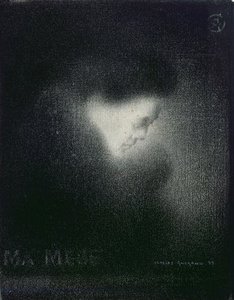 My Mother,
 Le Pont de Pierre, Rouen
 Le Pont De Pierre In Rouen
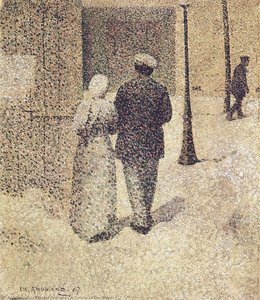 A Couple In The Street
Eseje o Wheat
 Masterpieces of Illusion: The Top 25 Artworks by Giuseppe Arcimboldo1566 saw the creation of The Librarian, where Arcimboldo used books and parchment to build a face. Compare this work to his seasonal allego…
 The Golden Harvest: Examining Vincent van Gogh’s Wheat Field Landscapes from Saint-RémyExplore the vibrant textures and colors of Van Gogh's Saint-Rémy wheat fields. Dive into this expert analysis of Post-Impressionist mastery.
 From Caravaggio to Chase: The Artistic Evolution of Vegetable Still Life PaintingTrace the evolution of vegetable still life from Caravaggio to Chase. Explore the mastery of light and texture through art history.