

 Zobacz w skali 1:1
 Wyślij
 Udostępnij
 Szczegóły
 Przewodnik

 Pobierz plik obrazu
 Podobne obiekty
 RTG
RTG Pokaz slajdów
 Statystyki
Venus and Amor
 Oil
Oil- WallArt
- Rococo Style
 1740
1740- Early Modern
 40.0 x 31.0 cm
 Kunsthalle Bremen
 Czytaj więcej
Giclée / Wydruk artystyczny
Wydruki giclée lub płótna o jakości muzealnej, szybka realizacja i szeroki wybór opcji wykończenia. ( Kup ręcznie malowany obraz Przełącz na wersję cyfrową)




P118B zł10

P118H zł10

P118W zł10

P438Z zł10

P508JH zł12

P508YH zł12

P805H zł10

P805Z zł10

P919BZ zł10

P919G zł10

P919XJ zł10

P959ZH zł10

P968JZ zł12

W106C zł8

W218G zł10

W218JH zł8

W218Y zł10

W307PJ zł10

W316G zł10

W316PJ zł8

W316Y zł10

W398PJ zł8

W4111J zł10

W500HY zł15

W500JH zł15

W692G zł12

W849H zł8

W940BG zł15

W953PJ zł8




Wybierz spośród naszych standardowych rozmiarów, które zachowują oryginalne proporcje dzieła sztuki.

Wpisz wymaganą szerokość i wysokość, aby dopasować grafikę do ramy lub ściany. Wydruk można jedynie przyciąć, nigdy nie powiększając go poza oryginalny obraz, dlatego format o innym proporcji spowoduje utratę części kompozycji. Przed rozpoczęciem druku prześlemy Ci cyfrowy podgląd do zatwierdzenia. Obraz wyświetlany na tej stronie nie pokazuje rzeczywistego przycięcia — jedynie podgląd oddaje ten efekt.
Dostawa na cały świat () w ciągu 2 tygodni zamiast standardowych 4/5 tygodni. (21 Październik)

Bezpłatna ekspresowa wysyłka na cały świat

Wysokiej jakości płótno lniane

Pełne ubezpieczenie transportowe

Gwarancja zwrotu należności celnych i podatków importowych

Gwarancja idealnego odwzorowania barw

100-dniowy okres na zwrot dzieła w przypadku wykrycia wad produkcyjnych

Gwarancja 100% zwrotu pieniędzy

Oferta przy zakupie wielu sztuk
 Opcja ze szkłem jest dostępna wyłącznie w rozmiarach poniżej 110 cm

Venus and Amor
Giclée / Wydruk artystyczny
Rozmiar reprodukcji
-


Suma do zapłaty
zł 304
A Symphony of Tenderness: The Rococo Grace of Venus and Amor
In the soft, luminous glow of Charles André van Loo’s 1740 masterpiece, Venus and Amor, we are invited into a realm where divinity meets the most intimate of human emotions. This exquisite painting serves as a quintessential emblem of the Rococo era, a period defined by its departure from the heavy, dramatic shadows of the Baroque in favor of light, air, and an almost ethereal elegance. As the eye wanders across the canvas, it is immediately captured by the serene interaction between the goddess of love and her young cherub. Van Loo does not merely depict a mythological scene; he captures a profound moment of maternal reverence, where the celestial and the terrestrial dissolve into a single, breathless heartbeat of affection.
The composition is a masterclass in the Rococo aesthetic, characterized by its delicate balance and flowing, curvilinear lines. Venus rests upon a rugged yet soft-edged rocky outcrop, her posture suggesting a quiet, contemplative stillness. Her gaze, directed downward toward the infant Amor, radiates a protective warmth that transcends her divine status. This tender connection is mirrored in the surrounding landscape, where scattered birds flit through the air, adding a subtle sense of movement and life to the otherwise tranquil scene. The artist’s use of a pastel-driven palette—dominated by creamy whites, blush pinks, and muted, mossy greens—creates an atmosphere of dreamlike tranquility, making the artwork feel less like a static image and more like a fleeting, beautiful memory.
Masterful Technique and Symbolic Resonance
Beyond its surface beauty, Venus and Amor reveals a sophisticated technical prowess that continues to inspire collectors and decorators alike. Van Loo employs advanced glazing techniques, layering thin, translucent veils of paint to achieve a luminous, pearlescent quality on the skin of the figures. This method allows light to appear as if it is emanating from within the canvas itself, highlighting the soft textures of drapery and the delicate features of the cherub. Every brushstroke is intentional, contributing to an overall sense of refinement and luxury that was highly prized in the French courts of Louis XV.
Symbolically, the painting is rich with layers of meaning that resonate deeply with the themes of renewal and innocence. The presence of the birds serves as a metaphor for freedom and the cyclical nature of life, while the very choice of subject matter—the goddess of love nurturing her offspring—speaks to the universal sanctity of the maternal bond. For the discerning interior designer or art enthusiast, this piece offers more than just visual appeal; it provides an emotional anchor. Whether placed in a sun-drenched morning room or a sophisticated gallery space, a high-quality reproduction of this work brings with it an aura of classical sophistication and a timeless sense of peace, making it an incomparable centerpiece for any curated collection.
Pytania i odpowiedzi
Czy dzieło „Venus and Amor” autorstwa Charles André van Loo znajduje się w domenie publicznej i dlaczego?
Dzieło "Venus and Amor" autorstwa Charles André van Loo znajduje się w stanowi domenę publiczną – autorskie prawa majątkowe wygasły. Okres ochrony praw autorskich liczony jest od daty śmierci artysty, a Charles André van Loo zmarł(a) w 1765.
Ile lat miał(a) Charles André van Loo, tworząc "Venus and Amor" w 1740 roku?
Gdy w 1740 roku powstało dzieło „Venus and Amor”, Charles André van Loo – urodzony/a w 1705 – miał/a 35 lat.
Jak mogę odkryć dzieła zbliżone do „Venus and Amor” autorstwa Charles André van Loo?
Strona Podobne dzieła dzieła „Venus and Amor” autorstwa Charles André van Loo prezentuje powiązane utwory.
Biografia artysty
Wczesne lata i kształcenie
- Urodzony: 15 lutego 1705 r. w Nicei, Francja
- Pochodzenie: Syn Louisa-Abrahama van Loo i młodszy brat Jean-Baptiste van Loo; członek odnoszącej sukcesy dynastii malarzy niderlandzkich.
- Wczesna edukacja: Początkowe szkolenie w Turynie, a następnie studia w Rzymie (1romat 1712) pod okiem Benedetto Luti oraz Pierre Legrosa.
- Studia paryskie: Uczestnik Académie royale, zdobywca pierwszej nagrody w dziedzinie rysunku w 1723 roku oraz malarstwa historycznego w 1727 roku.
Kariera artystyczna i wybitne dzieła
- Styl: Przede wszystkim znany jako malarz rokoka, charakteryzujący się elegancją, gracją i bogactwem detali.
- Tematyka: Szeroki wachlarz tematów, obejmujący portrety, sceny mitologiczne, malarstwo historyczne, alegorie oraz sceny rodzajowe.
- Znaczące dzieła:
- Wenus i Amor (Kunsthalle Bremen) – demonstruje mistrzostwo stylu rokoko.
- Przystanek na polowaniu (The Metropolitan Museum of Art) – oddaje atmosferę arystokratycznych rozrywek.
- Portret Marii Leszczyńskiej, Królowej Francji – znamienity portret królewski.
- Jowisz i Antiope – ukazuje tematy mitologiczne.
- Autoportret – pozwala zajrzeć w głąb samoświadomości artysty.
- Perseusz i Andromeda (wiele wersji) – ilustruje umiejętność przedstawiania mitologii klasycznej.
- Mademoiselle Clairon jako Medea (mała wersja) – urzekający portret rokokowy z 1760 roku.
Mecenat i królewskie uznanie
- Mecenat królewski: Cieszył się protekcją Madame de Pompadour oraz dworu francuskiego.
- Order św. Michała: Odznaczony Orderem św. Michała, co stanowiło symbol królewskiej łaski.
Wpływy i dziedzictwo
- Wpływ rodziny: Silnie zainspirowany twórczością ojca i brata, obaj wybitni malarze.
- Rywalizacja: Rywalizował z François Boucherem, innym znaczącym artystą epoki rokoka.
- Nowoczesna szkoła francuska: Jego „prostota stylu i poprawność projektu” wywarły istotny wpływ na rozwój nowoczesnej szkoły malarstwa francuskiego.
- Losy krytyczne: Choć jego pozycja w oczach krytyków zmieniała się w czasie, kunszt i rozmach jego twórczości budzą nieustanny szacunek.
Kolekcje muzealne i dalsze zgłębianie tematu
- Obecność w muzeach: Jego dzieła znajdują się w najważniejszych muzeach świata, w tym w Luwrze (Małżeństwo Najświętszej Marii Panny), Kunsthalle Bremen oraz The Metropolitan Museum of Art.
- Dodatkowe zasoby:
- Strona Charles-André van Loo w OriginalUniqueArt: https://www.OriginalUniqueArt.com/artists/charles-andre-van-loo/
- Strona Największych Artystów Wszystkich Czasów w OriginalUniqueArt: https://www.OriginalUniqueArt.com/greatest-artists
- Wirtualne Muzeum OriginalUniqueArt: https://www.OriginalUniqueArt.com/
- Artykuł w Wikipedii: https://en.wikipedia.org/wiki/Charles-Andr%C3%A9_van_Loo
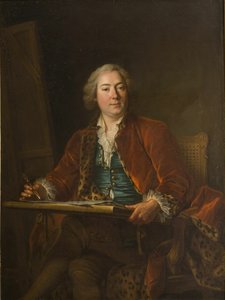
Charles André van Loo
1705 - 1765 , Francja
Najważniejsze informacje
- Artistic Movement Or Style: Rococo
- Artists Or Movements Influenced By This Artist: ['Nowoczesna szkoła francuska']
- Artists Who Influenced This Artist:
- Benedetto Luti
- Pierre Le Gros
- Date Of Birth: 1705
- Full Name: Charles André van Loo
- Nationality: Francuzi
- Notable Artworks:
- Wenus i Amor
- Przerywacz Łowów
- Portret Marii Leszczynskiej
- Jupiter i Antiope
- Place Of Birth: Nice, Francja
Zobacz także powiązane artykuły

Top 10 arcydzieł epoki rokoka: artyści, historia i dekoracje wnętrz | OriginalUniqueArt.com
Odkryj 10 arcydzieł epoki rokoka! Poznaj Watteau, Boucher’a i Fragonarda – artystów, którzy zdefiniowali ten styl. Inspiracje wnętrzarskie, pastelowe kolory i reprodukcje obrazów najwyższej jakości na OriginalUniqueArt.com. Eksploruj kolekcję online!
Sir Anthony van Dyck: Courtly Portraiture & the Shaping of Baroque Identity
Explore the life & legacy of Sir Anthony van Dyck, the leading court painter of his era. Discover his innovative portraiture, Baroque masterpieces, and investment potential for discerning collectors. Learn more at OriginalUniqueArt.

10 Arcydzieł Wczesnoniderlandzkiego Malarstwa, które Zdefiniowały Epokę | Reprodukcje Obrazów
Odkryj 10 arcydzieł wczesnoniderlandzkiego malarstwa! Poznaj historie van Eycka, Weydena i Memlinga. Reprodukcje obrazów najwyższej jakości dla Twojego wnętrza. Inspiracje i dekoracje ścienne na OriginalUniqueArt.com

Rembrandt van Rijn: 25 Najwybitniejszych Dzieł Sztuki – Reprodukcje i Inspiracje do Wnętrz
Poznaj 25 arcydzieł Rembrandta van Rijn! Odkryj fascynujące historie, techniki i wpływ holenderskiego mistrza baroku na świat sztuki. Reprodukcje obrazów najwyższej jakości – inspiracje do wnętrz na OriginalUniqueArt.com

Charles-André van Loo: A Study in Rococo Portraiture & the French Court's Artistic Dynamics
Explore the elegant world of Charles-André van Loo, a master of Rococo portraiture at the French court. Discover his life, techniques, and enduring influence on 18th-century art. Hand-painted reproductions available.


