

 Zobacz w skali 1:1
 Wyślij
 Udostępnij
 Szczegóły
 Przewodnik

 Pobierz plik obrazu
 Podobne obiekty
 RTG
RTG Pokaz slajdów
 Statystyki
Venus and Amor
 Oil
Oil- WallArt
- Rococo Style
 1740
1740- Early Modern
 40.0 x 31.0 cm
 Kunsthalle Bremen
 Czytaj więcej
Kup wysokiej rozdzielczości, ulepszony obraz cyfrowy o jakości znacznie przewyższającej podgląd online.
Każdy plik jest starannie przygotowywany przez naszych specjalistów przy użyciu zaawansowanych narzędzi oraz profesjonalnej, ręcznej retuszy. Dbamy o to, aby każdy obraz cechował się wyjątkową ostrością, precyzyjnym odwzorowaniem kolorów i subtelnymi detalami.
Ostateczny plik dostarczany jest drogą mailową w ciągu 72 godzin, zoptymalizowany do natychmiastowego wykorzystania w profesjonalnych zastosowaniach redakcyjnych i poligraficznych. To ta sama jakość, której ufają czołowe studia projektowe, wydawnictwa oraz galerie sztuki.
Obraz cyfrowy
Pobierz plik o wysokiej rozdzielczości do osobistego użytku, druku oraz projektów kreatywnych. ( Przełącz na wersję drukowaną Kup ręcznie malowany obraz)
W każdym zamówieniu na obraz cyfrowy znajduje się
Profesjonalna dostawa cyfrowa z gwarancją
Wybierając OriginalUniqueArt.com, nie otrzymujesz jedynie obrazu – otrzymujesz profesjonalnie udoskonalone cyfrowe dzieło sztuki, stworzone z najwyższą precyzją i objęte gwarancją satysfakcji. Oto wszystko, co automatycznie dołączane jest do Twojego zamówienia:

Błyskawiczna dostawa e-mailowa
Plik z obrazem cyfrowym w wysokiej rozdzielczości zostanie przesłany na Twój adres e-mail w ciągu 72 godzin od złożenia zamówienia – gotowy do natychmiastowego użycia.

Plik cyfrowy ulepszony przez AI
Twoja grafika została profesjonalnie zoptymalizowana przy użyciu zaawansowanych narzędzi AI oraz ręcznej edycji, co zapewnia maksymalną szczegółowość, klarowność i wierność kolorów.

Bezpłatna dożywotnia ponowna dostawa
Przypadkowo usunąłeś lub zgubiłeś swój plik? Bez obaw – prześlemy go Tobie ponownie w dowolnym momencie, bez żadnych opłat.

Bez opłat importowych – zawsze
Ciesz się swoją sztuką natychmiast, bez żadnych opłat celnych, należności ani kosztów dostawy – pliki cyfrowe są zawsze wolne od podatku.

Gwarancja odwzorowania kolorów
Dzięki zastosowaniu profesjonalnych narzędzi i procesów zarządzania barwą zapewniamy, że Twoje cyfrowe zdjęcie odzwierciedla oryginalne kolory tak wiernie, jak to tylko możliwe.

100 dni na satysfakcję
Jeśli nie będziesz zadowolony ze swojego cyfrowego obrazu, poprawimy go lub zwrócimy 100% kosztów w ciągu 100 dni – bez zbędnych pytań.

100% Gwarancja zwrotu pieniędzy
Nie jesteś zadowolony? Otrzymaj pełny zwrot kosztów w ciągu 100 dni od otrzymania pliku cyfrowego – bez zbędnych pytań.

Rabaty przy zamówieniach hurtowych
Kup 3 obrazy, oszczędź 10% - Kup 5, oszczędź 15% - Kup 10+, oszczędź 20%. Idealne do projektów kreatywnych, galerii i agencji.
A Symphony of Tenderness: The Rococo Grace of Venus and Amor
In the soft, luminous glow of Charles André van Loo’s 1740 masterpiece, Venus and Amor, we are invited into a realm where divinity meets the most intimate of human emotions. This exquisite painting serves as a quintessential emblem of the Rococo era, a period defined by its departure from the heavy, dramatic shadows of the Baroque in favor of light, air, and an almost ethereal elegance. As the eye wanders across the canvas, it is immediately captured by the serene interaction between the goddess of love and her young cherub. Van Loo does not merely depict a mythological scene; he captures a profound moment of maternal reverence, where the celestial and the terrestrial dissolve into a single, breathless heartbeat of affection.
The composition is a masterclass in the Rococo aesthetic, characterized by its delicate balance and flowing, curvilinear lines. Venus rests upon a rugged yet soft-edged rocky outcrop, her posture suggesting a quiet, contemplative stillness. Her gaze, directed downward toward the infant Amor, radiates a protective warmth that transcends her divine status. This tender connection is mirrored in the surrounding landscape, where scattered birds flit through the air, adding a subtle sense of movement and life to the otherwise tranquil scene. The artist’s use of a pastel-driven palette—dominated by creamy whites, blush pinks, and muted, mossy greens—creates an atmosphere of dreamlike tranquility, making the artwork feel less like a static image and more like a fleeting, beautiful memory.
Masterful Technique and Symbolic Resonance
Beyond its surface beauty, Venus and Amor reveals a sophisticated technical prowess that continues to inspire collectors and decorators alike. Van Loo employs advanced glazing techniques, layering thin, translucent veils of paint to achieve a luminous, pearlescent quality on the skin of the figures. This method allows light to appear as if it is emanating from within the canvas itself, highlighting the soft textures of drapery and the delicate features of the cherub. Every brushstroke is intentional, contributing to an overall sense of refinement and luxury that was highly prized in the French courts of Louis XV.
Symbolically, the painting is rich with layers of meaning that resonate deeply with the themes of renewal and innocence. The presence of the birds serves as a metaphor for freedom and the cyclical nature of life, while the very choice of subject matter—the goddess of love nurturing her offspring—speaks to the universal sanctity of the maternal bond. For the discerning interior designer or art enthusiast, this piece offers more than just visual appeal; it provides an emotional anchor. Whether placed in a sun-drenched morning room or a sophisticated gallery space, a high-quality reproduction of this work brings with it an aura of classical sophistication and a timeless sense of peace, making it an incomparable centerpiece for any curated collection.
Pytania i odpowiedzi
Czy dzieło „Venus and Amor” autorstwa Charles André van Loo znajduje się w domenie publicznej i dlaczego?
Dzieło "Venus and Amor" autorstwa Charles André van Loo znajduje się w stanowi domenę publiczną – autorskie prawa majątkowe wygasły. Okres ochrony praw autorskich liczony jest od daty śmierci artysty, a Charles André van Loo zmarł(a) w 1765.
Ile lat miał(a) Charles André van Loo, tworząc "Venus and Amor" w 1740 roku?
Gdy w 1740 roku powstało dzieło „Venus and Amor”, Charles André van Loo – urodzony/a w 1705 – miał/a 35 lat.
Jak mogę odkryć dzieła zbliżone do „Venus and Amor” autorstwa Charles André van Loo?
Strona Podobne dzieła dzieła „Venus and Amor” autorstwa Charles André van Loo prezentuje powiązane utwory.
Biografia artysty
Wczesne lata i kształcenie
- Urodzony: 15 lutego 1705 r. w Nicei, Francja
- Pochodzenie: Syn Louisa-Abrahama van Loo i młodszy brat Jean-Baptiste van Loo; członek odnoszącej sukcesy dynastii malarzy niderlandzkich.
- Wczesna edukacja: Początkowe szkolenie w Turynie, a następnie studia w Rzymie (1romat 1712) pod okiem Benedetto Luti oraz Pierre Legrosa.
- Studia paryskie: Uczestnik Académie royale, zdobywca pierwszej nagrody w dziedzinie rysunku w 1723 roku oraz malarstwa historycznego w 1727 roku.
Kariera artystyczna i wybitne dzieła
- Styl: Przede wszystkim znany jako malarz rokoka, charakteryzujący się elegancją, gracją i bogactwem detali.
- Tematyka: Szeroki wachlarz tematów, obejmujący portrety, sceny mitologiczne, malarstwo historyczne, alegorie oraz sceny rodzajowe.
- Znaczące dzieła:
- Wenus i Amor (Kunsthalle Bremen) – demonstruje mistrzostwo stylu rokoko.
- Przystanek na polowaniu (The Metropolitan Museum of Art) – oddaje atmosferę arystokratycznych rozrywek.
- Portret Marii Leszczyńskiej, Królowej Francji – znamienity portret królewski.
- Jowisz i Antiope – ukazuje tematy mitologiczne.
- Autoportret – pozwala zajrzeć w głąb samoświadomości artysty.
- Perseusz i Andromeda (wiele wersji) – ilustruje umiejętność przedstawiania mitologii klasycznej.
- Mademoiselle Clairon jako Medea (mała wersja) – urzekający portret rokokowy z 1760 roku.
Mecenat i królewskie uznanie
- Mecenat królewski: Cieszył się protekcją Madame de Pompadour oraz dworu francuskiego.
- Order św. Michała: Odznaczony Orderem św. Michała, co stanowiło symbol królewskiej łaski.
Wpływy i dziedzictwo
- Wpływ rodziny: Silnie zainspirowany twórczością ojca i brata, obaj wybitni malarze.
- Rywalizacja: Rywalizował z François Boucherem, innym znaczącym artystą epoki rokoka.
- Nowoczesna szkoła francuska: Jego „prostota stylu i poprawność projektu” wywarły istotny wpływ na rozwój nowoczesnej szkoły malarstwa francuskiego.
- Losy krytyczne: Choć jego pozycja w oczach krytyków zmieniała się w czasie, kunszt i rozmach jego twórczości budzą nieustanny szacunek.
Kolekcje muzealne i dalsze zgłębianie tematu
- Obecność w muzeach: Jego dzieła znajdują się w najważniejszych muzeach świata, w tym w Luwrze (Małżeństwo Najświętszej Marii Panny), Kunsthalle Bremen oraz The Metropolitan Museum of Art.
- Dodatkowe zasoby:
- Strona Charles-André van Loo w OriginalUniqueArt: https://www.OriginalUniqueArt.com/artists/charles-andre-van-loo/
- Strona Największych Artystów Wszystkich Czasów w OriginalUniqueArt: https://www.OriginalUniqueArt.com/greatest-artists
- Wirtualne Muzeum OriginalUniqueArt: https://www.OriginalUniqueArt.com/
- Artykuł w Wikipedii: https://en.wikipedia.org/wiki/Charles-Andr%C3%A9_van_Loo
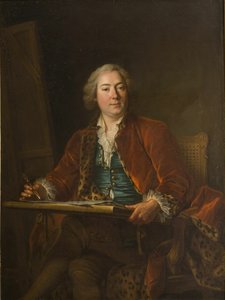
Charles André van Loo
1705 - 1765 , Francja
Najważniejsze informacje
- Artistic Movement Or Style: Rococo
- Artists Or Movements Influenced By This Artist: ['Nowoczesna szkoła francuska']
- Artists Who Influenced This Artist:
- Benedetto Luti
- Pierre Le Gros
- Date Of Birth: 1705
- Full Name: Charles André van Loo
- Nationality: Francuzi
- Notable Artworks:
- Wenus i Amor
- Przerywacz Łowów
- Portret Marii Leszczynskiej
- Jupiter i Antiope
- Place Of Birth: Nice, Francja