Rococo Style · 1735
Perseus and Andromeda (Charles André van Loo, 1735)
Charles André van Loo (1705–1765) stworzył Perseus and Andromeda. Dzieło pochodzi z 1735. Należy do nurtu Rococo Style. Wykonano w technice Oil On Canvas. Przechowywane jest w Ermitaż w Sankt Petersburg, Rosja. Wymiary to 73 × 92 cm.
- 1735
- Oil On Canvas
- 73 × 92 cm
- Ermitaż, Sankt Petersburg

 Podgląd w skali 1:1

 Ręcznie malowany obraz olejny
 Wyślij jako kartkę
 Udostępnij
 Karta informacyjna


 Pobierz obraz
 Podobne obiekty
 RTG
 Pokaz slajdów
 Pytania i odpowiedzi

 Statystyki
Perseus and Andromeda w skrócie
- Tytuł
- Perseus and Andromeda
- Artysta
- Charles André van Loo (1705–1765)
- Miejsce urodzenia artysty
- Nicea, Francja
- Data powstania
- 1735
- Technika wykonania
- Oil On Canvas
- Wymiary
- 73 × 92 cm
- Gdzie można je zobaczyć
- Ermitaż, Sankt Petersburg, Rosja
- Ruch
- Rococo Style
- Epoka
- Early Modern
- Temat
- mythology, heroism, mythology narrative, sea monster, perseus, andromeda
Co przedstawia Perseus and Andromeda?
A Struggle Amidst the Waves
The air feels heavy with the salt of the sea and the tension of a life hanging in the balance. Perseus moves with a sudden, decisive energy, his sword poised to strike as he confronts the terror of the Gorgon's legacy. Below him, the massive, lifeless form of the sea monster lies slumped, its struggle ended, while Andromeda remains a vision of vulnerability. She rests near the creature, her hands pressed to her head in a gesture of profound distress, her jewelry catching the light amidst the chaos of the rescue. The scene pulses with the immediate drama of a hero's arrival, capturing the exact moment where salvation meets certain peril.
The Language of Rococo Elegance
The composition flows with a grace that defies the violence of the subject matter. Rather than focusing on raw, gritty realism, the brushwork emphasizes a certain decorative fluidity. The palette relies on soft, luminous tones that transform a scene of death and rescue into something ethereal.- The use of delicate blue and gold hues to create an atmosphere of aristocratic refinement.
- Meticulous layering of glazes that lends a textural richness to the drapery and skin.
- A focus on rhythmic movement through the subtle folds of fabric and the curves of the bodies.
- The interplay of light and shadow to heighten the sense of divine intervention.
Symbolism and the Royal Court
This work emerges from the opulent atmosphere of Louis XV’s reign, reflecting a period fascinated by the ideals of classical mythology. Perseus represents more than a mere warrior; he embodies the triumph of intellect and courage over overwhelming obstacles. Andromeda, in her innocence, reflects the virtues of grace and the necessity of divine protection. During this era, such mythological narratives functioned as visual celebrations of authority and the heroic spirit. The painting carries the weight of the French court's aesthetic, where beauty and moral allegory are woven into every brushstroke, turning a myth into a statement of cultural sophistication.
W którym muzeum znajduje się Perseus and Andromeda?
Ermitaż
Sankt Petersburg, Rosja
Początki i historia Ermitażu Historia Ermitażu bierze swój początek w 1764 roku, kiedy to świat sztuki wzbogacił się o niezwykłą kolekcję 225 obrazów, nabytych od berlińskiego kupca Johanna Ernsta Gotzkowsky’ego. To właśnie Katarzyna Wielka położyła fundamenty pod tę niezwykłą zbiorowość, nadając początek obecności muzeum w Sankt Petersburgu w Rosji. Te wczesne nabytki stały się jądrem, z którego wyrosło potężne i rozległe repozytorium zachodniej sztuki europejskiej.


Zdjęcia w wysokiej rozdzielczości dzieła Perseus and Andromeda

Domena publiczna: artysta zmarł w 1765.
Inne rozmiary, kadrowanie i cytowanie →Charles André van Loo, Perseus and Andromeda (1735), Ermitaż. Domena publiczna
Odpowiedzi na pytania dotyczące Perseus and Andromeda
W którym muzeum znajduje się oryginał "Perseus and Andromeda"?
„Perseus and Andromeda” – Charles André van Loo znajduje się w zbiorach Ermitaż, Sankt Petersburg, Rosja. Informacja o muzeum dotyczy oryginału, a nie reprodukcji.
W którym roku powstało dzieło „Perseus and Andromeda” – Charles André van Loo?
Powstanie „Perseus and Andromeda” – Charles André van Loo datuje się na 1735.
W jakiej technice wykonano „Perseus and Andromeda” – Charles André van Loo?
Technika wykonania dzieła „Perseus and Andromeda” – Charles André van Loo to Oil On Canvas. Reprodukcje mają na celu wierne oddanie wyglądu tej techniki.
Jakie są wymiary oryginalnego dzieła „Perseus and Andromeda” – Charles André van Loo?
Oryginalny utwór „Perseus and Andromeda” – Charles André van Loo ma wymiary 73 x 92 cm.
Co przedstawia "Perseus and Andromeda"?
Tematyka obecna w „Perseus and Andromeda” – Charles André van Loo obejmuje mythology, heroism, mythology narrative, sea monster, perseus, andromeda, classical art. Razem stanowią one podsumowanie tematyki dzieła.
Czy obraz „Perseus and Andromeda” – Charles André van Loo można swobodnie reprodukować?
Jeśli chodzi o prawa autorskie, "Perseus and Andromeda" znajduje się w należy do domeny publicznej – autorskie prawa majątkowe wygasły.
Któremu artyście przypisuje się "Perseus and Andromeda"?
Autorstwo dzieła "Perseus and Andromeda" przypisuje się Charles André van Loo.
Do jakiego nurtu artystycznego należy „Perseus and Andromeda” – Charles André van Loo?
„Perseus and Andromeda” to dzieło należące do nurtu Rococo Style. Nurt ten określa tradycję artystyczną, w której osadzone jest dzieło.
Do którego okresu twórczości Charles André van Loo należy dzieło "Perseus and Andromeda"?
„Perseus and Andromeda” pochodzi z okresu Mature Period w twórczości Charles André van Loo. Klasyfikacja ta wiąże dzieło z rozwojem artysty.
O artyście: Charles André van Loo
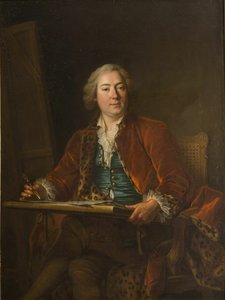
1705–1765, Francja
Charles André van Loo
Wczesne lata i kształcenie Urodzony: 15 lutego 1705 r. w Nicei, Francja Pochodzenie: Syn Louisa-Abrahama van Loo i młodszy brat Jean-Baptiste van Loo; członek odnoszącej sukcesy dynastii malarzy niderlandzkich. Wczesna edukacja: Początkowe szkolenie w Turynie, a następnie studia w Rzymie (1romat 1712) pod okiem Benedetto Luti oraz Pierre Legrosa. Studia paryskie: Uczestnik Académie royale, zdobywca pierwszej nagrody w dziedzinie rysunku w 1723 roku oraz malarstwa historycznego w 1727 roku.
O Charles André van Loo Najważniejsze dzieła Charles André van Loo
Inne prace Charles André van Loo
 Spanish Concert (Spanish Сonversation)1754
 Aeneas Carrying Anchises1729
 The sultana1747
 Jerusalem Delivered Tancredi Fighting Clorinda1733

Eseje o Perseus and Andromeda
 Captured Courage: A Study of Dramatic Artworks Depicting Heroic Rescues and Human ResilienceExplore the powerful history of heroic rescue art from Cellini to Géricault. Discover tales of human resilience through masterworks.
 Charles-André van Loo: A Study in Rococo Portraiture & the French Court's Artistic DynamicsExplore the elegant world of Charles-André van Loo, a master of Rococo portraiture at the French court. Discover his life, techniques, and …
 25 Masterpieces by Jean-Antoine Watteau: The Essence of Rococo EleganceExplore 25 iconic Rococo masterpieces by Jean-Antoine Watteau. Discover the full collection online at OriginalUniqueArt.com.