Fauvism · 1911
Vegetable fields (August Macke, 1911)
August Macke (1887–1914) stworzył Vegetable fields. Dzieło pochodzi z 1911. Należy do nurtu Fauvism. Wykonano w technice Oil On Canvas. Przechowywane jest w Kunstmuseum Bonn w Bonn, Niemcy. Wymiary to 47 × 64 cm.
- 1911
- Oil On Canvas
- 47 × 64 cm
- Kunstmuseum Bonn

 Podgląd w skali 1:1

 Ręcznie malowany obraz olejny
 Wyślij jako kartkę
 Udostępnij
 Karta informacyjna


 Pobierz obraz
 Podobne obiekty
 RTG
 Pokaz slajdów
 Pytania i odpowiedzi

 Statystyki
Vegetable fields w skrócie
- Tytuł
- Vegetable fields
- Artysta
- August Macke (1887–1914)
- Miejsce urodzenia artysty
- Meschede, Niemcy
- Data powstania
- 1911
- Technika wykonania
- Oil On Canvas
- Wymiary
- 47 × 64 cm
- Gdzie można je zobaczyć
- Kunstmuseum Bonn, Bonn, Niemcy
- Ruch
- Fauvism
- Temat
- rural landscape, haystacks, blue flowers, path, roads, color field
Co przedstawia Vegetable fields?
August Macke’s ‘Vegetable Fields’: A Fauvist Echo of Rural Melancholy
This captivating oil painting, “Vegetable Fields,” created in 1911 by August Macke, offers a potent glimpse into the burgeoning world of German Expressionism. Measuring 47 x 64 cm, this work transcends a simple depiction of a rural landscape; it’s an intensely felt experience rendered through bold color and simplified forms – hallmarks of the Fauvist movement. Macke, tragically cut short by the First World War at just 27, was already producing art that resonated with a raw emotionality, anticipating the full force of Expressionism while still retaining traces of Impressionist influence.
- Subject Matter: The scene unfolds in a stylized countryside, dominated by haystacks, fields ablaze with blue flowers, and a prominent pathway leading the viewer’s eye into the distance. This isn't a meticulous rendering of reality; rather, it’s an interpretation filtered through Macke’s emotional lens.
- Style & Technique: The painting firmly embraces Fauvist principles – prioritizing color over precise representation. Thick impasto brushstrokes build texture and physicality onto the canvas, creating a vibrant, almost tactile surface. Lines are deliberately expressive, guiding the viewer's gaze and contributing to the overall sense of movement.
Decoding the Emotional Landscape
Macke’s use of color is particularly striking. The dominant blues and greens evoke a feeling of tranquility, yet they’re punctuated by jarring yellows and reds, creating an underlying tension. This deliberate dissonance reflects the anxieties and uncertainties of the era – a world on the cusp of profound change. The flattened perspective, prioritizing emotional impact over realistic spatial illusion, further intensifies this effect. It's as if Macke is inviting us to step into his subjective experience, rather than simply observing a landscape.
- Symbolism: The diverging paths in the distance are rich with symbolic potential, representing choices, journeys, or perhaps the fragmented nature of modern life. The isolated setting contributes to a sense of melancholy, hinting at themes of loneliness and contemplation.
- Historical Context: Created in 1911, “Vegetable Fields” sits squarely within the period of experimentation that preceded the full flowering of German Expressionism. Macke’s work foreshadowed the movement's emphasis on subjective emotion and distorted form, while still retaining a connection to earlier artistic traditions.
A Masterclass in Texture and Light
The painting’s technical brilliance lies not just in its color palette but also in Macke’s masterful manipulation of light and texture. The diffuse lighting suggests an overcast day, eliminating harsh shadows and contributing to the overall mood of quiet contemplation. The thick impasto technique – applying paint thickly to create a textured surface – is particularly evident in the haystacks and fields, adding a remarkable physicality to the composition. This deliberate roughness further emphasizes the emotional intensity of the work.
Collecting this Powerful Image
A hand-painted reproduction of “Vegetable Fields” offers an exceptional opportunity to bring this evocative artwork into your home or office. OriginalUniqueArt’s meticulous reproductions capture the essence of Macke's vision, faithfully recreating the painting’s vibrant colors and expressive brushwork. This piece is more than just a decoration; it’s a window into the soul of a brilliant artist and a poignant reflection on the human condition.
W którym muzeum znajduje się Vegetable fields?
Kunstmuseum Bonn
Bonn, Niemcy
Sanktuarium Ekspresji: Dusza Kunstmuseum Bonn Położone w historycznym sercu Bonn, w mieście, gdzie w powietrzu wciąż zdają się unosić echa kompozycji Beethovena, znajduje się Kunstmuseum Bonn —głębokie sanktuarium dla tych, którzy poszukują surowej, emocjonalnej mocy modernizmu. Przekroczenie progu tej instytucji jest jak rozpoczęcie podróży przez burzliwą, a zarazem piękną psychikę dwudziestego wieku. Zrodzone z potrzeby odbudowania nie tylko murów, ale i tożsamości kulturowej w transformacyjnej erze powojennej rekonstrukcji, muzeum stało się od tego czasu światową latarnią ekspresjonizmu nadreńskiego .

Zdjęcia w wysokiej rozdzielczości dzieła Vegetable fields

Domena publiczna: artysta zmarł w 1914.
Inne rozmiary, kadrowanie i cytowanie →August Macke, Vegetable fields (1911), Kunstmuseum Bonn. Domena publiczna
Odpowiedzi na pytania dotyczące Vegetable fields
Gdzie można obecnie zobaczyć dzieło „Vegetable fields” – August Macke?
Oryginał dzieła „Vegetable fields” można zobaczyć w Kunstmuseum Bonn, Bonn, Niemcy.
W którym roku powstało „Vegetable fields” – August Macke?
"Vegetable fields" powstało w 1911 roku. Data ta pozwala umiejscowić dzieło w kontekście twórczości August Macke oraz epoki, w której powstało.
W jakiej technice wykonano „Vegetable fields” – August Macke?
Technika wykonania dzieła „Vegetable fields” – August Macke to Oil On Canvas. Reprodukcje mają na celu wierne oddanie wyglądu tej techniki.
Jakie są rzeczywiste wymiary dzieła „Vegetable fields” – August Macke?
Oryginalny utwór „Vegetable fields” – August Macke ma wymiary 47 x 64 cm.
Co przedstawia „Vegetable fields” – August Macke?
„Vegetable fields” – August Macke przedstawia: rural landscape, haystacks, blue flowers, path, roads, color field, expressionism, geometric forms.
Czy dzieło "Vegetable fields" znajduje się w domenie publicznej?
Jeśli chodzi o prawa autorskie, "Vegetable fields" znajduje się w należy do domeny publicznej – autorskie prawa majątkowe wygasły.
Któremu artyście przypisuje się "Vegetable fields"?
Autorem dzieła „Vegetable fields” jest August Macke. Praca ta figuruje w katalogu pod nazwiskiem August Macke.
Do jakiego nurtu artystycznego należy „Vegetable fields” – August Macke?
„Vegetable fields” to dzieło należące do nurtu Fauvism. Nurt ten określa tradycję artystyczną, w której osadzone jest dzieło.
Do którego okresu twórczości August Macke należy dzieło „Vegetable fields”?
"Vegetable fields" reprezentuje Mature Period twórczości August Macke.
O artyście: August Macke
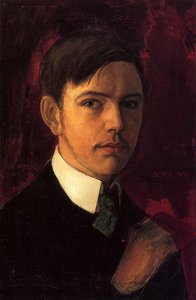
1887–1914, Niemcy
August Macke
Wczesne lata, rodzina i edukacja Historia, którą napisał August Macke, bierze swój początek w niemieckim miasteczku Meschede, gdzie 3 stycznia 1887 roku przyszedł na świat pierwszy i jedyny syn Augusta Friedricha Hermanna Macke, budowniczego i artysty amatora, oraz Marii Florentine. Dzieciństwo artysty kształtowały zmienne losy firmy jego ojca, które rzucały rodzinę raz do Kolonii, a raz do Bonn. Już jako mały chłopiec, August wykazywał nieodparty pociąg do ekspresji wizualnej; spędzał wczesne lata na szkicowaniu i projektowaniu scenografii do szkolnych przedstawień, znajdując sposób na przenoszenie otaczającego go świata na papier na długo przed tym, zanim przekroczył progi formalnej akademii. Jego właściwa edukacja artystyczna rozpoczęła się z pełną mocą, gdy trafił do Akademii w Düsseldorfie, gdzie kształcił się w latach 1904–1906.
Inne prace August Macke
 Kobieta w zielonej kurtce1913
 Bathing girls z miastem w tle1913
 "Hat Shop" -> "Sklep z kapeluszami"1913
 Portrait of the Artist's Wife with Hat1909

Eseje o Vegetable fields
 August Macke: Expressionist Visions of Harmony & Modern LifeExplore the vibrant Expressionist paintings of August Macke (1887-1914). Discover his key role in Der Blaue Reiter, Fauvist influences, and…
 Ekspresjonizm: 10 Arcydzieł, Które Zdefiniowały Ruch – Obrazy i Dekoracje OriginalUniqueArt.comPoznaj 10 arcydzieł ekspresjonizmu! Odkryj historie Muncha, Kirchnera i innych artystów tego przełomowego ruchu. Reprodukcje obrazów najwyż…
 Brushes of Anguish: The Psychological Landscape of Emotional Distress in Post-Impressionist ArtExplore the profound psychological depth of Post-Impressionist masters. Discover how color and form mirror human emotion.