Podgląd w skali 1:1
 Wyślij jako kartkę
 Udostępnij
 Szczegóły dzieła
 Przewodnik

 Pobierz obraz
 Podobne obiekty
 RTG
RTG Pokaz slajdów
 Statystyki
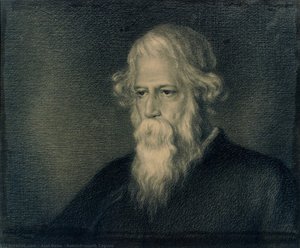
Rabindranath Tagore
 Akryl na płótnie
- Sztuka ścienna
- Graphic art
 1944
1944 56.0 x 68.0 cm
 Wielki Pałac Wiktorioński
 Rozwiń treść
Dzieło sztuki prezentowane na tej stronie podlega ochronie prawem autorskim, co oznacza, że nie mamy prawa do tworzenia ani sprzedaży jego identycznej reprodukcji. Ochrona ta jest egzekwowana na mocy umów międzynarodowych, takich jak Konwencja berneńska oraz przez przepisy prawa krajowego, w tym te określone w Prawo autorskie USA – Tytuł 17.
Metoda ta jest w pełni zgodna z przepisami prawa autorskiego, ponieważ nie polega na kopiowaniu ani powielaniu chronionego dzieła. Stanowi ona kreatywną reinterpretację – nowy obraz, który czerpie inspirację z oryginału, ale nie jest z nim tożsamy.
Giclée / Wydruk artystyczny
Wydruki giclée lub płótna o jakości muzealnej, szybka realizacja i szeroki wybór opcji wykończenia. ( Zamów ręcznie malowaną reprodukcję Przejdź do wersji cyfrowej)




P118B zł10

P118H zł10

P118W zł10

P438Z zł10

P508JH zł12

P508YH zł12

P805H zł10

P805Z zł10

P919BZ zł10

P919G zł10

P919XJ zł10

P959ZH zł10

P968JZ zł12

W106C zł8

W218G zł10

W218JH zł8

W218Y zł10

W307PJ zł10

W316G zł10

W316PJ zł8

W316Y zł10

W398PJ zł8

W4111J zł10

W500HY zł15

W500JH zł15

W692G zł12

W849H zł8

W940BG zł15

W953PJ zł8




Wybierz spośród naszych standardowych rozmiarów, które zachowują oryginalne proporcje dzieła sztuki.

Wpisz wymaganą szerokość i wysokość, aby dopasować grafikę do ramy lub ściany. Wydruk można jedynie przyciąć, nigdy nie powiększając go poza oryginalny obraz, dlatego format o innych proporcjach spowoduje utratę części kompozycji. Przed rozpoczęciem druku prześlemy Ci cyfrowy podgląd do zatwierdzenia. Obraz wyświetlany na tej stronie nie pokazuje rzeczywistego przycięcia — jedynie podgląd oddaje ten efekt.
Dostawa na cały świat () w ciągu 2 tygodni zamiast standardowych 4/5 tygodni. (25 Październik)

Bezpłatna ekspresowa wysyłka na cały świat

Wysokiej jakości płótno lniane

Pełne ubezpieczenie przesyłki

Gwarancja zwrotu należności celnych i podatków importowych

Gwarancja wiernego odwzorowania kolorów

100-dniowa polityka zwrotów (tylko w przypadku wad)

Gwarancja 100% zwrotu pieniędzy

Zniżka przy zakupie wielu sztuk
 Opcja ze szkłem jest dostępna wyłącznie w rozmiarach poniżej 110 cm

Rabindranath Tagore
Giclée / Wydruk artystyczny
Wymiary reprodukcji
-


Cena całkowita
zł 307
Rabindranath Tagore: A Portrait of Wisdom and Reflection
The painting “Rabindranath Tagore” by Atul Basu is more than just an image; it’s a distillation of intellect, serenity, and the enduring spirit of Bengali culture. Executed in 1944 during a pivotal moment in India's independence struggle, this artwork captures Tagore—a titan of literature and music—with remarkable sensitivity. Basu skillfully employs oil paints on plywood to convey not merely physical likeness but also an inner state of profound contemplation.- Style: The painting leans heavily into the stylistic influences of Impressionism and Symbolism, mirroring Tagore’s own philosophical leanings. Basu avoids harsh realism, opting instead for soft tonal gradations that bathe Tagore's face in a gentle luminescence—a deliberate choice to illuminate his contemplative gaze.
- Technique: Basu’s meticulous brushwork contributes significantly to the painting’s atmosphere. Notice the subtle layering of colors and textures; these techniques create depth and dimensionality, mirroring Tagore’s multifaceted personality and intellectual pursuits. The artist's attention to detail—particularly in capturing the nuances of Tagore’s facial expression—demonstrates a profound understanding of portraiture as an art form.
- Historical Context: Created amidst the burgeoning nationalist fervor of post-war India, “Rabindranath Tagore” speaks to a broader cultural dialogue about identity and artistic expression. Basu's decision to depict Tagore in repose reflects the poet’s belief in inner peace and spiritual contemplation as pathways to social reform—values that resonated deeply with intellectuals and artists alike during this era.
- Symbolism: The artist utilizes visual cues to imbue the portrait with symbolic resonance. Tagore’s gaze directs upwards, suggesting an aspiration towards enlightenment and a connection to universal truths. Furthermore, the framing of the painting itself—a simple wooden frame—represents stability and tradition amidst turbulent times—themes central to Tagore's worldview.
- Emotional Impact: Viewing “Rabindranath Tagore” evokes feelings of calm introspection and intellectual curiosity. Basu’s masterful rendering captures not just a likeness but also an essence—the quiet dignity and unwavering conviction that defined Tagore’s life and work. It serves as a poignant reminder of the power of art to convey profound human experience.
Pytania i odpowiedzi
Jaki jest format dzieła "Rabindranath Tagore"?
Format dzieła „Rabindranath Tagore” to Poziomy. Jest to pomocna informacja podczas planowania miejsca, w którym zostanie umieszczona reprodukcja.
Jak intensywne są kolory w „Rabindranath Tagore” – Atul Basu?
Kolory w „Rabindranath Tagore” – Atul Basu charakteryzują się Monochromatyczny intensywnością.
Czy dzieło „Rabindranath Tagore” – Atul Basu, znajdujące się w zbiorach Wielki Pałac Wiktorioński, może być legalnie reprodukowane?
Dzieło „Rabindranath Tagore” – Atul Basu, znajdujące się w zbiorach Wielki Pałac Wiktorioński, znajduje się w nadal objęte ochroną prawa autorskiego. Status ten określa, czy możliwe jest tworzenie reprodukcji obrazu.
Biografia artysty
wczesne lata i edukacja
atul basu, znamienity indyjski malarz, przyszedł na świat 22 lutego 1898 roku w mymensingh, znajdującym się wówczas w granicach prezydencji bengalskiej. to właśnie dzieciństwo spędzone w miasteczku mymensingh położyło fundament pod jego przyszłe artystyczne dążenia. jego edukacja podstawowa rozpoczęła się w filii national council of education w mymensingh, a następnie kontynuował naukę w jubilee art academy w kolkata.kariera i inspiracje
dzięki stypendium przyznanemu przez uniwersytet w calcutta, basu udał się na studia artystyczne do royal academy w londynie (1924-19mu6), gdzie jego twórczość została ukształtowana przez wpływ postimpresjonisty waltera sickerta. co niezwykle istotne, basu odmówił zaproszenia do dekoracji pawilonu podczas british empire exhibition, co stanowiło świadectwo jego niezłomnego przywiązania do własnej wizji artystycznej. w 1921 roku, wraz z bhabani charan laha, współzałożył indian school of oriental art, a w późniejszych latach objął funkcję dyrektora government college of art & craft. wśród jego najbardziej znaczących dzieł znajdują się sphinx (olej na sklejce) oraz autoportret (1945), które w mistrzowski sposób prezentują jego biegłość w operowaniu barwami olejnymi.wybitne dzieła i kolekcje
- sphinx (olej na sklejce)
- autoportret (1945)
- portrety pochodzące z oryginalnych kolekcji w windsor castle oraz w buckingham palace, zamówione przez rząd indyjski
- kiran nadar museum of art (knma)
- national gallery of modern art
- indian museum
- parliament house, new delhi
- raj bhavan, kolkata
nagrody i uznanie
w 1970 roku basu został uhonorowany stopniem doktora sztuki (d.litt) przez rabindra bharati university w calcutta. zobacz więcej dzieł atula basu na OriginalUniqueArt.com: odkryj więcej indyjskich artystów i ich twórczość na OriginalUniqueArt.com:
Atul Basu
1898 - 1977 , Indie
Powiązane artykuły

Echa Niepokoju: Reprezentacja Życia Nowoczesnego w Sztuce Lat 30. XX Wieku
Poznaj fascynujący świat sztuki lat 30. XX wieku! Analizujemy American Scene Painting i Socrealizm – wpływ kryzysu, realizm, ideologie i wybitnych artystów. Ekspercka analiza dzieł i kontekstu historycznego.
Od Minimalizmu do Ekspresjonizmu: Przewodnik po Współczesnych Kierunkach w Wyborze Abstrakcyjnego Stylu, Budzący Emocje i Estetyczny Rezonans
Odkryj świat abstrakcji! Przewodnik po minimalizmie, ekspresjonizmie i innych kierunkach sztuki współczesnej. Eksperckie porady dla kolekcjonerów i inspiracje do wnętrz. Znajdź idealny obraz na OriginalUniqueArt.com.
Chromatyczne Atmosfery: Filozoficzne Podstawy Malarstwa Kolorowego Pola
Odkryj filozoficzne podstawy malarstwa Kolorowego Pola i wpływ Marka Rothko na współczesną sztukę. Analiza dzieł, kontekst historyczny i teoria percepcji. Ekskluzywne artykuły dla koneserów.

Rezonans Nowoczesności: Emocjonalne Tonacje w Sztuce Współczesnej
Odkryj fascynujący świat emocjonalnego abstrakcjonizmu i Color Field Painting. Analiza twórczości Rothko, Newman'a i innych mistrzów. Poradnik dla kolekcjonerów sztuki współczesnej.

Chromatyczna Ekspresja: Integracja Intensywnych Barw Abstrakcyjnych z Projektowaniem Wnętrz – Przewodnik po Harmonii, Akcentach i Równowadze Wizualnej
Odkryj moc malarstwa barwnych płaszczyzn! Ekspercki przewodnik po integracji intensywnych kolorów z luksusowym designem wnętrz. Harmonijne kompozycje, psychologia koloru i praktyczne wskazówki dla Twojego wymarzonego domu.