Neoclassical · 1760
Parnassus (study) (Anton Rafael Mengs, 1760)
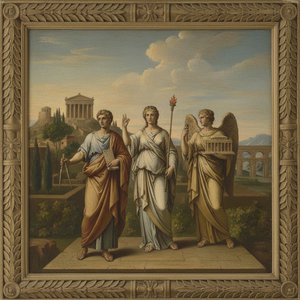
Anton Rafael Mengs (1728–1779) stworzył Parnassus (study). Dzieło pochodzi z 1760. Należy do nurtu Neoclassical. Wykonano w technice Acrylic On Canvas. Przechowywane jest w Ermitaż w Sankt Petersburg, Rosja.
- 1760
- Acrylic On Canvas
- Ermitaż, Sankt Petersburg

 Podgląd w skali 1:1

 Ręcznie malowany obraz olejny
 Wyślij jako kartkę
 Udostępnij
 Karta informacyjna


 Pobierz obraz
 Podobne obiekty
 RTG
 Pokaz slajdów
 Pytania i odpowiedzi

 Statystyki
Parnassus (study) w skrócie
- Tytuł
- Parnassus (study)
- Artysta
- Anton Rafael Mengs (1728–1779)
- Miejsce urodzenia artysty
- Uście nad Łabą, Czechy
- Data powstania
- 1760
- Technika wykonania
- Acrylic On Canvas
- Gdzie można je zobaczyć
- Ermitaż, Sankt Petersburg, Rosja
- Ruch
- Neoclassical
- Temat
- mythology, apollo, muses, parnassus, study, figures
Co przedstawia Parnassus (study)?
A Glimpse of Enlightenment: Anton Raphael Mengs’ “Parnassus (Study)”
Anton Raphael Mengs' "Parnassus (Study)," painted in 1760, isn’t merely a depiction of a classical scene; it’s a carefully constructed meditation on knowledge, aspiration, and the burgeoning spirit of Neoclassicism. This intimate study, far removed from the grand scale of his later frescoes, offers an unparalleled intimacy with Mengs' artistic process – a rare opportunity to witness the genesis of a masterpiece. The painting captures a gathering around a statue of Apollo, the mythical patron of the arts and sciences, surrounded by figures engaged in various intellectual pursuits. It’s a tableau vivant, brimming with quiet contemplation and subtle gestures that speak volumes about the era’s fascination with reviving classical ideals.
The Neoclassical Composition: Harmony and Restraint
Mengs' style here is distinctly Neoclassical, reflecting the artistic currents of 18th-century Europe. He meticulously adheres to the principles established by artists like Raphael and Michelangelo – a commitment to clarity, balance, and idealized forms. The composition is remarkably ordered; figures are arranged with deliberate precision, creating a sense of harmonious equilibrium. Note the careful use of light and shadow, which sculpts the forms and directs the viewer’s eye across the scene. The muted palette—dominated by earthy tones of ochre, brown, and grey—further enhances the painting's sense of restraint and intellectual seriousness. The background is deliberately vague, emphasizing the figures themselves and drawing attention to their interactions.
- Apollo’s Centrality: The statue of Apollo serves as the undeniable focal point, radiating an aura of authority and wisdom.
- The Muses' Presence: Flanking Apollo are the nine Muses, each embodying a different artistic discipline – poetry, music, dance, etc. Their graceful poses and attentive gazes suggest their role as guides and inspiration for the assembled scholars.
- Diverse Figures: The gathering includes philosophers, poets, musicians, and artists, representing the breadth of intellectual pursuits valued during this period.
Symbolism Woven into Detail: Bananas and Beyond
Beyond the obvious references to classical mythology and philosophy, “Parnassus (Study)” is rich in subtle symbolism. The inclusion of two bananas – a rather unexpected detail – has sparked considerable debate among art historians. Some interpret them as representing the fruits of knowledge, while others see them as a playful nod to contemporary trends or even a commentary on the fleeting nature of beauty and pleasure. The bowl on the table, filled with fruit, reinforces this theme of abundance and nourishment for the mind. The careful placement of each object contributes to the painting’s layered meaning, inviting viewers to engage in a deeper interpretation.
A Window into Mengs' Process: Intimacy and Reflection
What truly distinguishes “Parnassus (Study)” is its intimate scale and evident preparatory nature. It’s not a finished masterpiece but rather a study, a glimpse into Mengs’ creative process. The brushstrokes are visible, revealing the artist's hand at work – a testament to his dedication and meticulous attention to detail. The painting exudes a sense of quiet reflection, suggesting that Mengs was not simply documenting a scene but grappling with fundamental questions about art, knowledge, and the role of the individual within society. It’s a poignant reminder that even in grand artistic endeavors, the most profound insights often emerge from moments of focused contemplation.
Reproductions of “Parnassus (Study)” offer a remarkable opportunity to bring this captivating artwork into your home or office. Each carefully crafted reproduction captures the painting's nuanced details and evocative atmosphere, allowing you to appreciate Mengs’ genius for generations to come.
W którym muzeum znajduje się Parnassus (study)?
Ermitaż
Sankt Petersburg, Rosja
Początki i historia Ermitażu Historia Ermitażu bierze swój początek w 1764 roku, kiedy to świat sztuki wzbogacił się o niezwykłą kolekcję 225 obrazów, nabytych od berlińskiego kupca Johanna Ernsta Gotzkowsky’ego. To właśnie Katarzyna Wielka położyła fundamenty pod tę niezwykłą zbiorowość, nadając początek obecności muzeum w Sankt Petersburgu w Rosji. Te wczesne nabytki stały się jądrem, z którego wyrosło potężne i rozległe repozytorium zachodniej sztuki europejskiej.


Zdjęcia w wysokiej rozdzielczości dzieła Parnassus (study)

Domena publiczna: artysta zmarł w 1779.
Inne rozmiary, kadrowanie i cytowanie →Anton Rafael Mengs, Parnassus (study) (1760), Ermitaż. Domena publiczna
Odpowiedzi na pytania dotyczące Parnassus (study)
Gdzie można zobaczyć oryginał „Parnassus (study)” – Anton Rafael Mengs?
„Parnassus (study)” – Anton Rafael Mengs znajduje się w zbiorach Ermitaż, Sankt Petersburg, Rosja. Informacja o muzeum dotyczy oryginału, a nie reprodukcji.
W którym roku powstało dzieło "Parnassus (study)"?
"Parnassus (study)" powstało w 1760 roku. Data ta pozwala umiejscowić dzieło w kontekście twórczości Anton Rafael Mengs oraz epoki, w której powstało.
W jakiej technice wykonano „Parnassus (study)” – Anton Rafael Mengs?
Technika wykonania dzieła „Parnassus (study)” – Anton Rafael Mengs to Acrylic On Canvas. Reprodukcje mają na celu wierne oddanie wyglądu tej techniki.
Co przedstawia "Parnassus (study)"?
Tematyka dzieła "Parnassus (study)" to mythology, apollo, muses, parnassus, study, figures, composition.
Czy „Parnassus (study)” – Anton Rafael Mengs znajduje się w domenie publicznej?
„Parnassus (study)” – Anton Rafael Mengs znajduje się w domenie publicznej (należy do domeny publicznej – autorskie prawa majątkowe wygasły). Status ten określa zasady reprodukcji obrazu tego dzieła.
Kto jest autorem dzieła "Parnassus (study)"?
Autorem dzieła „Parnassus (study)” jest Anton Rafael Mengs. Praca ta figuruje w katalogu pod nazwiskiem Anton Rafael Mengs.
Do jakiego nurtu należy "Parnassus (study)"?
„Parnassus (study)” to dzieło należące do nurtu Neoclassical. Nurt ten określa tradycję artystyczną, w której osadzone jest dzieło.
Do którego okresu twórczości Anton Rafael Mengs należy dzieło „Parnassus (study)”?
„Parnassus (study)” pochodzi z okresu Mature Period w twórczości Anton Rafael Mengs. Klasyfikacja ta wiąże dzieło z rozwojem artysty.
W jakim wieku Anton Rafael Mengs stworzył(a) "Parnassus (study)"?
Gdy w 1760 roku powstało dzieło „Parnassus (study)”, Anton Rafael Mengs – urodzony/a w 1728 – miał/a 32 lat.
O artyście: Anton Rafael Mengs

1728–1779, Czechy
Anton Rafael Mengs
Most między światami: Życie i sztuka Anton Raphaela Mengsa Anton Raphael Mengs pojawił się w fascynującym okresie w historii sztuki europejskiej, w czasach, gdy ozdobne finezje rokoka zaczynały ustępować miejsca odrodzonemu uwielbieniu dla ideałów klasycznych. Urodzony w 1728 roku w Ústí nad Labem w Czechach – regionie, który dziś stanowi część Republiki Czeskiej – jego artystyczna droga została głęboko ukształtowana zarówno przez jego dziedzictwo, jak i intelektualne prądy Oświecenia. Jego ojciec, Ismael Mengs, duński malarz cieszący się mecenatem na dworze w Dreźnie, wcześnie dostrzegł wyjątkowy talent młodego Antona. To uznanie doprowadziło do przełomowego wydarzenia w 1741 roku: przeprowadzki do Rzymu, gdzie rodzący się artysta zanurzył się w studiach nad antycznymi arcydziełami oraz dziełami mistrzów renesansu, takich jak Rafael.
O Anton Rafael Mengs Najważniejsze dzieła Anton Rafael Mengs
Inne prace Anton Rafael Mengs
 Johann Joachim Winckelmann (1717–1768)1777
 Perseus and Andromeda1774
 Maria Luisa of Parma1765
 Self Portrait1774

Eseje o Parnassus (study)
 Mastering Antiquity: The Top 25 Greatest Artworks by Andrea MantegnaJourney through the Renaissance with our curated guide to the top 25 Andrea Mantegna masterpieces. Explore his mastery of perspective, clas…
 The Elegance of Neoclassicism: Rediscovering Order, Balance, and Timeless Beauty in Fine ArtExplore the timeless elegance of Neoclassicism. Discover how order, balance, and classical ideals shaped art history through masterful scul…
 Nicolas Poussin: Classicism, Allegory & Order in 17th-Century French PaintingExplore the life & work of Nicolas Poussin, a master of French Classicism. Discover his allegorical paintings, Roman influences, and enduri…