Fauvism · 1912
Cliffs (André Derain, 1912)
André Derain (1880–1954) stworzył Cliffs. Dzieło pochodzi z 1912. Należy do nurtu Fauvism.
- 1912

 Podgląd w skali 1:1

 Ręcznie malowany obraz olejny
 Wyślij jako kartkę
 Udostępnij
 Przewodnik


 Pobierz obraz
 Podobne obiekty
 RTG
 Pokaz slajdów
 Pytania i odpowiedzi

 Statystyki
Cliffs: najważniejsze informacje
- Tytuł
- Cliffs
- Artysta
- André Derain (1880–1954)
- Miejsce urodzenia artysty
- Chatou, Francja
- Data powstania
- 1912
- Ruch
- Fauvism
- Temat
- landscape, cliffs, mountains, village, waterfall, fauvism
Co przedstawia Cliffs?
A Vision of Verdant Majesty: André Derain's "Cliffs"
André Derain’s “Cliffs,” painted in 1912 and residing within the esteemed State Hermitage Museum, is more than just a landscape; it's a vibrant testament to the revolutionary spirit of Fauvism. This artwork captures a breathtaking vista of mountains, cliffs, and cascading waterfalls, transporting viewers to a realm where nature’s power and tranquility intertwine. The scene unfolds with a charming village nestled in the valley below, framed by majestic peaks blanketed in lush greenery – an idyllic paradise rendered through Derain's distinctive lens. Two quaint houses near the bottom left corner add a touch of human presence to this otherwise wild expanse. The overall impression is one of dynamic energy and harmonious balance, showcasing nature’s grandeur alongside the quiet resilience of human settlement.Fauvism in Full Bloom: Style & Technique
"Cliffs" exemplifies the core tenets of Fauvism, a groundbreaking art movement that emerged in the early 20th century. Characterized by its bold use of color and expressive brushstrokes, Fauvism sought to liberate painting from representational constraints, prioritizing emotional impact over strict realism. Derain, alongside contemporaries like Henri Matisse, was a pivotal figure in this movement. The technique employed here is immediately striking: colors are applied directly to the canvas with loose, gestural strokes, creating a textured surface that vibrates with energy. Notice how the blues of the sky aren't blended seamlessly but rather layered and juxtaposed, contributing to a sense of atmospheric depth. The simplification of forms – cliffs rendered as sweeping planes of color rather than meticulously detailed rock faces – further emphasizes the painting’s emotional intensity. The lack of precise detail encourages viewers to engage with the artwork on a visceral level, responding to its raw energy and vibrant hues.Historical Context & Artistic Influences
Painted in 1912, "Cliffs" reflects a period of significant artistic experimentation. Following the Impressionists' focus on capturing fleeting moments of light, Fauvism pushed boundaries even further, embracing subjectivity and emotional expression. Derain’s work during this time was also influenced by his exploration of London, where he captured the city with a radical perspective distinct from previous depictions. The movement itself arose as a reaction against the academic traditions that dominated the art world at the time, seeking to forge a new path for artistic innovation and personal expression. Derain’s willingness to break free from conventional representation positioned him at the forefront of this transformative era.Symbolism & Emotional Resonance
Beyond its aesthetic appeal, "Cliffs" carries symbolic weight. The imposing cliffs themselves can be interpreted as symbols of strength, permanence, and the enduring power of nature. The small village nestled below suggests human resilience and adaptability in the face of such grandeur. The cascading waterfall represents a constant cycle of renewal and transformation. Ultimately, Derain’s "Cliffs" evokes a profound sense of tranquility and awe. It invites viewers to contemplate the beauty and majesty of the natural world while simultaneously celebrating the power of artistic expression to convey complex emotions and ideas. The painting's vibrant colors and dynamic composition create an uplifting and inspiring experience, making it a timeless masterpiece that continues to resonate with audiences today.Cliffs w wysokiej rozdzielczości

Domena publiczna: artysta zmarł w 1954.
Więcej rozmiarów, kadrowania i cytowań →André Derain, Cliffs (1912). Domena publiczna
Ekspert ds. cyfrowych weryfikuje kolory względem oryginału i retuszuje plik, zachowując wierność pociągnięciom pędzla artysty.
Kup obraz w wysokiej rozdzielczościPytania o Cliffs
W którym roku powstało dzieło "Cliffs"?
Powstanie „Cliffs” – André Derain datuje się na 1912.
Co przedstawia „Cliffs” – André Derain?
Tematyka dzieła "Cliffs" to landscape, cliffs, mountains, village, waterfall, fauvism, hermitage.
Czy „Cliffs” – André Derain znajduje się w domenie publicznej?
„Cliffs” – André Derain znajduje się w domenie publicznej (należy do domeny publicznej – autorskie prawa majątkowe wygasły). Status ten określa zasady reprodukcji obrazu tego dzieła.
Kto jest autorem dzieła "Cliffs"?
Autorem dzieła „Cliffs” jest André Derain. Praca ta figuruje w katalogu pod nazwiskiem André Derain.
Do jakiego nurtu artystycznego należy „Cliffs” – André Derain?
„Cliffs” to dzieło należące do nurtu Fauvism. Nurt ten określa tradycję artystyczną, w której osadzone jest dzieło.
Do którego etapu twórczości André Derain należy dzieło „Cliffs”?
"Cliffs" reprezentuje Early Fauvist Period twórczości André Derain.
Ile lat miał André Derain, gdy powstało dzieło „Cliffs”?
André Derain miał 32 lat w momencie powstania „Cliffs” w 1912. Wiek ten obliczono na podstawie roku urodzenia artysty, 1880.
Czy dzieło „Cliffs” autorstwa André Derain znajduje się w domenie publicznej i dlaczego?
„Cliffs” – André Derain jest należy do domeny publicznej – autorskie prawa majątkowe wygasły. Okres ochrony praw autorskich liczony jest od śmierci artysty, która nastąpiła w 1954.
W jaki sposób "Cliffs" wpisuje się w tematykę i styl twórczości André Derain?
"Cliffs" wpisuje się w nurt Fauvism w twórczości André Derain, której charakterystyczne motywy obejmują represents a key work in derain's fauvist phase., celebrates nature’s beauty, tranquility, and vibrancy..
O artyście: André Derain
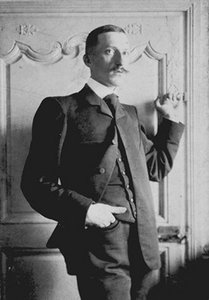
1880–1954, Francja
André Derain
Wczesne lata, rodzina i kształcenie W 1880 roku André Derain przyszedł na świat w Chatou, urokliwej wiosce położonej w departamencie Yvelines we Francji. Jego dzieciństwo i młodość zostały ukształtowane przez spokojne krajobrazy Île-de-France, gdzie w sercu młodego artysty zaczęła kiełkować naturalna ciekawość otaczającego świata. Już w 1895 roku rozpoczął samodzielne studia, pragnąc zrozumieć świat wizualny własnymi oczami, z dala od rygorów formalnego nauczania. Ten okres samodzielnych poszukiwań pozwolił mu wypracować unikalny, osobisty sposób patrzenia na rzeczywistość, zanim surowe zasady akademii mogły narzucić mu swoją wolę.
Inne prace André Derain
 bathers1907
 London Bridge1906
 Charing Cross from sw1906
 Landscape at L'Estaque1906

Eseje o Cliffs
 André Derain: Fauvism's Bold Visionary & the Evolution of Modern ColorExplore the revolutionary art of André Derain, co-founder of Fauvism. Discover his bold use of color, evolution from radical expressionism …
 The Architecture of Awe: Examining the Sublime Power of Cliffs in Romantic Landscape ArtExplore the profound power of cliffs in Romantic art through expert analysis of the sublime. Discover the masters of landscape today.
 Fauvism vs German Expressionism: Distinguishing Color and EmotionMaster the differences between Fauvism and German Expressionism through expert analysis. Learn to decode the emotion behind the color today.