

 Zobacz w skali 1:1
 Wyślij
 Udostępnij
 Szczegóły
 Przewodnik

 Pobierz plik obrazu
 Podobne obiekty
 RTG
RTG Pokaz slajdów
 Statystyki
General interrogating a mobile guard, supporting an injured lieutenant


 Czytaj więcej
Giclée / Wydruk artystyczny
Wydruki giclée lub płótna o jakości muzealnej, szybka realizacja i szeroki wybór opcji wykończenia. ( Kup ręcznie malowany obraz Przełącz na wersję cyfrową)




P118B zł10

P118H zł10

P118W zł10

P438Z zł10

P508JH zł12

P508YH zł12

P805H zł10

P805Z zł10

P919BZ zł10

P919G zł10

P919XJ zł10

P959ZH zł10

P968JZ zł12

W106C zł8

W218G zł10

W218JH zł8

W218Y zł10

W307PJ zł10

W316G zł10

W316PJ zł8

W316Y zł10

W398PJ zł8

W4111J zł10

W500HY zł15

W500JH zł15

W692G zł12

W849H zł8

W940BG zł15

W953PJ zł8




Wybierz spośród naszych standardowych rozmiarów, które zachowują oryginalne proporcje dzieła sztuki.

Wpisz wymaganą szerokość i wysokość, aby dopasować grafikę do ramy lub ściany. Wydruk można jedynie przyciąć, nigdy nie powiększając go poza oryginalny obraz, dlatego format o innym proporcji spowoduje utratę części kompozycji. Przed rozpoczęciem druku prześlemy Ci cyfrowy podgląd do zatwierdzenia. Obraz wyświetlany na tej stronie nie pokazuje rzeczywistego przycięcia — jedynie podgląd oddaje ten efekt.
Dostawa na cały świat () w ciągu 2 tygodni zamiast standardowych 4/5 tygodni. (24 Październik)

Bezpłatna ekspresowa wysyłka na cały świat

Wysokiej jakości płótno lniane

Pełne ubezpieczenie transportowe

Gwarancja zwrotu należności celnych i podatków importowych

Gwarancja idealnego odwzorowania barw

100-dniowy okres na zwrot dzieła w przypadku wykrycia wad produkcyjnych

Gwarancja 100% zwrotu pieniędzy

Oferta przy zakupie wielu sztuk
 Opcja ze szkłem jest dostępna wyłącznie w rozmiarach poniżej 110 cm

General interrogating a mobile guard, supporting an injured lieutenant
Giclée / Wydruk artystyczny
Rozmiar reprodukcji
-


Suma do zapłaty
zł 307
A Frozen Moment of Command: Alphonse de Neuville’s “General Interrogating a Mobile Guard Supporting an Injured Lieutenant”
Alphonse de Neuville's "General Interrogating a Mobile Guard Supporting an Injured Lieutenant," painted in 1879, is more than just a depiction of a military scene; it’s a meticulously crafted tableau of tension, duty, and the lingering weight of conflict. The painting transports us to a bleak, snow-swept landscape – likely inspired by the aftermath of the Franco-Prussian War – where a seasoned general, radiating authority, engages in a serious conversation with a young lieutenant bearing the visible wounds of battle. The scene isn’t one of triumphant victory, but rather a quiet assessment amidst the ruins of war, a moment suspended between interrogation and judgment.
De Neuville's artistic lineage is deeply rooted in the Romantic tradition, particularly influenced by Eugène Delacroix’s dramatic use of color and composition. This influence manifests powerfully here through the carefully orchestrated arrangement of figures against the stark backdrop. The triangular structure, anchored by the central interaction between the general and the lieutenant, draws the viewer’s eye directly to this pivotal exchange. The horses, rendered with a remarkable sense of realism – their coats gleaming faintly beneath the overcast sky – contribute significantly to the painting's dynamic energy, suggesting movement and urgency even within the stillness of the scene.
A Palette of Winter: Color, Light, and Atmosphere
The color palette is deliberately restrained, dominated by a muted range of grays, whites, and browns that perfectly capture the harshness and desolation of the winter landscape. Subtle hints of warmer tones – in the uniforms of the officers and the horse coats – provide a delicate contrast, preventing the scene from becoming entirely bleak. De Neuville masterfully employs atmospheric perspective; distant figures are rendered with increasing softness and detail loss, creating an illusion of depth that anchors the viewer within this frozen world. The diffused lighting, characteristic of overcast days, casts a soft, even illumination across the canvas, eliminating strong shadows and contributing to the painting’s somber mood.
The Language of Line and Texture
De Neuville's technique is firmly rooted in academic painting, evident in his skillful rendering of form and detail. Visible brushstrokes – particularly prominent in the depiction of the snow-covered ground and the textures of clothing – add a tactile quality to the work, inviting the viewer to almost feel the cold wind and rough fabric. Lines are used strategically to define shapes and create a sense of realism, while also subtly conveying the tension within the scene. The musculature of the horses is particularly well-defined, adding to their powerful presence. The artist’s attention to detail extends to the subtle nuances of facial expressions – the general's stern gaze, the lieutenant’s wounded composure – revealing a profound understanding of human psychology.
Symbolism and Emotional Resonance
Beyond its realistic depiction of military life, “General Interrogating a Mobile Guard Supporting an Injured Lieutenant” is rich in symbolic meaning. The injured lieutenant represents sacrifice and loss—a tangible reminder of the brutal cost of war. The general’s questioning posture suggests responsibility, authority, and perhaps even regret. The scene evokes feelings of uncertainty, duty, and the lingering trauma of conflict. It's a poignant meditation on leadership, accountability, and the enduring consequences of violence. The painting doesn’t offer easy answers or heroic narratives; instead, it presents a complex and emotionally resonant portrait of a moment caught between action and reflection.
A Legacy in Oil: Materials and Historical Context
Created using traditional oil paints on canvas, this artwork stands as a testament to de Neuville's mastery of his medium. The choice of oil paint allowed for layering and blending, contributing to the painting’s rich textures and nuanced color palette. Painted during the late 19th century, it reflects the artistic and political climate of France following the Franco-Prussian War – a period marked by nationalistic fervor and a desire to commemorate military achievements. De Neuville's work served as both a historical record and a powerful expression of patriotic sentiment. The painting’s acquisition by the Musée de l’Armée in Paris underscores its significance within French art history.
Pytania i odpowiedzi
Gdzie mogę znaleźć dzieła sztuki podobne do „General interrogating a mobile guard, supporting an injured lieutenant” autorstwa Alphonse de Neuville?
Dzieła podobne do „General interrogating a mobile guard, supporting an injured lieutenant” autorstwa Alphonse de Neuville zostały zgromadzone na stronie Podobne dzieła danego dzieła.
Jakie nasycenie kolorów ma „General interrogating a mobile guard, supporting an injured lieutenant” autorstwa Alphonse de Neuville?
Paleta dzieła "General interrogating a mobile guard, supporting an injured lieutenant" charakteryzuje się Muted nasyceniem kolorów.
Czy „General interrogating a mobile guard, supporting an injured lieutenant” autorstwa Alphonse de Neuville to obraz, rysunek czy grafika?
„General interrogating a mobile guard, supporting an injured lieutenant” autorstwa Alphonse de Neuville jest klasyfikowane jako WallArt. Kategoria ta określa rodzaj dzieła, jakim jest oryginał.
Biografia artysty
A Life Etched in Conflict: The World of Alphonse de Neuville
Alphonse-Marie-Adolphe de Neuville, a name resonant with the drama and patriotic fervor of 19th-century France, was born in Saint-Omer in 1835. His life, though tragically cut short at the age of forty-nine, unfolded against a backdrop of sweeping historical change – a period marked by imperial ambition, devastating wars, and burgeoning national identities. While initially drawn to a naval career, de Neuville’s artistic inclinations proved too strong to ignore, leading him away from the sea and toward the studios of Paris. He first sought guidance within the established academic system, briefly attending the naval school at Lorient before ultimately pursuing formal training under the watchful eye of François-Edouard Picot. However, it was the influence of Eugène Delacroix, a master of Romanticism with a flair for dynamic composition and emotional intensity, that truly shaped de Neuville’s artistic vision. This mentorship instilled in him a passion for dramatic narratives and a keen understanding of how to translate historical events onto canvas with compelling power.Forging a Reputation Through War and Illustration
De Neuville quickly established himself as a painter deeply engaged with the conflicts defining his era. He didn’t merely depict war; he immersed himself in its realities, drawing upon personal experiences – including service during the Franco-Prussian War – to lend authenticity to his work. This commitment to realism, combined with a talent for capturing the human cost of conflict, propelled him to prominence. Early successes included depictions of battles from the Crimean War and scenes illustrating episodes from Garibaldi’s campaigns in Italy. However, it was through his collaboration with Jules Verne that de Neuville gained wider recognition. His illustrations for *Twenty Thousand Leagues Under the Seas* brought a visual dynamism to Verne's fantastical underwater world, captivating readers and solidifying de Neuville’s reputation as a versatile artist capable of both historical accuracy and imaginative storytelling. These illustrations weren’t simply accompaniments to the text; they were integral to shaping the public’s perception of Verne’s groundbreaking novel.Master of Military Narrative: Key Works and Artistic Style
De Neuville's artistic strength lay in his ability to transform historical events into emotionally resonant narratives. His paintings weren’t merely records of battles; they were carefully constructed dramas, filled with compelling characters and a palpable sense of urgency. “The Charge of the Light Brigade” (1860), a poignant depiction of the disastrous Crimean War cavalry charge, exemplifies this approach. The painting doesn't glorify warfare but rather conveys the bravery and futility of the soldiers caught in the crossfire. Similarly, “The Defense of Palma Major” (1875), illustrating a harrowing episode from the Zulu War, showcases de Neuville’s mastery of dramatic composition and his ability to capture the intensity of close-quarters combat. His style is characterized by meticulous detail, realistic portrayals of uniforms and weaponry, and a skillful use of light and shadow to create atmosphere and heighten emotional impact. He wasn't interested in grand allegories or idealized heroism; instead, he focused on the individual experiences of soldiers – their courage, fear, and suffering.Influences and Artistic Development
- Eugène Delacroix: The most significant influence on de Neuville’s style, imparting a sense of drama, emotional intensity, and dynamic composition.
- François-Edouard Picot: Provided early training and foundational skills in academic painting techniques.
- Personal Experiences: His service during the Franco-Prussian War directly informed his realistic depictions of military life and combat.
- Jules Verne’s Literature: Collaboration on *Twenty Thousand Leagues Under the Seas* broadened his artistic range and introduced him to a wider audience.
Legacy and Enduring Appeal
Alphonse de Neuville’s untimely death in 1885 robbed the art world of a significant talent. However, his legacy endures through the numerous paintings that continue to captivate audiences today. His works are held in prestigious collections such as the Hermitage Museum in St. Petersburg and the Metropolitan Museum in New York, testaments to their artistic merit and historical significance. Beyond these institutional holdings, de Neuville’s art enjoys a broad popular appeal, fueled by a renewed interest in 19th-century military history and a desire for authentic depictions of past conflicts. Today, high-quality reproductions – available through platforms like OriginalUniqueArt and OriginalUniqueArt – allow art enthusiasts to bring the drama and historical depth of de Neuville’s masterpieces into their own homes. His paintings serve not only as artistic achievements but also as powerful reminders of the human cost of war and the enduring spirit of those who fought in it.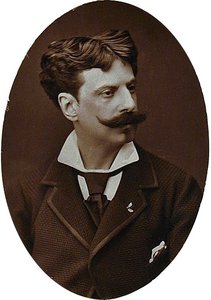
Alphonse de Neuville
1835 - 1885 , Francja
Najważniejsze informacje
- Artistic Movement Or Style: Akademia sztuki
- Artists Who Influenced This Artist:
- Eugène Delacroix
- François-Edouard Picot
- Date Of Birth: 1835
- Full Name: Alphonse-Marie-Adolphe de Neuville
- Nationality: Francuzi
- Notable Artworks:
- Ładunek kawalerii
- Obrona Palma Major
- Place Of Birth: Saint-Omer, Francja
Zobacz także powiązane artykuły
Beyond the Fabric: Decoding Identity, Authority, and Symbolism in the Art of Military Uniforms
Explore the profound symbolism of military uniforms in art history. From Victorian portraits to realistic lithographs, discover how artists capture power, identity, and historical legacy through the intricate details of martial regalia and command.

Francisco Goya: 25 Arcydzieł Genialnego Malarza Hiszpańskiego | OriginalUniqueArt.pl
Odkryj 25 arcydzieł Francisco Goyi – od portretów królewskich po dramatyczne 'Czarne Malowidła'. Poznaj historię, technikę i emocje hiszpańskiego mistrza. Reprodukcje obrazów najwyższej jakości na OriginalUniqueArt.com! Eksploruj kolekcję online.

Willem de Kooning: Abstraction, Gesture & the Evolution of Post-War American Painting
Explore the evolution of Willem de Kooning's iconic Abstract Expressionist paintings. Discover his signature style, key themes & investment potential with expert insights for discerning art collectors.

O nas
Odkryj naszą historię! Wprowadzamy światowej klasy sztukę do Twojego życia dzięki starannie dobranym dziełom, personalizowanym kreacjom i bezpłatnym podglądom. Cenione przez osoby prywatne i firmy od 2000 roku.

William Owen: A Poetic Vision of War & Landscape in British Modernism
Explore the poignant war poetry of Wilfred Owen, a key figure in British Modernism. Discover his innovative style, themes of loss & camaraderie, and lasting impact on 20th-century literature. Analysis & historical context included.