Bastion Francuskiego Męstwa: Dusza Les Invalides
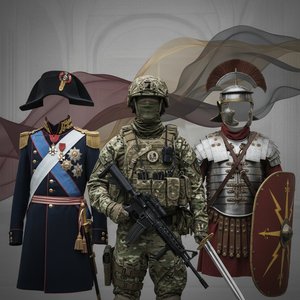
Ukryte w złotym przepychu Les Invalides, monumentu, który oddycha samą esencją paryskiej historii, Musée de l'Armée stanowi znacznie więcej niż tylko zwykłego repozytorium broni. Jest to głęboka, rozległa kronika trwałej relacji Francji z konfliktami, innowacją i tożsamością narodową. Przekroczenie jego progów to wyprawa w czasie, gdzie echa rzymskich pancerzy legionistów spotykają się z lśniącym splendorem napoleońskich mundurów. Muzeum pełni rolę pieczołowicie przygotowanego sanktuarium ewolucji francuskiej sztuki wojennej – miejsca, w którym ciężar stali łączy się z lekkością ducha, zapraszając zwiedzających do kontemplacji złożonej tkaniny ludzkiej walki i triumfu.
Sama architektura jest świadectwem monumentalnej historii, usytuowana w kompleksie, który pierwotnie służył jako dom i szpital dla starców oraz inwalidów wojennych. Obecność muzeum w tym historycznym miejscu pozwala na niezwykle osobiste spotkanie z legendą, jaką był Napoleon Bonaparte . Sale poświęcone jego dziedzictwu są skarbnicą zarówno strategicznego geniuszu, jak i ludzkiej kruchości, gdzie mapy kreślące przebieg wielkich kampanii sąsiadują z osobistymi listami, które odsłaniają niepokoje minionej epoki. Ta eksploracja imperium jest zrównoważona subtelnym uznaniem jego ludzkiej ceny, oferując perspektywę skupioną równie mocno na ciężarze przywództwa, co na chwale zwycięstwa.
Arcydzieła z Metalu i Płótna
Kolekcja ta zapiera dech w piersiach swoją skalą, oferując doświadczenie zmysłowe, które wykracza poza zwykłą dokumentację historyczną. Można poczuć się urzeczonym procesem przejścia między technologią a artyzmem, szczególnie w obrębie średniwannej i renesansowej broni oraz zbroi. Nie są to jedynie narzędzia destrukcji; to wykwintne dzieła sztuki. Lśniące pancerze płytowe, pieczołowicie wykonane w legendarnych warsztatach Mediolanu i Augsburga, stoją ramię w ramię z mieczami tak kunsztownie wykutymi, że odzwierciedlają estetyczną wrażliwość i status społeczny ich właścicieli. Zawiłe detale elementów takich jak zbroja Henryka VIII służą jako potężny symbol królewskiego prestiżu, podczas gdy eleganckie krzywizny weneckich kirysów książęcych demonstrują mistrzostwo formy, które może rywalizować z najdoskonalszą rzeźbą.
Dla konesera drobnych detali muzeum oferuje wizualną ucztę o niespotykanej bogactwie dzięki swoim wspaniałym zbiorom sztuki militarnej. Kolekcja ta obejmuje:
- Malarstwo i Rzeźba: Pełne emocji dzieła przedstawiające dramat bitwy i powagę poświęcenia, w tym monumentalny obraz Napoleon jako Jowisz na tronie autorstwa Jeana Auguste'a Dominique Ingresa, arcydzieło neoklasycznej wielkości.
- Umundurowanie i Odznaczenia: Okno na struktury społeczne i ewoluujące tożsamości żołnierzy na przestrzeni wieków – od wystawnych strojów dworskich epoki napoleońskiej po praktyczny ubiór czas Wielkiej Wojny.
- Inżynieria Wojskowa: Imponujące działa na Dziedzińcu Głównym, które stanowią monumentalne osiągnięcia rzemiosła i niegdyś dominowały na polach bitew Europy.
Dzieła artystów takich jak Jean-Baptiste Édouard Detaille , słynącego z realistycznych scen batalistycznych i niezwykłej dbałości o detale mundurów, nadają galeriom filmowej niemal jakości. Poprzez zrekonstruowane dioramy i sugestywne ekspozycje, muzeum tworzy środowisko, które pozwala zarówno miłośnikom sztuki, jak i historykom, stać się świadkami trwałego dziedzictwa odwagi oraz wiecznego dążenia do pokoju w samym sercu Paryża.