

 Podgląd w skali 1:1
 Wyślij jako kartkę
 Udostępnij
 Szczegóły dzieła
 Przewodnik

 Pobierz obraz
 Podobne obiekty
 RTG
RTG Pokaz slajdów
 Statystyki
The Blue Ship
 Oil
Oil- WallArt
- Primitivism
 1934
1934- Modern
 44.0 x 56.0 cm
 Rozwiń treść
Ręcznie malowana reprodukcja olejowa
Ręcznie malowany obraz olejny na płótnie, wykonany na zamówienie przez naszych artystów w wybranym przez Ciebie wymiarze i oprawie. ( Przełącz na wydania drukowane Przejdź do wersji cyfrowej)




P118B zł10

P118H zł10

P118W zł10

P438Z zł10

P508JH zł12

P508YH zł12

P805H zł10

P805Z zł10

P919BZ zł10

P919G zł10

P919XJ zł10

P959ZH zł10

P968JZ zł12

W106C zł8

W218G zł10

W218JH zł8

W218Y zł10

W307PJ zł10

W316G zł10

W316PJ zł8

W316Y zł10

W398PJ zł8

W4111J zł10

W500HY zł15

W500JH zł15

W692G zł12

W849H zł8

W940BG zł15

W953PJ zł8




Wybierz spośród naszych standardowych rozmiarów, które zachowują oryginalne proporcje dzieła sztuki.

Wpisz wymaganą szerokość i wysokość, aby obraz pasował do Twojej ramy lub ściany. Ponieważ jest to dzieło malowane ręcznie, w przypadku rozmiaru o innych proporcjach artysta może domalować nieco więcej wokół obrazu lub przyciąć jego fragmenty — wybór należy do Ciebie. Przed rozpoczęciem pracy prześlemy Ci cyfrową wizualizację do zatwierdzenia. Obraz widoczny na tej stronie nie przedstawia rzeczywistego efektu — jedynie wizualizacja oddaje realny rezultat.
Po złożeniu zamówienia zespół OriginalUniqueArt.com skontaktuje się z klientem drogą mailową w celu uzyskania instrukcji i prześle wizualizację projektu
Dostawa na całym świecie () w ciągu 3–4 tygodni zamiast standardowych 5 tygodni. (27 Październik). Bez kompromisów w kwestii jakości.

Bezpłatna ekspresowa wysyłka na cały świat

Wysokiej jakości płótno lniane

Pełne ubezpieczenie przesyłki

Gwarancja zwrotu należności celnych i podatków importowych

Gwarancja wiernego odwzorowania kolorów

100-dniowa polityka zwrotów (tylko w przypadku wad)

Gwarancja 100% zwrotu pieniędzy

Zniżka przy zakupie wielu sztuk
 Opcja ze szkłem jest dostępna wyłącznie w rozmiarach poniżej 110 cm

The Blue Ship
Technika reprodukcji
Wymiary reprodukcji
-


Cena całkowita
zł 1152
A Maritime Vision in Azure: The Soul of Alfred Wallis
In the quiet, salt-sprayed corners of Cornwall, where the Atlantic meets the rugged English coastline, there exists a unique visual language born not from academies, but from the rhythmic pulse of the sea itself. The Blue Ship, painted in 1934 by the self-taught master Alfred Wallis, serves as a profound testament to this raw, unmediated connection to the ocean. This piece is far more than a mere depiction of maritime life; it is an evocative window into the mind of a man who spent his life shaping timbers and navigating treacherous waters. The painting captures a singular vessel, dominated by a majestic blue sail that commands the viewer's attention, cutting through the undulating textures of the sea with a sense of purposeful motion.
The composition is masterfully layered to create an illusion of vastness within a modest frame. While the central ship acts as the emotional anchor, Wallis subtly populates the seascape with smaller vessels—one drifting near the upper left, another glimpsed on the right, and a third nestled in the bottom corner. These secondary boats do not merely fill space; they provide a sense of scale and depth, suggesting a bustling maritime world that extends far beyond the edges of the canvas. The interplay between the large, dominant sail and these distant silhouettes creates a rhythmic movement that mimics the ebb and flow of the tides, drawing the eye on a journey across the painted horizon.
The Texture of Memory and Craft
To observe The Blue Ship is to witness the intersection of shipbuilding craftsmanship and primitive modernism. Wallis, having spent decades as a shipbuilder in Devonport, approached his canvas with the same tactile understanding of material that he applied to wood and sail. His technique eschews traditional perspective in favor of a flattened, almost dreamlike space, where color and form take precedence over anatomical accuracy. The heavy application of pigment and the bold, simplified shapes evoke a sense of nostalgia, as if we are viewing a memory filtered through the haze of sea spray and time.
The palette is strikingly focused, centered around the deep, soulful blues that define the ship and its sails. This monochromatic dominance is punctuated by the subtle shifts in the water's surface, creating a hypnotic effect that is both calming and intensely powerful. For collectors and interior designers, this piece offers a sophisticated balance of color and texture. Its ability to anchor a room with its serene yet commanding presence makes it an ideal centerpiece for spaces that seek to evoke tranquility, strength, and a connection to the natural world.
An Eternal Voyage for the Modern Collector
Beyond its aesthetic allure, The Blue Ship carries a profound emotional weight. It embodies the resilience of the human spirit against the vastness of nature—a theme that resonates deeply in contemporary art appreciation. The painting does not strive for photographic realism; instead, it seeks to capture the essence of the voyage. There is a certain loneliness in the blue expanse, yet there is also a sense of profound belonging within the movement of the ships.
For those looking to adorn their homes or galleries with a high-quality reproduction, this work offers an unparalleled opportunity to possess a fragment of maritime history. A hand-painted reproduction of this masterpiece allows the tactile beauty of Wallis's vision to be felt in any setting, bringing the rugged, poetic atmosphere of the Cornish coast into the modern interior. It is an investment in emotion, a tribute to the sea, and a timeless addition to any curated collection of fine art.
Pytania i odpowiedzi
Jakie kolory dominują w „The Blue Ship” – Alfred Wallis?
„The Blue Ship” charakteryzuje się paletą Neutrals, w której dominuje Driftwood (#a97e39).
Jaka technika i styl charakteryzują „The Blue Ship” – Alfred Wallis?
"The Blue Ship" powstało przy użyciu Oil, w stylu Primitivism.
Jak zbudowana jest kompozycja kolorystyczna „The Blue Ship” – Alfred Wallis?
Analiza kolorystyczna dzieła „The Blue Ship” – Alfred Wallis ukazuje Bold kontrast oraz Discordant Palette harmonię.
Biografia artysty
Wizja Kornwalijskiego Żeglarza
Alfred Wallis (1855-1942) jawi się jako postać wyłaniająca się poza ramy tradycyjnego krajobrazu artystycznego swojej epoki – człowiek, którego cicha prostota skrywa głębokie zaangażowanie w obserwację świata oraz niezłomne oddanie chwytaniu esencji wybrzeża Kornwalii. Urodzony w Devonport w Anglii, Wallis nie posiadał żadnego formalnego wykształcenia artystycznego; był samoukiem i rzemieślnikiem, który przez większą część życia pracował jako szkutnik, nadając drewnu kształt jednostek przemierzających wody Atlantyku. To praktyczne, bezpośrednie mistrzostwo zaszczepiło w nim skrupulatną uwagę do detali oraz intymne zrozumienie materiałów, które później przełożyły się na jego niezwykle sugestywne malarstwo. Jego lata formacyjne upłynęły na doskonaleniu umiejętności szkutniczych, rzemiosła przekazywanego z pokolenia na pokolenie w kornwalijskich rodzinach, co zapewniło mu unikalną, niemal fizyczną więź ze światem morskim, który ostatecznie uwiecznił na płótnie.
Dopiero lata 20. XX wieku przyniosły prawdziwy rozkwit kariery artystycznej Wallisa, po jego przeprowadzce do tętniącej życiem enklawy artystycznej St Ives w Kornwalii. Przyciągnięty kreatywną energią tej społeczności – do której należały tak znamienite postaci jak Ben Burrell czy George Nash – zaczął tworzyć niezwykle płodną serię dzieł przedstawiających łodzie, porty i pejzaże skąpane w charakterystycznym, kornwalijskim świetle. Jego estetyka jest niepodważalnie unikalna, cechuje się spłaszczoną perspektywą, wyraźnymi konturami oraz stonowaną paletą barw zdominowaną przez głębokie błękity i morskie zielenie. Twórczość Wallisa ucieleśnia zasady sztuki naiwnej, stylu zakorzenionego w bezpośrednim doświadczeniu zmysłowym, a nie w intelektualnych teoriach akademickich. Unikał on złożonych kompozycji i skomplikowanych pociągnięć pędzla, stawiając na klarowność oraz natychlamistyczny, emocjonalny przekaz.
Dziedzictwo Morskiej Pamięci
Znaczenie wkładu Wallisa w sztukę tkwi w jego zdolności do przekształcania prozaicznych elementów życia żeglarzy w coś głęboko duchowego i nastrojowego. Jego obrazy nie są jedynie przedstawieniami miejsc; są przesiąknięte wyczuwalnym sensem ruchu i pamięci. Poprzez takie dzieła jak Trawler czy Boat, można niemal poczuć ciężar Atlantyku i rytmiczny puls przypływów. Nawet w bardziej burzliwych kompozycjach, takich jak Rough Sea, jego ekspresyjny styl i sugestywna technika malarska chwytają surową potęgę oceanu przez pryzmat tradycji sztuki ludowej. Odrzucając sztywne konwenanse akademickie swoich czasów, Wallis osiągnął poziom szczerości, który rezonuje z widzami poszukującymi więzi z elementarnymi siłami natury.
Jego historyczna ranga została utwierdzona przez rolę pomostu między surową rzeczywistością pracy na morzu a nowoczesnymi ruchami artystycznymi XX wieku. Choć brakowało mu formalnego wykształcenia, jego „prymitywne” podejście stanowiło odświeżającą alternatywę dla wyrafinowanych technik epoki, wpływając na to, jak postrzegamy relację między tematem a medium. Dorobek całego jego życia pozostaje świadectwem potęgi niewytrenowanego oka, dowodząc, że prawdziwa wizja artystyczna często wyłania się z głębokiej, trwającej całe życie bliskości z otaczającym światem. Dziś jego dziedzictwo wciąż inspiruje tych, których przyciąga urok kornwalijskiego życia i ponadczasowe piękno morza.

Alfred Wallis
1855 - 1942 , Wielka Brytania
Krótka nota
- Artistic Movement Or Style: Malarstwo naiwne
- Artists Or Movements Influenced By This Artist: ['Sztuka Kornwalii']
- Artists Who Influenced This Artist: ['']
- Date Of Birth: 8 sierpnia 1855
- Date Of Death: 29 sierpnia 1942
- Full Name: Alfred Wallis
- Nationality: Brytyjska
- Notable Artworks:
- Łódź
- Kuter rybacki
- Trójmasztowy statek przy latarni morskiej
- Place Of Birth: Devonport, Zjednoczone Królestwo
Powiązane artykuły

Sir Alfred James Munnings: 25 Arcydzieł Malarstwa Koni i Angielskiej Wsi | OriginalUniqueArt.com
Odkryj 25 arcydzieł Sir Alfreda Jamesa Munningsa – mistrza malarstwa koni i angielskiego krajobrazu. Poznaj historię, technikę i piękno jego obrazów. Reprodukcje najwyższej jakości na OriginalUniqueArt.com! Eksploruj pełną kolekcję online.
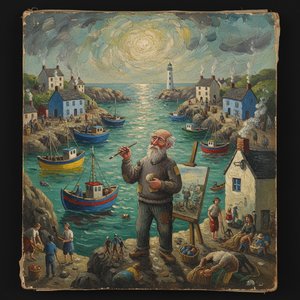
Alfred Wallis: Rediscovering the Naïve Visionary of Cornish Life
Discover the captivating world of Alfred Wallis, the self-taught Cornish painter championed by modernists. Explore his unique naive style, maritime scenes & lasting legacy with OriginalUniqueArt.
Błękit w Sztuce: Symbolika, Historia i Psychologiczne Oddziaływanie Koloru
Odkryj fascynującą historię błękitu w sztuce! Poznaj symbolikę, psychologię i wpływ tego koloru na arcydzieła renesansu i współczesne trendy. Ekspercka analiza dla miłośników sztuki.

Wysyłka i zwroty
APS zapewnia fachową, międzynarodową wysyłkę dzieł sztuki z opieką na poziomie muzealnym, pełnym śledzeniem przesyłek i gwarancją zwrotu pieniędzy w ciągu 100 dni. Od wsparcia celnego po Priority Production, zaufaj przejrzystej obsłudze, bezpiecznemu opakowaniu i niezawodnej dostawie dla kolekcjonerów, projektantów i galerii.

Top 10 Sławnych Obrazów w Odcieniach Szaroniebieskiego – Inspiracje dla Wnętrz | OriginalUniqueArt.com
Odkryj 10 najsłynniejszych obrazów w odcieniach szaroniebieskiego! Poznaj historie Claude Moneta, Degasa i Van Gogha. Inspiracje wnętrzarskie i reprodukcje najwyższej jakości na OriginalUniqueArt.com – sztuka dla Twojego domu.


