Wyślij jako kartkę
 Udostępnij
 Szczegóły dzieła
 Przewodnik

 Pobierz obraz
 Podobne obiekty
 Pokaz slajdów
 Pytania i odpowiedzi
 Statystyki
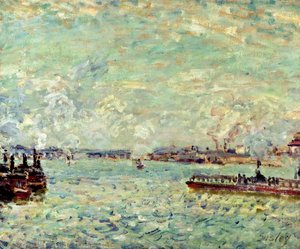
Dziewczyna z Gęsiami

- 28.0 x 38.0 cm


 Rozwiń treść
Giclée / Wydruk artystyczny
Wydruki giclée lub płótna o jakości muzealnej, szybka realizacja i szeroki wybór opcji wykończenia. ( Zamów ręcznie malowaną reprodukcję Przejdź do wersji cyfrowej)




































Wybierz spośród naszych standardowych rozmiarów, które zachowują oryginalne proporcje dzieła sztuki.

Wpisz wymaganą szerokość i wysokość, aby dopasować grafikę do ramy lub ściany. Wydruk można jedynie przyciąć, nigdy nie powiększając go poza oryginalny obraz, dlatego format o innych proporcjach spowoduje utratę części kompozycji. Przed rozpoczęciem druku prześlemy Ci cyfrowy podgląd do zatwierdzenia. Obraz wyświetlany na tej stronie nie pokazuje rzeczywistego przycięcia — jedynie podgląd oddaje ten efekt.
Dostawa na cały świat () w ciągu 2 tygodni zamiast standardowych 4/5 tygodni. (3 Listopad)

Bezpłatna ekspresowa wysyłka na cały świat

Wysokiej jakości płótno lniane

Pełne ubezpieczenie przesyłki

Gwarancja zwrotu należności celnych i podatków importowych

Gwarancja wiernego odwzorowania kolorów

100-dniowa polityka zwrotów (tylko w przypadku wad)

Gwarancja 100% zwrotu pieniędzy

Zniżka przy zakupie wielu sztuk
 Opcja ze szkłem jest dostępna wyłącznie w rozmiarach poniżej 110 cm

Dziewczyna z Gęsiami
Giclée / Wydruk artystyczny
Wymiary reprodukcji
-


Cena całkowita
zł 317
Symfonia Światła i Odblasków: "Dziewczynka z Gęsiami" Sisley'a
Alfred Sisley’s “Dziewczynka z Gęsiami”, namalowana w 1895 roku, to znacznie więcej niż tylko przedstawienie pastoralnej sceny – to zanurzenie w sercu estetyki Postimpresjonizmu. Ten oszałamiający obraz, mierzący 28 x 38 cm i wykonany z delikatnych pasteli na papierze, uchwycił ulotny moment cichej piękności: kobietę i jej gęsi nad spokojną wodą – wszystko to przesiąknięte głębokim poczuciem spokoju i kontemplacji. Mistrzowskie wykorzystanie przez Sisley’a koloru i światła podniosło tę scenę ponad zwykłą reprezentację, przekształcając ją w sugestywną medytację na temat przemijania czasu i wspomnień. Obraz ten emanuje spokojem i melancholią, a jego subtelne barwy i delikatna faktura zapraszają do refleksji nad ulotnością piękna i przemijającym życiem.Esencją Postimpresjonizmu
“Dziewczynka z Gęsiami” jest doskonałym przykładem tego, jak Sisley odrzucił ścisłe przestrzeganie realizmu, które charakteryzowało impresjonistów, a zamiast tego skupił się na subiektywnym odbiorze i emocjonalnej reakcji. Zauważ, że nie starał się dokładnie odwzorować każdego szczegółu; formy są sugerowane poprzez szerokie pociągnięcia pędzla i celowe rozmycie krawędzi. Ta technika, charakterystyczna dla tego ruchu, tworzy mglistą atmosferę, wzmacniając poczucie głębi i zapraszając widza do udziału w nastroju obrazu, zamiast po prostu go obserwować. Luźne pociągnięcia pędzla, połączone z ekspresywnym użyciem koloru – przede wszystkim chłodnych błękitów, zieleni i szarości, przetykanych cieplejszymi żółciami i brązami – generują silne wrażenie ruchu i światła, uchwycając ulotne cechy letniego popołudnia.Symbolizm i Narracja
Narracja obrazu jest subtelnie warstwowana z symboliką. Kobieta z gęsiami wywołuje obrazy wiejskiego życia, tradycji i połączenia z naturą – tematy, które często badał Sisley. Woda sama w sobie reprezentuje płynność, zmianę i upływ czasu. Niektórzy historycy sztuki interpretują scenę jako refleksję na temat utraty i wspomnień, sugerowaną samotną postacią i cichym spokojem. Tytuł "Dziewczynka z Gęsiami" dodaje kolejny warstwę zagadki, sugerując połączenie z folklorystycznymi motywami i być może nawet odniesienie do tradycyjnej roli kobiet w społecznościach wiejskich. Sisley’s ability to imbue such a simple subject with this depth of meaning is a testament to his artistic vision.Technika i Dziedzictwo
Wybór pasteli przez Sisley'a był kluczowy dla osiągnięcia eterycznego charakteru obrazu. Pastel pozwala na niezrównane stopnie mieszania i warstwowania, umożliwiając mu tworzenie subtelnych odcieni kolorów i uzyskanie oszałamiającego poczucia głębi atmosferycznej. Jego technika jest niezwykle delikatna, niemal przezroczysta w niektórych miejscach, tworząc efektujący się efekt świetlny, który uchwyca grę światła na wodzie i roślinności. "Dziewczynka z Gęsiami" stanowi ważną pracę w dorobku Sisley’a i doskonały przykład wpływu Postimpresjonizmu na kolejne pokolenia artystów. Jego trwały urok polega na tym, że zapoznaje widzów z momentem cichej kontemplacji, przypominając nam o pięknie, które można znaleźć w najprostszych scenach. movement: Post-Impressionism topics: Alfred Sisley, Paris, France, 1839, 1899, The Goose Girl, 1895, pastels on paper creative_period: corpus_context: Alfred Sisley, Paris, France, 1839, 1899, The Goose Girl, Light, atmospherePytania i odpowiedzi
Jakie miejsce w historii sztuki zajmuje „Dziewczyna z Gęsiami” – Alfred Sisley?
Dzieło „Dziewczyna z Gęsiami” – Alfred Sisley klasyfikuje się jako Post-Impressionism, pochodzące z okresu – XIX wiek.
Dla kogo „Dziewczyna z Gęsiami” – Alfred Sisley będzie idealnym prezentem?
„Dziewczyna z Gęsiami” to doskonały pomysł na prezent dla Ślub.
Kto stworzył "Dziewczyna z Gęsiami" i w jakim roku?
Autorem dzieła "Dziewczyna z Gęsiami" jest Alfred Sisley, a datowanie pracy pochodzi z 1895 roku.
Biografia artysty
A Life Immersed in Light and Landscape
Alfred Sisley, a name often whispered alongside those of Monet, Renoir, and Pissarro, occupies a unique and profoundly beautiful space within the Impressionist movement. Born in Paris on October 30, 1839, to British parents—William Sisley, a silk merchant, and Felicia Sell, a music enthusiast—he carried a dual heritage that subtly informed his artistic vision. Though he would spend nearly his entire life in France, Sisley retained British citizenship, a fact that brought him personal disappointment later in life when applying for French naturalization was refused. His early years were comfortably bourgeois, affording him the opportunity to pursue studies initially intended for a commercial career in London at the age of eighteen. However, the allure of art proved too strong, and he returned to Paris in 1861, embarking on formal training under Swiss artist Marc-Charles-Gabriel Gleyre at the École des Beaux-Arts. It was here, amidst the burgeoning artistic ferment of the era, that Sisley forged crucial friendships with Monet, Renoir, and Bazille—relationships that would profoundly shape his artistic trajectory. These companions shared a rebellious spirit, rejecting the rigid conventions of academic painting in favor of capturing the fleeting effects of light and atmosphere directly from nature.The Quiet Master of Impressionism
Sisley’s dedication to *plein air* painting—working outdoors, directly observing the natural world—was unwavering. Unlike some of his contemporaries who experimented with diverse genres, Sisley remained steadfastly committed to landscape throughout his career. This focused devotion allowed him to refine a distinctive style characterized by tranquility, delicate color palettes, and a subtle rendering of light. His canvases are often awash in pale shades of green, pink, purple, dusty blue, and cream, creating an atmosphere of serene contemplation. While the early works remain largely lost to time, his mature paintings reveal a meticulous observation of nature combined with a poetic sensibility. He wasn’t interested in grand narratives or dramatic gestures; instead, he found beauty in the everyday—in the gentle flow of rivers, the dappled light filtering through trees, and the quiet charm of rural life. His early struggles for recognition were compounded by his father's financial difficulties following the Franco-Prussian War in 1870, forcing Sisley to rely solely on the sale of his art for sustenance—a precarious existence that shadowed much of his career. He was a true Impressionist, but one who often labored in relative obscurity during his lifetime.Rivers, Canals, and the Essence of Place
Recurring themes permeate Sisley’s oeuvre, most notably his fascination with water. River landscapes became a signature subject, exemplified by his series of paintings created during a trip to England in 1874 along the Thames near Molesey. These works, capturing the tranquil beauty of the river and its surroundings, are considered among his finest achievements—a “perfect moment of Impressionism,” as art historian Kenneth Clark described them. He also developed a deep connection with Moret-sur-Loing, where he lived for many years, immortalizing its canals, bridges, and surrounding countryside in numerous canvases. Paintings like "Watermill near Moret," "Barges on the Loing Canal, Spring", and “Fields around the Forest” showcase his ability to imbue ordinary scenes with a sense of poetic grace. He didn’t merely depict these places; he captured their *essence*, conveying not just what they looked like but how they felt—the gentle breeze, the warmth of the sun, the quiet murmur of the water. This sensitivity to atmosphere and mood is perhaps Sisley's most enduring legacy.Influences and a Lasting Legacy
Sisley’s artistic influences were multifaceted. Gleyre’s academic training provided a foundation in technique, while the camaraderie with Monet, Renoir, and Bazille fostered a shared commitment to Impressionist principles. He absorbed their emphasis on capturing fleeting moments of light and atmosphere but developed his own unique voice—one characterized by restraint and subtlety. Though he often labored in relative obscurity during his lifetime, Sisley’s work is now celebrated for its beauty, sensitivity, and unwavering dedication to portraying nature. His influence can be seen in the works of later landscape painters who sought to capture the ephemeral qualities of light and atmosphere with similar nuance. He was a true master of light, atmosphere, and the quiet poetry of the natural world.- Major Themes: Landscapes, riverscapes, canals, rural life, atmospheric effects.
- Key Characteristics: Delicate color palettes, subtle rendering of light, tranquil mood, *plein air* painting.
- Influences: Marc-Charles-Gabriel Gleyre, Claude Monet, Pierre-Auguste Renoir, Frédéric Bazille, Barbizon school painters.
A Biographical Sketch
Alfred Sisley was born in Paris on October 30, 1839, to affluent British parents. His father, William Sisley, was in the silk business, and his mother, Felicia Sell, was a cultivated music connoisseur. He spent his early years in London, studying for a career in commerce before returning to Paris in 1861 with a fervent desire to pursue art. It was at the École des Beaux-Arts that he encountered Gleyre and formed lasting friendships with Monet, Renoir, and Bazille—artists who shared his passion for capturing the fleeting effects of light and atmosphere. Sisley’s early works, though largely lost, demonstrated an emerging talent for depicting landscapes with a delicate touch and a keen eye for detail. The Franco-Prussian War significantly impacted his life, leading to financial hardship and forcing him to rely on the sale of his paintings for survival. Despite these challenges, he continued to paint tirelessly, developing his signature style—characterized by its tranquil mood, subtle color palettes, and masterful rendering of light. He spent much of his later years in Moret-sur-Loing, where he found inspiration in the surrounding countryside and created some of his most beloved works. Alfred Sisley died on January 29, 1899, in Moret-sur-Loing, leaving behind a legacy as one of the most serene and beautiful Impressionists. His paintings remain cherished for their ability to transport viewers to quiet corners of France—a testament to his lifelong dedication to capturing the essence of light and landscape.
Alfred Sisley
1839 - 1899 , Francja
Krótka nota
- Artistic Movement Or Style: Impresjonizm
- Artists Or Movements Influenced By This Artist: ['Barbizon']
- Artists Who Influenced This Artist:
- Gleyre
- Monet
- Renoir
- Date Of Birth: 1839-10-30
- Date Of Death: 1899-01-29
- Full Name: Alfred Sisley
- Nationality: Brytyjsko-Francuz
- Notable Artworks:
- Kanał Saint-Martin
- Mroźny dzień w Louveciennes
- Regaty w Molesey
- Place Of Birth: Paryż, Francja
Powiązane artykuły
10 Arcydzieł Postimpresjonizmu, Które Zdefiniowały Sztukę. Inspiracje do Dekoracji Domu.
Odkryj 10 arcydzieł postimpresjonizmu Van Gogha, Moneta i Cézanne'a! Poznaj historie artystów, techniki malarskie i inspiracje do dekoracji wnętrz. Reprodukcje obrazów najwyższej jakości na OriginalUniqueArt.com – sztuka dla Twojego domu.

Alfred Sisley: Capturing the Ephemeral Essence of Impressionist Landscape
Explore the life & art of Alfred Sisley, a master of Impressionist landscape painting. Discover his dedication to 'en plein air' techniques and serene depictions of nature. Learn about his legacy & find high-quality reproductions at OriginalUniqueArt.

Sir Alfred James Munnings: 25 Arcydzieł Malarstwa Koni i Angielskiej Wsi | OriginalUniqueArt.com
Odkryj 25 arcydzieł Sir Alfreda Jamesa Munningsa – mistrza malarstwa koni i angielskiego krajobrazu. Poznaj historię, technikę i piękno jego obrazów. Reprodukcje najwyższej jakości na OriginalUniqueArt.com! Eksploruj pełną kolekcję online.
Poza Impresjonizmem: Eksploracja Głębii Emocjonalnej Malarstwa Postimpresjonistycznego
Odkryj fascynujący świat postimpresjonizmu! Analiza dzieł Van Gogha, Cézanne'a i Gauguina. Poznaj techniki malarskie, symbolikę oraz wpływ tego ruchu na sztukę współczesną. Ekspercka wiedza i inspiracje dla miłośników sztuki.

Poza Światłem i Kolorem: Impresjonizm a Postimpresjonizm dla Wymagającego Kolekcjonera
Poznaj subtelne różnice między impresjonizmem a postimpresjonizmem. Ekspercka analiza dla wymagających kolekcjonerów sztuki. Inwestycje, historia i wartość dzieł.