Zobacz w skali 1:1
 Wyślij
 Udostępnij
 Szczegóły
 Przewodnik

 Pobierz plik obrazu
 Podobne obiekty
 RTG
RTG Pokaz slajdów
 Statystyki
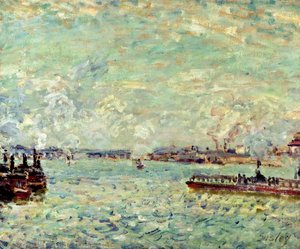
Droga do Louvecjen


 Czytaj więcej
Ręcznie malowana reprodukcja olejowa
Ręcznie malowany obraz olejny na płótnie, wykonany na zamówienie przez naszych artystów w wybranym przez Ciebie wymiarze i oprawie. ( Przełącz na wersję drukowaną Przełącz na wersję cyfrową)




P118B zł10

P118H zł10

P118W zł10

P438Z zł10

P508JH zł12

P508YH zł12

P805H zł10

P805Z zł10

P919BZ zł10

P919G zł10

P919XJ zł10

P959ZH zł10

P968JZ zł12

W106C zł8

W218G zł10

W218JH zł8

W218Y zł10

W307PJ zł10

W316G zł10

W316PJ zł8

W316Y zł10

W398PJ zł8

W4111J zł10

W500HY zł15

W500JH zł15

W692G zł12

W849H zł8

W940BG zł15

W953PJ zł8




Wybierz spośród naszych standardowych rozmiarów, które zachowują oryginalne proporcje dzieła sztuki.

Wpisz wymaganą szerokość i wysokość, aby obraz pasował do Twojej ramy lub ściany. Ponieważ jest to dzieło malowane ręcznie, w przypadku rozmiaru o innym proporcji artysta może domalować nieco więcej wokół obrazu lub przyciąć fragmenty — wybór należy do Ciebie. Przed rozpoczęciem pracy prześlemy Ci cyfrową wizualizację do zatwierdzenia. Obraz widoczny na tej stronie nie przedstawia rzeczywistego efektu — jedynie wizualizacja oddaje realny rezultat.
Po złożeniu zamówienia zespół OriginalUniqueArt.com skontaktuje się z klientem drogą mailową w celu uzyskania instrukcji i prześle wizualizację projektu
Dostawa na całym świecie () w ciągu 3–4 tygodni zamiast standardowych 5 tygodni. (22 Październik). Bez kompromisów w kwestii jakości.

Bezpłatna ekspresowa wysyłka na cały świat

Wysokiej jakości płótno lniane

Pełne ubezpieczenie transportowe

Gwarancja zwrotu należności celnych i podatków importowych

Gwarancja idealnego odwzorowania barw

100-dniowy okres na zwrot dzieła w przypadku wykrycia wad produkcyjnych

Gwarancja 100% zwrotu pieniędzy

Oferta przy zakupie wielu sztuk
 Opcja ze szkłem jest dostępna wyłącznie w rozmiarach poniżej 110 cm

Droga do Louvecjen
Technika wykonania
Rozmiar reprodukcji
-


Suma do zapłaty
zł 1247
Spokojna podróż przez naturę
„Droga do Louveciennes” Alfreda Sisley’a to urzekający impresjonistyczny pejzaż, który zaprasza widzów do spokojnego świata naturalnego piękna. Namalowane w 1875 roku dzieło chwyta istotę francuskiej prowincji dzięki żywym kolorom i delikatnym pociągnięciom pędzla.Mistrzostwo impresjonizmu
Biegłość Sisley’a w posługiwaniu się stylem impresjonistycznym jest w tym płótnie aż nadto widoczna. Widoczne ślady pędzla oraz nacisk na uchwycenie ulotnych efektów światła i barwy tworzą wrażenie ruchu i witalności. Pozioma orientacja obrazu oferuje szeroki, panoramiczny widok, który wciąga widza w głąb sceny, budując poczucie głębi i perspektywy.Żywa paleta barw
W dziele tym dominują ciepłe żółcie i zielenie, przełamane błękitnymi akcentami na niebie. Kolory te sugerują późne lato lub wczesną jesień, przywołując poczucie spokoju i ukojenia. Jasne, ciepłe odcienie tworzą pełną życia i zapraszającą scenerię, czyniąc obraz idealnym uzupełnieniem każdej przestrzeni, która pragnie dotyku natury i jej harmonii.Kontekst historyczny
Namalowana w samym rozkwicie ruchu impresjonistycznego „Droga do Louveciennes” odzwierciedla oddanie Sisley’a malowaniu pejzaży en plein air. Okres ten charakteryzował się odejściem od tradycyjnego malarstwa studyjnego na rzecz utrwalania świata naturalnego w jego prawdziwym świetle i kolorze. Twórczość Sisley’a, wraz z dziełami jego współczesnych, takich jak Monet czy Renoir, pomogła zdefiniować to rewolucyjne podejście do sztuki.Symbolika i emocjonalny przekaz
Kręta ścieżka przedstawiona na obrazie służy jako metafora życiowej podróży, zapraszając odbiorców do refleksji nad własnymi drogami. Naturalna sceneria symbolizuje harmonię i pogodę ducha, wywołując poczucie wewnętrznego spokoju. Ta emocjonalna rezonans sprawia, że dzieło nie jest jedynie wizualną przyjemnością, ale staje się źródłem kontemplacji i inspiracji.Idealne dla miłośników sztuki i kolekcjonerów
Dla pasjonatów sztuki i kolekcjonerów „Droga do Louveciennes” stanowi wgląd w piękno impresjonistycznych krajobrazów. Jego spokojny i pełen energii opis natury czyni go cennym nabytkiem dla każdej kolekcji. Historyczne znaczenie oraz głębia emocjonalna tego malarstwa dodają kolejnych warstw docenienia tym, którzy poszukują dzieł niosących ze sobą głębokie znaczenie.Doskonałe do aranżacji wnętrz
Projektanci wnętrz odnajdą w tym obrazie wszechstronny i elegancki wybór. Ciepła paleta barw oraz kojąca tematyka sprawiają, że doskonale pasuje on do różnorodnych stylów aranżacyjnych – od nowoczesnych po tradycyjne. Bez względu na to, czy zostanie umieszczony w salonie, sypialni czy gabinecie, „Droga do Louveciennes” wnosi do każdej przestrzeni poczucie spokoju i naturalnego piękna.Przenieś piękno impresjonizmu do swojego domu
Dla osób pragnących zaprosić ponadczasowe piękno sztuki impresjonistycznej do swoich domów, wysokiej jakości reprodukcja „Drogi do Louveciennes” będzie doskonałym wyborem. Dzieło to nie tylko wzbogaca estetykę wnętrza, ale służy również jako codzienne przypomnienie o spokoju natury i trwałym dziedzictwie artystycznego geniuszu Alfreda Sisley’a.Doświadcz ukojenia
Zanurz się w kojącym pięknie „Drogi do Louveciennes” i pozwól, aby jej żywe barwy oraz spokojna scena przyniosły do Twojego życia poczucie pokoju i inspiracji. Bez względu na to, czy jesteś entuzjastą sztuki, kolekcjonerem czy projektantem wnętrz, to arcydzieło z pewnością Cię zachwyci i poruszy.Pytania i odpowiedzi
Gdzie mogę znaleźć przewodnik do "Droga do Louvecjen"?
Przewodnik po "Droga do Louvecjen" to strona Przewodnik dzieła sztuki – nadrukowalna karta informacyjna prezentująca utwór wraz z podpisem, informacją o autorstwie oraz tabelą danych (artysta, daty, technika, wymiary oryginału, kolekcja).
Czy dzieło „Droga do Louvecjen” autorstwa Alfred Sisley znajduje się w domenie publicznej i dlaczego?
„Droga do Louvecjen” autorstwa Alfred Sisley znajduje się w stanowi domenę publiczną – autorskie prawa majątkowe wygasły. Okres ochrony praw autorskich liczony jest od śmierci artysty, która nastąpiła w 1899.
Do którego okresu twórczości Alfred Sisley należy dzieło „Droga do Louvecjen”?
W dorobku artystycznym Alfred Sisley, dzieło „Droga do Louvecjen” przypada na Mature Impressionism. Ten etap pozwala na zestawienie go z innymi pracami twórcy.
Biografia artysty
A Life Immersed in Light and Landscape
Alfred Sisley, a name often whispered alongside those of Monet, Renoir, and Pissarro, occupies a unique and profoundly beautiful space within the Impressionist movement. Born in Paris on October 30, 1839, to British parents—William Sisley, a silk merchant, and Felicia Sell, a music enthusiast—he carried a dual heritage that subtly informed his artistic vision. Though he would spend nearly his entire life in France, Sisley retained British citizenship, a fact that brought him personal disappointment later in life when applying for French naturalization was refused. His early years were comfortably bourgeois, affording him the opportunity to pursue studies initially intended for a commercial career in London at the age of eighteen. However, the allure of art proved too strong, and he returned to Paris in 1861, embarking on formal training under Swiss artist Marc-Charles-Gabriel Gleyre at the École des Beaux-Arts. It was here, amidst the burgeoning artistic ferment of the era, that Sisley forged crucial friendships with Monet, Renoir, and Bazille—relationships that would profoundly shape his artistic trajectory. These companions shared a rebellious spirit, rejecting the rigid conventions of academic painting in favor of capturing the fleeting effects of light and atmosphere directly from nature.The Quiet Master of Impressionism
Sisley’s dedication to *plein air* painting—working outdoors, directly observing the natural world—was unwavering. Unlike some of his contemporaries who experimented with diverse genres, Sisley remained steadfastly committed to landscape throughout his career. This focused devotion allowed him to refine a distinctive style characterized by tranquility, delicate color palettes, and a subtle rendering of light. His canvases are often awash in pale shades of green, pink, purple, dusty blue, and cream, creating an atmosphere of serene contemplation. While the early works remain largely lost to time, his mature paintings reveal a meticulous observation of nature combined with a poetic sensibility. He wasn’t interested in grand narratives or dramatic gestures; instead, he found beauty in the everyday—in the gentle flow of rivers, the dappled light filtering through trees, and the quiet charm of rural life. His early struggles for recognition were compounded by his father's financial difficulties following the Franco-Prussian War in 1870, forcing Sisley to rely solely on the sale of his art for sustenance—a precarious existence that shadowed much of his career. He was a true Impressionist, but one who often labored in relative obscurity during his lifetime.Rivers, Canals, and the Essence of Place
Recurring themes permeate Sisley’s oeuvre, most notably his fascination with water. River landscapes became a signature subject, exemplified by his series of paintings created during a trip to England in 1874 along the Thames near Molesey. These works, capturing the tranquil beauty of the river and its surroundings, are considered among his finest achievements—a “perfect moment of Impressionism,” as art historian Kenneth Clark described them. He also developed a deep connection with Moret-sur-Loing, where he lived for many years, immortalizing its canals, bridges, and surrounding countryside in numerous canvases. Paintings like "Watermill near Moret," "Barges on the Loing Canal, Spring", and “Fields around the Forest” showcase his ability to imbue ordinary scenes with a sense of poetic grace. He didn’t merely depict these places; he captured their *essence*, conveying not just what they looked like but how they felt—the gentle breeze, the warmth of the sun, the quiet murmur of the water. This sensitivity to atmosphere and mood is perhaps Sisley's most enduring legacy.Influences and a Lasting Legacy
Sisley’s artistic influences were multifaceted. Gleyre’s academic training provided a foundation in technique, while the camaraderie with Monet, Renoir, and Bazille fostered a shared commitment to Impressionist principles. He absorbed their emphasis on capturing fleeting moments of light and atmosphere but developed his own unique voice—one characterized by restraint and subtlety. Though he often labored in relative obscurity during his lifetime, Sisley’s work is now celebrated for its beauty, sensitivity, and unwavering dedication to portraying nature. His influence can be seen in the works of later landscape painters who sought to capture the ephemeral qualities of light and atmosphere with similar nuance. He was a true master of light, atmosphere, and the quiet poetry of the natural world.- Major Themes: Landscapes, riverscapes, canals, rural life, atmospheric effects.
- Key Characteristics: Delicate color palettes, subtle rendering of light, tranquil mood, *plein air* painting.
- Influences: Marc-Charles-Gabriel Gleyre, Claude Monet, Pierre-Auguste Renoir, Frédéric Bazille, Barbizon school painters.
A Biographical Sketch
Alfred Sisley was born in Paris on October 30, 1839, to affluent British parents. His father, William Sisley, was in the silk business, and his mother, Felicia Sell, was a cultivated music connoisseur. He spent his early years in London, studying for a career in commerce before returning to Paris in 1861 with a fervent desire to pursue art. It was at the École des Beaux-Arts that he encountered Gleyre and formed lasting friendships with Monet, Renoir, and Bazille—artists who shared his passion for capturing the fleeting effects of light and atmosphere. Sisley’s early works, though largely lost, demonstrated an emerging talent for depicting landscapes with a delicate touch and a keen eye for detail. The Franco-Prussian War significantly impacted his life, leading to financial hardship and forcing him to rely on the sale of his paintings for survival. Despite these challenges, he continued to paint tirelessly, developing his signature style—characterized by its tranquil mood, subtle color palettes, and masterful rendering of light. He spent much of his later years in Moret-sur-Loing, where he found inspiration in the surrounding countryside and created some of his most beloved works. Alfred Sisley died on January 29, 1899, in Moret-sur-Loing, leaving behind a legacy as one of the most serene and beautiful Impressionists. His paintings remain cherished for their ability to transport viewers to quiet corners of France—a testament to his lifelong dedication to capturing the essence of light and landscape.
Alfred Sisley
1839 - 1899 , Francja
Najważniejsze informacje
- Artistic Movement Or Style: Impresjonizm
- Artists Or Movements Influenced By This Artist: ['Barbizon']
- Artists Who Influenced This Artist:
- Gleyre
- Monet
- Renoir
- Date Of Birth: 1839-10-30
- Date Of Death: 1899-01-29
- Full Name: Alfred Sisley
- Nationality: Brytyjsko-Francuz
- Notable Artworks:
- Kanał Saint-Martin
- Mroźny dzień w Louveciennes
- Regaty w Molesey
- Place Of Birth: Paryż, Francja
Zobacz także powiązane artykuły

Alfred Sisley: Capturing the Ephemeral Essence of Impressionist Landscape
Explore the life & art of Alfred Sisley, a master of Impressionist landscape painting. Discover his dedication to 'en plein air' techniques and serene depictions of nature. Learn about his legacy & find high-quality reproductions at OriginalUniqueArt.

Impressionistic Realism's Finest: 10 Masterpieces for Your Home | OriginalUniqueArt
Journey through Impressionistic Realism with 10 iconic masterpieces by Monet, Renoir & Van Gogh. Explore art history, techniques & find museum-quality reproductions for your home at OriginalUniqueArt.com. Discover all masterpieces online!

10 Arcydzieł Impresjonizmu Krajobrazowego: Sztuka, Artyści i Dekoracje Wnetrz
Odkryj 10 arcydzieł impresjonizmu krajobrazowego! Poznaj historie Monet, Renoir i innych mistrzów. Inspiracje wnętrzarskie, techniki malarskie i reprodukcje obrazów najwyższej jakości na OriginalUniqueArt.com. Eksploruj pełną kolekcję online!

10 Arcydzieł Impresjonizmu Krajobrazowego, Które Zdefiniowały Sztukę
Odkryj 10 arcydzieł impresjonizmu krajobrazowego! Poznaj historie Moneta, Renoir'a i Van Gogha. Inspiracje wnętrzarskie, techniki malarskie i piękne reprodukcje obrazów na OriginalUniqueArt.com. Eksploruj kolekcję online!

Sir Alfred James Munnings: 25 Arcydzieł Malarstwa Koni i Angielskiej Wsi | OriginalUniqueArt.com
Odkryj 25 arcydzieł Sir Alfreda Jamesa Munningsa – mistrza malarstwa koni i angielskiego krajobrazu. Poznaj historię, technikę i piękno jego obrazów. Reprodukcje najwyższej jakości na OriginalUniqueArt.com! Eksploruj pełną kolekcję online.