 Podgląd w skali 1:1
 Wyślij jako kartkę
 Udostępnij
 Szczegóły dzieła
 Przewodnik

 Pobierz obraz
 Podobne obiekty
 RTG
RTG Pokaz slajdów
 Pytania i odpowiedzi
 Statystyki
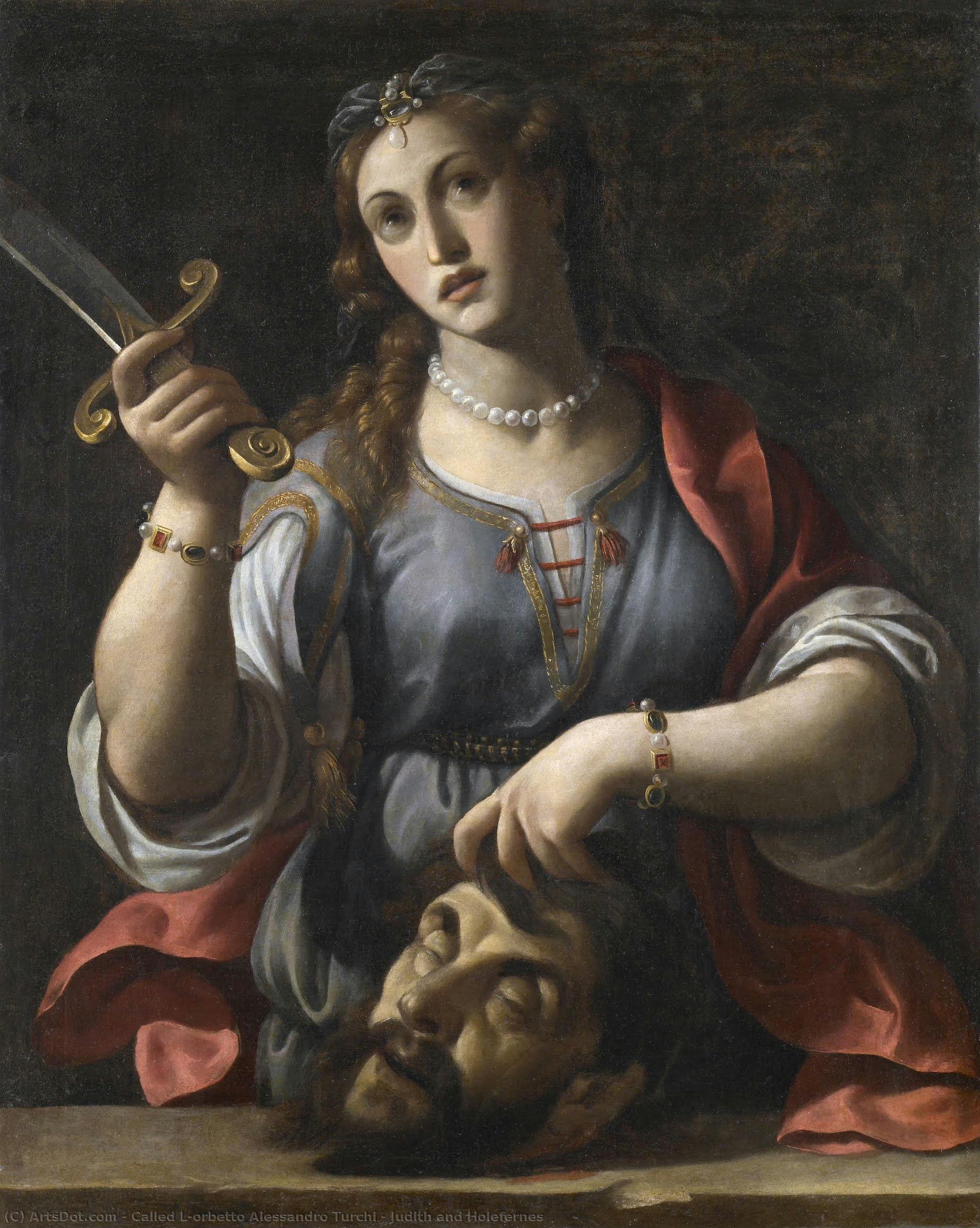
Judith and Holefernes


 Rozwiń treść
Otrzymaj plik gotowy do druku, którego jakość znacznie przewyższa podgląd internetowy. Każdy sprzedawany przez nas obraz cyfrowy pochodzi z wysokorozdzielczego pliku wzorcowego w naszej bazie — zazwyczaj o szerokości od 5 000 do 15 000 pikseli — dzięki czemu możesz drukować w dużym formacie, mocno kadrować lub z pełnym przekonaniem odwzorowywać najdrobniejsze detale.
Żaden plik nie opuszcza naszego studia bez odpowiedniej obróbki. Ekspert ds. cyfrowej edycji sprawdza zgodność kolorów z oryginałem i w razie potrzeby je koryguje, a następnie za pomocą profesjonalnych narzędzi do retuszu poprawia ostrość oraz szczegółowość — zawsze zachowując wierność pociągnięciom pędzla i stylowi artysty. Rezultatem jest obraz, który wygląda jak prawdziwe dzieło, a nie jak przefiltrowany skan.
Zatwierdzasz przed finalizacją zamówienia: nasz ekspert prześle obraz drogą mailową w ciągu 72 godzin do Twojego wglądu. Nie jesteś zadowolony? Poproś o poprawki lub korektę, bądź o zwrot kosztów, jeśli jakość nie spełnia oczekiwań.
To jakość, na której polegają wydawcy, studia projektowe, galerie oraz drukarnie.
Obraz cyfrowy
Pobierz plik o wysokiej rozdzielczości do osobistego użytku, druku oraz projektów kreatywnych. ( Przełącz na wydania drukowane Zamów ręcznie malowaną reprodukcję)
W każdym zamówieniu na obraz cyfrowy znajduje się
Profesjonalna dostawa cyfrowa z gwarancją
Wybierając OriginalUniqueArt.com, nie otrzymujesz jedynie obrazu – otrzymujesz profesjonalnie udoskonalone cyfrowe dzieło sztuki, stworzone z najwyższą precyzją i objęte gwarancją satysfakcji. Oto wszystko, co automatycznie dołączane jest do Twojego zamówienia:

Błyskawiczna wysyłka e-mailowa
Plik z obrazem cyfrowym w wysokiej rozdzielczości zostanie przesłany na Twój adres e-mail w ciągu 72 godzin od złożenia zamówienia – gotowy do natychmiastowego użycia.

Plik cyfrowy wzbogacony przez AI
Twoja grafika została profesjonalnie zoptymalizowana przy użyciu zaawansowanych narzędzi AI oraz ręcznej edycji, co zapewnia maksymalną szczegółowość, klarowność i wierność kolorów.

Darmowe ponowne przesyłki dożywotnio
Przypadkowo usunąłeś lub zgubiłeś swój plik? Bez obaw – prześlemy go Tobie ponownie w dowolnym momencie, bez żadnych opłat.

Bez opłat importowych – zawsze
Ciesz się swoją sztuką natychmiast, bez żadnych opłat celnych, należności ani kosztów dostawy – pliki cyfrowe są zawsze wolne od podatku.

Gwarancja wierności kolorów
Dzięki zastosowaniu profesjonalnych narzędzi i procesów zarządzania barwą zapewniamy, że Twoje cyfrowe zdjęcie odzwierciedla oryginalne kolory tak wiernie, jak to tylko możliwe.

Gwarancja satysfakcji przez 100 dni
Jeśli nie będziesz zadowolony ze swojego cyfrowego obrazu, dokonamy jego poprawki lub zwrócimy 100% kosztów w ciągu 100 dni – bez zbędnych pytań.

100% Gwarancja zwrotu pieniędzy
Nie jesteś zadowolony? Otrzymaj pełny zwrot kosztów w ciągu 100 dni od otrzymania pliku cyfrowego – bez zbędnych pytań.

Rabaty przy zamówieniach hurtowych
Kup 3 obrazy, oszczędź 10% - Kup 5, oszczędź 15% - Kup 10+, oszczędź 20%. Idealne do projektów kreatywnych, galerii i agencji.
A Masterpiece of Baroque Tension
In the shadowy corridors of art history, few moments capture the visceral intersection of violence and virtue as poignantly as Alessandro Turchi’s Judith and Holofernes. Painted around 1605, this monumental oil on canvas serves as a breathtaking window into the Roman Baroque era, a period defined by its theatricality and profound psychological depth. The scene depicts the climactic biblical moment where Judith, a Jewish heroine of unparalleled courage, executes the Assyrian king Holofernes to save her people from oppression. Turchi does not merely record a historical or religious event; he invites the viewer into a space of intense emotional confrontation, where the air feels heavy with the scent of iron and the weight of divine retribution.
The composition is masterfully anchored by Judith herself, whose presence dominates the foreground with an almost chilling composure. Clad in opulent fabrics—a pristine white blouse accented by crimson trim and draped in a flowing blue garment—she stands as a beacon of light against an indistinct, dark background. This use of chiaroscuro, the dramatic interplay between light and shadow, is a hallmark of Turchi’s style, drawing the eye irresistibly toward the central drama. As she holds aloft the severed head of her enemy, her expression remains remarkably steady, blending a sense of solemn duty with an unwavering resolve that transcends simple vengeance.
Technique and the Language of Light
To gaze upon this work is to witness the technical prowess of a Veronese master. Turchi employs a sophisticated layered oil painting technique, building up textures that make the tactile world of the painting feel palpable. One can almost feel the smoothness of the pearls adorning Judith’s neck and the heavy, luxurious folds of her drapery. The artist’s brushstrokes are deliberate and precise, used to render the gruesome reality of Holofernes’s demise with a realism that is both unsettling and beautiful. This balance between the grotesque and the graceful is what elevates the piece from a mere narrative illustration to a high-art triumph.
The lighting in the piece acts as a silent narrator, originating from above to cast dramatic shadows that define the contours of the figures and create a profound sense of volume. This light does more than illuminate; it sanctifies the act of resistance, casting Judith in a heroic glow while leaving the fallen king in the encroaching darkness of death. For collectors and interior designers, such a piece offers more than just visual interest; it provides a focal point of immense character, capable of anchoring a room with its sophisticated palette and commanding presence.
Symbolism and Lasting Emotional Resonance
Beyond the immediate shock of the decapitation, Judith and Holofernes is a rich tapestry of symbolic meaning. The severed head serves as a potent emblem of mortality and the inevitable defeat of tyranny, while Judith herself embodies the triumph of faith and justice over brute force. The jewelry and fine clothing she wears are not merely decorative; they represent the dignity of her cause and the grandeur of the moment, suggesting that even in the midst of carnage, there is a divine order being restored.
For those seeking to surround themselves with art that provokes thought and stirs the soul, Turchi’s vision offers an unparalleled experience. A high-quality reproduction of this work allows the drama of the Baroque to inhabit modern spaces, bringing a sense of history, gravity, and timeless elegance to any collection. It is a piece that demands attention, inviting continuous re-examination of its themes of courage, sacrifice, and the enduring struggle between light and shadow.
Pytania i odpowiedzi
Czy prawa autorskie do „Judith and Holefernes” – Alessandro Turchi pozwalają na tworzenie reprodukcji?
Oryginał dzieła „Judith and Holefernes” znajduje się w Fondazione Brescia Musei, a utwór jest należy do domeny publicznej – autorskie prawa majątkowe wygasły.
Jak nasycone są kolory w „Judith and Holefernes” – Alessandro Turchi?
Intensywność barw w dziele „Judith and Holefernes” wynosi Monochromatic. Intensywność określa, jak nasycone wydają się kolory.
Jaki poziom kontrastu prezentuje „Judith and Holefernes” – Alessandro Turchi?
„Judith and Holefernes” – Alessandro Turchi prezentuje Balanced kontrast między jasnymi a ciemnymi partiami dzieła.
Biografia artysty
A Veronese Master in the Roman Baroque: The Life and Art of Alessandro Turchi
Alessandro Turchi, affectionately known as “L’Orbetto” – the little urchin – was a pivotal figure bridging the late Mannerist traditions of Verona with the burgeoning drama of the early Roman Baroque. Born in 1578 into a Verona touched by artistic fervor, Turchi's journey reflects a fascinating interplay between regional styles and the magnetic pull of Rome’s artistic innovations. His initial training under Felice Riccio (il Brusasorci), a prominent Veronese painter, laid a solid foundation in technique and composition. This apprenticeship instilled within him a meticulous approach to form and a sensitivity to color that would characterize his early works. By 1603, Turchi had established himself as an independent artist, quickly gaining recognition for his emerging talent. A significant early commission – the organ shutters for the Accademia Filarmonica of Verona (1606-1609) – demonstrated not only his technical skill but also his versatility in handling large-scale decorative projects. This period solidified his position within the Veronese art scene, preparing him for a broader artistic horizon.From Verona to Rome: A Blossoming Career
The death of Felice Riccio in 1605 proved a turning point. Turchi, alongside Pasquale Ottino, stepped forward to complete several canvases left unfinished by their master, an act that further honed his skills and cemented his reputation within the artistic community. This collaborative effort wasn’t merely about finishing existing works; it was a crucial period of learning and refinement, allowing Turchi to absorb Riccio's stylistic nuances while simultaneously developing his own unique voice. His ambition soon led him beyond Verona. By 1616, he had ventured to Rome, the epicenter of artistic innovation, where he quickly became immersed in the vibrant atmosphere of papal patronage and artistic competition. His involvement in the fresco decoration of the Sala Reggia at the Quirinal Palace – depicting the Gathering of Manna – marked his arrival on the Roman stage. This commission brought him into contact with leading artists of the day and exposed him to the dramatic intensity that defined the emerging Baroque style. A particularly notable achievement during this period was *Christ, Magdalen, and Angels*, commissioned by Cardinal Scipione Borghese, a powerful patron known for his discerning taste and support of artistic talent.A Synthesis of Styles: Caravaggism and Grace
Turchi’s artistic style is remarkably distinctive – a compelling blend of softness and dramatic intensity. While deeply influenced by the works of Carlo Cagliari and, crucially, his early mentor Felice Riccio, he didn't simply imitate their styles. Instead, he forged a unique path that set him apart from his contemporaries. The influence of Caravaggio is undeniable; Turchi masterfully employed *chiaroscuro* – the dramatic use of light and shadow – to create a sense of theatricality and emotional depth in his paintings. However, unlike some of Caravaggio’s more starkly realistic depictions, Turchi tempered this intensity with a lyrical grace and a refined sensitivity to color. His figures possess a sculptural quality, yet they are imbued with a gentle humanity that softens the dramatic impact. This ability to balance these seemingly opposing forces – drama and delicacy – is what defines his artistic signature. He frequently employed black marble as a background in his historical scenes, creating a striking contrast that further enhanced the emotional power of his compositions. His works often display an exquisite attention to detail, combined with a loose brushstroke technique that gives them a sense of movement and vitality.Major Works and Patronage
Turchi’s career was marked by numerous significant commissions from wealthy patrons throughout Italy. He created altarpieces for churches in Verona and Rome, including the *Assumption* altarpiece for the church of San Luca in Verona (1610) and a *Holy Family* for San Lorenzo in Lucina in Rome. His work for Cardinal Scipione Borghese included *Christ, Magdalen, and Angels* (1616) and *Death of Marcantonio and Cleopatra*, both now housed in the Galleria Borghese. He also produced a series of smaller paintings on black marble depicting historical events, which he frequently presented to his patrons as diplomatic gifts. His involvement with the Virtuosi al Pantheon, a prestigious artistic society based in Rome, further elevated his status within the art world. In 1637, he was elected “Principe” – director – of the Accademia di San Luca, a testament to his leadership and artistic authority.Legacy and Recognition: A Prince of the Roman Art World
Throughout his career, Alessandro Turchi wasn’t only an accomplished painter but also a dedicated mentor. He generously shared his knowledge and expertise with promising young artists, including Giovanni Ceschini and Giovanni Battista Rossi (il Gobbino), both of whom went on to establish successful careers in Verona. His professional standing continued to ascend; in 1637, he was elected “principe” – director – of the Accademia di San Luca, a testament to his leadership and artistic authority within the Roman art world. A year later, in 1638, he joined the prestigious Papal Guild of Artists, known as the Pontifical Academy of Fine Arts and Letters of the Virtuosi al Pantheon, further solidifying his position among Rome’s elite artists. Turchi's contributions to early Baroque painting are now recognized for their skillful blending of dramatic intensity with a gentle aesthetic sensibility. His compelling religious and historical works continue to captivate viewers, offering a glimpse into the artistic ferment of 17th-century Italy. He left behind a legacy not only through his paintings but also through the artists he inspired, ensuring that his unique vision would endure for generations to come. *His work remains a testament to the power of artistic synthesis and the enduring appeal of beauty tempered with drama.*
Alessandro Turchi
1578 - 1649 , Włochy
Krótka nota
- Artistic Movement Or Style: Barok
- Artists Or Movements Influenced By This Artist:
- Giovanni Ceschini
- Giovanni B. Rossi
- Artists Who Influenced This Artist:
- Felice Riccio
- Carlo Cagliari
- Date Of Birth: 1578
- Date Of Death: 1649
- Full Name: Alessandro Turchi
- Nationality: Włoski
- Notable Artworks:
- Madonna z Dzieciątkiem
- Resurrezione di Lazaro
- Giudizio di Paride
- Place Of Birth: Weronia, Italia