

 Podgląd w skali 1:1
 Wyślij jako kartkę
 Udostępnij
 Szczegóły dzieła
 Przewodnik

 Pobierz obraz
 Podobne obiekty
 RTG
RTG Pokaz slajdów
 Q&A
Q&A Statystyki
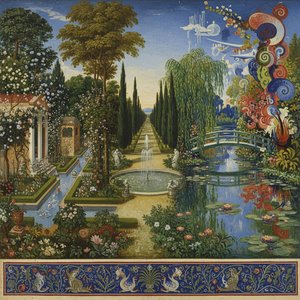
In the Bower
 Acrylic On Canvas
- WallArt
- Contemporary Realism
 148.0 x 137.0 cm
 Muzeum Narodowe w Warszawie
 Rozwiń treść
Giclée / Wydruk artystyczny
Wydruki giclée lub płótna o jakości muzealnej, szybka realizacja i szeroki wybór opcji wykończenia. ( Zamów ręcznie malowaną reprodukcję Przejdź do wersji cyfrowej)




P118B zł10

P118H zł10

P118W zł10

P438Z zł10

P508JH zł12

P508YH zł12

P805H zł10

P805Z zł10

P919BZ zł10

P919G zł10

P919XJ zł10

P959ZH zł10

P968JZ zł12

W106C zł8

W218G zł10

W218JH zł8

W218Y zł10

W307PJ zł10

W316G zł10

W316PJ zł8

W316Y zł10

W398PJ zł8

W4111J zł10

W500HY zł15

W500JH zł15

W692G zł12

W849H zł8

W940BG zł15

W953PJ zł8




Wybierz spośród naszych standardowych rozmiarów, które zachowują oryginalne proporcje dzieła sztuki.

Wpisz wymaganą szerokość i wysokość, aby dopasować grafikę do ramy lub ściany. Wydruk można jedynie przyciąć, nigdy nie powiększając go poza oryginalny obraz, dlatego format o innych proporcjach spowoduje utratę części kompozycji. Przed rozpoczęciem druku prześlemy Ci cyfrowy podgląd do zatwierdzenia. Obraz wyświetlany na tej stronie nie pokazuje rzeczywistego przycięcia — jedynie podgląd oddaje ten efekt.
Dostawa na cały świat () w ciągu 2 tygodni zamiast standardowych 4/5 tygodni. (29 Październik)

Bezpłatna ekspresowa wysyłka na cały świat

Wysokiej jakości płótno lniane

Pełne ubezpieczenie przesyłki

Gwarancja zwrotu należności celnych i podatków importowych

Gwarancja wiernego odwzorowania kolorów

100-dniowa polityka zwrotów (tylko w przypadku wad)

Gwarancja 100% zwrotu pieniędzy

Zniżka przy zakupie wielu sztuk
 Opcja ze szkłem jest dostępna wyłącznie w rozmiarach poniżej 110 cm

In the Bower
Giclée / Wydruk artystyczny
Wymiary reprodukcji
-


Cena całkowita
zł 308
Pytania i odpowiedzi
Z jakich materiałów wykonano "In the Bower" i w jakim stylu?
W "In the Bower" technika Acrylic On Canvas łączy się z nurtem Contemporary Realism.
Czy "In the Bower" to słynne dzieło nurtu Contemporary Realism?
W ramach nurtu Contemporary Realism, dzieło „In the Bower” cechuje się poziomem popularności Recognized.
Z jakiej techniki wykorzystano "In the Bower"?
Aleksander Gierymski wykorzystał/a technikę Acrylic On Canvas w pracy „In the Bower”. Technika ta definiuje materię oryginalnego dzieła.
Biografia artysty
Early Life and Artistic Formation
Aleksander Gierymski, born in Warsaw in 1850, emerged as a pivotal figure in Polish painting during a period of significant social and artistic transformation. Unlike many artists of his era who embraced grand historical narratives, Gierymski dedicated himself to capturing the realities of everyday life, particularly the struggles and dignity of Warsaw’s working class. Initially drawn to the study of law, he soon abandoned legal pursuits to wholeheartedly embrace art, a decision that would define his legacy. His formal training began with brief stints at the Kraków Academy of Fine Arts, followed by private lessons under the tutelage of Jan Matejko, a celebrated Polish historical painter. However, Gierymski’s artistic vision diverged sharply from Matejko's monumental style; he gravitated towards realism, finding inspiration in the works of French masters like Gustave Courbet and Jean-François Millet. These influences instilled in him a commitment to portraying life with unflinching honesty and a focus on the lives of ordinary people. This early period was crucial in shaping his artistic identity, setting the stage for a career dedicated to documenting the social fabric of Poland.The Warsaw Years: Realism and Social Commentary
During the 1870s and early 1880s, Gierymski immersed himself in the vibrant yet often harsh realities of Warsaw’s Powiśle and Old Town districts. He meticulously documented scenes of working-class life – laborers toiling away, street vendors hawking their wares, and impoverished families navigating daily hardships. His paintings from this period are characterized by a remarkable attention to detail and an empathetic portrayal of his subjects. Jewish Woman Selling Lemons (1881) stands as a prime example of his style; the painting isn’t merely a depiction of commerce but a poignant study of human resilience and dignity in the face of adversity. Similarly, Jewess with Oranges (1881), tragically stolen during World War II but later recovered, showcases Gierymski's ability to imbue everyday scenes with profound emotional depth. These works weren’t simply aesthetic exercises; they were social commentaries, offering a glimpse into the lives of those often overlooked by mainstream society. In the Arbour (1882), while seemingly depicting a more leisurely scene, demonstrates his mastery of light and shadow, creating an atmospheric quality that enhances the emotional resonance of the work.Evolving Style and Later Influences
As the 1880s gave way to the 1890s, Gierymski’s artistic style began a subtle yet significant evolution. While remaining fundamentally committed to realism, he started experimenting with new techniques and exploring themes influenced by Impressionism and Symbolism. This period saw him venturing beyond purely social commentary, delving into landscapes and more introspective subjects. However, this creative exploration coincided with increasing personal challenges. Gierymski struggled with financial difficulties and bouts of mental illness, which undoubtedly impacted his artistic output. Despite these hardships, he continued to paint, producing a number of notable works that reflect both his evolving style and his inner turmoil. His later landscapes, for instance, demonstrate a growing interest in capturing the ephemeral qualities of light and atmosphere, moving beyond mere representation towards a more evocative and emotional expression.Legacy and Historical Significance
Aleksander Gierymski is rightfully recognized as one of Poland’s most important realist painters. His paintings offer invaluable insights into working-class life in Warsaw during the late 19th century, providing a unique perspective on Polish social history. He wasn't merely documenting what he saw; he was offering a compassionate and critical examination of society, challenging viewers to confront uncomfortable truths. His commitment to portraying social realities with unflinching honesty, coupled with his skillful use of realism and evolving artistic techniques, has secured his place among Poland’s most celebrated artists.- Gierymski's work profoundly influenced subsequent generations of Polish painters.
- He inspired them to explore themes of social realism and to depict the lives of ordinary people with empathy and authenticity.
- His legacy continues to be celebrated in Poland today, with his paintings prominently displayed in major museums throughout the country.

Aleksander Gierymski
1850 - 1901 , Poland
Krótka nota
- Artistic Movement Or Style: Realism, Impressionism
- Artists Or Movements Influenced By This Artist: ['Polish painters']
- Artists Who Influenced This Artist:
- Courbet
- Millet
- Date Of Birth: 1850
- Date Of Death: 1901
- Full Name: Aleksander Gierymski
- Nationality: Polish
- Notable Artworks:
- Jewish Woman Selling Lemons
- Jewess with Oranges
- In the Arbour
- Place Of Birth: Warsaw, Poland
Powiązane artykuły

Romantic Realism's Finest: 10 Masterpieces for Your Home | OriginalUniqueArt
Explore 10 defining masterpieces of Romantic Realism! Discover Courbet, Millet & Daumier's powerful paintings—capturing emotion and social realities. Find museum-quality reproductions for your home at OriginalUniqueArt.com.

Realizm socjalistyczny: Dziedzictwo ideologii w sztuce i jego wpływ na współczesność
Poznaj historię i estetykę realizmu socjalistycznego – od rosyjskich początków po wpływ na sztukę współczesną. Analiza ideologii, propagandy i kluczowych dzieł. Ekspercka wiedza o sztuce bloku wschodniego.

Impressionizm w Obrazach: 10 Arcydzieł Pełnych Światła i Koloru | OriginalUniqueArt
Odkryj 10 arcydzieł impresjonizmu! Poznaj historie Claude Moneta, Degasa i Van Gogha. Reprodukcje obrazów najwyższej jakości – pejzaże pełne światła i koloru do Twojego wnętrza. OriginalUniqueArt.
Cultivating Paradise: A Historical & Artistic Exploration of Gardens in Painting
Explore the rich history of gardens in painting! Discover masterpieces from Renaissance to Impressionism & beyond. Learn about symbolism, artists like Monet & Klimt, and find your perfect artwork at OriginalUniqueArt.

Stanisław Wyspiański: Symbolism, National Identity & the Polish Secession
Explore the life & work of Stanisław Wyspiański, a pivotal figure in Polish Symbolism and the Young Poland movement. Discover his iconic paintings, dramas, and stained glass designs reflecting national identity & artistic innovation.