Menu

() ·

A painting made for you, by hand

In the Bower

Ręcznie malowana reprodukcja olejowa

Ręcznie malowany obraz olejny na płótnie, wykonany na zamówienie przez naszych artystów w wybranym przez Ciebie wymiarze i oprawie. ( Przełącz na wydania drukowane Przejdź do wersji cyfrowej)

Opis obiektu

Biografia artysty

Aleksander Gierymski, Gierymski, Polish painter, Realism art, Impressionism Poland, Warsaw artist, 19th century painting, Jewish life Warsaw, Landscape paintings, Pozitivism art

from ·

Chapter 1

How large should it be?

Slide to change the size; the picture on the left shows the frame at its real width. The proportions of the original are kept.

Standardowy format
personalizowane
CM
INCH

Wybierz spośród naszych standardowych rozmiarów, które zachowują oryginalne proporcje dzieła sztuki.

szerokość
wysokość

Wpisz wymaganą szerokość i wysokość, aby obraz pasował do Twojej ramy lub ściany. Ponieważ jest to dzieło malowane ręcznie, w przypadku rozmiaru o innych proporcjach artysta może domalować nieco więcej wokół obrazu lub przyciąć jego fragmenty — wybór należy do Ciebie. Przed rozpoczęciem pracy prześlemy Ci cyfrową wizualizację do zatwierdzenia. Obraz widoczny na tej stronie nie przedstawia rzeczywistego efektu — jedynie wizualizacja oddaje realny rezultat.

Chapter 2

How should it arrive?

Choose the edges of the stretched canvas

Choose your frame

Corner sample of the WhiteWrap canvas edge finish, stretched on lite drewno bars
White zł1
Corner sample of the BlurSideWrap canvas edge finish, stretched on lite drewno bars
Blurside zł1
Corner sample of the ExtendedWrap canvas edge finish, stretched on lite drewno bars
Extended zł1
Corner sample of the P118B picture frame: polistyren formowany, 5 cm wide and 3 cm thick
P118B zł10
Corner sample of the P118H picture frame: polistyren formowany, 5 cm wide and 3 cm thick
P118H zł10
Corner sample of the P118W picture frame: polistyren formowany, 5 cm wide and 3 cm thick
P118W zł10
Corner sample of the P438Z picture frame: polistyren formowany, 5.5 cm wide and 3.5 cm thick
P438Z zł10
Corner sample of the P508JH picture frame: polistyren formowany, 7 cm wide and 3.5 cm thick
P508JH zł12
Corner sample of the P508YH picture frame: polistyren formowany, 7 cm wide and 3.5 cm thick
P508YH zł12
Corner sample of the P805H picture frame: polistyren formowany, 5 cm wide and 3.5 cm thick
P805H zł10
Corner sample of the P805Z picture frame: polistyren formowany, 5 cm wide and 3.5 cm thick
P805Z zł10
Corner sample of the P919BZ picture frame: polistyren formowany, 7 cm wide and 3.5 cm thick
P919BZ zł10
Corner sample of the P919G picture frame: polistyren formowany, 7 cm wide and 3.5 cm thick
P919G zł10
Corner sample of the P919XJ picture frame: polistyren formowany, 7 cm wide and 3.5 cm thick
P919XJ zł10
Corner sample of the P959ZH picture frame: polistyren formowany, 5 cm wide and 3 cm thick
P959ZH zł10
Corner sample of the P968JZ picture frame: polistyren formowany, 6 cm wide and 4 cm thick
P968JZ zł12
Corner sample of the W106C picture frame: lite drewno, 5 cm wide and 3 cm thick
W106C zł8
Corner sample of the W218G picture frame: lite drewno, 5 cm wide and 3 cm thick
W218G zł10
Corner sample of the W218JH picture frame: lite drewno, 5 cm wide and 3 cm thick
W218JH zł8
Corner sample of the W218Y picture frame: lite drewno, 5 cm wide and 3 cm thick
W218Y zł10
Corner sample of the W307PJ picture frame: lite drewno, 6 cm wide and 3 cm thick
W307PJ zł10
Corner sample of the W316G picture frame: lite drewno, 6 cm wide and 3 cm thick
W316G zł10
Corner sample of the W316PJ picture frame: lite drewno, 6 cm wide and 3 cm thick
W316PJ zł8
Corner sample of the W316Y picture frame: lite drewno, 6 cm wide and 3 cm thick
W316Y zł10
Corner sample of the W398PJ picture frame: lite drewno, 5 cm wide and 3 cm thick
W398PJ zł8
Corner sample of the W4111J picture frame: lite drewno, 6.5 cm wide and 3.5 cm thick
W4111J zł10
Corner sample of the W500HY picture frame: lite drewno, 7 cm wide and 5 cm thick
W500HY zł15
Corner sample of the W500JH picture frame: lite drewno, 7 cm wide and 5 cm thick
W500JH zł15
Corner sample of the W692G picture frame: lite drewno, 8 cm wide and 4 cm thick
W692G zł12
Corner sample of the W849H picture frame: lite drewno, 5 cm wide and 3 cm thick
W849H zł8
Corner sample of the W940BG picture frame: lite drewno, 7.5 cm wide and 4.5 cm thick
W940BG zł15
Corner sample of the W953PJ picture frame: lite drewno, 6 cm wide and 3.5 cm thick
W953PJ zł8
Corner sample of the H24-GOLD picture frame: rzeźbione drewno pokryte gipsem, 10 cm wide and 6 cm thick
H24-GOLD zł30
Corner sample of the H24-SILVER picture frame: rzeźbione drewno pokryte gipsem, 10 cm wide and 6 cm thick
H24-SILVER zł30
Corner sample of the H36-GOLD picture frame: rzeźbione drewno pokryte gipsem, 15 cm wide and 6.5 cm thick
H36-GOLD zł45
Corner sample of the H36-SILVER picture frame: rzeźbione drewno pokryte gipsem, 15 cm wide and 6.5 cm thick
H36-SILVER zł45

Moulding: . Overall size with the frame: .

Chapter 3

Who paints it, and should anything change?

Examples of what can be changed: Replace face with customer photo; Add pet (e.g., replace cat with dog); Include hidden message in background; Change background landscape or elements.
After order, OriginalUniqueArt.com team will email client for instructions and provide a mockup preview

Dostawa na całym świecie () w ciągu 3–4 tygodni zamiast standardowych 5 tygodni. (29 Październik). Bez kompromisów w kwestii jakości.

Chapter 4

The finishing touches

A nameplate, as in a museum?

Szczegóły grawerowanej brązowej tabliczki

This elegant plaque features the artist's name and the title of the artwork, finely engraved for a timeless presentation.

It is made from bronze with a refined, elegant finish. The text is precisely laser-engraved for a sharp and permanent result. Measuring 9x2 cm, the plaque is compact yet easy to read. It's built to be durable and scratch-resistant, offering a professional, museum-quality look. Mounting is simple thanks to the included adhesive backing.

Szczegóły przezroczystej tabliczki akrylowej

The plaque includes essential engraved details such as the artist's name, the title of the artwork, the date it was created, the type of media used-like oil on canvas or watercolor-a brief description of the piece, and a QR code that links to the complete artwork information.

It is crafted from clear acrylic, offering a sleek, modern appearance. The text is UV-engraved in black to ensure strong visual contrast. With a size of 10x15 cm, it ensures optimal readability. It comes equipped with two metal hooks for secure wall mounting. The plaque is designed to be weather-resistant, making it suitable for various environments, and it includes interactive features that work seamlessly with smartphone scanning.

Szczegóły czarnej tabliczki akrylowej

This elegant plaque includes engraved information such as the artist's name, the title of the artwork, the date it was created, the type of media used (like oil on canvas or watercolor), a short description of the artwork, and a QR code for quick access to more information.

The plaque itself is made from refined black acrylic with a premium finish. The text is laser-engraved in white for high contrast and readability. Its size is 10x15 cm, designed to be easy to read. It comes with two metal hooks for professional mounting. The design is sleek and fits any interior style. It is also weather-resistant and durable, with built-in digital integration for mobile compatibility.

A protective varnish?

When do you need it?

Chapter 5

Your painting, as you ordered it

In the Bower

Technika reprodukcji

Wymiary reprodukcji

-

Wybitny mistrz artystyczny

Większa szczegółowość, finezja i dodatkowy czas na realizację

-

Opcje oprawy reprodukcji

-

-

W przypadku dzieł sztuki lub reprodukcji, których którykolwiek z boków przekracza 105 cm (około 41 cali), rama zostanie wysłana w formie zestawu do samodzielnego montażu. Metoda ta zapewnia bezpieczną dostawę i zapobiega uszkodzeniom podczas transportu.

Wymagany profesjonalny montaż – nie jest to produkt typu DIY.
Zestaw musi zostać złożony, a płótno naciągnięte przez doświadczonego profesjonalnego ramiarza, przy użyciu kleju do drewna (brak w zestawie), kleszczy do naciągania płótna oraz ścisków, które utrzymają krosna w równej pozycji podczas schnięcia kleju. Nieprawidłowy montaż lub nierównomierne napięcie płótna może trwale uszkodzić dzieło sztuki i nie podlega naszej gwarancji.

  • W zestawie znajdują się wszystkie listwy z litego drewna, precyzyjnie docięte do wymiarów.

  • Montaż odbywa się przy użyciu dołączonych wkrętów oraz kleju do drewna do łączenia narożników, którego zestaw nie zawiera i który musi zostać dostarczony przez ramiarza.

  • Wymagane są profesjonalne narzędzia, których nie ma w zestawie: kleszcze do naciągania płótna (napinacz) oraz zaciski, które pozwolą utrzymać listwy w równej pozycji podczas schnięcia kleju.

Ważne:
Do połączenia narożników niezbędny jest klej do drewna, listwy należy unieruchomić za pomocą ścisków do momentu całkowitego wyschnięcia kleju, a naciągnięcie płótna na złożoną ramę wymaga użycia kleszczy do naciągania płótna. Żaden z tych elementów nie jest dołączony do zestawu. Przed zamówieniem tego rozmiaru zalecamy konsultację z doświadczonym ramiarzem.

Etykieta obiektu

-

-

Lakier ochronny

Lakier z połyskiem (pogłębia kolory, chroni przed światłem i wilgocią)

-

Personalizacja dzieła

Przykłady możliwości personalizacji: zastąp twarz zdjęciem klienta; dodaj zwierzę domowe (np. zamień kota na psa); umieść ukrytą wiadomość w tle; zmień krajobraz lub elementy tła.

-

Ekspresowa

Dostawa na cały świat () w ciągu 3–4 tygodni zamiast standardowych 5 tygodni. (29 Październik). Bez kompromisów w kwestii jakości.

-

Przesyłka ekspresowa

Dostawa na cały świat () w ciągu 5 tygodni. (5 Listopad).

W cenie

Cena całkowita

zł 1155

Suma całkowita zł 1155

Opcja ze szkłem jest dostępna wyłącznie w rozmiarach poniżej 110 cm

Included with every order

  • Bezpłatna ekspresowa wysyłka na cały świat
  • Wysokiej jakości płótno lniane
  • Pełne ubezpieczenie przesyłki
  • Gwarancja zwrotu należności celnych i podatków importowych
  • Gwarancja wiernego odwzorowania kolorów
  • 100-dniowa polityka zwrotów (tylko w przypadku wad)
  • Gwarancja 100% zwrotu pieniędzy
  • Zniżka przy zakupie wielu sztuk
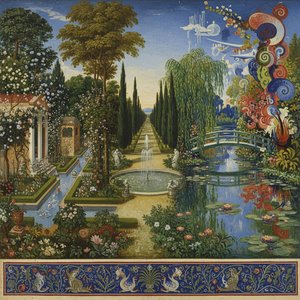
This genre-type costume scene and a group of plein air studies the artist made while working on the painting, are considered to be some of the best works in Aleksander Gierymski’s oeuvre. They were the artist’s first deliberate attempts to harness his technical craft for the sake of transporting onto canvas his impressions gathered through observing nature. Particularly interesting is Study with a Cylinder, shown opposite, in which we can discern a finesse in the use colour, a consistent painterly approach, and an exquisite rendering of the effects of light as it diffuses through the leaf-covered latticework of the bower. Such a refreshing effect and spontaneity in applying the patches of colour is missing however from the final version of the painting, produced in the studio on the basis of the plein air sketches and re-painted many times. This process undoubtedly had much to do with the final look of In the Arbour. It must have been difficult to create a work with a uniform colour and light structure by laboriously reproducing individual parts which had been first painted outdoors independently of each other, and without the whole picture in mind. Despite the challenges, the artists managed to combine the motifs he had observed in nature into a single cohesive vision abounding in vibrant light and colour. The shapes emerge through the use of dense, highly-textured patches of paint, which obscure and drown out any lines of contour. The refracted sunlight enlivens the colours of the silk and brings out the translucent airiness of the lace in the figures’ rococo clothing, while the deep green of the plants and the shimmering water in the fountain create an almost palpable impression of a hot summer day.

Pytania i odpowiedzi

Z jakich materiałów wykonano "In the Bower" i w jakim stylu?

W "In the Bower" technika Acrylic On Canvas łączy się z nurtem Contemporary Realism.

Czy "In the Bower" to słynne dzieło nurtu Contemporary Realism?

W ramach nurtu Contemporary Realism, dzieło „In the Bower” cechuje się poziomem popularności Recognized.

Z jakiej techniki wykorzystano "In the Bower"?

Aleksander Gierymski wykorzystał/a technikę Acrylic On Canvas w pracy „In the Bower”. Technika ta definiuje materię oryginalnego dzieła.

More about this painting

Podgląd w skali 1:1 Podgląd AR Przełącz na wydania drukowane Przejdź do wersji cyfrowej Wyślij jako kartkę
Szczegóły dzieła Przewodnik Dodaj do ulubionych Pobierz obraz Podobne obiekty RTG Pokaz slajdów Q&A Statystyki

In numbers

  • 29frames to choose from
  • standard sizes, in its own proportions
  • 5weeks to paint and deliver it
Aleksander Gierymski

Aleksander Gierymski

1850 - 1901, Poland

Quick facts about Aleksander Gierymski

  • Artistic Movement Or Style: Realism, Impressionism
  • Artists Or Movements Influenced By This Artist: ['Polish painters']
  • Artists Who Influenced This Artist:
    • Courbet
    • Millet
  • Date Of Birth: 1850
  • Date Of Death: 1901
  • Full Name: Aleksander Gierymski
  • Nationality: Polish
  • Notable Artworks:
    • Jewish Woman Selling Lemons
    • Jewess with Oranges
    • In the Arbour
  • Place Of Birth: Warsaw, Poland

Biografia artysty

Early Life and Artistic Formation

Aleksander Gierymski, born in Warsaw in 1850, emerged as a pivotal figure in Polish painting during a period of significant social and artistic transformation. Unlike many artists of his era who embraced grand historical narratives, Gierymski dedicated himself to capturing the realities of everyday life, particularly the struggles and dignity of Warsaw’s working class. Initially drawn to the study of law, he soon abandoned legal pursuits to wholeheartedly embrace art, a decision that would define his legacy. His formal training began with brief stints at the Kraków Academy of Fine Arts, followed by private lessons under the tutelage of Jan Matejko, a celebrated Polish historical painter. However, Gierymski’s artistic vision diverged sharply from Matejko's monumental style; he gravitated towards realism, finding inspiration in the works of French masters like Gustave Courbet and Jean-François Millet. These influences instilled in him a commitment to portraying life with unflinching honesty and a focus on the lives of ordinary people. This early period was crucial in shaping his artistic identity, setting the stage for a career dedicated to documenting the social fabric of Poland.

The Warsaw Years: Realism and Social Commentary

During the 1870s and early 1880s, Gierymski immersed himself in the vibrant yet often harsh realities of Warsaw’s Powiśle and Old Town districts. He meticulously documented scenes of working-class life – laborers toiling away, street vendors hawking their wares, and impoverished families navigating daily hardships. His paintings from this period are characterized by a remarkable attention to detail and an empathetic portrayal of his subjects. Jewish Woman Selling Lemons (1881) stands as a prime example of his style; the painting isn’t merely a depiction of commerce but a poignant study of human resilience and dignity in the face of adversity. Similarly, Jewess with Oranges (1881), tragically stolen during World War II but later recovered, showcases Gierymski's ability to imbue everyday scenes with profound emotional depth. These works weren’t simply aesthetic exercises; they were social commentaries, offering a glimpse into the lives of those often overlooked by mainstream society. In the Arbour (1882), while seemingly depicting a more leisurely scene, demonstrates his mastery of light and shadow, creating an atmospheric quality that enhances the emotional resonance of the work.

Evolving Style and Later Influences

As the 1880s gave way to the 1890s, Gierymski’s artistic style began a subtle yet significant evolution. While remaining fundamentally committed to realism, he started experimenting with new techniques and exploring themes influenced by Impressionism and Symbolism. This period saw him venturing beyond purely social commentary, delving into landscapes and more introspective subjects. However, this creative exploration coincided with increasing personal challenges. Gierymski struggled with financial difficulties and bouts of mental illness, which undoubtedly impacted his artistic output. Despite these hardships, he continued to paint, producing a number of notable works that reflect both his evolving style and his inner turmoil. His later landscapes, for instance, demonstrate a growing interest in capturing the ephemeral qualities of light and atmosphere, moving beyond mere representation towards a more evocative and emotional expression.

Legacy and Historical Significance

Aleksander Gierymski is rightfully recognized as one of Poland’s most important realist painters. His paintings offer invaluable insights into working-class life in Warsaw during the late 19th century, providing a unique perspective on Polish social history. He wasn't merely documenting what he saw; he was offering a compassionate and critical examination of society, challenging viewers to confront uncomfortable truths. His commitment to portraying social realities with unflinching honesty, coupled with his skillful use of realism and evolving artistic techniques, has secured his place among Poland’s most celebrated artists.
  • Gierymski's work profoundly influenced subsequent generations of Polish painters.
  • He inspired them to explore themes of social realism and to depict the lives of ordinary people with empathy and authenticity.
  • His legacy continues to be celebrated in Poland today, with his paintings prominently displayed in major museums throughout the country.
Gierymski’s art serves as a powerful reminder of the importance of social consciousness in artistic expression. He demonstrated that beauty and meaning can be found not only in grand historical events or idealized landscapes but also in the everyday lives of ordinary people, making him a truly significant figure in Polish art history.

Quiz o sztuce

Do każdego pytania dotyczy tylko jedna poprawna odpowiedź.

Pytanie 1:
What artistic movement is Aleksander Gierymski’s ‘In the Bower’ considered to be a precursor of?
Pytanie 2:
The painting depicts a scene from which historical period?
Pytanie 3:
What is the dominant technique employed by Gierymski in ‘In the Bower’?
Pytanie 4:
The painting's atmosphere aims to convey what emotion?
Pytanie 5:
Why was Gierymski’s approach to painting ‘In the Bower’ considered innovative for his time?