Zobacz w skali 1:1
 Wyślij
 Udostępnij
 Szczegóły
 Przewodnik

 Pobierz plik obrazu
 Podobne obiekty
 RTG
RTG Pokaz slajdów
 Statystyki
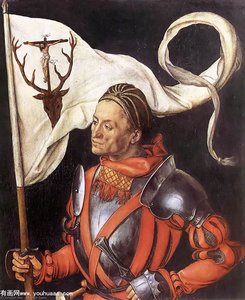
Ołtarz Paumgartner
 Obraz olejny na płycie
- Renesans Północny
 1503
1503 155.0 x 126.0 cm
 Alte Pinakothek
 Czytaj więcej
Giclée / Wydruk artystyczny
Wydruki giclée lub płótna o jakości muzealnej, szybka realizacja i szeroki wybór opcji wykończenia. ( Kup ręcznie malowany obraz Przełącz na wersję cyfrową)




P118B zł10

P118H zł10

P118W zł10

P438Z zł10

P508JH zł12

P508YH zł12

P805H zł10

P805Z zł10

P919BZ zł10

P919G zł10

P919XJ zł10

P959ZH zł10

P968JZ zł12

W106C zł8

W218G zł10

W218JH zł8

W218Y zł10

W307PJ zł10

W316G zł10

W316PJ zł8

W316Y zł10

W398PJ zł8

W4111J zł10

W500HY zł15

W500JH zł15

W692G zł12

W849H zł8

W940BG zł15

W953PJ zł8




Wybierz spośród naszych standardowych rozmiarów, które zachowują oryginalne proporcje dzieła sztuki.

Wpisz wymaganą szerokość i wysokość, aby dopasować grafikę do ramy lub ściany. Wydruk można jedynie przyciąć, nigdy nie powiększając go poza oryginalny obraz, dlatego format o innym proporcji spowoduje utratę części kompozycji. Przed rozpoczęciem druku prześlemy Ci cyfrowy podgląd do zatwierdzenia. Obraz wyświetlany na tej stronie nie pokazuje rzeczywistego przycięcia — jedynie podgląd oddaje ten efekt.
Dostawa na cały świat () w ciągu 2 tygodni zamiast standardowych 4/5 tygodni. (25 Październik)

Bezpłatna ekspresowa wysyłka na cały świat

Wysokiej jakości płótno lniane

Pełne ubezpieczenie transportowe

Gwarancja zwrotu należności celnych i podatków importowych

Gwarancja idealnego odwzorowania barw

100-dniowy okres na zwrot dzieła w przypadku wykrycia wad produkcyjnych

Gwarancja 100% zwrotu pieniędzy

Oferta przy zakupie wielu sztuk
 Opcja ze szkłem jest dostępna wyłącznie w rozmiarach poniżej 110 cm

Ołtarz Paumgartner
Giclée / Wydruk artystyczny
Rozmiar reprodukcji
-


Suma do zapłaty
zł 307
Ołtarz Paumgartner: Renesansowa Wizja Wiary
Ołtarz Paumgartner, stworzony około 1500 roku przez Albrechta Dürera w Norymberdze, stanowi wyjątkowe świadectwo artystycznego żaru i duchowej kontemplacji, charakterystycznych dla niemieckiego renesansu. Zamówiony przez Stefana i Lukasa Paumgartnerów dla kościoła św. Katarzyny, ten monumentalny tryptyk wykracza poza ramy zwykłej dekoracji; ucieleśnia on głęboką eksplorację chrześcijańskiej ikonografii oraz idei humanistycznych – będąc odzwierciedleniem aspiracji jego fundatorów do pobożności i prestiżu.- Tematyka: Centralny panel przedstawia scenę Bożego Narodzenia z niezwykłą dbałością o szczegóły, ukazując Maryję tulącą Jezusa pośród ruin architektonicznych przywodzących na myśl mury Starego Miasta w Jerozolimie. Wokół tego punktu centralnego znajdują się przedstawienia świętego Jerzego pokonującego smoka – symbolu chrześcijańskiej cnoty walczącej ze złem – oraz świętego Eustachego, siedzącego na koniu i dzierżącego włócznię, co reprezentuje odwagę i boską opiekę.
- Styl i technika: Mistrzowskie użycie farb olejnych przez Dürera w połączeniu z precyzyjnym rytownictwem tworzy zdumiewająco żywą paletę barw i bogactwo tekstur. Innowacyjne podejście artysty do przedstawiania ekspresji twarzy – szczególnie widoczne w portretach fundatorów, Stefana i Lukasa Paumgartnerów – stanowi przełomowy moment w renesansowym portrecie, demonstrując pionierskie połączenie umiejętności warsztatowych z humanistyczną obserwacją.
- Kontekst historyczny: Powstały podczas pielgrzymki Stefana Paumgartnera do Jerozolimy, ołtarz odzwierciedla rosnące zainteresowanie nauką biblijną oraz pragnienie wyrażenia wiary poprzez wizualny przepych. Wpisuje się on w szersze trendy sztuki północnego renesansu – charakteryzującego się odrodzeniem ideałów klasycznych obok głębokiej pobożności – i ustanawia się jako emblemat kulturowej tożsamości Norymbergi.
- Symbolika: Architektoniczna ruina symbolizuje upadłą chwałę Jerozolimy, podkreślając triumf boskości nad ziemską ciemnością. Święty Jerzy i Eustachy ucieleśniają cnoty rycerskie – odwagę, pobożność i obronę chrześcijaństwa – służąc jako wzorce do naśladowania zarówno dla ich fundatorów, jak i widzów. Uwzględnienie herbów rodziny Paumgartner podkreśla znaczenie rodowodu oraz dumy obywatelskiej w społeczeństwie renesansowym.
- Oddziaływanie emocjonalne: Kontemplacja Ołtarza Paumgartner inspiruje do refleksji nad tematami wiary, odwagi i łaski Bożej. Mistrzowska kompozycja Dürera przyciąga wzrok ku świetlistej scenie Narodzenia, przekazując poczucie spokoju i duchowej czci – dziedzictwo, które do dziś rezonuje z odbiorcami.
Szczegółowa analiza: Kompozycja i paleta barw
Geniusz kompozycyjny Dürera jest natychmiast widoczny w układzie postaci na każdym z bocznych skrzydeł ołtarza. Centralna scena Bożego Narodzenia wykorzystuje strukturę piramidalną, kierując wzrok widza ku Maryi i Jezusowi – samym fundamentom wiary chrześcijańskiej. Co więcej, Dürer po mistrzowsku stosuje perspektywę powietrzną, aby stworzyć głębię i realizm, potęgując wizualny wpływ ruin Jerozolimy w tle. Paleta barw jest równie uderzająca: nasycone czerwienie dominują na panelu świętego Jerzego, symbolizując pasję i męczeństwo, podczas gdy błękity oddają spokój i boską majestatyczność w przedstawieniu świętego Eustachego. Odcienie te są starannie zrównoważone, aby wywołać głęboką reakcję emocjonalną – co stanowi dowód niezwykłego kunsztu artystycznego Dürera.Dziedzictwo i reprodukcje
Ołtarz Paumgartner pozostaje trwałym arcydziełem sztuki północnego renesansu, wpływając na pokolenia artystów i budząc podziw swoją techniczną innowacyjnością oraz siłą wyrazu. Dziś wysokiej jakości reprodukcje oferują urzekającą możliwość bezpośredniego obcowania z wizją Dürera – pozwalając entuzjastom docenić przepych i subtelność tego ikonicznego dzieła we własnych domach. Odkryj zachwycające wydruki i płótna na OriginalUniqueArt.com – gdzie możesz zaprosić piękno renesansu do swojej przestrzeni!Pytania i odpowiedzi
W stronę jakiej tonacji skłania się "Ołtarz Paumgartner"?
„Ołtarz Paumgartner” skłania się ku Od bursztynu po szafran tonacji.
Do którego okresu twórczości Albrecht Dürer należy dzieło „Ołtarz Paumgartner”?
W dorobku artystycznym Albrecht Dürer, dzieło „Ołtarz Paumgartner” przypada na Okres dojrzały. Ten etap pozwala na zestawienie go z innymi pracami twórcy.
Kto stworzył "Ołtarz Paumgartner" i kiedy?
Autorem dzieła "Ołtarz Paumgartner" jest Albrecht Dürer, a datowanie pracy pochodzi z 1503 roku.
Biografia artysty
A Life Forged in Nuremberg: The Early Years and Apprenticeship
Albrecht Dürer, a name synonymous with the German Renaissance, emerged from the bustling artisan city of Nuremberg in 1471. His father, Albrecht Dürer the Elder, was a successful goldsmith who had immigrated from Hungary, bringing with him a lineage steeped in craftsmanship. It was within this environment—the scent of metal and the meticulous precision of handiwork—that young Albrecht’s artistic inclinations first took root. Though his father envisioned a similar path for him, apprenticing him initially in the family trade, it soon became undeniable that Albrecht possessed an exceptional gift for drawing. At thirteen, he transitioned to the workshop of Michael Wolgemut, Nuremberg's leading artist at the time. This was no mere technical training; it was immersion into a world of illuminated manuscripts, painted panels, and—crucially—the burgeoning art of woodcut illustration. The sheer volume of work produced by Wolgemut’s workshop, including the extensive illustrations for the *Nuremberg Chronicle*, provided Dürer with an unparalleled foundation in design, composition, and the mechanics of image-making. A remarkable silverpoint self-portrait from 1484, created when he was barely a teenager, stands as astonishing evidence of his precocious talent—a testament to a burgeoning artistic identity already taking shape. This early work demonstrated a keen eye for detail, an understanding of perspective, and a nascent ability to capture the likeness of individuals with remarkable accuracy.The Italian Influence and Artistic Maturation
Dürer’s ambition extended far beyond the confines of Nuremberg. Driven by an insatiable curiosity and a desire to master the art of painting, he embarked on his first journey to Italy in 1494. This was not simply a sightseeing trip; it was a pilgrimage to the heart of the Renaissance. He encountered the works of masters like Raphael, Giovanni Bellini, and Leonardo da Vinci—artists who were redefining the possibilities of form, perspective, and human expression. The impact of this exposure was profound. Dürer absorbed the classical motifs, harmonious compositions, and subtle sfumato techniques that characterized Italian art, yet he never abandoned his Northern European sensibility for meticulous detail and symbolic depth. He studied the grandeur of Rome, marveling at ancient ruins and absorbing the legacy of antiquity. This journey ignited a desire to integrate classical ideals into his own artistic practice, leading him to incorporate elements of Greek and Roman mythology and philosophy into his later works. A second sojourn to Italy between 1505 and 1507 further solidified these influences, allowing him to study ancient Roman ruins and refine his understanding of anatomy and proportion. This synthesis of Northern precision and Italian grace became the hallmark of Dürer’s unique artistic style.Mastering the Mediums: Painting, Engraving, and Woodcut
Dürer was a master of multiple mediums, each offering him distinct avenues for creative expression. His paintings, though fewer in number than his prints, demonstrate a remarkable command of oil paint and an ability to capture both physical likeness and psychological depth. Works like the *Feast of the Rose Garlands* (1507) reveal a vibrant palette influenced by Venetian colorism—bold hues and shimmering effects that create a sense of opulence and celebration. However, it was in the realm of printmaking—particularly engraving and woodcut—that Dürer truly revolutionized artistic practice. He elevated these techniques from mere reproductive methods to independent art forms, capable of conveying complex narratives and profound emotions. The *Apocalypse* series (1498), a collection of fourteen woodcuts illustrating the Book of Revelation, showcased his mastery of this medium despite its inherent limitations—the grainy texture of the woodcut demanded careful planning and execution. Later engravings like *Melencolia I* (1514) and *Saint Jerome in His Study* (1514) are testaments to his unparalleled skill—intricate compositions filled with symbolic meaning and executed with breathtaking precision. He didn’t just depict reality; he imbued it with layers of intellectual and spiritual significance, often incorporating complex allegories and moral lessons into his prints.A Theorist and Innovator: The Legacy of Albrecht Dürer
Dürer was not merely an artist; he was a scholar, a theorist, and an innovator who sought to understand the underlying principles governing artistic creation. He believed in the mathematical foundations of art and dedicated himself to establishing a scientific approach to representation. His treatises on geometry, proportion, and human anatomy—most notably *Four Books of Human Proportion* (1528)—were groundbreaking for their time, demonstrating his commitment to rigorous observation and rational analysis. These writings were not simply academic exercises; they were intended to elevate the status of artists from mere craftsmen to intellectual practitioners. Dürer’s work on perspective, in particular, laid the groundwork for future generations of artists and architects. He meticulously documented his experiments with linear perspective, developing a system that allowed him to create realistic depictions of three-dimensional space on a two-dimensional surface. His theoretical writings were accompanied by numerous drawings and engravings that illustrated his concepts—a testament to his belief in the importance of visual demonstration. Dürer’s legacy extends far beyond his individual artworks. He bridged the gap between Northern European traditions and Italian Renaissance ideals, introducing classical motifs into Northern art while maintaining its distinctive character. His theoretical contributions helped establish a new framework for artistic practice, inspiring generations of artists with his technical skill, innovative spirit, and profound vision. He remains, to this day, one of the most important figures in the history of Western art.Influences and Enduring Impact
- Michael Wolgemut: Dürer’s initial mentor, providing foundational skills in drawing, painting, and woodcut techniques.
- Leonardo da Vinci: Inspired Dürer's exploration of anatomy, perspective, and sfumato—the subtle blending of tones.
- Raphael: Influenced Dürer’s compositional harmony and idealized forms.
- Giovanni Bellini: Contributed to Dürer's understanding of color and Venetian painting traditions.
Dürer’s influence reverberates through centuries of art history. His meticulous realism, his innovative use of printmaking, and his theoretical writings continue to inspire artists and scholars alike. He demonstrated that art could be both technically masterful and intellectually rigorous—a legacy that continues to shape the artistic landscape today. His work stands as a testament to the power of observation, the pursuit of knowledge, and the enduring human desire to create beauty and meaning.
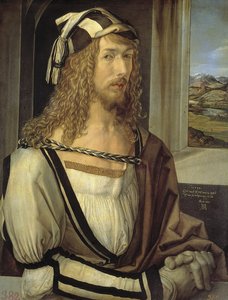
Albrecht Dürer
1471 - 1528 , Niemcy
Najważniejsze informacje
- Artistic Movement Or Style: Renesans północny
- Artists Or Movements Influenced By This Artist:
- Renesans włoski
- Gothic
- Artists Who Influenced This Artist:
- Leonardo da Vinci
- Michał Wolgemut
- Rafael
- Date Of Birth: 21 maja 1471
- Date Of Death: 6 kwietnia 1528
- Full Name: Albrecht Dürer
- Nationality: Niemiec
- Notable Artworks:
- Apokalipsa
- Melencolia I
- Jeremia w jego studiu
- Place Of Birth: Nuremberg, Niemcy
Zobacz także powiązane artykuły
25 Arcydzieł Brytyjskiego Muzeum: Historia Sztuki w Twoim Domu | OriginalUniqueArt
Odkryj 25 arcydzieł Brytyjskiego Muzeum! Poznaj historie słynnych obrazów, rzeźb i artefaktów od antyku po współczesność. Reprodukcje najwyższej jakości na OriginalUniqueArt.com – inspiracje dla Twojego wnętrza. Eksploruj pełną kolekcję online!
Albrecht Dürer: 25 Arcydzieł Mistrza Renesansu – Obrazy i Grafiki do Twojego Domu
Odkryj 25 arcydzieł Albrechta Dürera – mistrza renesansu! Poznaj historie, techniki i symbolikę jego najsłynniejszych obrazów i grafik. Reprodukcje najwyższej jakości do Twojego wnętrza na OriginalUniqueArt.com
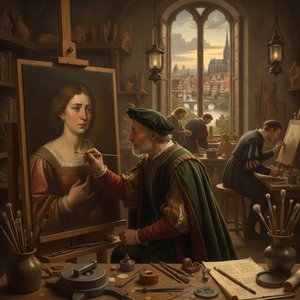
Północne Odrodzenie: Innowacje Artystyczne i Przełom Kulturowy w Renesansowej Niemczech
Poznaj fascynujący świat Renesansu Północnego! Odkryj innowacje artystyczne, wybitnych mistrzów i unikalną symbolikę malarstwa niemieckiego. Ekspercka analiza historii sztuki z OriginalUniqueArt.

Odbitki Giclée: Jakość Archiwalna i Estetyczne Niuanse dla Wymagającego Kolekcjonera
Poznaj sekrety druku giclée – technologii zapewniającej najwyższą jakość reprodukcji sztuki i trwałość archiwalaną. Poradnik dla wymagających kolekcjonerów o wyborze papieru, tuszy i profilach kolorystycznych.

The Enduring Legacy of Fine Art Prints: Technique, History & Aesthetic Impact
Explore the rich history & techniques of fine art prints. Discover investment potential, assess authenticity, and learn how to preserve your collection with expert guidance. Trusted insights for discerning collectors.