Rozmiar tekstu

() ·

Obraz stworzony dla Ciebie, własnoręcznie

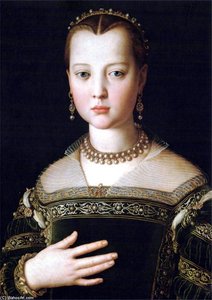
Ugolino Martelli

Ręcznie malowana reprodukcja olejowa

Ręcznie malowany obraz olejny na płótnie, wykonany na zamówienie przez naszych artystów w wybranym przez Ciebie wymiarze i oprawie. ( Przełącz na wydania drukowane Przejdź do wersji cyfrowej)

Opis obiektu

Agnolo Bronzino’s 1535 Mannerist portrait of Ugolino Martelli exudes quiet dignity with its stylized figures and meticulous detail. Explore this iconic Renaissance artwork and discover a timeless masterpiece to own.

Biografia artysty

Agnolo Bronzino – włoski malarz Mannerizmu, słynący z eleganckich portretów i złożonych alegorycznych dzieł sztuki. Jego twórczość wpisała się na karty historii Renesansu Florentyjskiego.

od ·

Rozdział 1

Jak duży powinien być ten format?

Przesuń suwak, aby zmienić rozmiar; obraz po lewej stronie przedstawia ramę w jej rzeczywistej szerokości. Zachowano proporcje oryginału.

Standardowy format
personalizowane
CM
INCH

Wybierz spośród naszych standardowych rozmiarów, które zachowują oryginalne proporcje dzieła sztuki.

szerokość
wysokość

Wpisz wymaganą szerokość i wysokość, aby obraz pasował do Twojej ramy lub ściany. Ponieważ jest to dzieło malowane ręcznie, w przypadku rozmiaru o innych proporcjach artysta może domalować nieco więcej wokół obrazu lub przyciąć jego fragmenty — wybór należy do Ciebie. Przed rozpoczęciem pracy prześlemy Ci cyfrową wizualizację do zatwierdzenia. Obraz widoczny na tej stronie nie przedstawia rzeczywistego efektu — jedynie wizualizacja oddaje realny rezultat.

Rozdział 2

W jaki sposób ma zostać dostarczone?

Wybierz krawędzie płótna naciągniętego na ramę

Wybierz ramę

Corner sample of the WhiteWrap canvas edge finish, stretched on lite drewno bars
Białe krawędzie zł1
Corner sample of the BlurSideWrap canvas edge finish, stretched on lite drewno bars
rozmyte krawędzie zł1
Corner sample of the ExtendedWrap canvas edge finish, stretched on lite drewno bars
Przedłużony zł1
Corner sample of the P118B picture frame: polistyren formowany, 5 cm wide and 3 cm thick
P118B zł10
Corner sample of the P118H picture frame: polistyren formowany, 5 cm wide and 3 cm thick
P118H zł10
Corner sample of the P118W picture frame: polistyren formowany, 5 cm wide and 3 cm thick
P118W zł10
Corner sample of the P438Z picture frame: polistyren formowany, 5.5 cm wide and 3.5 cm thick
P438Z zł10
Corner sample of the P508JH picture frame: polistyren formowany, 7 cm wide and 3.5 cm thick
P508JH zł12
Corner sample of the P508YH picture frame: polistyren formowany, 7 cm wide and 3.5 cm thick
P508YH zł12
Corner sample of the P805H picture frame: polistyren formowany, 5 cm wide and 3.5 cm thick
P805H zł10
Corner sample of the P805Z picture frame: polistyren formowany, 5 cm wide and 3.5 cm thick
P805Z zł10
Corner sample of the P919BZ picture frame: polistyren formowany, 7 cm wide and 3.5 cm thick
P919BZ zł10
Corner sample of the P919G picture frame: polistyren formowany, 7 cm wide and 3.5 cm thick
P919G zł10
Corner sample of the P919XJ picture frame: polistyren formowany, 7 cm wide and 3.5 cm thick
P919XJ zł10
Corner sample of the P959ZH picture frame: polistyren formowany, 5 cm wide and 3 cm thick
P959ZH zł10
Corner sample of the P968JZ picture frame: polistyren formowany, 6 cm wide and 4 cm thick
P968JZ zł12
Corner sample of the W106C picture frame: lite drewno, 5 cm wide and 3 cm thick
W106C zł8
Corner sample of the W218G picture frame: lite drewno, 5 cm wide and 3 cm thick
W218G zł10
Corner sample of the W218JH picture frame: lite drewno, 5 cm wide and 3 cm thick
W218JH zł8
Corner sample of the W218Y picture frame: lite drewno, 5 cm wide and 3 cm thick
W218Y zł10
Corner sample of the W307PJ picture frame: lite drewno, 6 cm wide and 3 cm thick
W307PJ zł10
Corner sample of the W316G picture frame: lite drewno, 6 cm wide and 3 cm thick
W316G zł10
Corner sample of the W316PJ picture frame: lite drewno, 6 cm wide and 3 cm thick
W316PJ zł8
Corner sample of the W316Y picture frame: lite drewno, 6 cm wide and 3 cm thick
W316Y zł10
Corner sample of the W398PJ picture frame: lite drewno, 5 cm wide and 3 cm thick
W398PJ zł8
Corner sample of the W4111J picture frame: lite drewno, 6.5 cm wide and 3.5 cm thick
W4111J zł10
Corner sample of the W500HY picture frame: lite drewno, 7 cm wide and 5 cm thick
W500HY zł15
Corner sample of the W500JH picture frame: lite drewno, 7 cm wide and 5 cm thick
W500JH zł15
Corner sample of the W692G picture frame: lite drewno, 8 cm wide and 4 cm thick
W692G zł12
Corner sample of the W849H picture frame: lite drewno, 5 cm wide and 3 cm thick
W849H zł8
Corner sample of the W940BG picture frame: lite drewno, 7.5 cm wide and 4.5 cm thick
W940BG zł15
Corner sample of the W953PJ picture frame: lite drewno, 6 cm wide and 3.5 cm thick
W953PJ zł8
Corner sample of the H24-GOLD picture frame: rzeźbione drewno pokryte gipsem, 10 cm wide and 6 cm thick
H24-GOLD zł30
Corner sample of the H24-SILVER picture frame: rzeźbione drewno pokryte gipsem, 10 cm wide and 6 cm thick
H24-SILVER zł30
Corner sample of the H36-GOLD picture frame: rzeźbione drewno pokryte gipsem, 15 cm wide and 6.5 cm thick
H36-GOLD zł45
Corner sample of the H36-SILVER picture frame: rzeźbione drewno pokryte gipsem, 15 cm wide and 6.5 cm thick
H36-SILVER zł45

Profil: . Wymiar całkowity w ramie: .

Rozdział 3

Kto go maluje i czy coś powinno ulec zmianie?

Przykłady możliwych zmian: Zastąpienie twarzy zdjęciem klienta; Dodanie zwierzęcia (np. zamiana kota na psa); Ukrycie wiadomości w tle; Zmiana krajobrazu lub elementów tła.
Po złożeniu zamówienia zespół OriginalUniqueArt.com skontaktuje się z klientem drogą mailową w celu uzyskania instrukcji i prześle podgląd projektu

Dostawa na całym świecie () w ciągu 3–4 tygodni zamiast standardowych 5 tygodni. (5 Listopad). Bez kompromisów w kwestii jakości.

Rozdział 4

Ostatnie szlify

Tabliczka informacyjna, jak w muzeum?

Szczegóły grawerowanej brązowej tabliczki

This elegant plaque features the artist's name and the title of the artwork, finely engraved for a timeless presentation.

It is made from bronze with a refined, elegant finish. The text is precisely laser-engraved for a sharp and permanent result. Measuring 9x2 cm, the plaque is compact yet easy to read. It's built to be durable and scratch-resistant, offering a professional, museum-quality look. Mounting is simple thanks to the included adhesive backing.

Szczegóły przezroczystej tabliczki akrylowej

The plaque includes essential engraved details such as the artist's name, the title of the artwork, the date it was created, the type of media used-like oil on canvas or watercolor-a brief description of the piece, and a QR code that links to the complete artwork information.

It is crafted from clear acrylic, offering a sleek, modern appearance. The text is UV-engraved in black to ensure strong visual contrast. With a size of 10x15 cm, it ensures optimal readability. It comes equipped with two metal hooks for secure wall mounting. The plaque is designed to be weather-resistant, making it suitable for various environments, and it includes interactive features that work seamlessly with smartphone scanning.

Szczegóły czarnej tabliczki akrylowej

This elegant plaque includes engraved information such as the artist's name, the title of the artwork, the date it was created, the type of media used (like oil on canvas or watercolor), a short description of the artwork, and a QR code for quick access to more information.

The plaque itself is made from refined black acrylic with a premium finish. The text is laser-engraved in white for high contrast and readability. Its size is 10x15 cm, designed to be easy to read. It comes with two metal hooks for professional mounting. The design is sleek and fits any interior style. It is also weather-resistant and durable, with built-in digital integration for mobile compatibility.

Werniks ochronny?

Kiedy potrzebujesz dostawy?

Rozdział 5

Twoje dzieło, dokładnie tak, jak zamówiłeś

Ugolino Martelli

Technika reprodukcji

Wymiary reprodukcji

-

Wybitny mistrz artystyczny

Większa szczegółowość, finezja i dodatkowy czas na realizację

-

Opcje oprawy reprodukcji

-

-

W przypadku dzieł sztuki lub reprodukcji, których którykolwiek z boków przekracza 105 cm (około 41 cali), rama zostanie wysłana w formie zestawu do samodzielnego montażu. Metoda ta zapewnia bezpieczną dostawę i zapobiega uszkodzeniom podczas transportu.

Wymagany profesjonalny montaż – nie jest to produkt typu DIY.
Zestaw musi zostać złożony, a płótno naciągnięte przez doświadczonego profesjonalnego ramiarza, przy użyciu kleju do drewna (brak w zestawie), kleszczy do naciągania płótna oraz ścisków, które utrzymają krosna w równej pozycji podczas schnięcia kleju. Nieprawidłowy montaż lub nierównomierne napięcie płótna może trwale uszkodzić dzieło sztuki i nie podlega naszej gwarancji.

  • W zestawie znajdują się wszystkie listwy z litego drewna, precyzyjnie docięte do wymiarów.

  • Montaż odbywa się przy użyciu dołączonych wkrętów oraz kleju do drewna do łączenia narożników, którego zestaw nie zawiera i który musi zostać dostarczony przez ramiarza.

  • Wymagane są profesjonalne narzędzia, których nie ma w zestawie: kleszcze do naciągania płótna (napinacz) oraz zaciski, które pozwolą utrzymać listwy w równej pozycji podczas schnięcia kleju.

Ważne:
Do połączenia narożników niezbędny jest klej do drewna, listwy należy unieruchomić za pomocą ścisków do momentu całkowitego wyschnięcia kleju, a naciągnięcie płótna na złożoną ramę wymaga użycia kleszczy do naciągania płótna. Żaden z tych elementów nie jest dołączony do zestawu. Przed zamówieniem tego rozmiaru zalecamy konsultację z doświadczonym ramiarzem.

Etykieta obiektu

-

-

Lakier ochronny

Lakier z połyskiem (pogłębia kolory, chroni przed światłem i wilgocią)

-

Personalizacja dzieła

Przykłady możliwości personalizacji: zastąp twarz zdjęciem klienta; dodaj zwierzę domowe (np. zamień kota na psa); umieść ukrytą wiadomość w tle; zmień krajobraz lub elementy tła.

-

Ekspresowa

Dostawa na cały świat () w ciągu 3–4 tygodni zamiast standardowych 5 tygodni. (5 Listopad). Bez kompromisów w kwestii jakości.

-

Przesyłka ekspresowa

Dostawa na cały świat () w ciągu 5 tygodni. (12 Listopad).

W cenie

Cena całkowita

zł 1174

Suma całkowita zł 1174

Opcja ze szkłem jest dostępna wyłącznie w rozmiarach poniżej 110 cm

W każdym zamówieniu

  • Bezpłatna ekspresowa wysyłka na cały świat
  • Wysokiej jakości płótno lniane
  • Pełne ubezpieczenie przesyłki
  • Gwarancja zwrotu należności celnych i podatków importowych
  • Gwarancja wiernego odwzorowania kolorów
  • 100-dniowa polityka zwrotów (tylko w przypadku wad)
  • Gwarancja 100% zwrotu pieniędzy
  • Zniżka przy zakupie wielu sztuk

A Portrait of Quiet Dignity: Agnolo Bronzino’s Ugolino Martelli

The painting “Portrait of Ugolino Martelli,” executed by Agnolo Bronzino in 1535, stands as a testament to the Mannerist aesthetic—a deliberate rejection of High Renaissance ideals favoring restraint, psychological complexity, and meticulous observation. More than just a likeness of Ugolino Martelli, Marchese di Montalto, this artwork embodies a profound exploration of human character within a carefully constructed visual framework. It’s a piece that whispers rather than shouts, inviting contemplation on themes of intellectuality, status, and the subtle interplay between appearance and inner life—qualities particularly valued during Bronzino's time.
  • Subject Matter: The portrait depicts Ugolino Martelli, a prominent noble figure of Florence, seated calmly beside a statue. This deliberate positioning isn’t merely decorative; it underscores Martelli’s elevated social standing and subtly suggests an association with classical ideals of virtue and contemplation.
  • Style & Technique: Bronzino's signature Mannerist style distinguishes itself from its predecessor through flattened perspectives, stylized drapery, and a disconcerting lack of illusionistic depth. Unlike the luminous realism championed by Leonardo da Vinci or Michelangelo, Bronzino prioritizes precise modeling and subtle shading to convey an impression of stillness and polished elegance. The artist’s masterful use of oil paint allows for incredible detail—notice the intricate folds of Martelli's robe and the meticulous rendering of the statue’s surface.

Historical Context: Florence Under Medici Rule

Florence in 1535 was at the zenith of Medici patronage, a period marked by political stability and artistic flourishing. Cosimo I de' Medici’s reign fostered an environment where artists like Bronzino thrived—commissioned to decorate palaces and commemorate noble families, they catered to the tastes of a discerning elite who appreciated sophistication and intellectual refinement. The portrait reflects this cultural climate, aligning with the Mannerist preoccupation with portraying individuals as embodiments of moral virtue and aristocratic dignity. It’s a visual record of Florence's power and prestige during its golden age.
  • Symbolism: The statue flanking Martelli is laden with symbolic significance—likely representing Apollo or Minerva, deities associated with intellect and artistic inspiration. This deliberate inclusion reinforces the notion that Martelli possesses cultivated mind and embodies noble ideals.
  • Emotional Impact: Despite its apparent calmness, “Portrait of Ugolino Martelli” evokes a sense of contemplative seriousness. Bronzino’s gaze is averted from the viewer, creating an intimacy that invites us to consider Martelli's inner thoughts—a characteristic Mannerist technique designed to heighten psychological realism and convey profound emotion through subtle visual cues.

Legacy & Reproduction Considerations

Bronzino’s influence extended far beyond his own lifetime, shaping the artistic sensibilities of subsequent generations. His meticulous attention to detail and masterful command of technique continue to inspire artists today. OriginalUniqueArt offers exceptionally detailed reproductions of “Portrait of Ugolino Martelli,” utilizing archival pigments and printing processes to faithfully capture the nuances of Bronzino’s original artwork. These reproductions provide a stunning opportunity to experience the beauty and intellectual depth of this iconic Mannerist masterpiece in your own home or studio—a timeless testament to Florentine artistry and humanist ideals.

Pytania i odpowiedzi

Jaki nastrój oddaje dzieło "Ugolino Martelli" należące do nurtu Mannerist Style?

"Ugolino Martelli" emanuje Reflective emocjonalnym ładunkiem, wpisując się w nurt Mannerist Style.

Do czego sugerowane jest wykorzystanie „Ugolino Martelli” – Agnolo Bronzino?

Sugerowanym zastosowaniem dla „Ugolino Martelli” – Agnolo Bronzino jest Statement, choć może on służyć również do innych celów.

Czy "Ugolino Martelli" charakteryzuje się silnym kontrastem światłocienia?

Kontrast jasności w dziele "Ugolino Martelli" wynosi Gentle. Kontrast określa stopień zróżnicowania między obszarami jasnymi a ciemnymi.

Więcej o tym obrazie

Podgląd w skali 1:1 Podgląd AR Przełącz na wydania drukowane Przejdź do wersji cyfrowej Wyślij jako kartkę
Szczegóły dzieła Przewodnik Dodaj do ulubionych Pobierz obraz Podobne obiekty RTG Pokaz slajdów Pytania i odpowiedzi Statystyki

W liczbach

  • 1535rok powstania dzieła
  • 29dostępne ramy do wyboru
  • standardowe formaty, w ich własnych proporcjach
  • 5tygodni na namalowanie i dostarczenie dzieła
Agnolo Bronzino

Agnolo Bronzino

1503 - 1572, Włochy

Krótkie informacje o Agnolo Bronzino

  • Artistic Movement Or Style: Mannerizm
  • Artists Who Influenced This Artist:
    • Jacopo da Pontormo
    • Michelangelo
    • Leonardo da Vinci
  • Date Of Birth: 17 listopada 1503
  • Date Of Death: 23 listopada 1572
  • Full Name: Agnolo di Cosimo
  • Nationality: Włoski
  • Notable Artworks:
    • Wenus, Kuzdej i Czas
    • Portret Guidobaldo della Rovere
  • Place Of Birth: Florencja, Italia

Biografia artysty

Agnolo Bronzino – Florentine Mannerist Master & Court Painter to the Medici

Agnolo di Cosimo, known to history as Bronzino, emerged from the vibrant artistic landscape of Renaissance Florence in 1503, a period already brimming with genius. Born the son of a butcher, his path diverged sharply from familial trade, guided instead by an innate talent that would see him become one of the most sought-after portraitists of his era and a defining figure of Mannerism. His early training began with Raffaellino del Garbo, but it was under the tutelage of Jacopo da Pontormo that Bronzino’s artistic sensibilities truly took shape. While absorbing Pontormo's innovative style—characterized by expressive emotion and dynamic composition—he ultimately forged his own distinct voice—one characterized by a cool composure and refined detail markedly different from his teacher’s often emotionally charged works. This early period was also influenced by studies with Andrea del Sarto, exposing him to the legacies of Michelangelo and Leonardo da Vinci, foundational influences that would subtly permeate his mature style. The young Bronzino quickly demonstrated an aptitude for capturing not just physical likeness but a certain psychological depth, even in his earliest commissions.

Early Influences & Artistic Formation

Bronzino’s formative years were marked by exposure to the artistic currents of Florence under Pontormo and Sarto. Pontormo's dramatic use of color and distorted perspective—particularly evident in *Joseph with Jacob in Egypt*—challenged conventional aesthetic norms, pushing boundaries of representation and fostering a spirit of experimentation. Bronzino absorbed these lessons diligently, adapting Pontormo’s expressive style to create his own brilliant, precisely linear style—a stylistic hallmark that would distinguish him from his teacher's emotionally turbulent canvases. Simultaneously, Sarto instilled in him an understanding of classical ideals and anatomical accuracy, grounding his artistic vision in the humanist tradition. These influences combined to shape Bronzino’s aesthetic sensibilities, preparing him for a career dedicated to mastering both technique and psychological insight. His early portraits already hinted at the refined elegance that would become synonymous with his name—a deliberate restraint that served as counterpoint to the fervor of other Florentine artists of the time.

Ascension at the Medici Court

Bronzino’s fortunes dramatically shifted when he secured patronage from Cosimo I de’ Medici, Duke of Tuscany. This relationship solidified after Bronzino contributed to the lavish decorations celebrating Cosimo’s wedding to Eleonora di Toledo in 1539—a project that showcased his artistic prowess and cemented his position as the official court painter for much of his life. It was a role he fulfilled with unwavering dedication and remarkable skill, crafting images of royalty that projected power, prestige, and dynastic ambition. Cosimo and Eleonora themselves became frequent subjects, immortalized in paintings that exude an aristocratic aloofness and polished elegance—works designed not merely to depict physical resemblance but to embody enduring symbols of Medici authority. The meticulous detail and refined technique evident in these portraits established Bronzino as the preeminent artist of Florence’s court, shaping the visual language of power for generations to come. He skillfully navigated the complexities of royal commissions, producing masterpieces that reflected both artistic innovation and political considerations.

The Mannerist Style & Artistic Innovation

Bronzino's distinctive style—characterized by elongated figures, stylized poses, and a cool detachment—represented a decisive break from the High Renaissance’s emphasis on naturalism and harmonious balance. He embraced Mannerism as a deliberate aesthetic choice, rejecting the conventions of his predecessors in favor of a more cerebral and intellectually stimulating approach. His figures are rarely caught in moments of spontaneous action; instead, they appear carefully posed, almost sculptural in their stillness—a stylistic hallmark that distinguishes him from artists like Pontormo who prioritized emotional expression. This meticulous attention to detail—the textures of fabrics, the gleam of jewels, the subtle nuances of emotion—was rendered with an almost enamel-like precision—a technique perfected by Bronzino and admired throughout Europe. His masterful use of color—often muted and subtly blended—further enhanced his artistic vision, creating images that conveyed a sense of serene contemplation rather than turbulent passion.
  • Notable Works: *Venus, Cupid, Folly & Time*, Portraits of Cosimo I de’ Medici and Eleonora di Toledo

Legacy & Enduring Influence

Bronzino's legacy extends far beyond his prolific output as a painter—he was a pivotal figure in the Florentine artistic community. He served as a founding member of the Accademia delle Arti del Disegno in 1563, an institution dedicated to promoting the study of art and fostering artistic excellence—a testament to his commitment to intellectual inquiry and artistic innovation. His influence permeated European court portraiture for decades after his death in 1572, shaping aesthetic standards and establishing a precedent for stylistic control and psychological subtlety. Scholars now recognize Bronzino’s profound contribution to Mannerist art—his ability to capture not just likeness but also the essence of power and status ensuring his enduring place in art history. His meticulous technique and refined style continue to inspire artists today, demonstrating that beauty can reside in restraint and intellectual complexity.

Najważniejsze informacje

  • Artist: Agnolo Bronzino
  • Subject or theme: Portraiture
  • Location: Gemäldegalerie, Berlin
  • Year: 1535
  • Movement: Mannerism
  • Influences:
    • Michelangelo
    • Leonardo da Vinci

Quiz o sztuce

Do każdego pytania dotyczy tylko jedna poprawna odpowiedź.

Pytanie 1:
What artistic movement is Agnolo Bronzino’s ‘Portrait of Ugolino Martelli’ primarily associated with?
Pytanie 2:
The statue depicted in the painting symbolizes what aspect of Ugolino Martelli's character or status?
Pytanie 3:
Bronzino’s style is characterized by:
Pytanie 4:
Where was Agnolo Bronzino trained initially?
Pytanie 5:
What influential artists did Bronzino study alongside, shaping his artistic vision?