
 Podgląd w skali
 Wyślij jako kartkę
 Udostępnij
 Szczegóły dzieła

 Pobierz
 Podobne obiekty
 RTG
RTG Pokaz slajdów
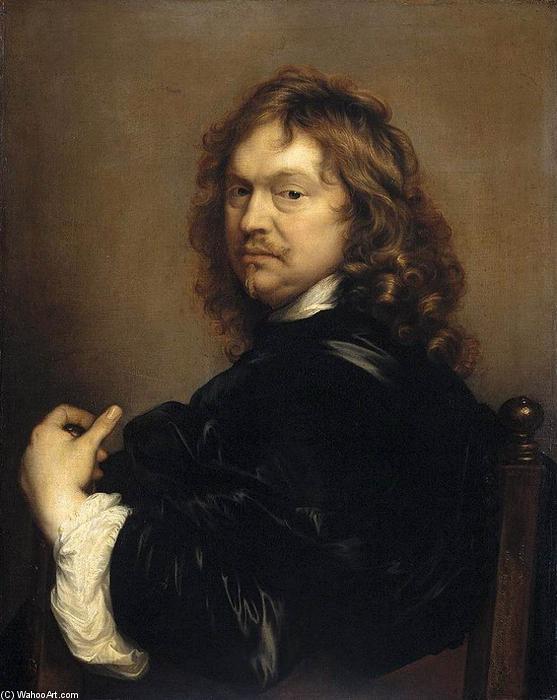
Self-Portrait


 Rozwiń treść
Ręcznie malowana reprodukcja olejowa
Ręcznie malowany obraz olejny na płótnie, wykonany na zamówienie przez naszych artystów w wybranym przez Ciebie wymiarze i oprawie. ( Zamów wydruk Przełącz na obraz)




P118B $10

P118H $10

P118W $10

P438Z $10

P508JH $12

P508YH $12

P805H $10

P805Z $10

P919BZ $10

P919G $10

P919XJ $10

P959ZH $10

P968JZ $12

W106C $8

W218G $10

W218JH $8

W218Y $10

W307PJ $10

W316G $10

W316PJ $8

W316Y $10

W398PJ $8

W4111J $10

W500HY $15

W500JH $15

W692G $12

W849H $8

W940BG $15

W953PJ $8




Wybierz spośród naszych standardowych rozmiarów, które zachowują oryginalne proporcje dzieła sztuki.

Możesz wprowadzić własne wymiary, aby dopasować obraz do konkretnej ramy lub przestrzeni. Jeśli wybrany rozmiar nie będzie odpowiadał proporcjom oryginału, przytniecie dzieło sztuki lub rozszerzymy je o dodatkowe elementy, ręcznie domalowane przez artystę. Przed rozpoczęciem produkcji wyślemy projekt cyfrowy do Twojej akceptacji.
Należy pamiętać, że podgląd na ekranie nie odzwierciedla rzeczywistego przycinania ani rozszerzania obrazu. Tylko projekt dokładnie pokaże ostateczną kompozycję.
Choć oferujemy możliwość zamówienia niestandardowych rozmiarów, zalecamy wybór wymiaru z gotowej listy, aby zachować oryginalne proporcje dzieła.
Po złożeniu zamówienia zespół OriginalUniqueArt.com skontaktuje się z klientem drogą mailową w celu uzyskania instrukcji i prześle wizualizację projektu
Dostawa na całym świecie () w ciągu 3–4 tygodni zamiast standardowych 5 tygodni. (11 Sierpień). Bez kompromisów w kwestii jakości.

Bezpłatna ekspresowa wysyłka na cały świat

Wysokiej jakości płótno lniane

Pełne ubezpieczenie przesyłki

Gwarancja zwrotu należności celnych i podatków importowych

Gwarancja wiernego odwzorowania kolorów

Polityka 60-dniowego zwrotu (tylko w przypadku wad)

Gwarancja 100% zwrotu kosztów

Zniżka przy zamówieniu wielu produktów
 Opcja ze szkłem jest dostępna wyłącznie w rozmiarach poniżej 110 cm

Self-Portrait
Technika reprodukcji
Wymiary reprodukcji
-


Cena całkowita
$ 300
Opis dzieła
A Window into the Seventeenth Century: Adriaen Hanneman’s Self-Portrait
Adriaen Hanneman's 1656 self-portrait offers a remarkably intimate glimpse into the world of a Dutch Golden Age artist, revealing not just his likeness but also the social and intellectual currents of his time. This painting transcends a simple depiction of an individual; it’s a carefully constructed statement about identity, status, and the burgeoning artistic conventions of the era. The work immediately draws the eye with its restrained elegance – a deliberate choice that speaks volumes about Hanneman's considered approach to portraiture.
- The Figure: Seated in a comfortable chair, likely of considerable quality given the detail, the subject presents himself as a man of means and standing. His posture is upright, suggesting confidence and self-awareness. The dark coat, adorned with a crisp white collar – a hallmark of 17th-century Dutch attire – immediately establishes his social position.
- The Face: Hanneman’s face is the focal point, rendered with meticulous realism. The subtle lines etched around his eyes and mouth hint at experience and perhaps contemplation. His mustache and beard are carefully executed, adding to the authenticity of the portrait and reflecting prevailing male beauty standards. Crucially, his expression isn't overtly cheerful or dramatic; it’s a quiet seriousness, suggesting an intellectual bent – a man accustomed to thought and observation.
- Background & Composition: The stark simplicity of the background—a plain wall—is a masterstroke. It serves to isolate the subject entirely, amplifying his importance within the frame and directing all attention towards his personality and bearing. This technique was common in portraiture during this period, prioritizing the individual over elaborate settings.
A Masterclass in Dutch Portrait Technique
Hanneman’s skill lies not just in capturing likeness but also in employing a sophisticated understanding of light, shadow, and texture. The painting is executed with a realistic style, demonstrating a deep knowledge of anatomy and the effects of light on form. Notice how he uses subtle gradations of tone to create a sense of volume and depth – particularly evident in the rendering of the clothing and the folds of his hair. This masterful use of chiaroscuro (the contrast between light and dark) lends the portrait a three-dimensional quality, making it feel remarkably lifelike.
- Brushwork: The brushstrokes are generally smooth and controlled, reflecting Hanneman’s training under Jan Antonisz. van Ravesteyn the Younger. Van Ravesteyn instilled in him a precise, sculptural approach to rendering form – a legacy that is clearly visible in the carefully modeled features of the face and the detailed fabric of the coat.
- Color Palette: The muted tones—primarily blacks, whites, and browns—are typical of Dutch portraiture during this period. These restrained colors allowed Hanneman to focus on capturing subtle nuances of expression and texture rather than relying on vibrant hues.
Historical Context & Artistic Influences
Created in 1656, this self-portrait is firmly rooted within the Dutch Golden Age – a period of unprecedented artistic flourishing fueled by wealth, trade, and intellectual curiosity. Hanneman’s work reflects the influence of his contemporary, Anthony van Dyck, whose elegant and dynamic portraits were immensely popular throughout Europe. Hanneman's early years in England further shaped his style, exposing him to new trends and broadening his artistic horizons. His time with Constantijn Huygens, a prominent poet and composer, also suggests an engagement with the intellectual life of the court.
Interestingly, Hanneman’s background as a Catholic in a predominantly Protestant Netherlands subtly informed his career trajectory, potentially influencing his subject matter and patronage networks.Symbolism & Emotional Resonance
Beyond its technical brilliance, the self-portrait carries a subtle symbolic weight. The serious expression on Hanneman's face suggests an introspective nature – perhaps reflecting his role as an artist grappling with questions of identity and representation. The formality of his attire speaks to his social standing, while the quiet dignity of his pose conveys a sense of self-assuredness. Ultimately, this painting is not merely a likeness; it’s a carefully constructed portrait of a man, a time, and an artistic sensibility – inviting us to contemplate the complexities of human experience within the context of 17th-century Dutch society.
O artyście
Early Life and Artistic Foundations
Adriaen Hanneman emerged onto the Dutch Golden Age art scene around 1603, born into a prosperous Catholic family in The Hague. This familial background subtly shaped his artistic trajectory, influencing both the subjects he chose to depict and the networks of patronage that would sustain him throughout his career. From a remarkably young age, he demonstrated an innate aptitude for artistry – a talent nurtured not just through formal instruction but also by observing the world around him with a keen eye for detail and composition. His initial training began in 1619 under the tutelage of Jan Antonisz. van Ravesteyn the Younger—a highly respected Hague portraitist known for his precise, sculptural approach to rendering form. Van Ravesteyn instilled in Hanneman not merely technical proficiency but also a fundamental understanding of Dutch portraiture’s established conventions – how to capture not just a likeness but also the social standing and character of the subject. The clarity and precision characteristic of Van Ravesteyn's style provided Hanneman with an invaluable foundation, a solid base upon which he would later build his own distinctive artistic voice, one marked by elegance and a subtle refinement.The English Interlude: Embracing the Van Dyck Influence
A pivotal moment in Hanneman’s artistic development arrived in 1626 when he embarked on a significant relocation to England for approximately sixteen years. This move proved transformative, placing him squarely at the heart of a vibrant and rapidly evolving artistic landscape. The arrival of Anthony van Dyck in London in 1632 as court painter to Charles I had an immediate and profound impact on Hanneman’s style. Van Dyck's masterful compositions – characterized by their dynamic energy, rich color palettes, and graceful handling of light – captivated the young artist. It is believed that Hanneman may have even had the opportunity to work within Van Dyck’s studio during this period, an immersion in a workshop renowned for its innovation and artistic excellence. Beyond Van Dyck's direct influence, Hanneman also encountered other prominent artists residing in London at the time, including Cornelis Janssens van Ceulen and Daniel Mytens, broadening his exposure to diverse styles and techniques. Crucially, he secured patronage from Constantijn Huygens, a powerful figure within the English court who actively championed Hanneman’s career, facilitating introductions to influential circles and securing commissions that propelled him into the world of aristocratic portraiture. This period in England wasn't simply about imitation; it was an intense process of absorption – a deep engagement with a sophisticated courtly culture that would fundamentally shape his future artistic endeavors and establish his distinctive style.Return to The Hague and Artistic Maturity
Around 1638, Hanneman returned to The Hague, marking a significant turning point in both his personal and professional life. This return was accompanied by a deepening of his ties to the local art community, culminating in his marriage to Maria van Ravesteyn, the daughter of his former teacher – a union that solidified a lineage of artistic expertise within his family. In 1645, he formally joined the Guild of St. Luke, signifying his full integration into the established artistic hierarchy of The Hague and acknowledging his status as a recognized professional artist. Furthermore, Hanneman actively participated in the Confrerie Pictura – an influential artists’ society that played a vital role in fostering collaboration, innovation, and the exchange of ideas within the Dutch art world. This engagement demonstrated his commitment to pushing the boundaries of artistic expression and contributing to the collective advancement of the profession. Back on Dutch soil, Hanneman continued to specialize primarily in portraiture, skillfully blending the lessons learned from Van Dyck with a growing sense of distinctly Dutch artistic identity. He catered to the burgeoning demand for portraits among the wealthy elite – members of the exiled English court seeking refuge in The Hague following the tumultuous events of the English Civil War – and those within the established Dutch nobility. His subjects ranged from prominent figures like Constantijn Huygens himself, Charles II (then Prince of Wales), and William III, Prince of Orange, reflecting his rising reputation and access to influential patrons.Legacy and Lasting Impact
Hanneman’s later years were marked by a period of financial instability – a common challenge faced by many artists during the “Rampjaar” (Disaster Year) of 1672, a time of widespread war and economic hardship that gripped the Dutch Republic. He passed away in The Hague in 1671, leaving behind a modest estate despite his previous successes, a poignant reflection of the precarious economic conditions of the era. However, Hanneman’s artistic legacy endured. His notable works include striking portraits such as John Evelyn – a Baroque masterpiece showcasing rich detail and dramatic lighting; Charles II – an exquisite depiction of royal authority; William III as a young prince – a captivating work held at the Rijksmuseum in Amsterdam; and a posthumous portrait of Maria I Stuart, displayed at the Mauritshuis in The Hague. He is particularly remembered for his refined court portraits that masterfully captured both the physical likenesses and social status of his aristocratic sitters. His influence extended beyond his own creations, impacting other painters such as Govert Flinck, demonstrating his significant contribution to Dutch portraiture during the Golden Age. Hanneman’s ability to synthesize Flemish elegance with Dutch realism cemented his place as a key figure in 17th-century art – a painter who not only documented his era but also helped define its aesthetic ideals.
Adriaen Hanneman
1603 - 1671 , Holandia
Krótka nota
- Artistic Movement Or Style: Barok, Portret
- Artists Or Movements Influenced By This Artist: ['Van Dyck']
- Artists Who Influenced This Artist:
- Flinck
- Ravesteyn
- Date Of Birth: c. 1603
- Date Of Death: 1671
- Full Name: Adriaen Hanneman
- Nationality: Holender
- Notable Artworks:
- John Evelyn
- Charles II
- William III
- Place Of Birth: The Hague, Holandia
Powiązane artykuły

Złoty Wiek Holandii: 10 arcydzieł, które zmieniły historię sztuki | OriginalUniqueArt.com
Odkryj 10 arcydzieł Złotego Wieku Holandii! Poznaj historię Rembrandta, Vermeera i innych mistrzów. Reprodukcje obrazów najwyższej jakości do Twojego wnętrza – OriginalUniqueArt.com.

Złoty Wiek Niderlandów: Światło, Realizm i Kulturowe Innowacje w Malarstwie Barokowym
Odkryj fascynujący świat malarstwa holenderskiego Złotego Wieku! Poznaj arcydzieła Rembrandta, Vermeera i innych mistrzów. Analiza technik, gatunków i wpływu na sztukę europejską.

Ferdinand Bol (1616-1680): A Dutch Master of Portraiture & Dramatic Light
Explore the captivating world of Ferdinand Bol (1616-1680), a master Dutch portraitist deeply influenced by Rembrandt. Discover his life, style, and enduring legacy with OriginalUniqueArt.

Rembrandt van Rijn: A Life Illuminated – Innovation, Emotion, and the Dutch Golden Age
Explore the life & art of Rembrandt van Rijn, a Dutch Golden Age master. Discover his innovative techniques, iconic paintings like 'The Night Watch', and enduring legacy. Expert insights for collectors & enthusiasts.
Gerard van Honthorst: Illuminating the Dutch Golden Age with Caravaggism & Courtly Grace
Explore the captivating world of Gerard van Honthorst, a Dutch Golden Age master renowned for his dramatic chiaroscuro & courtly portraits. Discover his life, art, and lasting influence on Baroque painting.

