

 Zobacz w skali 1:1
 Wyślij
 Udostępnij
 Szczegóły
 Przewodnik

 Pobierz plik obrazu
 Podobne obiekty
 RTG
RTG Pokaz slajdów
 Statystyki
Lulled to Sleep
 Akryl na płótnie
- Sztuka ścienna
- Victorian Realism
 1871
1871 56.0 x 39.0 cm
 Rijksmuseum
 Czytaj więcej
Giclée / Wydruk artystyczny
Wydruki giclée lub płótna o jakości muzealnej, szybka realizacja i szeroki wybór opcji wykończenia. ( Kup ręcznie malowany obraz Przełącz na wersję cyfrową)




P118B zł10

P118H zł10

P118W zł10

P438Z zł10

P508JH zł12

P508YH zł12

P805H zł10

P805Z zł10

P919BZ zł10

P919G zł10

P919XJ zł10

P959ZH zł10

P968JZ zł12

W106C zł8

W218G zł10

W218JH zł8

W218Y zł10

W307PJ zł10

W316G zł10

W316PJ zł8

W316Y zł10

W398PJ zł8

W4111J zł10

W500HY zł15

W500JH zł15

W692G zł12

W849H zł8

W940BG zł15

W953PJ zł8




Wybierz spośród naszych standardowych rozmiarów, które zachowują oryginalne proporcje dzieła sztuki.

Wpisz wymaganą szerokość i wysokość, aby dopasować grafikę do ramy lub ściany. Wydruk można jedynie przyciąć, nigdy nie powiększając go poza oryginalny obraz, dlatego format o innym proporcji spowoduje utratę części kompozycji. Przed rozpoczęciem druku prześlemy Ci cyfrowy podgląd do zatwierdzenia. Obraz wyświetlany na tej stronie nie pokazuje rzeczywistego przycięcia — jedynie podgląd oddaje ten efekt.
Dostawa na cały świat () w ciągu 2 tygodni zamiast standardowych 4/5 tygodni. (24 Październik)

Bezpłatna ekspresowa wysyłka na cały świat

Wysokiej jakości płótno lniane

Pełne ubezpieczenie transportowe

Gwarancja zwrotu należności celnych i podatków importowych

Gwarancja idealnego odwzorowania barw

100-dniowy okres na zwrot dzieła w przypadku wykrycia wad produkcyjnych

Gwarancja 100% zwrotu pieniędzy

Oferta przy zakupie wielu sztuk
 Opcja ze szkłem jest dostępna wyłącznie w rozmiarach poniżej 110 cm

Lulled to Sleep
Giclée / Wydruk artystyczny
Rozmiar reprodukcji
-


Suma do zapłaty
zł 307
Lulled to Sleep: A Portrait of Domestic Tranquility by Adolph Artz
Adolph Artz’s “Lulled to Sleep” stands as a testament to the quiet beauty of Victorian family life, capturing a moment of profound tenderness within a meticulously rendered domestic scene. Painted in 1871, this oil on canvas masterpiece exemplifies the ethos of the Hague School—a movement that championed realism infused with lyrical idealism—and continues to captivate audiences today.Subject Matter and Composition
The painting depicts a woman cradling her infant daughter, seated comfortably in a chair against a softly lit interior backdrop. The careful positioning of figures emphasizes intimacy and conveys a palpable sense of maternal care. Beyond the central subjects, subtle details contribute to the overall atmosphere: a dining table adorned with a bowl and cup, hinting at everyday rituals and domestic harmony; and a second person—presumably the husband—seated nearby—further reinforcing the theme of familial unity. The artist’s eye for detail extends to capturing the textures of fabric and light, creating an immersive experience for the viewer.Style and Technique: Hague School Realism Elevated
Artz skillfully employs techniques characteristic of the Hague School, prioritizing atmospheric perspective and tonal modulation to achieve a remarkable sense of realism. Unlike Impressionists who sought to capture fleeting moments of light and color, Artz focused on conveying emotion through nuanced shading and subtle gradations of tone—a deliberate choice that underscores the importance of psychological depth within his artistic vision. The brushstrokes are visible yet blended seamlessly, resulting in an image that feels both tangible and emotionally resonant.Historical Context: Victorian Sentimentality and Artistic Expression
“Lulled to Sleep” emerged during a period marked by significant social transformations—the Industrial Revolution reshaping urban landscapes while simultaneously fostering a growing appreciation for rural tranquility and familial values. The Hague School responded to these shifts by portraying idealized depictions of domestic life, reflecting the prevailing Victorian fascination with sentimental themes and moral virtue. Artz’s work embodies this artistic sensibility, presenting a serene tableau that speaks to universal aspirations for comfort, security, and connection—values deeply ingrained in the Victorian era.Symbolism: Light, Warmth, and Maternal Love
The painting's luminous palette—dominated by warm yellows and browns—symbolizes warmth, domestic contentment, and the nurturing embrace of motherhood. The soft lighting casts gentle shadows across the room, creating an ethereal quality that enhances the emotional impact of the scene. Furthermore, the posture of the woman cradling her child embodies unconditional love and devotion—a motif frequently explored in Victorian art as a means of conveying moral virtue and spiritual aspiration.Emotional Impact: A Window into Victorian Domestic Life
“Lulled to Sleep” transcends mere visual representation; it invites contemplation on themes of family, tenderness, and the beauty of everyday life. The painting’s quiet stillness evokes feelings of peace and serenity—a welcome respite from the bustle of Victorian society—while simultaneously conveying a powerful message about the importance of familial bonds. It remains an enduring symbol of Victorian sentimentality and continues to inspire admiration for Artz's masterful ability to capture the essence of human emotion within a meticulously crafted artistic composition.Pytania i odpowiedzi
Gdzie mogę kupić wydruk „Lulled to Sleep” autorstwa Adolph Artz?
Aby zamówić wydruk dzieła „Lulled to Sleep” autorstwa Adolph Artz, wystarczy przejść na jego stronę Wydruk artystyczny: szlachetna odbitka na płótnie bawełnianym lub archiwalnym papierze płótnopodobnym.
Gdzie mogę znaleźć przewodnik do "Lulled to Sleep"?
Strona Przewodnik dzieła „Lulled to Sleep” autorstwa Adolph Artz oferuje dwustronicową kartę informacyjną w formacie do druku: samo dzieło wraz z tabelą identyfikacyjną, oś czasu umieszczającą je w latach życia artysty, inne prace tego twórcy, zmierzoną paletę kolorystyczną oraz gotowe do skopiowania cytaty w czterech stylach.
Ilu użytkowników ogląda "Lulled to Sleep"?
Strona Statystyki dzieła „Lulled to Sleep” autorstwa Adolph Artz przedstawia statystyki odwiedzin: miesięczną liczbę wyświetleń tego dzieła, porównanie z najczęściej oglądanymi pracami artysty oraz informacje o pochodzeniu odwiedzających.
Biografia artysty
Łagodna dusza zaklęta w świetle i kolorze: Odkrywanie kunsztu Adolpha Artza
Adolph Artz (1837-1890), holenderski malarz wywodzący się z Hagi, pozostaje artystą, którego pełne spokoju przedstawienia życia rodzinnego i sielankowych krajobrazów wciąż budzą zachwyt wśród kolekcjonerów i miłośników sztuki. Choć jego dorobek nie był tak obszerny jak u niektórych współczesnych mu przedstawicieli Szkoły Haskiej – nurtu, w którego powstaniu brał udział – charakterystyczny styl Artza utrwalił jego miejsce jako istotnego twórcy w nurcie wiktoriańskiej wrażliwości artystycznej.- Wczesne lata i edukacja: Urodzony w rodzinie głęboko zakorzenionej w tradycji artystycznej, Artz odebrał swoje podstawowe wykształcenie pod okiem ojca, Constanta Artza, który sam był szanowanym malarzem portrecistą. Ten rodzinny wpływ bez wątpienia zaszczepił w nim umiejętność skrupulatnej obserwacji oraz biegłość w oddawaniu ludzkich emocji – cech, które stały się znakami rozpoznawczymi jego całego dzieła.
- Szkoła Haska i wizja artystyczna: Około 1860 roku Artz dołączył do rozwijającej się Szkoły Haskiej, jednocząc swoje siły z takimi luminarzami jak Isaac Israelson czy Anton Mauve. Etos tej szkoły koncentrował się na chwytaniu ulotnych momentów codzienności – zwłaszcza scen domowych – z wyczuwalnym poczuciem atmosfery i realizmu. W przeciwieństwie do niektórych rówieśników, którzy skłaniali się ku dramatycznym narracjom lub idealizowanym przedstawieniom, Artz konsekwentnie stawiał na przekazywanie czułości i ciepła za pośrednictwem swoich płócien.
- Wybitne dzieła: Artystyczne dziedzictwo Artza opiera się przede wszystkim na urzekających portretach rodzinnej czułości i sielankowych krajobrazach natury. Dzieła takie jak „Kaczki”, przedstawiające matkę delikatnie prowadzącą swoje dzieci wśród ptactwa wodnego, stanowią przykład jego zdolności do destylacji złożonych emocji w pozornie prostych kompozycydach. Podobnie obraz „Uśpiona”, ukazujący śpiące niemowlę wtulone w ramiona opiekuna, ucieleśnia ciche piękno macierzyńskiej troski.
- Krajobrazy i wpływy impresjonistyczne: Poza portretami, Artz tworzył nastrojowe pejzaże, które dowodzą jego związania z zasadami impresjonizmu. „Spacer w wydmach”, na przykład, chwyta eteryczną jakość zmierzchu nad piaszczystymi brzegami – co jest świadectwem jego wrażliwości na warunki atmosferyczne oraz pragnienia przekazania poczucia spokoju.
Dziedzictwo i znaczenie historyczne
Wkład Adolpha Artza do Szkoły Haskiej wykracza poza zwykłe naśladownictwo stylistyczne. Był on rzecznikiem estetyki humanistycznej, która priorytetowo traktowała uwiecznianie autentycznego ludzkiego doświadczenia – co stanowiło odświeżający kontrapunkt dla dominujących trendów artystycznych jego czasów. Jego obrazy nieustannie budzą podziw swoją powściągliwą elegancją i głębią emocjonalną, zapewniając mu miejsce artysty, który z sukcesem przełożył ducha wiktoriańskiego życia domowego na język płótna. Dziś reprodukcje dzieł Artza oferują widzom wgląd w minioną epokę – przypominając, że piękno można odnaleźć w najprostszych gestach i krajobrazach.
Adolph Artz
1837 - 1890 , Holandia
Najważniejsze informacje
- Artistic Movement Or Style: Szkoła Haską
- Date Of Birth: Haga, Holandia (1837)
- Full Name: David Adolph Constant Artz
- Nationality: Holender
- Notable Artworks:
- Kołysanka
- Kaczki
- Spacer po wydmach
- Place Of Birth: Haga
Zobacz także powiązane artykuły

Golden Light & Dutch Skies: The Timeless Magic of Dutch Golden Age Landscapes
Discover the breathtaking beauty of Dutch Golden Age landscapes. Explore the mastery of light, chiaroscuro, and 17th-century realism through an expert art history lens, celebrating the enduring legacy of the Dutch Masters for discerning collectors and art lovers.
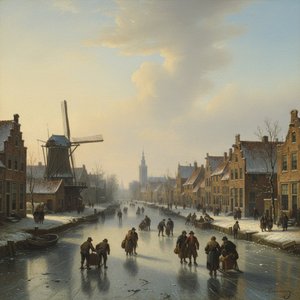
Charles Leickert: Capturing the Dutch Golden Age Light – A Comprehensive Study of Technique, Context, and Legacy
Explore the captivating winter landscapes of Charles Leickert, a master of Dutch Golden Age light & atmosphere. Discover his techniques, symbolism, and lasting legacy – a comprehensive study for art enthusiasts and collectors.
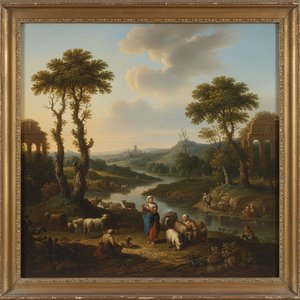
Nicolaes Berchem: Dutch Golden Age Pastoralism & the Evolution of Landscape Painting
Explore the captivating world of Nicolaes Berchem, a leading Dutch Golden Age painter. Discover his idyllic landscapes, masterful technique & lasting influence on art history. Learn more at OriginalUniqueArt.

Jan van Goyen: Master of Dutch Landscape & Atmospheric Perspective
Discover Jan van Goyen, the master of Dutch landscape painting. Explore his subtle technique, atmospheric realism & lasting influence on art history. Learn about this 17th-century pioneer at OriginalUniqueArt.
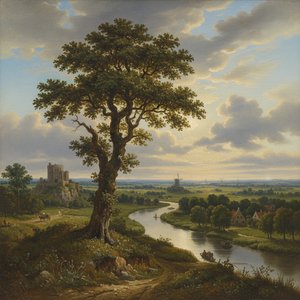
Jacob van Ruisdael: Master of Dutch Landscape & the Evocation of National Identity
Explore the life & work of Jacob van Ruisdael, the preeminent Dutch landscape painter. Discover his technical brilliance, symbolic depth, and lasting influence on art history. Learn about collecting Ruisdael's masterpieces.
