
 Send
Send Del
Del
 Vis detaljer
 Utskriftsvennlig guide

 Last ned bilde
 Liknende objekter
 Lysbildefremvisning
 Spørsmål og svar
 Statistikk
Tobie Et L'ange


 Vis hele teksten
Giclée / Kunsttrykk
Giclée- eller lerretsprint av museumskvalitet med rask produksjon og fleksible valgmuligheter for etterbehandling. ( Kjøp håndmalt maleri Bytt til digitalt bilde)




































Velg mellom våre forhåndsdefinerte størrelser som bevarer kunstverkets opprinnelige proporsjoner.

Skriv inn ønsket bredde og høyde for å tilpasse trykket til din ramme eller vegg. Et trykk kan kun beskjæres, aldri skaleres opp utover motivets opprinnelige størrelse, noe som betyr at et format med andre proporsjoner vil føre til tap av deler av bildet. Vi sender deg en digital mockup for godkjenning før vi starter trykkeprosessen. Bildet som vises på denne siden viser ikke den faktiske beskjæringen — det er kun mockuppen som viser dette.
Verdensomspennende levering () på 2 uker i stedet for standard 4/5 uker. (7 November)

Gratis ekspressfrakt over hele verden

Lerretsduk av lin av høy kvalitet

Full transportforsikring

Garanti for refusjon av toll og importavgifter

Garantert fargegjengivelse

100 dagers returrett ved fabrikasjonsfeil

100% pengene tilbake-garanti

Rabatt ved flere kjøp
 Glassalternativet er kun tilgjengelig i størrelser under 110 cm

Tobie Et L'ange
Giclée / Kunsttrykk
Størrelse på reproduksjon
-


Totalpris for valgte alternativer
Nkr 775
The Dramatic Embrace: Salvator Rosa’s “Tobie Et L'Ange”
Salvator Rosa’s “Tobie Et L'Ange,” a captivating Baroque masterpiece, isn’t merely a depiction of two celestial figures; it’s an invitation into a world brimming with allegory, emotion, and the untamed beauty of nature. Painted likely around 1670 in Rome, this work stands as a testament to Rosa’s unique artistic vision – a rejection of rigid academic conventions in favor of a deeply personal and often unsettling exploration of human experience within the grand scheme of the cosmos. The painting immediately draws the eye with its dynamic composition: two angels, rendered with a palpable sense of urgency and interaction, dominate the scene. One gently touches the head of the other, an intimate gesture that belies their divine status, while the central focus – a shimmering fish – becomes a potent symbol of both sustenance and potential danger. This isn’t a serene, idealized portrayal of heaven; it's imbued with a raw energy and a hint of unease, reflecting Rosa’s characteristic penchant for portraying the darker aspects of human nature alongside moments of grace.A Baroque Tapestry: Style, Technique, and Influences
Rosa’s style is instantly recognizable as deeply rooted in the Baroque period, yet he forged his own distinctive path. He absorbed influences from artists like Ribera – particularly his masterful use of tenebrism (strong contrasts between light and dark) – and Poussin, evident in the careful rendering of classical forms and landscapes. However, unlike these contemporaries who often adhered to established rules, Rosa deliberately embraced a more expressive and emotionally charged approach. His brushwork is loose and gestural, conveying movement and immediacy. Notice how he uses thick impasto—layers of paint applied with considerable texture—to build up the figures and landscape, creating a sense of physicality and drama. The color palette leans towards rich earth tones – ochres, browns, and deep reds – punctuated by flashes of silver and gold, contributing to the painting’s overall intensity. Rosa's background in printmaking also profoundly shaped his artistic practice; he frequently employed techniques borrowed from engraving, such as hatching and cross-hatching, to create intricate details and textures within his paintings.Mythic Resonance: Symbolism and Narrative
“Tobie Et L'Ange” is rich with symbolic meaning, drawing upon the biblical story of Tobias and the Angel. The fish itself represents divine providence and sustenance, a gift from God delivered through the angel’s intervention. The touch on the head signifies guidance and protection – a subtle reminder of the spiritual realm influencing earthly affairs. Beyond this immediate narrative, however, the painting operates on multiple levels. The turbulent landscape—a dramatic vista of cliffs, rocks, and swirling clouds—suggests the chaotic nature of human existence and the constant struggle between order and disorder. The presence of smaller figures in the foreground – a man on the left and another on the right – adds to this sense of complexity, hinting at other characters or elements within the larger story. Some art historians suggest that these figures represent the challenges and temptations faced by humanity, while the angels embody divine wisdom and compassion.A Legacy of Romanticism: Rosa’s Enduring Influence
Salvator Rosa's work was hugely influential in shaping the development of Romanticism, a movement that prioritized emotion, individualism, and the sublime beauty of nature. His depictions of wild landscapes—often rendered with a sense of foreboding and danger—challenged the classical emphasis on idealized beauty and harmony. Rosa’s willingness to portray humanity within these untamed environments – often as vulnerable and insignificant in comparison to the power of nature – resonated deeply with Romantic artists like Caspar David Friedrich and J.M.W. Turner. His legacy lies not just in his technical skill, but also in his courageous rejection of convention and his profound engagement with the complexities of human experience. Today, reproductions of “Tobie Et L'Ange” continue to captivate viewers with their dramatic intensity and evocative symbolism, offering a glimpse into the visionary world of one of Baroque art’s most compelling figures.Spørsmål og svar
Hvor bør en reproduksjon av "Tobie Et L'ange" av Salvator Rosa henges opp?
Med sin Portrait form anbefales en reproduksjon av "Tobie Et L'ange" for et Living Room.
Er en høyoppløselig nedlasting av "Tobie Et L'ange" tilgjengelig?
"Tobie Et L'ange" er tilgjengelig som nedlasting av et digitalt bilde i høy oppløsning, og kan kjøpes direkte på siden for Digitalt kunstverk.
Hvilket rom komplementerer fargene i "Tobie Et L'ange" av Salvator Rosa?
Med sine Earthy farger anbefales "Tobie Et L'ange" for et Living Room.
Om kunstneren
Tidlig liv og opplæring
Salvator Rosa, en italiensk barokkmaler, poet og trykkemakker, ble født i Arenella, Napoli, enten 20. juni eller 21. juli 1615. Hans mor, Giulia Greca Rosa, tilhørte en av de greske familiene på Sicilia. Til tross for farens ønske om at han skulle bli advokat eller prest, viste Salvator en forkjærlighet for kunsten fra tidlig alder.Kunstnerisk karriere
Salvator Rosas kunstneriske karriere var preget av hans uortodokse og ekstravagante stil, noe som skilte ham fra hans samtidige. Han var aktiv i Napoli, Roma og Firenze, og hans arbeid var påvirket av Riberas naturalisme og Poussins klassisisme. Likevel nektet han å la seg bilde til noen bestemt stil eller retning.- Pythagoras fremmanet fra underverdenen (Kimbell Art Museum, Fort Worth, USA), et av hans mest berømte verk, viser hans unike blanding av filosofiske og kunstneriske temaer.
- Hans Dåpen av eunukken (Chrysler Museum of Art, Norfolk, USA) demonstrerer hans evne til å tilføre høydramatisk nerve selv i mindre bibelske fortellinger.
Innflytelse og ettermæle
Salvator Rosas arbeid hadde en betydelig innvirkning på utviklingen av barokk kunst. Hans innflytelse kan ses i verkene til senere kunstnere, som Luca Giordano, som fortsatte å tøye grensene for kunstnerisk uttrykk. Viktige lenker: Salvator Rosas profil på OriginalUniqueArt Wikipedia: Salvator Rosa Pythagoras fremmanet fra underverdenen på OriginalUniqueArtKonklusjon
Salvator Rosa sitt liv og virke fortsetter å fascinere både kunstelskere og historikere. Hans uortodokse stil og evige opprør mot sin tids normer har sikret hans plass i barokkkunstens annaler. Som maler, poet og trykkemakker forblir han en gåtefull skikkelse, og hans verk fortsetter å inspirere nye generasjoner av kunstnere og kunstentusiaster.
Salvator Rosa
1615 - 1673 , Italia
Kort om kunstneren
- Artistic Movement Or Style: Barokk
- Artists Or Movements Influenced By This Artist: ['Luca Giordano']
- Artists Who Influenced This Artist: ['José de Ribera']
- Date Of Birth: Juni 20 eller juli 21, 1615
- Date Of Death: Mars 15, 1673
- Full Name: Salvator Rosa
- Nationality: Italian
- Notable Artworks:
- Syn av Golfen Salerno
- Studie for 'Il Genio di Rosa
- Place Of Birth: Arenella, Sicilia
Relaterte artikler

Salvator Rosa: A Baroque Rebel's Vision of Landscape, Allegory & the Human Condition
Explore the captivating world of Salvator Rosa, a rebellious Baroque master. Discover his dramatic landscapes, allegorical paintings & lasting influence on Romanticism. Hand-painted reproductions available at OriginalUniqueArt.

Drama in Nature: The Captivating Grandeur of Baroque Landscapes and the Art of Emotional Spectacle
Explore the breathtaking drama of Baroque landscapes. From Rubens's grand vistas to the mastery of chiaroscuro, discover how 17th-century artists transformed nature into a theatrical stage of emotion and light. A deep dive for true art enthusiasts.
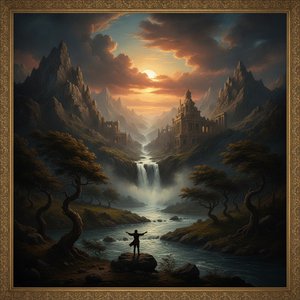
Epic Drama & Dark Vibes: The Ultimate Collector's Guide to Baroque Landscapes
Master the art of drama with our ultimate guide to Baroque landscapes. Discover the power of chiaroscuro, explore legendary masters, and learn how to curate epic, dark-vibe masterpieces for your collection with expert insights from OriginalUniqueArt.
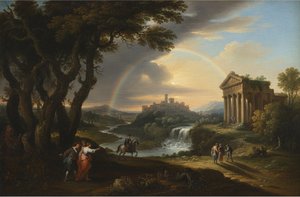
Shadow, Light, and Spectacle: The Dramatic Evolution of Baroque Landscape Painting
Explore the breathtaking drama of Baroque landscapes. Our expert guide delves into the interplay of light and shadow in 17th-century masterpieces. Discover art history and find museum-quality, hand-painted oil reproductions to bring classical grandeur to your home.

Celestial Messengers: Angels in Painting – A Historical & Artistic Exploration
Explore the captivating history of angels in painting! Discover symbolism, iconic Renaissance & Byzantine masterpieces, and renowned artists. Expert insights for art lovers & collectors at OriginalUniqueArt.


