

 Se i rommet
 Del som digitalt kort
 Del
Del
 Detaljer
 Studentguide

 Last ned
 Liknende objekter
 Røntgen
 Lysbildefremvisning
 Besøksstatistikk
The Stag Hunt
 Oil On Canvas
- WallArt
- Northern Mannerism
 1590
1590 105.0 x 137.0 cm
 Louvre
 Les mer
Håndlaget oljereproduksjon
Håndmalt olje på lerret i din valgte størrelse og ramme, laget på bestilling av våre kunstnere. ( Bytt til trykkversjon Gå til digitalt bilde)




P118B Nkr10

P118H Nkr10

P118W Nkr10

P438Z Nkr10

P508JH Nkr12

P508YH Nkr12

P805H Nkr10

P805Z Nkr10

P919BZ Nkr10

P919G Nkr10

P919XJ Nkr10

P959ZH Nkr10

P968JZ Nkr12

W106C Nkr8

W218G Nkr10

W218JH Nkr8

W218Y Nkr10

W307PJ Nkr10

W316G Nkr10

W316PJ Nkr8

W316Y Nkr10

W398PJ Nkr8

W4111J Nkr10

W500HY Nkr15

W500JH Nkr15

W692G Nkr12

W849H Nkr8

W940BG Nkr15

W953PJ Nkr8




Velg mellom våre forhåndsdefinerte størrelser som bevarer kunstverkets opprinnelige proporsjoner.

Skriv inn bredden og høyden du trenger, slik at den passer til din ramme eller vegg. Dette er håndmalt, så for en størrelse med en annen form kan kunstneren male litt mer rundt bildet, eller beskjære det noe — du velger selv. Vi sender deg en digital mockup for godkjenning før maleriet påbegynnes. Bildet som vises på denne siden viser ikke det faktiske resultatet — kun mockuppen gjør det.
Etter bestilling vil OriginalUniqueArt.com-teamet sende e-post til kunden for instruksjoner og sende et utkast (mockup) som forhåndsvisning.
Verdensomspennende levering () på 3–4 uker i stedet for standard 5 uker. (23 October). Ingen kompromisser med kvaliteten.

Gratis ekspressfrakt over hele verden

Lerretsduk av høykvalitets lin

Full transportforsikring

Garanti for refusjon av toll og importavgifter

Garantert fargeekthet

100 dagers returrett ved fabrikasjonsfeil

100% pengene tilbake-garanti

Mengderabatt
 Glassalternativet er kun tilgjengelig i størrelser under 110 cm

The Stag Hunt
Reproduksjonsmetode
Format på reproduksjon
-


Totalpris
Nkr 3088
The Stag Hunt: A Northern Mannerist Masterpiece
Paul Bril’s “The Stag Hunt,” painted in 1590, is more than just a hunting scene; it's a meticulously crafted tableau of power, nobility, and the intricate relationship between humanity and the natural world. Housed within the hallowed halls of the Louvre Museum in Paris, this oil on canvas offers a captivating glimpse into the Northern Mannerist style – an artistic movement characterized by its dramatic use of light, shadow, and detailed realism. Bril’s work transcends mere representation, instead inviting us to contemplate the complex dynamics at play within this carefully orchestrated drama.
The painting depicts a group of richly attired hunters, led by a mounted figure wielding a spear, pursuing a magnificent stag through a dense, almost claustrophobic forest. The composition is remarkably balanced, drawing the eye across the scene with a deliberate sense of movement and purpose. Notice how Bril masterfully employs perspective – not to create an illusionistic depth, but rather to subtly guide our gaze towards the central action. The figures themselves are rendered with a striking level of detail; their clothing, armor, and expressions convey both confidence and a hint of controlled aggression. The stag, too, is depicted with astonishing realism, its muscular form and alert posture suggesting a formidable opponent.
A Window into Northern Mannerism
Bril’s “The Stag Hunt” stands as a pivotal work within the Northern Mannerist tradition. Emerging from the artistic circles of Antwerp and later flourishing in Rome, this style rejected the exuberant naturalism of its Italian counterparts, favoring instead a more restrained and intellectual approach to landscape painting. Unlike the vibrant colors and dynamic compositions of artists like Titian or Veronese, Bril’s palette is muted and earthy, dominated by deep greens, browns, and ochres. The lighting is equally subdued, creating an atmosphere of cool drama rather than bright illumination. This deliberate restraint serves to heighten the sense of mystery and foreboding within the scene.
The influence of earlier Flemish masters like Joachim Patinir is readily apparent in Bril’s use of atmospheric perspective – the subtle blurring of distant objects to create a sense of depth. However, Bril departs from his predecessors by incorporating elements of classical composition and a heightened emphasis on narrative. The hunt itself becomes symbolic, representing not just the pursuit of game but also themes of honor, skill, and the inherent tension between humanity and nature. The carefully arranged figures and their interactions suggest a complex social hierarchy, with the mounted hunter at the apex of power.
Symbolism and Emotional Resonance
Beyond its technical brilliance, “The Stag Hunt” is rich in symbolic meaning. The act of hunting itself has long been associated with notions of control, dominance, and the assertion of human will over the natural world. Yet, Bril subtly complicates this narrative by depicting a scene of both triumph and potential tragedy. The stag, though pursued relentlessly, retains an air of dignity and resilience – a reminder that even in defeat, there is beauty and nobility.
The dense forest surrounding the hunters can be interpreted as a metaphor for the unknown, representing the challenges and uncertainties that lie ahead. The muted colors and dramatic lighting contribute to a sense of unease, suggesting that the hunt is not merely a sporting activity but also a perilous undertaking. The overall emotional impact of the painting is one of restrained intensity – a captivating blend of action, drama, and subtle psychological depth. It’s a scene that lingers in the mind long after viewing, prompting reflection on the enduring themes of power, mortality, and the human condition.
Bringing “The Stag Hunt” to Life
Reproductions of Paul Bril's "The Stag Hunt" offer art enthusiasts a unique opportunity to experience this masterpiece firsthand. OriginalUniqueArt.com meticulously recreates the painting’s intricate details and atmospheric qualities, ensuring that each reproduction captures the essence of Bril’s original vision. Whether displayed in a grand salon or a cozy study, these handcrafted reproductions will undoubtedly serve as a stunning focal point – a testament to the enduring legacy of Northern Mannerist art.
For more information about Paul Bril and his remarkable artistic journey, please visit OriginalUniqueArt.com’s artist page. Discover how you can own a piece of history and bring the drama and beauty of “The Stag Hunt” into your home today.
Spørsmål og svar
Er "The Stag Hunt" av Paulus Bril i det frie domene (public domain), og hvorfor?
"The Stag Hunt" av Paulus Bril er i det frie domene – opphavsretten har utløpt. Opphavsretten beregnes fra kunstnerens dødsår, og Paulus Bril døde i 1626.
Tillater opphavsretten til "The Stag Hunt" av Paulus Bril reproduksjoner?
Originalen av "The Stag Hunt" befinner seg hos Louvre, og verket er i det frie domene – opphavsretten har utløpt.
Kan jeg bestille en olje-reproduksjon av "The Stag Hunt"?
Du kan bestille en håndmalt reproduksjon av "The Stag Hunt" av Paulus Bril direkte på dens Håndmalt reproduksjon-side: en håndmalt oljereproduksjon på linlerret, laget etter bestilling.
Kunstnerbiografi
Paulus Bril (Paul Brill): En mester av det italiensk-pregede landskapet
Paulus Bril, også kjent som Paul Brill (1554–1626), var en dypt innflytelsesrik flamsk maler og grafiker, hyllet for sin banebrytende rolle i utviklingen av den italiensk-pregede landskapssjangeren. Han ble født i Antwerpen i Belgia, men tilbrakte størstedelen av sin karriere i Roma, hvor hans arbeid satte et betydelig preg på både italiensk og nordeuropeisk landskapsmaleri. Hans kunstneriske arv ligger i evnen til å fange skjønnheten og storheten i det italienske kulturlandskapet, samtidig som han vevde inn klassiske motiver og en særpreget atmosfærlig perspektivbruk.
Tidlig liv og kunstnerisk utvikling
- Fødsel og familie: Paulus Bril ble født i Antwerpen, selv om enkelte kilder antyder Breda som en mulig fødested. Han kom fra en kunstnerisk familie; hans far var både maler og kunsthandler, noe som ga den unge Paulus tidlig eksponering for kunstens verden.
- Tidlig opplæring og påvirkning: Hans første opplæring fant sannsynligvis sted innenfor familiens sirkel, hvor han absorberte tradisjonene fra flamsk landskapsmaleri. Dette fundamentet la vekt på atmosfæriske effekter – bruken av lys, farge og luftperspektiv for å skape en følelse av dybde og stemning. Hans tidlige verk reflekterer denne innflytelsen gjennom nitid detaljrikdom og et fokus på realistisk representasjon.
- Flyttingen til Roma: Et vendepunkt i Brils karriere var flyttingen til Roma. Denne forflytningen ga ham direkte tilgang til det italienske landskapet og gjorde det mulig for ham å utvikle sin signaturstil – det italiensk-pregede landskapet.
Det italiensk-pregede landskapet og kunstneriske nyvinninger
- Karakteristiske trekk: Brils italiensk-pregede landskap kjennetegnes av idealiserte utsyn over det italienske landskapet, ofte med klassiske ruiner som templer, buer og søyler, pittoreske vannveier, frodig vegetasjon og idylliske pastorale scener.
- Klassiske motiver og komposisjon: Han integrerte på mesterlig vis klassiske arkitektoniske elementer i sine komposisjoner, noe som skapte en harmonisk forening av natur og antikk. Hans landskap er ikke bare gjengivelser av omgivelser; de fremmaner en følelse av historie, storhet og tidløs skjønnhet.
- Lys og atmosfære: Brils mesterlige bruk av lys og farge er avgjørende for verkets tiltrekningskraft. Han benyttet varme toner og subtile graderinger for å skape en lysende atmosfære som drar betrakteren inn i scenen. Hans forståelse av luftperspektiv – hvordan objekter fremstår blekere og blåere med avstand – tilfører dybde og realisme til hans landskap.
- Innflytelse på samtidige kunstnere: Brils stil hadde en dyp innvirkning på andre kunstnere, mest fremtredende Claude Lorrain, som beundret og etterlignet Brils tilnærming til landskapsmaleri. Han påvirket også Willem van Nieulandt, noe som vitner om deres felles interesse for å skildre italienske ruiner.
Store bragder og historisk betydning
- Revolusjonering av landskapsmaleriet: Paulus Bril regnes som en nøkkelfigur i utviklingen av den italiensk-pregede landskapssjangeren, og etablerte en ny standard for landskapsmaleri både i Italia og Nord-Europa.
- Popularitet og mesenat: Hans verk var svært ettertraktede i hans levetid, noe som vitner om hans popularitet blant samlere og kunstmektige støttespillere.
- Arv: Brils vektlegging av klassiske motiver, atmosfærisk perspektiv og den idealiserte fremstillingen av naturen påvirket generasjoner av landskapsmalere som fulgte i hans fotspor. Han bidro til å løfte landskapsmaleriet fra en sekundær sjanger til en kunstform med betydelig kunstnerisk verdi.
Samlinger og videre utforskning
Verker av Paulus Bril kan finnes i prestisjetunge museer og samlinger over hele Europa. Merkverdige beholdninger inkluderer:
- Groeninge Museum, Brugge, Belgia
- Rockox House, Antwerpen, Belgia
For å utforske hans kunst ytterligere, kan du besøke Paulus Brils kunstnerside og relaterte verk på OriginalUniqueArt.com.

Paulus Bril
1554 - 1626 , Belgia
Kort om kunstneren
- Artistic Movement Or Style: Italiensk preget landskap, manierisme
- Artists Or Movements Influenced By This Artist: ['Claude Lorrain']
- Date Of Birth: 1554
- Date Of Death: 1626
- Full Name: Paulus Bril / Paul Brill
- Nationality: Flamsk
- Notable Artworks:
- Utsikt over Bracciano
- Landskap med Erminia
- Place Of Birth (City And Country): Antwerpen, Belgia
Relaterte artikler

Romantiske landskap: Topp 10 mesterverk for hjemmet – Kunst fra OriginalUniqueArt.com
Oppdag de 10 mest ikoniske romantiske landskapsmaleriene! Fra Caspar David Friedrich til Turner – utforsk kunsthistorien, stemningen og fargepalettene. Finn museumskvalitets reproduksjoner på OriginalUniqueArt.com.

Paul Cézannes 25 Mesterverk: En Kunstnerisk Reise for Ditt Hjem
Utforsk Paul Cézannes 25 mest ikoniske malerier! Oppdag historien bak impresjonismens mesterverk, fra stilleben til landskap. Finn kunsttrykk av høy kvalitet og interiørinspirasjon på OriginalUniqueArt.com.

John Constable: Topp 25 Maler – Engelsk Landskapskunst i Ditt Hjem
Opplev John Constables 25 mest ikoniske malerier! Fordyp deg i engelsk romantikk, landskapskunst og atmosfæriske scener. Finn museumskvalitets reproduksjoner & interiørinspirasjon på OriginalUniqueArt.com. Utforsk samlingen online!
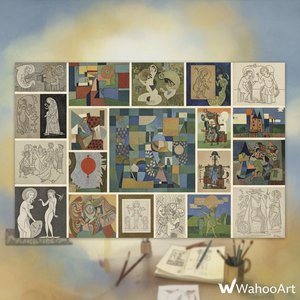
Paul Klees 25 Mesterverk: En Reise i Farge og Form | OriginalUniqueArt.no
Utforsk Paul Klees 25 mest ikoniske malerier! Fordyp deg i hans abstrakte verden, fargerike ekspresjonisme og unike stil. Finn inspirasjon til interiørdesign & kjøp museumskvalitets reproduksjoner på OriginalUniqueArt.com. Oppdag mesterverkene nå!

Evocations of Place: A Historical Journey Through Landscape Art
Explore the rich history of landscape art with OriginalUniqueArt. Discover renowned artists, movements like Impressionism & Romanticism, and expert guidance for collecting timeless pieces. Find your perfect serene escape today!

