

 Se i rommet
 Del som digitalt kort
 Del
Del
 Detaljer
 Studentguide

 Last ned
 Liknende objekter
 Røntgen
 Lysbildefremvisning
 Besøksstatistikk
Landscape


 Les mer
Giclée / Kunsttrykk
Giclée- eller lerretsprint av museumskvalitet med rask produksjon og fleksible valgmuligheter for etterbehandling. ( Bestill håndmalt reproduksjon Gå til digitalt bilde)




P118B Nkr10

P118H Nkr10

P118W Nkr10

P438Z Nkr10

P508JH Nkr12

P508YH Nkr12

P805H Nkr10

P805Z Nkr10

P919BZ Nkr10

P919G Nkr10

P919XJ Nkr10

P959ZH Nkr10

P968JZ Nkr12

W106C Nkr8

W218G Nkr10

W218JH Nkr8

W218Y Nkr10

W307PJ Nkr10

W316G Nkr10

W316PJ Nkr8

W316Y Nkr10

W398PJ Nkr8

W4111J Nkr10

W500HY Nkr15

W500JH Nkr15

W692G Nkr12

W849H Nkr8

W940BG Nkr15

W953PJ Nkr8




Velg mellom våre forhåndsdefinerte størrelser som bevarer kunstverkets opprinnelige proporsjoner.

Skriv inn bredden og høyden du trenger, slik at den passer til din ramme eller vegg. Et trykk kan kun beskjæres, aldri gjøres større enn bildet, så et format med en annen form vil miste en del av motivet. Vi sender deg en digital mockup for godkjenning før vi trykker noe som helst. Bildet som vises på denne siden viser ikke den faktiske beskjæringen — det er kun mockuppen som gjør det.
Verdensomspennende levering () på 2 uker i stedet for standard 4/5 uker. (21 October)

Gratis ekspressfrakt over hele verden

Lerretsduk av høykvalitets lin

Full transportforsikring

Garanti for refusjon av toll og importavgifter

Garantert fargeekthet

100 dagers returrett ved fabrikasjonsfeil

100% pengene tilbake-garanti

Mengderabatt
 Glassalternativet er kun tilgjengelig i størrelser under 110 cm

Landscape
Giclée / Kunsttrykk
Format på reproduksjon
-


Totalpris
Nkr 755
Nicolas de Largillière’s “Landscape”: A Symphony of Light and Tranquility
The world of 17th-century French portraiture is often associated with opulent formality, yet within this tradition flourished a remarkable vein of serene landscapes – paintings that offered a respite from the constraints of courtly life. Nicolas de Largillière’s “Landscape,” painted around 1680, stands as a prime example of this quieter, more contemplative style, capturing not just a visual scene but also an atmosphere of profound peace and timeless beauty. It's a work that invites the viewer to step into its verdant depths and lose themselves in the gentle rhythms of nature.
Largillière’s approach diverges significantly from the dramatic, theatrical landscapes favored by some contemporaries. Instead, he presents a scene imbued with an understated elegance, prioritizing subtle details and a masterful manipulation of light. The composition is carefully balanced, drawing the eye through a winding path that leads into the heart of a densely wooded area. The foreground, dominated by a modest track, establishes a sense of intimacy, while the middle ground reveals a tapestry of trees – oaks, birches, and pines – rendered with meticulous attention to texture and form. The background fades gently into a hazy distance, suggesting an expansive horizon without overwhelming the viewer.
A Masterclass in Light and Shadow
What truly elevates “Landscape” is Largillière’s extraordinary command of light. He doesn't employ harsh contrasts or dramatic highlights; rather, he utilizes a diffused, almost ethereal illumination that permeates the entire scene. Sunlight filters through the canopy, casting dappled patterns on the forest floor and creating an interplay of light and shadow that breathes life into every leaf and branch. This delicate handling of chiaroscuro – the contrast between light and dark – is not merely decorative; it’s fundamental to the painting's emotional impact, lending a sense of depth, volume, and realism to the landscape.
The artist’s technique is remarkably refined. Largillière employs a loose, expressive brushstroke, particularly in depicting the foliage, which appears almost luminous. He builds up layers of color with subtle gradations, creating a rich tapestry of greens, browns, and yellows that evoke the changing seasons. The trees themselves are not sharply defined but rather suggested through carefully placed dabs of paint, conveying their form and texture without resorting to overly detailed rendering. This approach aligns perfectly with the prevailing Baroque aesthetic, prioritizing atmosphere and feeling over strict realism.
Symbolism and a Moment of Reflection
While Largillière’s landscapes are often characterized by their serene beauty, they also carry subtle symbolic weight. The winding path invites contemplation and suggests a journey – perhaps not just through the physical landscape but also through life itself. The dense forest can be interpreted as representing the complexities of nature, while the open spaces symbolize freedom and possibility. The painting’s overall mood is one of quiet reflection, encouraging the viewer to pause and appreciate the simple pleasures of the natural world.
Considering Largillière's background in portraiture, it’s intriguing to note how he translated his skills of capturing likeness and personality into this genre. The landscape isn’t merely a backdrop; it feels inhabited, imbued with a sense of stillness and tranquility that mirrors the contemplative nature of portraiture. The painting subtly evokes a feeling of escape – a momentary retreat from the pressures of daily life.
A Timeless Appeal
“Landscape” by Nicolas de Largillière is more than just a beautiful depiction of a forest scene; it’s a testament to the artist's skill, sensitivity, and profound understanding of light and atmosphere. Its enduring appeal lies in its ability to transport the viewer to a place of peace and tranquility, reminding us of the restorative power of nature. Reproductions of this remarkable work offer a chance to bring this serene vision into any space, fostering a sense of calm and contemplation – a valuable addition to any collection or interior design.
Spørsmål og svar
Hvilken underliggende nyanse preger "Landscape" av Nicolas de Largillière?
En Amber to Saffron nyanse preger "Landscape" av Nicolas de Largillière.
Hvor plasserer "Landscape" seg i Nicolas de Largillière sitt samlede kunstnerskap?
"Landscape" deler med Nicolas de Largillières andre verk sin Baroque Portraiture-stil og de gjentakende temaene: flemish landscape tradition, french courtly portraiture, baroque light and shadow, genre scenes, everyday life, refined elegance, social status.
Hvordan relaterer motivet i "Landscape" seg til Nicolas de Largillière sine vanlige temaer?
Nicolas de Largillière sine tilbakevendende temaer inkluderer flemish landscape tradition, french courtly portraiture, baroque light and shadow, genre scenes, everyday life, refined elegance, social status; "Landscape" fokuserer på landscape, forest, path, trees, sky, tranquility, composition.
Kunstnerbiografi
Et parisisk liv i portrettkunsten
Nicolas de Largillière, et navn uadskillelig knyttet til elegansen og raffinementet i fransk barokkportrett, ble født inn i en travel handelsverden i Paris i 1656. Hans far, en hattemaker, flyttet familien til Antwerpen da Nicolas bare var tre år gammel, en avgjørende relokalisering som skulle forme hans kunstneriske bane dyptgående. Denne tidlige fordypningen i den levende kunstscenen i Antwerpen – et sentrum for flamsk maleri – la grunnlaget for hans fremtidige virke ved å eksponere ham for de rike tradisjonelse og teknikkene som senere skulle prege hans egen særegne stil. Selv om han opprinnelig var skjebnebestemt til handel, ledet Largillières medfødte kunstneriske anlegg ham bort fra familiens yrke og mot et liv dedikert til å fange likhetene til menneskene rundt ham. Et kort opphold i London fulgte, hvor han absorberte portrettkunstens nyanser under fremtredende kunstnere før han vendte tilbake til Antwerpen og studerte kortvarig under Anton Goubau. Det var imidlertid hans fireårige læretid under Sir Peter Lely i Windsor som virkelig sementerte hans kunstneriske fundament, og som inngav ham en nitidig sans for detaljer og en dyktig gjengivelse av teksturer som skulle bli kjennetegn på hans arbeid. De politiske urolighetene rundt Rye House-komplottet førte til slutt til at Largillière vendte tilbake til Paris, et trekk som skulle definere hans karriere og etablere ham som en av sin tids ledende portrettmalere.Oppstigning i den parisiske kunstverdenen
Largillière etablerte seg raskt som en ettertraktet kunstner i Paris, og tiltrakk seg beskyttelse fra både adelen og den voksende handelsklassen. Hans evne til å fange ikke bare fysisk likhet, men også karakter og status, viste seg å være enormt tiltrekkende for dem som ønsket å udødeliggjøre seg selv for ettertiden. En kort tilbakekalling til England av kong Jakob II ga ytterligere muligheter til å male kongelige portretter – inkludert de av selve Jakob II, dronning Maria av Modena og Walesprinsen – noe som styrket hans rykte ved hoffene. Det var imidlertid hans opptakelse i det prestisjetunge franske akademiet i 1686 som virkelig festet hans posisjon i den parisiske kunstverdenen. Denne bragden var ikke bare en formalitet; den betydde anerkjennelse fra den etablerte kunstneriske eliten og åpnet dører for oppdrag og mesénskap. Selv om han offisielt ble kategorisert som historiemaler av akademiet – en vanlig praksis på den tiden – lå Largillières sanne lidenskap i portrettkunsten, og han utmerket seg i å fange sine modellers essens. Hans portretter av Pierre de Montesquiø, guvernør i Arras, og andre innflytelsesrike skikkelser demonstrerer denne evnen til å formidle ikke bare fysisk likhet, men også en følelse av personlighet og autoritet. Han ble kjent for å orkestrere komplekse gruppeportretter med stor dyktighet, slik det eksemplifiseres i *Det kongelige familieportrettet* (1709), som fremstiller Ludvig XIV sammen med Madame de Ventadour og hans barnebarn – et monumentalt verk som viser hans mesterskap i komposisjon og evnen til å fange individuelle personligheter i en harmonisk helhet.Mestring av stil og teknikk
Largillières kunstneriske stil er preget av en utsøkt blanding av realisme, eleganse og nitidig detaljrikdom. Han besatt en bemerkelsesverdig ferdighet i å manipulere lys og skygge for å skape dybde og dimensjon, noe som brakte hans motiver levende frem på lerretet. Komposisjonene hans var ofte nøye strukturerte, og reflekterte en renessansefølelse samtidig som de inkorporerte dynamikken fra barokken. Senere i karrieren utviklet han en karakteristisk positur – ofte med modeller som holdt spredte fingre som subtilt skjulte et brev, eller plassert mot en dorisk søyle – som ble hans signaturstil. Denne formelen, selv om den kunne virke repetitiv, lot ham fokusere på nyansene i ansiktsuttrykk og de intrikate detaljene i kostymer og utsmykninger. Portretter av kong August II av Polen, Jacques-Antoine Arlaud og Nicolas Couston demonstrerer denne modne fasen av hans kunstneriske utvikling. Han dokumenterte ikke bare utseende; han utforsket karakter, formidlet status og udødeliggjorde sine modeller for ettertiden. Hans dedikasjon til å fange teksturen i stoffer, glimtet i smykker og de subtile ansiktsuttrykkene avslører en nitidig håndverker dypt engasjert i sin kunst.Arv og varig innflytelse
Nicolas de Largillière etterlot seg en betydelig produksjon som tilbyr uvurderlig innsikt i det 18. århundrets franske samfunn. Hans portretter er ikke bare estetiske objekter; de er historiske dokumenter som gir glimt inn i datidens liv, mote og sosiale hierarkier. Han utdannet flere fremtredende kunstnere, inkludert Jean-Baptiste Oudry og Jacob van Schuppen, som førte hans kunstneriske arv videre og bidro til den blomstrende rokokko-bevegelsen. Largillières innflytelse strekker seg utover hans egne elever; han spilte en avgjørende rolle i utformingen av portrettkunstens utvikling i Frankrike, og løftet den til nye høyder av teknisk ferdighet og kunstnerisk uttrykk. I dag finnes hans verk på prestisjetunge museer over hele verden – fra Ashmolean Museum i Oxford og Louvre i Paris til National Gallery of Art i Washington D.C. og Calouste Gulbenkian Museet i Lisboa – noe som sikrer at hans kunstnerskap fortsetter å verdsettes av kommende generasjoner. Han står som et vitnesbyrd om portrettkunstens kraft til å fange ikke bare en likhet, men selve essensen av en epoke.Et varig inntrykk
Largillières suksess var ikke utelukkende basert på teknisk dyktighet; den sprang ut fra hans evne til å knytte bånd til sine modeller og oversette deres personligheter til lerretet. Han forsto portrettkunstens makt som et verktøy for selvrepresentasjon, som lot individer projisere et bilde av rikdom, status og raffinement. Hans malerier er ikke bare portretter; de er erklæringer. Hans hengivenhet til faget ga ham mange utmerkelser gjennom livet, inkludert utnevnelsen til kansler for akademiet i 1743, et bevis på hans varige innflytelse innen det kunstneriske miljøet. Selv i åttiårene fortsatte Largillière å male med kraft og ferdighet, og etterlot seg en arv som fortsetter å inspirere kunstnere og fenge publikum den dag i dag. Hans arbeid fungerer som et vindu inn i en svunnen tid, og tilbyr et glimt av livene til de som formet 1700-tallets Frankrike – og befester hans plass som en av sin tids viktigste portrettmalere. Han var en mester i å fange ikke bare hvordan folk så ut, men hvem de var.
Nicolas de Largillière
1656 - 1746 , Frankrike
Kort om kunstneren
- Artistic Movement Or Style: Barokk, Rokoko
- Artists Or Movements Influenced By This Artist:
- Jean-Baptiste Oudry
- Jacob van Schuppen
- Artists Who Influenced This Artist:
- Peter Lely
- Anton Goubau
- Rubens
- Van Dyck
- Date Of Birth: 1656
- Date Of Death: 1746
- Full Name: Nicolas de Largillière
- Nationality: Fransk
- Notable Artworks:
- Selvporträtt (1707)
- Kunglig familjens porträtt
- Montausier porträtt
- Elevens porträtt
- Place Of Birth: Paris, Frankrike
Relaterte artikler
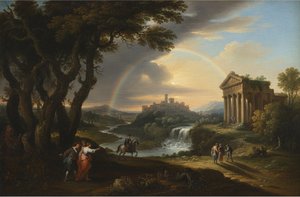
Shadow, Light, and Spectacle: The Dramatic Evolution of Baroque Landscape Painting
Explore the breathtaking drama of Baroque landscapes. Our expert guide delves into the interplay of light and shadow in 17th-century masterpieces. Discover art history and find museum-quality, hand-painted oil reproductions to bring classical grandeur to your home.

Drama in Nature: The Captivating Grandeur of Baroque Landscapes and the Art of Emotional Spectacle
Explore the breathtaking drama of Baroque landscapes. From Rubens's grand vistas to the mastery of chiaroscuro, discover how 17th-century artists transformed nature into a theatrical stage of emotion and light. A deep dive for true art enthusiasts.

Nature’s Sanctuary: Curating Enchanting Forest Artworks to Transform Your Home into a Serene Woodland Retreat
Transform your home into a serene woodland retreat with enchanting forest artworks. Discover museum-quality oil reproductions and custom landscape commissions designed to bring the peaceful beauty of nature indoors.

John Constable: Topp 25 Maler – Engelsk Landskapskunst i Ditt Hjem
Opplev John Constables 25 mest ikoniske malerier! Fordyp deg i engelsk romantikk, landskapskunst og atmosfæriske scener. Finn museumskvalitets reproduksjoner & interiørinspirasjon på OriginalUniqueArt.com. Utforsk samlingen online!
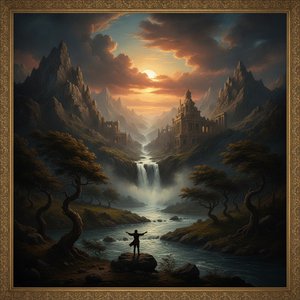
Epic Drama & Dark Vibes: The Ultimate Collector's Guide to Baroque Landscapes
Master the art of drama with our ultimate guide to Baroque landscapes. Discover the power of chiaroscuro, explore legendary masters, and learn how to curate epic, dark-vibe masterpieces for your collection with expert insights from OriginalUniqueArt.