

 Se i rommet
 Del som digitalt kort
 Del
Del
 Detaljer
 Studentguide

 Last ned
 Liknende objekter
 Røntgen
 Lysbildefremvisning
 Besøksstatistikk
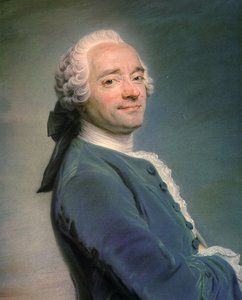
Maréchal de Saxe
 Pastel
- WallArt
- Rococo Portraiture
 Early Modern
 61.0 x 51.0 cm
 Louvre
 Les mer
Giclée / Kunsttrykk
Giclée- eller lerretsprint av museumskvalitet med rask produksjon og fleksible valgmuligheter for etterbehandling. ( Bestill håndmalt reproduksjon Gå til digitalt bilde)




P118B Nkr10

P118H Nkr10

P118W Nkr10

P438Z Nkr10

P508JH Nkr12

P508YH Nkr12

P805H Nkr10

P805Z Nkr10

P919BZ Nkr10

P919G Nkr10

P919XJ Nkr10

P959ZH Nkr10

P968JZ Nkr12

W106C Nkr8

W218G Nkr10

W218JH Nkr8

W218Y Nkr10

W307PJ Nkr10

W316G Nkr10

W316PJ Nkr8

W316Y Nkr10

W398PJ Nkr8

W4111J Nkr10

W500HY Nkr15

W500JH Nkr15

W692G Nkr12

W849H Nkr8

W940BG Nkr15

W953PJ Nkr8




Velg mellom våre forhåndsdefinerte størrelser som bevarer kunstverkets opprinnelige proporsjoner.

Skriv inn bredden og høyden du trenger, slik at den passer til din ramme eller vegg. Et trykk kan kun beskjæres, aldri gjøres større enn bildet, så et format med en annen form vil miste en del av motivet. Vi sender deg en digital mockup for godkjenning før vi trykker noe som helst. Bildet som vises på denne siden viser ikke den faktiske beskjæringen — det er kun mockuppen som gjør det.
Verdensomspennende levering () på 2 uker i stedet for standard 4/5 uker. (27 October)

Gratis ekspressfrakt over hele verden

Lerretsduk av høykvalitets lin

Full transportforsikring

Garanti for refusjon av toll og importavgifter

Garantert fargeekthet

100 dagers returrett ved fabrikasjonsfeil

100% pengene tilbake-garanti

Mengderabatt
 Glassalternativet er kun tilgjengelig i størrelser under 110 cm

Maréchal de Saxe
Giclée / Kunsttrykk
Format på reproduksjon
-


Totalpris
Nkr 761
A Vision of Rococo Grandeur
In the delicate dance of light and pigment, few works capture the aristocratic splendor of the eighteenth century as intimately as Maurice Quentin de La Tour’s 1731 pastel portrait, Maréchal de Saxe. To gaze upon this masterpiece is to step directly into the opulent intellectual landscape of Enlightenment France, where every brushstroke—or in this case, every soft application of pastel—serves to elevate the subject beyond mere mortal likeness. The portrait does not simply present a military commander; it orchestrates a symphony of power, prestige, and refined grace. Through the masterful use of the pastel medium, De La Tour achieves an ethereal luminosity that oil paints often struggle to replicate, allowing the skin tones to glow with a lifelike warmth and the fabrics to shimmer with a soft, tactile elegance.
The subject himself, the celebrated Maréchal de Saxe, is rendered with a profound sense of dignity. Clad in the authoritative attire of his station, he wears a striking blue sash draped across his shoulder, a symbol of high rank that cuts through the composition with a regal vibrancy. His black coat, punctuated by meticulously detailed gold buttons, speaks to the wealth and status inherent in his role as an influential advisor to Louis XV. De La Tour’s technical prowess is most evident in the subtle gradations of color; he blends hues of cerulean, cream, and gold so seamlessly that the textures of silk, lace, and skin appear almost tangible. This soft-focus brilliance is a hallmark of the Rococo style, creating an atmosphere that feels both intensely real and dreamily idealized.
The Intersection of Might and Intellect
Beyond the surface beauty of the portrait lies a deeper narrative regarding the cultural zeitgeist of the era. During this period, the ideals of the Enlightenment—reason, virtue, and intellect—were beginning to reshape the French court. De La Tour, a master of characterization, does not merely depict a soldier of war; he presents an embodiment of these very ideals. The Maréchal’s expression, marked by a quiet confidence and a gaze of seasoned wisdom, suggests a man whose strategic brilliance is matched by his philosophical depth. This portrayal aligns beautifully with the spirit of contemporaries like Voltaire, whose influence permeated the artistic circles of the time.
The minimalist background serves a vital compositional purpose, stripping away the distractions of a cluttered landscape to focus the viewer's entire emotional investment on the man himself. By placing the Maréchal against a plain, light-colored void, De La Tour ensures that the interplay of shadow and light on the subject's face becomes the focal point. This choice emphasizes the psychological depth of the sitter, inviting collectors and art enthusiasts to contemplate the weight of responsibility carried by such an influential figure.
An Enduring Legacy for the Discerning Collector
For the interior designer or the passionate art collector, a high-quality reproduction of Maréchal de Saxe offers more than just a decorative element; it provides a window into a vanished era of elegance. The piece possesses a unique ability to anchor a room, bringing a sense of historical gravity and sophisticated charm to any space. Whether placed in a sunlit library or a formal dining hall, the soft textures and regal color palette of the pastel medium evoke a feeling of timeless luxury.
Owning a reproduction of this caliber allows one to celebrate the technical mastery of Maurice Quentin de La Tour, an artist who redefined the possibilities of pastel. The artwork serves as a conversation piece that bridges the gap between the historical grandeur of the French monarchy and the modern aesthetic appreciation for fine detail and emotive portraiture. It is an investment in atmosphere, a tribute to the enduring power of the Rococo spirit, and a profound addition to any curated collection of fine art.
Spørsmål og svar
Hvem selger håndmalte kopier av "Maréchal de Saxe" av Maurice Quentin de La Tour?
Håndmalte kopier av "Maréchal de Saxe" av Maurice Quentin de La Tour selges på denne nettsiden: en håndmalt oljereproduksjon på linlerret, bestilt fra dens Håndmalt reproduksjon-side.
Hvor kan "Maréchal de Saxe" av Maurice Quentin de La Tour sees utstilt i dag?
Du kan se originalen av "Maréchal de Saxe" på Louvre, Paris, France.
Kan jeg se et røntgenbilde av "Maréchal de Saxe" av Maurice Quentin de La Tour?
Røntgenvisningen av "Maréchal de Saxe" av Maurice Quentin de La Tour finnes på verkets Røntgen-side: en interaktiv undersøkelse av bildet gjennom elleve optiske lag.
Kunstnerbiografi
Maurice Quentin de La Tour: Et liv i pastell
- Født: 5. september 1704, Saint-Quentin, Frankrike
- Død: 17. februar 1788, Saint-Quentin, Picardy, Kongeriket Frankrike
Tidlig liv og kunstnerisk utvikling
- Maurice Quentin de La Tour ble født inn i en musikalsk familie; hans far, François de La Tour, var musiker for Hertugen av Maine. Til tross for familiens opprinnelige forventninger, valgte Maurice å forfølge malerkunsten.
- Rundt 1724 flyttet han til Paris, hvor han startet sin kunstneriske karriere. Den tidlige opplæringen inkluderte studier hos Jacques Spoede og en kort periode i Reims. En reise til England i 1725 påvirket stilen hans ytterligere.
- Hans tidlige portretter, som det av Voltaire (1731), viste et fremvoksende talent for å fange både karakter og likhet. Dette portrettet ble bemerkelsesverlig gravert av Langlois, noe som brakte ham bredere anerkjennelse.
Kunstnerisk stil og fremstående verk
- Mestring av pastell: De La Tour feires for sin eksepsjonelle ferdighet i bruk av pastell. Han benyttet mediet til å skape portretter med en bemerkelsesverdig mykhet og delikatesse, og fanget subtile nyanser i både uttrykk og tekstur.
- Rokoko-innflytelse: Hans arbeid er et kroneksempel på rokokkostilen, preget av eleganse, ynde og et fokus på å portrettere det moteriktige aristokratiet.
- Fremstående verk:
- Portrett av Voltaire (1731) - Etablerte hans rykte tidlig i karrieren.
- Selvportrett, leende (ca. 1737) – Viser hans evne til å skildre personlighet og kløkt.
- Portrett av Madame de Pompadour – Et betydelig oppdrag som demonstrerer hans ferdighet i å fange likheten til en fremtredende skikkelse.
- Portretter av Ludvig XV - Flere portretter av den franske kongen, noe som sementerte hans posisjon ved hoffet.
- Salongutstillinger: Han stilte regelmessig ut på Salongen i Paris, hvor han viste frem en serie på 150 portretter over tre tiår, noe som ble et høydepunkt for de besøkende.
Anerkjennelse og senere liv
- Kongelig anerkjennelse: I 1737 ble han anerkjent av Det kongelige akademi for maleri og skulptur. Han ble senere utnevnt til kongens portrettmaler i 1750.
- Filantropi: Etter hvert som rikdommen vokste, viet de La Tour seg til filantropiske formål; han grunnla en tegneskole i Saint-Quentin og støttet fattige kunstnere.
- Psykiske utfordringer: Rundt 1773 opplevde han et nervøst sammenbrudd, noe som førte til perioder med psykisk sykdom og etter hvert til at han trakk seg tilbake til sin hjemby, Saint-Quentin.
Arv og historisk betydning
- De La Tours portretter er høyt verdsatt for sin psykologiske innsikt og tekniske briljans. Han løftet pastellportrettet til nye høyder og påvirket påfølgende generasjoner av kunstnere.
- Hans evne til å fange essensen av sine motiver – deres personlighet, intelligens og sosiale status – gjorde ham til en av de mest ettertraktede portrettmalerne i sin tid.
- I dag er hans verk bevart i prestisjetunge museer over hele verden, inkludert Musée du Louvre, og gir verdifull innsikt i det 18. århundres franske samfunn og kunstneriske praksis.
Maurice Quentin de La Tour
1704 - 1788 , Frankrike
Kort om kunstneren
- Artistic Movement Or Style: Rokoko
- Artists Or Movements Influenced By This Artist: ['Jean Antoine Watteau']
- Artists Who Influenced This Artist: ['Jacques Spoede']
- Date Of Birth: 5. september 1704
- Full Name: Maurice Quentin de La Tour
- Nationality: Fransk
- Notable Artworks:
- Portrett av Voltaire
- Selvportrett, Latter
- Place Of Birth: Saint-Quentin, Frankrike
Relaterte artikler
The Elegance of Rococo Portraiture: A Journey Through Grace, Soft Light, and Pastel Dreams
Discover the exquisite world of Rococo portraiture. Explore the delicate beauty of 18th-century French art, from pastel light to graceful asymmetry, and learn how to bring this era of elegance into your home through masterfully hand-painted oil reproductions.

Maurice Quentin de La Tour: Light, Shadow & the Rococo Portrait
Explore the captivating world of Maurice Quentin de La Tour, a master of Rococo portraiture. Discover his innovative pastel techniques, intimate depictions of French aristocracy, and lasting artistic legacy. Learn more at OriginalUniqueArt.

Goyas 25 Mesterverk: En Reise Gjennom Spansk Kunsthistorie | OriginalUniqueArt.no
Utforsk Francisco Goyas 25 mest ikoniske malerier! Oppdag historiene bak mesterverkene, fra portretter til de mørke etsninge. Finn kunsttrykk av høy kvalitet og inspirasjon for din innredning på OriginalUniqueArt.no – ditt hjem fortjener tidløs spansk kunst.
Georges de La Tour: Luminosity, Spirituality & Realism in Baroque Painting
Discover the captivating world of Georges de La Tour, a Baroque master renowned for his dramatic chiaroscuro & spiritual realism. Explore key works, influences, and his remarkable rediscovery. Learn more at OriginalUniqueArt.
Águeda Ruiz de la Prada: A Study of Eclecticism & Emotional Resonance in Contemporary Spanish Painting
Discover the vibrant world of Ágatha Ruiz de la Prada, a leading figure in contemporary Spanish art. Explore her eclectic style, emotional depth & legacy – a must-read for discerning collectors.