
 Forhåndsvisning
 Send
Send Del
Del
 Vis detaljer
 Utskriftsvennlig guide

 Last ned bilde
 Liknende objekter
 Røntgenundersøkelse
 Lysbildefremvisning
 Spørsmål og svar
 Statistikk
The Crucifixion

- 269.0 x 307.0 cm


 Vis hele teksten
Giclée / Kunsttrykk
Giclée- eller lerretsprint av museumskvalitet med rask produksjon og fleksible valgmuligheter for etterbehandling. ( Kjøp håndmalt maleri Bytt til digitalt bilde)




P118B Nkr10

P118H Nkr10

P118W Nkr10

P438Z Nkr10

P508JH Nkr12

P508YH Nkr12

P805H Nkr10

P805Z Nkr10

P919BZ Nkr10

P919G Nkr10

P919XJ Nkr10

P959ZH Nkr10

P968JZ Nkr12

W106C Nkr8

W218G Nkr10

W218JH Nkr8

W218Y Nkr10

W307PJ Nkr10

W316G Nkr10

W316PJ Nkr8

W316Y Nkr10

W398PJ Nkr8

W4111J Nkr10

W500HY Nkr15

W500JH Nkr15

W692G Nkr12

W849H Nkr8

W940BG Nkr15

W953PJ Nkr8




Velg mellom våre forhåndsdefinerte størrelser som bevarer kunstverkets opprinnelige proporsjoner.

Skriv inn ønsket bredde og høyde for å tilpasse trykket til din ramme eller vegg. Et trykk kan kun beskjæres, aldri skaleres opp utover motivets opprinnelige størrelse, noe som betyr at et format med andre proporsjoner vil føre til tap av deler av bildet. Vi sender deg en digital mockup for godkjenning før vi starter trykkeprosessen. Bildet som vises på denne siden viser ikke den faktiske beskjæringen — det er kun mockuppen som viser dette.
Verdensomspennende levering () på 2 uker i stedet for standard 4/5 uker. (9 November)

Gratis ekspressfrakt over hele verden

Lerretsduk av lin av høy kvalitet

Full transportforsikring

Garanti for refusjon av toll og importavgifter

Garantert fargegjengivelse

100 dagers returrett ved fabrikasjonsfeil

100% pengene tilbake-garanti

Rabatt ved flere kjøp
 Glassalternativet er kun tilgjengelig i størrelser under 110 cm

The Crucifixion
Giclée / Kunsttrykk
Størrelse på reproduksjon
-


Totalpris for valgte alternativer
Nkr 774
A Vision of Suffering: The Isenheim Altarpiece’s Central Panel
Matthias Grünewald's “The Crucifixion,” a cornerstone of the Isenheim Altarpiece, isn’t merely a depiction of a religious scene; it’s an immersive experience of profound sorrow and spiritual intensity. Completed around 1512-1516 for the Unterlinden Museum in Colmar, France, this panel transcends traditional iconography to deliver a visceral portrayal of Christ's agony – a testament to Grünewald’s mastery of late medieval German art. The painting immediately commands attention with its stark contrasts: the deep, bruised blues and purples of the background against the pallid flesh tones of the central figure, creating an atmosphere thick with despair. It’s a scene deliberately designed to evoke empathy, not through idealized beauty, but through unflinching realism.
Grünewald eschewed the polished elegance favored by Renaissance Italy, instead embracing the expressive power and emotional depth characteristic of Northern European art. He prioritized conveying feeling over precise anatomical detail, resulting in a Christ whose body is contorted with pain, his muscles strained, and his face etched with an almost unbearable suffering. The artist’s use of impasto – thick layers of paint applied directly to the panel – adds texture and dynamism to the scene, emphasizing the physicality of Christ's torment. The rough, unfinished quality of the brushstrokes contributes to a sense of immediacy, as if we are witnessing this event unfold before our very eyes.
Symbolism Woven into Suffering
Beyond its immediate emotional impact, “The Crucifixion” is rich in symbolic meaning. The figure of Christ isn’t presented as a noble martyr but as a profoundly human being experiencing the full weight of his sacrifice. To his left, John the Evangelist, depicted with an expression of anguish and grief, supports the Virgin Mary, who herself embodies sorrow. The presence of Saint Sebastian, traditionally associated with healing through suffering, and Saint Anthony, contemplating God’s will, further underscores the theme of redemption through pain. The lamb at the foot of the cross, a potent symbol of Christ as “the Lamb of God,” reinforces this central theological message.
The inclusion of figures like Mary Magdalene, kneeling in despair, highlights the universal human experience of loss and suffering connected to Christ’s death. Even the background landscape—a desolate, almost apocalyptic scene—contributes to the overall sense of foreboding and spiritual crisis. Grünewald masterfully integrates these symbolic elements into a single, unified composition, creating an artwork that speaks volumes about faith, sacrifice, and the enduring power of human emotion.
Technique and Context: A Masterpiece Forged in Darkness
The Isenheim Altarpiece was created during a period of significant religious upheaval in Europe. The Black Death had ravaged the continent, leaving behind widespread death, disease, and social disruption. This context profoundly shaped Grünewald’s artistic vision. The altarpiece was intended for a hospital dedicated to St. Anthony, where patients suffered from various ailments, including ergotism (St. Anthony's Fire), a debilitating illness characterized by hallucinations and convulsions. The painting’s raw emotional intensity and unflinching depiction of suffering were precisely what the patients needed – a visual reminder of their own mortality and the promise of salvation.
Grünewald employed oil paint on wood, a technique that allowed for rich colors and detailed textures. The use of grisaille (monochrome painting) in the outer panels—featuring saints depicted in shades of gray—contrasts sharply with the vibrant colors of the central panel, further emphasizing its dramatic impact. The altarpiece’s complex folding mechanism – allowing it to be displayed in three different configurations – was a groundbreaking innovation for its time, adding another layer of visual and spiritual complexity.
A Legacy of Emotional Resonance
“The Crucifixion” remains one of the most powerful and moving religious paintings ever created. Its enduring appeal lies not only in Grünewald’s technical skill but also in his ability to capture the essence of human suffering with such profound honesty and empathy. Reproductions of this masterpiece continue to inspire awe and contemplation, offering viewers a glimpse into the heart of medieval faith and artistic expression. It stands as a poignant reminder of Christ's sacrifice and the enduring power of art to connect us to our deepest emotions and spiritual longings.
Spørsmål og svar
Hvilken trykkstørrelse av "The Crucifixion" av Matthias Grünewald passer til det anbefalte rommet?
Anbefalt trykkstørrelse for "The Crucifixion" av Matthias Grünewald i et Living Room er Large.
Hvilken teknikk og størrelse har originalen av "The Crucifixion" av Matthias Grünewald?
"The Crucifixion" av Matthias Grünewald er utført i Oil On Canvas, og de oppgitte målene er 269 x 307 cm.
Hvilken emosjonell tone preger Late Medieval Northern Renaissance-stilen i "The Crucifixion"?
Innenfor Late Medieval Northern Renaissance-retningen er "The Crucifixion" preget av en Melancholic tone.
Om kunstneren
Matthias Grünewald: Liv og ettermæle
Tidlig liv og kunstneriske begynnelse
Matthias Grünewald, født Mathis Gothart Neithardt rundt 1470-1475 i Würzburg, Tyskland, var en skjellsettende skikkelse i den tyske renessansen. Til tross for at han levde i en tid som i økende grad ble påvirket av italienske renessanseidealer, forble Grünewald dypt forankret i de kunstneriske tradisjonelse fra senmiddelalderens Sentral-Europa. Det er få detaljer tilgjengelige om hans tidlige liv, men det er kjent at han mottok sin kunstneriske opplæring, sannsynligvis innenfor lokale verksteder.
Kunstnerisk utvikling og påvirkninger
Grünewalds kunstneriske utvikling ble formet av de rådende nordeuropeiske tradisjonene preget av realisme, emosjonell intensitet og detaljert observasjon. Hans arbeid viser tydelig påvirkning fra kunstnere som Albrecht Dürer og Martin Schongauer, men han staket ut sin egen unike vei, karakterisert av dramatisk uttrykk og levende farger. Han var ikke direkte involvert i de humanistiske kretsene som var fremtredende i Italia; i stedet tjente kunsten hans primært religiøse formål, der den reflekterte sin tids åndelige angst og eksistensielle spørsmål.
Hovedverker og kunstnerisk stil
- Isenheim-altaret (1512-1516): Dette mesterverket, som huseres i Musée d'Unterlinden i Colmar, regnes som Grünewalds magnum opus. Det skildrer scener fra Kristi liv med en hjemsøkende realisme, med et særlig fokus på lidelse og frelse.
- Korsfestelsen (ca. 1502-150: Et tidlig verk som demonstrerer hans utviklende stil, og som viser frem intens emosjon og anatomisk detaljrikdom.
- Jomfruen ved bebudelsen (1512-14): En studie til Isenheim-altaret som avslører hans nitidige planleggingsprosess.
- Moses (1511): En tegning som fremhever Grünewalds ferdighet i å fange uttrykksfulle figurer og dramatiske positurer.
Grünewalds stil utmerker seg ved følgende elementer:
- Dramatisk komposisjon: Han benyttet dynamiske arrangementer for å forsterke den emosjonelle slagkraften.
- Levende fargepalett: Bruken av intense, ofte kontrasterende farger skapte en kraftfull visuell opplevelse.
- Realistisk fremstilling av lidelse: Grünewald vek ikke unna å portrettere den fysiske og emosjonelle smerten knyttet til de religiøse fortellingene.
- Uttrykksfulle figurer: Hans skikkelser er gjennomsyret av sterke følelser og psykologisk dybde.
Historisk betydning og ettermæle
Grünewalds arbeid står som et vitnesbyrd om den vedvarende kraften i middelalderens kunstneriske tradisjoner i Tyskland under renessansen. Han bygget bro mellom den sengotiske stilen og den fremvoksende renessansen, og skapte et unikt visuelt språk som resonnerte med hans samtidige. Hans innflytelse kan ses hos senere tyske kunstnere som fortsatte å utforske temaer som religiøs glød og emosjonell intensitet. Selv om han i stor grad ble glemt i århundrene etter sin død i 1528, opplevde Grünewald en renessanse på 1800-tallet, og i dag anerkjennes han som en av de viktigste malerne i den tyske renessansen. Hans kunst fortsetter å trollbinde betrakteren med sin rå emosjon, tekniske briljans og dype åndelige alvor.
Videre utforskning
Oppdag mer om Matthias Grünewalds liv og verk hos: OriginalUniqueArt

Matthias Grünewald
1480 - 1528 , Tyskland
Kort om kunstneren
- Artistic Movement Or Style: Sen middelalderkunst
- Artists Or Movements Influenced By This Artist: ['Albrecht Dürer']
- Artists Who Influenced This Artist:
- Albrecht Dürer
- Hans Holbein den eldre
- Date Of Birth: ca. 1470/1480
- Date Of Death: 31. august 1528
- Full Name: Matthias Grünewald
- Nationality: Tysk
- Notable Artworks:
- Isenheim Altarpiece
- Korsfestelsen
- Place Of Birth: Würzburg, Tyskland
Relaterte artikler
Topp 10 Mesterverk fra Nordrenessansen – Kunst som inspirerer hjemmet ditt
Oppdag de 10 mest ikoniske mesterverkene fra nordrenessansen! Lær om Jan van Eyck, Bosch og Dürer. Finn inspirasjon til interiøret med reproduksjoner av høy kvalitet på OriginalUniqueArt.com.
Illuminating Belief: A Visual Exploration of Faith Across Artistic Movements & Historical Contexts
Explore the rich history of faith through art! Discover Renaissance masterpieces, iconic artists & religious symbolism with expert analysis from OriginalUniqueArt. Perfect for collectors and enthusiasts.

The Northern Renaissance: A Flourishing of Realism, Religious Reform & Artistic Innovation
Explore the Northern Renaissance! Discover Jan van Eyck's innovations, religious shifts, & key artists of this influential period. Expert analysis and insights into Early Netherlandish painting at OriginalUniqueArt.
Northern Mannerism: The Dramatic Evolution of Renaissance Art and the Mastery of Elegant Distortion
Explore the dramatic evolution of Northern Mannerism. Discover how masters like Bosch and Grünewald transitioned from Renaissance harmony to profound, elegant distortion through an expert analysis of symbolism, emotional intensity, and artistic innovation.
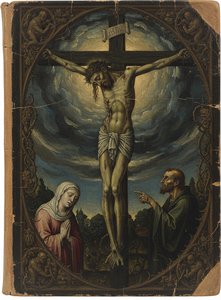
Matthias Grünewald: Devotion, Distortion & Spiritual Turmoil in Renaissance Art
Explore the profound religious art of Matthias Grünewald, master of the Isenheim Altarpiece. Discover his unique expressionism, symbolism & lasting impact on Renaissance painting. A guide for collectors and enthusiasts.


