Tekststørrelse

() ·

Et maleri laget til deg, med håndverk

The Bride Stripped Bare by her Bachelors

Håndlaget oljereproduksjon

Håndmalt olje på lerret i din valgte størrelse og ramme, laget på bestilling av våre kunstnere. ( Bytt til trykk Bytt til digitalt bilde)

Beskrivelse av objektet

Displayed at The Philadelphia Museum of Art, this artwork continues to inspire artists and provoke discussion about art's role in society.

Om kunstneren

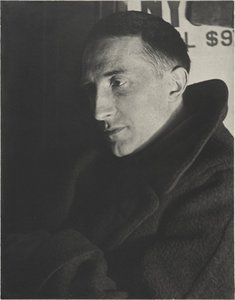
Marcel Duchamp var en fransk kunstner som revolusjonerte kunstens verden ved å stille spørsmål om hva kunst er og hvordan vi oppfatter den. Utforsk hans ikoniske verk og filosofiske innvirkning!

fra ·

Kapittel 1

Hvor stor bør den være?

Skyv for å endre størrelsen; bildet til venstre viser rammen i sin faktiske bredde. Originalens proporsjoner er bevart.

Standardformat
skreddersydd
CM
INCH

Velg mellom våre forhåndsdefinerte størrelser som bevarer kunstverkets opprinnelige proporsjoner.

bredde
høyde

Skriv inn ønsket bredde og høyde for å tilpasse bildet til din ramme eller vegg. Siden dette er håndmalt, kan kunstneren male litt mer rundt motivet eller beskjære det noe dersom du velger et annet format — valget er ditt. Vi sender deg en digital mockup til godkjenning før maleriet påbegynnes. Bildet som vises på denne siden representerer ikke det faktiske resultatet — kun mockuppen viser det endelige uttrykket.

Kapittel 2

Hvordan skal det leveres?

Velg kantutførelse på lerretet

Velg din ramme

Corner sample of the WhiteWrap canvas edge finish, stretched on massivt tre bars
Hvit kant Nkr1
Corner sample of the BlurSideWrap canvas edge finish, stretched on massivt tre bars
Uskarp kantfinish Nkr1
Corner sample of the ExtendedWrap canvas edge finish, stretched on massivt tre bars
Fortsatt motiv Nkr1
Corner sample of the P118B picture frame: støpt polystyren, 5 cm wide and 3 cm thick
P118B Nkr10
Corner sample of the P118H picture frame: støpt polystyren, 5 cm wide and 3 cm thick
P118H Nkr10
Corner sample of the P118W picture frame: støpt polystyren, 5 cm wide and 3 cm thick
P118W Nkr10
Corner sample of the P438Z picture frame: støpt polystyren, 5.5 cm wide and 3.5 cm thick
P438Z Nkr10
Corner sample of the P508JH picture frame: støpt polystyren, 7 cm wide and 3.5 cm thick
P508JH Nkr12
Corner sample of the P508YH picture frame: støpt polystyren, 7 cm wide and 3.5 cm thick
P508YH Nkr12
Corner sample of the P805H picture frame: støpt polystyren, 5 cm wide and 3.5 cm thick
P805H Nkr10
Corner sample of the P805Z picture frame: støpt polystyren, 5 cm wide and 3.5 cm thick
P805Z Nkr10
Corner sample of the P919BZ picture frame: støpt polystyren, 7 cm wide and 3.5 cm thick
P919BZ Nkr10
Corner sample of the P919G picture frame: støpt polystyren, 7 cm wide and 3.5 cm thick
P919G Nkr10
Corner sample of the P919XJ picture frame: støpt polystyren, 7 cm wide and 3.5 cm thick
P919XJ Nkr10
Corner sample of the P959ZH picture frame: støpt polystyren, 5 cm wide and 3 cm thick
P959ZH Nkr10
Corner sample of the P968JZ picture frame: støpt polystyren, 6 cm wide and 4 cm thick
P968JZ Nkr12
Corner sample of the W106C picture frame: massivt tre, 5 cm wide and 3 cm thick
W106C Nkr8
Corner sample of the W218G picture frame: massivt tre, 5 cm wide and 3 cm thick
W218G Nkr10
Corner sample of the W218JH picture frame: massivt tre, 5 cm wide and 3 cm thick
W218JH Nkr8
Corner sample of the W218Y picture frame: massivt tre, 5 cm wide and 3 cm thick
W218Y Nkr10
Corner sample of the W307PJ picture frame: massivt tre, 6 cm wide and 3 cm thick
W307PJ Nkr10
Corner sample of the W316G picture frame: massivt tre, 6 cm wide and 3 cm thick
W316G Nkr10
Corner sample of the W316PJ picture frame: massivt tre, 6 cm wide and 3 cm thick
W316PJ Nkr8
Corner sample of the W316Y picture frame: massivt tre, 6 cm wide and 3 cm thick
W316Y Nkr10
Corner sample of the W398PJ picture frame: massivt tre, 5 cm wide and 3 cm thick
W398PJ Nkr8
Corner sample of the W4111J picture frame: massivt tre, 6.5 cm wide and 3.5 cm thick
W4111J Nkr10
Corner sample of the W500HY picture frame: massivt tre, 7 cm wide and 5 cm thick
W500HY Nkr15
Corner sample of the W500JH picture frame: massivt tre, 7 cm wide and 5 cm thick
W500JH Nkr15
Corner sample of the W692G picture frame: massivt tre, 8 cm wide and 4 cm thick
W692G Nkr12
Corner sample of the W849H picture frame: massivt tre, 5 cm wide and 3 cm thick
W849H Nkr8
Corner sample of the W940BG picture frame: massivt tre, 7.5 cm wide and 4.5 cm thick
W940BG Nkr15
Corner sample of the W953PJ picture frame: massivt tre, 6 cm wide and 3.5 cm thick
W953PJ Nkr8
Corner sample of the H24-GOLD picture frame: utskåret tre med gesso, 10 cm wide and 6 cm thick
H24-GOLD Nkr30
Corner sample of the H24-SILVER picture frame: utskåret tre med gesso, 10 cm wide and 6 cm thick
H24-SILVER Nkr30
Corner sample of the H36-GOLD picture frame: utskåret tre med gesso, 15 cm wide and 6.5 cm thick
H36-GOLD Nkr45
Corner sample of the H36-SILVER picture frame: utskåret tre med gesso, 15 cm wide and 6.5 cm thick
H36-SILVER Nkr45

Profil: . Total størrelse med ramme: .

Kapittel 3

Hvem maler det, og bør noe endres?

Eksempler på hva som kan endres: Erstatt ansikt med kundens eget bilde; Legg til kjæledyr (f.eks. bytt ut katt med hund); Inkluder en skjult melding i bakgrunnen; Endre landskap eller elementer i bakgrunnen.
Etter bestilling vil OriginalUniqueArt.com-teamet sende e-post til kunden for instruksjoner og sende et utkast som forhåndsvisning

Verdensomspennende levering () på 3–4 uker i stedet for standard 5 uker. (3 November). Ingen kompromisser med kvaliteten.

Kapittel 4

De siste detaljene

En navneplate, som på et museum?

Detaljer om gravert bronseplate

This elegant plaque features the artist's name and the title of the artwork, finely engraved for a timeless presentation.

It is made from bronze with a refined, elegant finish. The text is precisely laser-engraved for a sharp and permanent result. Measuring 9x2 cm, the plaque is compact yet easy to read. It's built to be durable and scratch-resistant, offering a professional, museum-quality look. Mounting is simple thanks to the included adhesive backing.

Detaljer om gjennomsiktig akrylplate

The plaque includes essential engraved details such as the artist's name, the title of the artwork, the date it was created, the type of media used-like oil on canvas or watercolor-a brief description of the piece, and a QR code that links to the complete artwork information.

It is crafted from clear acrylic, offering a sleek, modern appearance. The text is UV-engraved in black to ensure strong visual contrast. With a size of 10x15 cm, it ensures optimal readability. It comes equipped with two metal hooks for secure wall mounting. The plaque is designed to be weather-resistant, making it suitable for various environments, and it includes interactive features that work seamlessly with smartphone scanning.

Detaljer om plakett i svart akryl

This elegant plaque includes engraved information such as the artist's name, the title of the artwork, the date it was created, the type of media used (like oil on canvas or watercolor), a short description of the artwork, and a QR code for quick access to more information.

The plaque itself is made from refined black acrylic with a premium finish. The text is laser-engraved in white for high contrast and readability. Its size is 10x15 cm, designed to be easy to read. It comes with two metal hooks for professional mounting. The design is sleek and fits any interior style. It is also weather-resistant and durable, with built-in digital integration for mobile compatibility.

En beskyttende lakk?

Når trenger du det?

Kapittel 5

Ditt maleri, slik du bestilte det

The Bride Stripped Bare by her Bachelors

Trykkmetode

Størrelse på reproduksjon

-

Utvalgte mesterkunstnere

Mer detaljrikdom, finesse og ekstra produksjonstid

-

Innramming av reproduksjon

-

-

For kunstverk eller reproduksjoner som er større enn 105 cm (ca. 41 tommer) på noen side, vil rammen bli sendt som et sett som må monteres. Denne metoden sikrer trygg levering og forhindrer skader under transport.

Krever profesjonell montering – dette er ikke et DIY-produkt.
Settet må monteres og lerretet strammes av en erfaren profesjonell rammelegger, ved bruk av trelim (følger ikke med), en lerretstang og klemmer for å holde rammelisten vinkelrett mens limet tørker. Feilaktig montering eller ujevn stramming av lerretet kan påføre kunstverket permanente skader og er ikke dekket av vår garanti.

  • Alle massive trelister er inkludert, presist tilpasset i størrelse.

  • Monteres med de medfølgende skruene, samt trelim til hjørnene, som ikke er inkludert og må anskaffes av din rammehandler.

  • Profesjonelt verktøy er nødvendig og er ikke inkludert: en lerretstang (strammer) og klemmer for å holde rammene vinkelrette mens limet tørker.

Viktig:
Hjørnene krever trelim, listene må holdes på plass med tvinger til limet er helt tørt, og stramming av lerretet på den ferdige rammen krever en lerretstang. Ingen av disse produktene er inkludert i settet. Vennligst sørg for tilgang til en erfaren profesjonell rammehandler før du bestiller denne størrelsen.

Navneskilt

-

-

Beskyttende ferniss

Blank lakk (forsterker farger, beskytter mot lys og fuktighet)

-

Tilpass mitt kunstverk

Eksempler på hva som kan endres: Erstatt ansikt med bilde av kunden; Legg til kjæledyr (f.eks. bytt ut katt med hund); Inkluder en skjult melding i bakgrunnen; Endre bakgrunnslandskap eller elementer.

-

Ekspresslevering

Verdensomspennende levering () på 3–4 uker i stedet for standard 5 uker. (3 November). Ingen kompromisser med kvaliteten.

-

Ekspresslevering

Verdensomspennende levering til innen 5 uker. (10 November).

Inkludert frakt

Totalpris for valgte alternativer

Nkr 2878

Totalpris Nkr 2878

Glassalternativet er kun tilgjengelig i størrelser under 110 cm

Inkludert med hver bestilling

  • Gratis ekspressfrakt over hele verden
  • Lerretsduk av lin av høy kvalitet
  • Full transportforsikring
  • Garanti for refusjon av toll og importavgifter
  • Garantert fargegjengivelse
  • 100 dagers returrett ved fabrikasjonsfeil
  • 100% pengene tilbake-garanti
  • Rabatt ved flere kjøp

A Monument of Conceptual Art: Exploring Marcel Duchamp’s “The Bride Stripped Bare by Her Bachelors”

Marcel Duchamp's "The Bride Stripped Bare by Her Bachelors, Even (The Large Glass)" stands as an unparalleled achievement in the history of art—not for its visual beauty alone, but for its audacious challenge to artistic conventions and its profound exploration of existential themes. Created between 1915 and 1923 during the turbulent years of Dadaism, this monumental assemblage transcends traditional representation, prioritizing intellectual provocation over aesthetic pleasure.

  • The Genesis of Conceptual Art: Duchamp’s decision to submit a urinal—simply titled “Fontaine”—to the Salon d'automne in Paris in 1917 irrevocably altered the landscape of artistic discourse. This act, considered scandalous by many contemporaries, signaled a decisive break from the prevailing obsession with illusionistic painting and sculpture, establishing conceptual art as a distinct genre focused on ideas rather than visual form.
  • Mechanistic Cubism’s Influence: Duchamp's artistic vision was deeply rooted in Mechanistic Cubism, championed by artists like Pablo Picasso and Georges Braque. This movement sought to dissect objects into geometric fragments, mirroring the workings of machinery—a reflection of the anxieties surrounding industrialization and technological advancement prevalent at the time. The Large Glass embodies this aesthetic through its meticulous layering of materials and forms, creating a complex interplay of textures and perspectives.

Decoding Symbolism: Desire, Reality, and the Machine

“The Bride Stripped Bare by Her Bachelors” is rife with symbolic imagery that delves into the complexities of human relationships and the elusive nature of desire. The central figure—often interpreted as a representation of femininity—is juxtaposed against a machine-insect hybrid, symbolizing the tension between organic vulnerability and mechanical determinism. This duality encapsulates Duchamp’s broader critique of societal norms and his questioning of accepted truths.

  • The Urinal Motif: The inclusion of the urinal itself serves as a deliberate disruption of artistic tradition—a statement that questioned what constituted art and challenged viewers to reconsider their preconceptions. It embodies Duchamp’s belief that art could be found in everyday objects when viewed through an intellectual lens.
  • Geometric Precision & Industrial Materials: The meticulous arrangement of geometric shapes—circles, squares, triangles—and the incorporation of industrial materials like lead foil and wire underscore the influence of Mechanistic Cubism. These elements contribute to a sense of unease and disorientation, mirroring the anxieties of the era concerning rapid technological change.

A Legacy of Innovation: Why “The Large Glass” Remains Relevant Today

"The Bride Stripped Bare by Her Bachelors" continues to resonate with audiences today because it speaks to fundamental questions about art’s role in society and its capacity to provoke thought. Duchamp's refusal to adhere to conventional artistic standards paved the way for subsequent generations of artists who embraced conceptual approaches—artists who prioritize ideas over visual spectacle.

  • Influence on Contemporary Art: Artists across disciplines—from performance art to installation art—have drawn inspiration from Duchamp’s groundbreaking work, recognizing its enduring power to challenge assumptions and stimulate dialogue.
  • A Timeless Exploration of Consciousness: Ultimately, “The Large Glass” invites viewers to contemplate the relationship between consciousness and reality—a theme that remains profoundly relevant in our increasingly complex world.

Spørsmål og svar

Er fargene i "The Bride Stripped Bare by her Bachelors" av Marcel Duchamp mettede eller dempede?

Fargepaletten i "The Bride Stripped Bare by her Bachelors" har Muted i metning.

Er "The Bride Stripped Bare by her Bachelors" av Marcel Duchamp i det frie domene (public domain), og hvorfor?

"The Bride Stripped Bare by her Bachelors" av Marcel Duchamp er fortsatt beskyttet av opphavsretten. Opphavsretten løper fra kunstnerens dødsår, som var i 1968.

Hvor mange ser på "The Bride Stripped Bare by her Bachelors"?

En Besøksstatistikk-side eksisterer for "The Bride Stripped Bare by her Bachelors". Den viser månedlige besøkstall for kunstverket og kunstnerens øvrige verk, fordelt på land og språk.

Les mer om dette maleriet

Forhåndsvisning Se i AR Bytt til trykk Bytt til digitalt bilde Send
Vis detaljer Utskriftsvennlig guide Legg til i favoritter Last ned bilde Liknende objekter Røntgenundersøkelse Lysbildefremvisning Spørsmål og svar Statistikk

I tall

  • 1923året det ble malt
  • 29rammer å velge mellom
  • standardstørrelser, i sine egne proporsjoner
  • 5uker å male og levere

Om originalverket

Marcel Duchamp

Marcel Duchamp

1887 - 1968, Frankrike

Kort om Marcel Duchamp

  • Artistic Movement Or Style:
    • Kubisme
    • Dadaisme
    • Konseptuell kunst
  • Artists Or Movements Influenced By This Artist:
    • Kubisme
    • Popkunst
    • Minimalisme
  • Date Of Birth: 28 juli 1887
  • Date Of Death: 2 oktober 1968
  • Full Name: Marcel Duchamp Henri-Robert-Marcel
  • Nationality: Fransk-Amerikansk
  • Notable Artworks:
    • Fontane
    • L.H.O.O.Q.
    • Det Store Glas
    • Boîte-en-valise
  • Place Of Birth: Blainville, Frankrike

Om kunstneren

A Revolutionary Spirit: The Life and Art of Marcel Duchamp

Marcel Duchamp, born Henri-Robert-Marcel Duchamp in 1887 in Blainville-Crevon, Normandy, was more than an artist; he was a philosophical provocateur who fundamentally altered the course of modern art. His early life, though seemingly conventional – nurtured within a family that appreciated artistic expression with both brothers pursuing successful careers as artists – hinted at the iconoclasm to come. Duchamp initially pursued formal training, mastering traditional techniques and experimenting with post-impressionist styles. However, this academic foundation served not as an end in itself, but as a springboard for questioning the very nature of art, its purpose, and its definition. He wasn’t content merely to depict the world; he sought to challenge how we perceive it, and what constitutes artistic value. This restless intellectual curiosity would become the defining characteristic of his prolific career.

Early Artistic Explorations: Cubism and Impressionism

Duchamp's initial foray into art began with a grounding in traditional techniques—primarily painting—influenced by Impressionist masters like Claude Monet and Pierre-Auguste Renoir. He honed his skills diligently, capturing fleeting moments of light and color with remarkable precision. Yet, even within these aesthetically pleasing compositions, Duchamp harbored doubts about the role of representation itself. Recognizing that art could transcend mere visual imitation, he turned his attention to Cubism, spearheaded by Pablo Picasso and Georges Braque. This movement embraced fragmented forms and multiple perspectives—a radical departure from the single viewpoint demanded by Renaissance painting—and Duchamp skillfully incorporated these principles into works like *Portrait of Chess Players* (1911). The fractured planes and overlapping viewpoints mirrored his own intellectual preoccupation with dismantling established conventions.

The Dadaist Rebellion: Challenging Artistic Norms

The horrors of World War I profoundly impacted Duchamp’s worldview, fueling a deep disillusionment with the values of reason and logic that underpinned Western civilization. This discontent propelled him into the embrace of Dadaism—a movement born out of utter rejection of artistic dogma and societal complacency. Dadaists like Tristan Tzara and Hugo Ball sought to dismantle traditional notions of art through absurdity, chance, and anti-rational gestures. Duchamp wholeheartedly embraced this rebellious spirit, producing provocative pieces that defied categorization and challenged viewers’ expectations. His Dadaist output included collages incorporating found objects—such as newspaper clippings and photographs—and performances designed to disrupt artistic rituals. The infamous *Fontaine* (1917)—a porcelain urinal signed “R. Mutt”—became the emblem of Dada’s radical critique of art, sparking controversy and cementing Duchamp's reputation as a revolutionary iconoclast.

The Birth of Conceptual Art: Beyond Representation

Duchamp’s most enduring contribution to art history was arguably his pioneering role in establishing Conceptual Art—a movement that prioritized idea over execution. Rejecting the visual arts altogether, Conceptual Artists questioned whether an artwork could exist without tangible form. Duchamp famously declared, “The idea precedes the object,” encapsulating this fundamental shift in artistic thinking. He continued to explore this concept through various mediums, including assemblage and photography. *L.H.O.O.Q.* (1919)—a postcard reproduction of Leonardo da Vinci’s Mona Lisa overlaid with a mustache and goatee—served as a deliberate parody of art history and a commentary on the veneration of artistic genius. Duchamp's intention wasn’t to create a beautiful image; it was to provoke reflection on notions of authorship, originality, and the very definition of art itself.

Legacy and Enduring Influence

Marcel Duchamp’s influence extends far beyond his own lifetime, shaping the trajectory of countless artists who followed him. His unwavering commitment to conceptual thought—the primacy of idea over form—established a paradigm that continues to resonate within contemporary artistic practice. Artists across disciplines—from sculpture to performance art to video installation—have drawn inspiration from Duchamp’s challenge to conventional aesthetic standards and his insistence on questioning accepted truths. He remains a central figure in discussions about the role of art in society, prompting us to consider whether beauty is truly paramount or if intellectual engagement—the pursuit of ideas—is equally valuable. His legacy endures as a testament to the transformative power of artistic innovation and the enduring relevance of Duchamp’s revolutionary vision.

Kort om verket

  • Notable elements or techniques: Lead foil & intricate composition
  • Artistic style: Mechanistic Cubism
  • Year: 1923
  • Movement: Dadaism
  • Location: Philadelphia Museum of Art